

We send hikers to Tiantangzhai (天堂寨) when they want a real ridge walk but have already done Huangshan and want something wilder and cheaper. Tiantangzhai sits on the Anhui–Hubei border, where the Dabie Mountains (大别山) throw up their highest crest, and the name means “Heaven’s Village” — a fort of a peak that was a rebel refuge for centuries. The scenic area spans both provinces, but the main gateway and the best waterfalls are on the Anhui side, in Jinzhai County under Lu’an. This Tiantangzhai guide is from an October 2025 trip, with the trains, cable car, and trails we used, written for travelers who want waterfalls, a summit, and red leaves without a Huangshan queue.
How to get to Tiantangzhai
The rail gateway is Jinzhai Station (金寨站), on the Hefei–Wuhan high-speed line, about 2 hours from Hefei (second class RMB 100 to 130) and 2 to 2.5 hours from Wuhan. From Jinzhai you take a county bus or DiDi the remaining 1.5 to 2 hours up to the Tiantangzhai town at the base; the bus runs several times a day and costs RMB 35 to 45, while a DiDi or hired car is RMB 180 to 260. Our Lu’an travel guide explains the wider prefecture, and Jinzhai is the stop that serves the mountain. If you are coming from Hubei, the Wuhan travel guide is the natural start, and from there it is a bus or train west then a mountain transfer — longer, but the Hubei-side entrance at Luotian is an option if you would rather approach from that province.
For tickets and seats, our China high-speed train guide for foreigners covers the booking app and ID steps, and I used it to lock the Jinzhai seat the night before. The last stretch is always a road climb, so arrive at Jinzhai by early afternoon to catch the late bus; miss it and you are paying for a car. In our experience, sleeping at the base town beats a dawn drive, because the gate opens around 07:30 and the early light on the falls is the best part of the day.
Best time to visit Tiantangzhai
The best time to visit Tiantangzhai is autumn, late October to early November, when the maple and tallow trees turn the whole ridge red and the air is clear. Spring (April to May) is the other sweet spot: wild azaleas on the upper slopes and full waterfalls from the snowmelt. Summer is cool and green — daytime highs around 22 to 26°C at the base, 10 degrees colder on the summit — which makes it a popular escape from the Wuhan and Hefei heat, but it also brings the biggest crowds and the most rain, so the plank walks get slick. Winter is quiet and cold, with ice shaping the falls into sculptures, but some upper paths close after snow.
Our best time to visit China guide sets the national windows if you are stacking this with Sichuan or Henan, and it put us in October for the leaves. If you want more ideas for the wider trip, best things to do in China is a good scan before you commit.
The waterfalls and the gorge walk
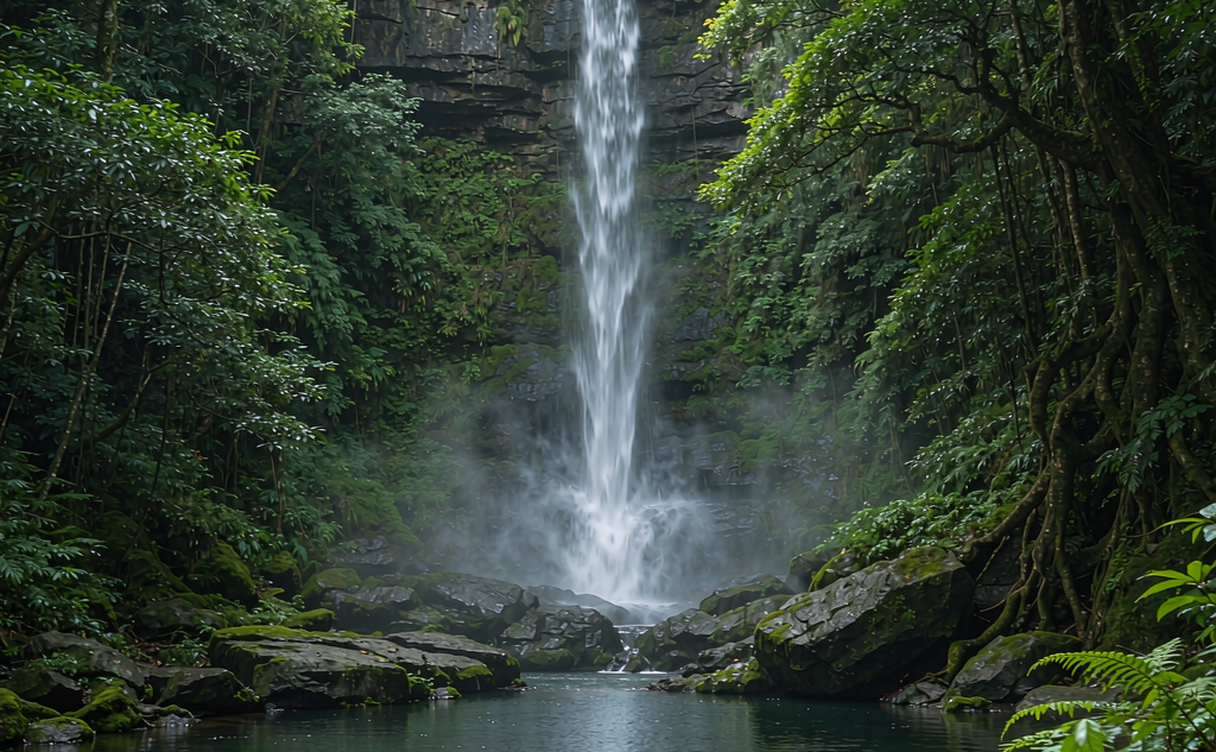
Tiantangzhai waterfalls are the first reward and the easiest to reach. From the base, a shuttle bus (included or RMB 28 in 2025) runs up to the waterfall zone, where a boardwalk follows a stream past a staircase of named falls: Jiuying Falls (九影瀑) at about 70 meters, Qingren Falls (情人瀑), and Xieyu Falls (泻玉瀑), among others. I walked the lower falls loop in about 90 minutes and it was the prettiest, wettest hour of the trip — constant spray, mossy stone, and no big climb. The path is well railed but slippery, so trail shoes matter more here than anywhere else on the mountain.
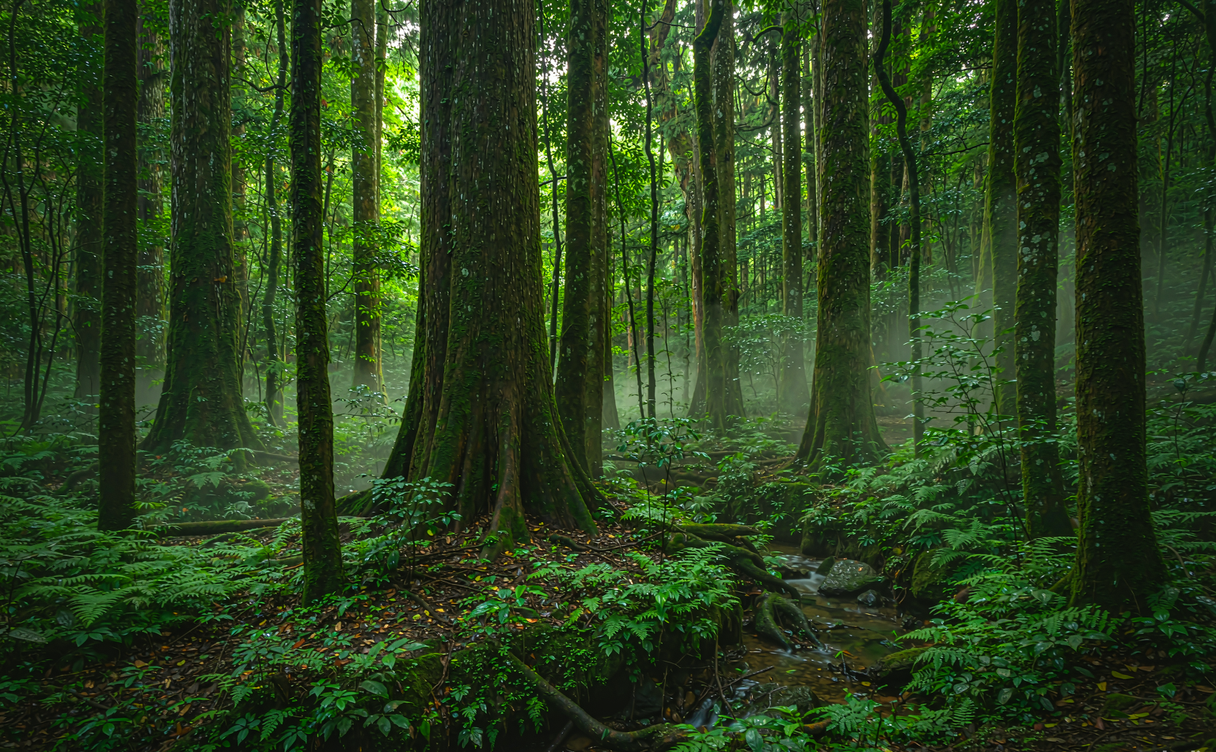
What we liked is that the falls are threaded through virgin forest, and because the gorge is shaded it stays cool even when the base town is warm. We have sent travelers here who only did the waterfall walk and called it a full day, which tells you how much there is in that one valley. Bring a light rain shell regardless of forecast; the canyon makes its own weather, and a shower rolled through both afternoons we were there. The higher you go, the more the forest opens into rhododendron slopes and the Dabie ridgeline comes into view.
Things to do at Tiantangzhai beyond the falls
Things to do at Tiantangzhai center on the climb to the summit. From the top of the waterfall zone you can hike up to the main peak (1,729 m) on foot — a stiff 3 to 4 hour climb — or take the cable car. In 2025 the scenic ticket was RMB 100 to 130 by season, and the cable car was RMB 60 to 70 one way, RMB 120 round trip. I took the car up and walked down the ridge, which gave me the summit view — a clean sweep across two provinces, with the Anhui and Hubei sides falling away below — without the full grind. On a clear October morning the summit had maybe 150 people, nothing like a Huangshan ridge.
The summit is also where the Tiantangzhai Dabie Mountains story lands: this was a guerrilla stronghold for centuries, and the cliff fort ruins up top are real, not rebuilt. A small museum at the base tells the modern history, including the 1947 crossing of the Dabie Mountains by the field army, if that interests you. For a slower day, the base town has a morning market with mountain fungus, chestnuts, and the local 小吊酒 liquor, and the evening 吊锅 — a hanging-pot hotpot of pork, tofu, and greens simmered at your table — is the meal to order (RMB 88 to 138 for two). We booked through Ctrip and paid with Alipay; the market stalls take WeChat, so keep both apps ready.
Where to eat and stay
Food at Tiantangzhai is hearty Dabie mountain cooking. The 吊锅 hotpot is the signature, and around the base town a full one with pork and chestnuts was RMB 98 to 138 in 2025. Also try Luotian chestnuts (罗田板栗), braised with chicken, and the dried-bamboo and wild-mushroom dishes that come from these slopes. A simple noodle or rice bowl in town was RMB 15 to 25, and the market fungus makes a cheap take-home. The mountain liquor, 小吊酒, is potent and local — a small flask was RMB 20 to 30, and worth a taste if you drink.
Stay at the base town is plentiful and good value. A clean hotel or guesthouse was RMB 150 to 300 a night in 2025, and the resort hotels near the gate run RMB 350 to 600 with breakfast. If you want an early start, sleep at the gate; if you want cheap and local, sleep in the old town 10 minutes down the road. Our China travel guide for first-timers has the payment and SIM notes that make a base-town evening easy, because you will be scanning QR codes more than handling cash.
A practical Tiantangzhai itinerary
Here is the two-day plan we used. Day one: train to Jinzhai, transfer to the base town, settle, market walk and a 吊锅 dinner. Day two: shuttle to the falls, walk the lower loop, cable car to the summit, ridge walk down, back for the evening bus or a second night. One long day covers the falls plus summit if you start at gate-open; two days lets you add the higher rhododendron trail and a relaxed morning. Spend was about RMB 800 to 1,100 a person excluding the intercity train, which is a bargain for a summit-and-falls stop.
The scenic area and its practical details are posted at the official Tiantangzhai tourism site (Chinese only) if you want the current ticket and shuttle times before you go, because the shuttle schedule shifts with the season and the weather.
Riding the train in? Book the Jinzhai seat the night before and catch the afternoon bus up, so you can be at the gate when it opens instead of chasing a late car.
Getting around and final tips
Inside the area, the shuttle bus is the only sane way up to the falls, and a hired car (RMB 200 to 300 a day) helps if you want the Hubei-side entrance or an off-route village. Carry cash for the smallest stalls, download offline maps because signal drops on the ridge, and pack a layer even in summer — the top was 12 degrees colder than the base when we were there. Tiantangzhai rewards an early start and good shoes: the falls are slick, the summit is exposed, and the red leaves wait for no one.
Want the summit without the grind? Take the cable car up and walk the ridge down, and you still get the two-province view for half the effort.
If you are building a Dabie route, Tiantangzhai pairs with the lower hills and old towns, and our China travel guide for first-timers ties the train hops together so the whole loop reads as one trip.
Planning a longer China mountains trip? Explore our other China guides to link Tiantangzhai with the plains and rivers into one smooth route before you book.