

This China traditional medicine travel guide is written for the curious traveler, not the patient in crisis. Over several extended trips I have tried acupuncture in Chengdu, sat through a tongue-diagnosis session in Hangzhou, and wandered the herb markets of Bozhou, and what I want to convey is how accessible and genuinely interesting Chinese medicine is as a cultural experience. A China traditional medicine tour is less about treating illness and more about understanding a 2,000-year-old framework for how the body, food and seasons are supposed to fit together.
Before anything else, a clear note: this article describes experiences you can book as a visitor. It is not medical advice, and nothing here replaces a doctor at home. With that said, the hands-on side of Chinese medicine — the smells, the rituals, the teas — is one of the most memorable things you can do in China.
Where to try TCM in China
The easiest and most legitimate place to begin is a public TCM hospital, where walk-in consultation clinics let you observe diagnosis in action. The best known is the affiliated hospital of the Beijing University of Chinese Medicine, but nearly every provincial capital has a reputable TCM hospital with an “experience clinic” for foreigners. A first consultation, including tongue and pulse diagnosis, typically costs 50–150 yuan, and a follow-up acupuncture session runs 80–200 yuan. These are real working hospitals, not spas, which is exactly why they are worth visiting.
For a more tourist-friendly introduction, Shanghai and Hangzhou both run excellent TCM museums attached to teaching hospitals, where you can watch a cupping demonstration and learn the logic of meridians without committing to treatment. If you are mapping a route, our China travel health prep guide covers practical wellness planning, and the China pharmacy and medical care guide explains how to read a prescription and find a legitimate pharmacy.
Acupuncture and what to expect
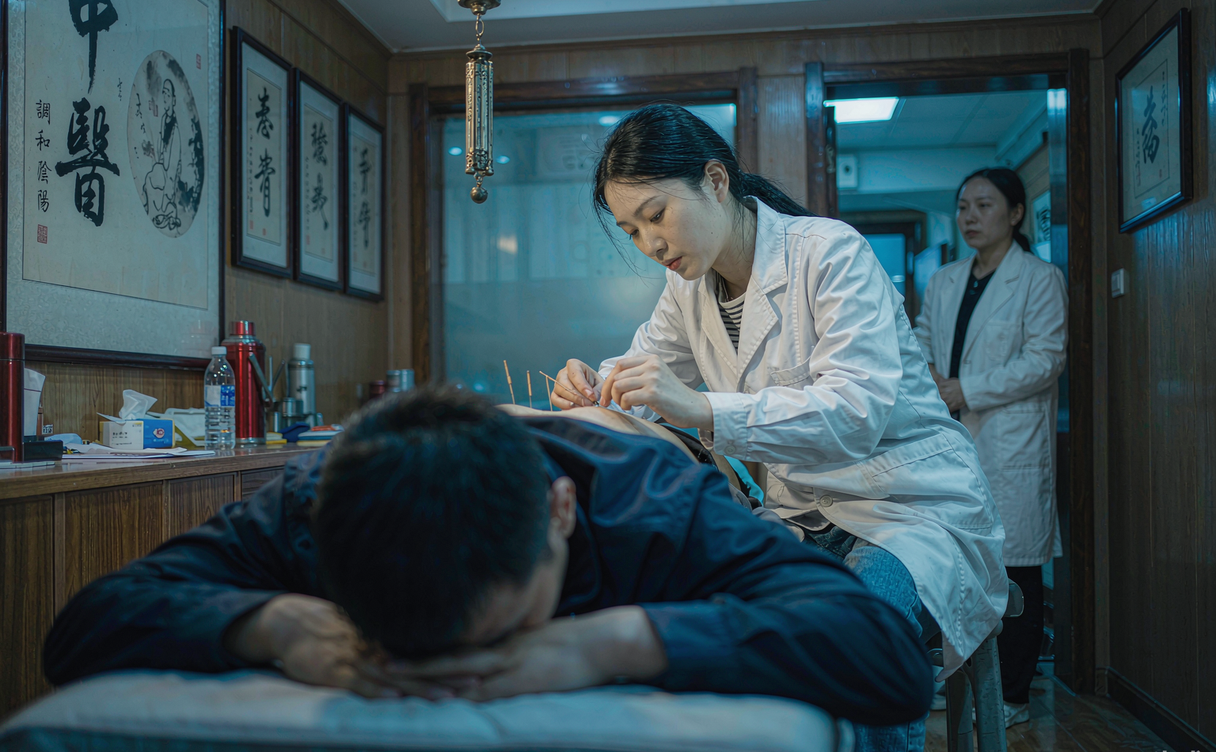
Acupuncture in China is refreshingly ordinary. You lie down, the practitioner wipes the points with alcohol, and a dozen hair-thin needles go in with a faint pinch — less painful than a blood draw, honestly. The room is usually shared, calm, and faintly herbal-smelling. A standard session lasts twenty to forty minutes, during which the needles do their work while you doze. I was skeptical before my first session in Chengdu for a stiff neck; an hour later the knot had visibly loosened, and the total bill was 120 yuan including the consult.
Cupping and gua sha are the other two experiences travelers seek out. Cupping leaves the famous round bruises and feels like a deep reverse-massage; gua sha is a scraping technique that looks alarming but is oddly soothing. Both are offered at most TCM hospitals and many massage studios, usually for 60–150 yuan. Ask for “zuantong” or show a photo if language fails — practitioners are used to curious foreigners.
Herbal medicine and the great herb markets
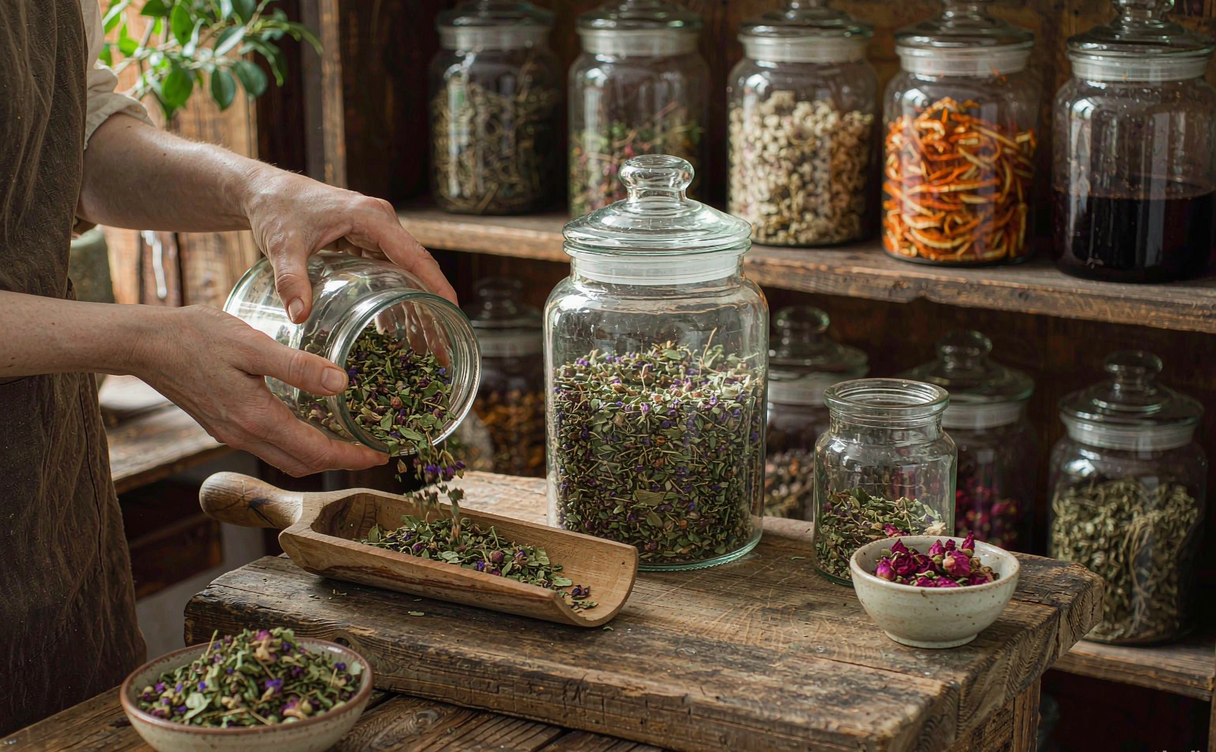
The sensory heart of Chinese medicine for travelers is the material culture: the dried roots, barks, fungi and shells stacked in thousands of drawers. The largest and most overwhelming is the Bozhou herb market in Anhui, a wholesale city where the air itself smells medicinal. Closer to the usual routes, the Qingping market in Guangzhou and the smaller dispensaries near Hangzhou’s Hefang Street let you watch a pharmacist weigh and fold a prescription by hand.
A custom herbal tea (yinzi) blended for your constitution costs 20–50 yuan at a neighborhood clinic, and sipping it in a courtyard is a lovely slow-travel moment. For travelers interested in the deeper wellness angle, our China wellness retreats guide lists hot-spring and meditation stays that pair naturally with a TCM consult, and the China slow travel guide makes the case for building your trip around restoring routines rather than ticking sights.
Best TCM clinics and the tourist trap to avoid
The best TCM clinics China offers for visitors are the university hospitals and the long-established city TCM hospitals — look for “Zhongyiyuan” in the name and a queue of locals, which is the only endorsement you need. Avoid the touts near major tourist sites who promise “famous doctor” sessions at inflated prices; a real clinic does not need a hawker. In Beijing, the Guang’anmen Hospital and in Shanghai the Shuguang Hospital both have foreign-friendly desks and English-speaking interns in summer.
If you want the experience wrapped in a calmer, more contemplative setting, some temple-adjacent retreats blend gentle medicine with quiet. Our China temple stay guide covers overnight stays where morning qigong and herbal meals are part of the rhythm, a soft landing for anyone nervous about a big-city hospital.
China wellness travel as a theme
Increasingly, travelers build entire trips around feeling better rather than seeing more, and China wellness travel is a real, bookable category. Think: a few days at a Hangzhou tea-mountain guesthouse with daily tai chi, an acupuncture tune-up, and herbal meals planned around the season. I did a version of this after a bruising work year and came home genuinely rested — the combination of slow mornings, bitter teas and quiet gardens does something a resort cannot.
Combine it with a hands-on food angle and you have a complete reset. The China cooking class guide shows how to learn medicinal-cuisine dishes — the “yao shan” tradition where goji, lotus seed and Chinese yam become dinner — which turns the abstract theory of Chinese medicine into something you can cook at home.
A word on what TCM actually is
For the traveler, it helps to know the broad strokes so the experience is more than mysterious ritual. Traditional Chinese medicine is a system built on concepts like qi (vital energy), yin-yang balance and the meridians, developed and written down over two millennia. It sits alongside, not in place of, modern biomedicine in China today. For a sober, well-referenced overview of its history and principles, the Traditional Chinese medicine entry on Wikipedia is a solid starting point before you go.
Practical tips before you go
A few things I wish I had known. Bring a translation app and, if you have a chronic condition, a short note from your home doctor describing it in plain terms — it helps the practitioner and avoids confusion. Do not stop prescribed medication to try herbs; practitioners in proper hospitals will tell you the same. Keep receipts, because some travel insurance covers consult fees if documented. And please, skip the “authentic wild” animal products you may be offered in back-alley shops; they are often illegal and always unethical, and no legitimate clinic sells them.
The language barrier is smaller than you fear. Most university hospitals have a foreign-patient window, and young interns love practicing English. I have had some of my most interesting conversations about health and philosophy lying on a treatment bed with needles in my ankles.
Chinese medicine, approached as culture rather than cure, is one of the most grounding things you can do in China. Sit for a pulse diagnosis, drink the bitter tea, watch the herb drawers close — and you will leave with a sharper sense of how a third of humanity has thought about the body for two thousand years. A China traditional medicine tour will not replace your doctor, but it might just change how you travel.