

This Suzhou garden hotels guide is the result of staying in nearly a dozen properties across the old canal city, and I will say it plainly: Suzhou, China offers some of the most atmospheric heritage lodging in the country, if you know which doors to knock on. The magic of a Suzhou garden hotel is that you do not just visit a classical garden by day and retreat to a featureless tower by night — you sleep inside one. The best properties are converted scholar’s residences and merchant courtyards where the rockery, moon-gate and lattice-window grammar of the World Heritage gardens is your private backdrop.
If you are wondering where to stay Suzhou without sacrificing either comfort or character, the answer is almost always a restored courtyard house in the Pingjiang historic district or just beside one of the famous gardens. That is the single decision that separates a forgettable trip from one you will describe for years.
Why a garden hotel beats a chain tower
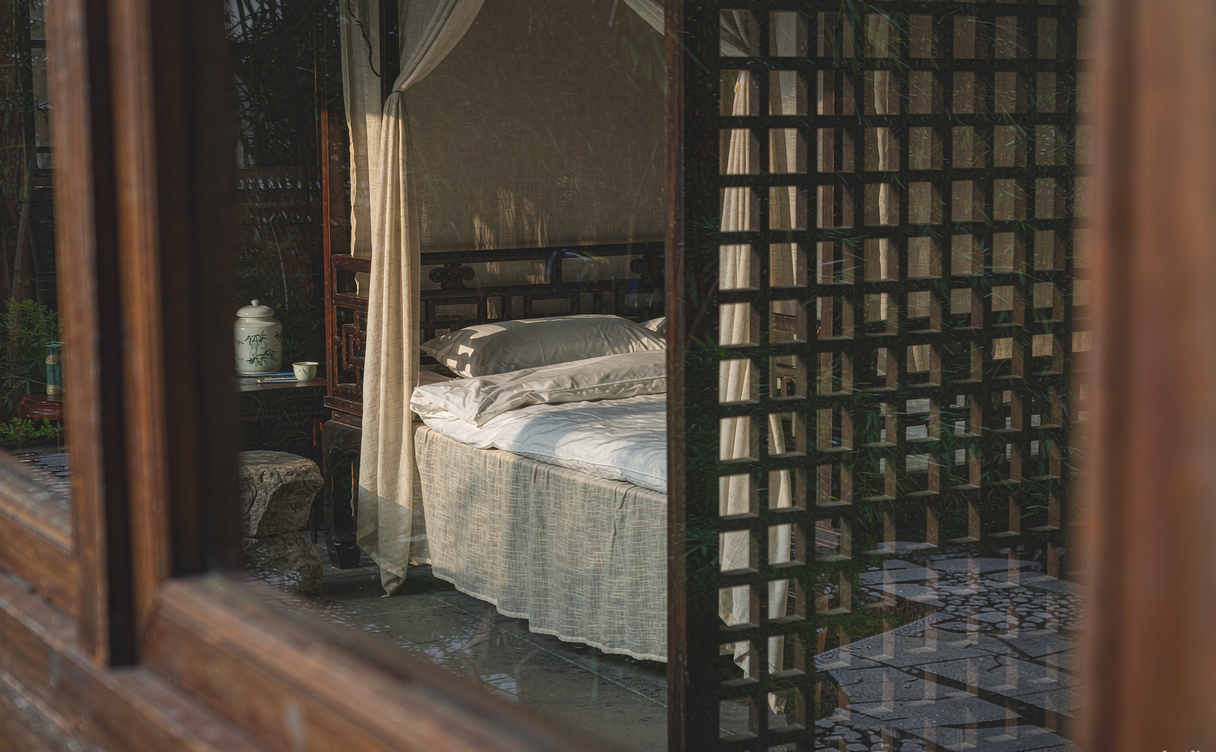
The ordinary visitor books a business hotel near the train station and commutes to the sights. The traveler who has done this before books a Suzhou classical garden stay and wakes to the sound of a wooden courtyard door creaking and a maid sweeping fallen magnolia petals into a brass pan. The difference is not luxury for its own sake; it is immersion. These buildings were designed around water and silence, with guest rooms opening onto small interior gardens where a single gnarled pine does more work than any hotel artwork.
I have stayed in both worlds, and the courtyard properties win every time for atmosphere. You trade a gym and a buffet for a teahouse nook, a koi pond and a host who will brew you Biluochun green tea from the nearby Dongting hills without being asked. For a first visit, that trade is more than fair.
The properties I actually recommend
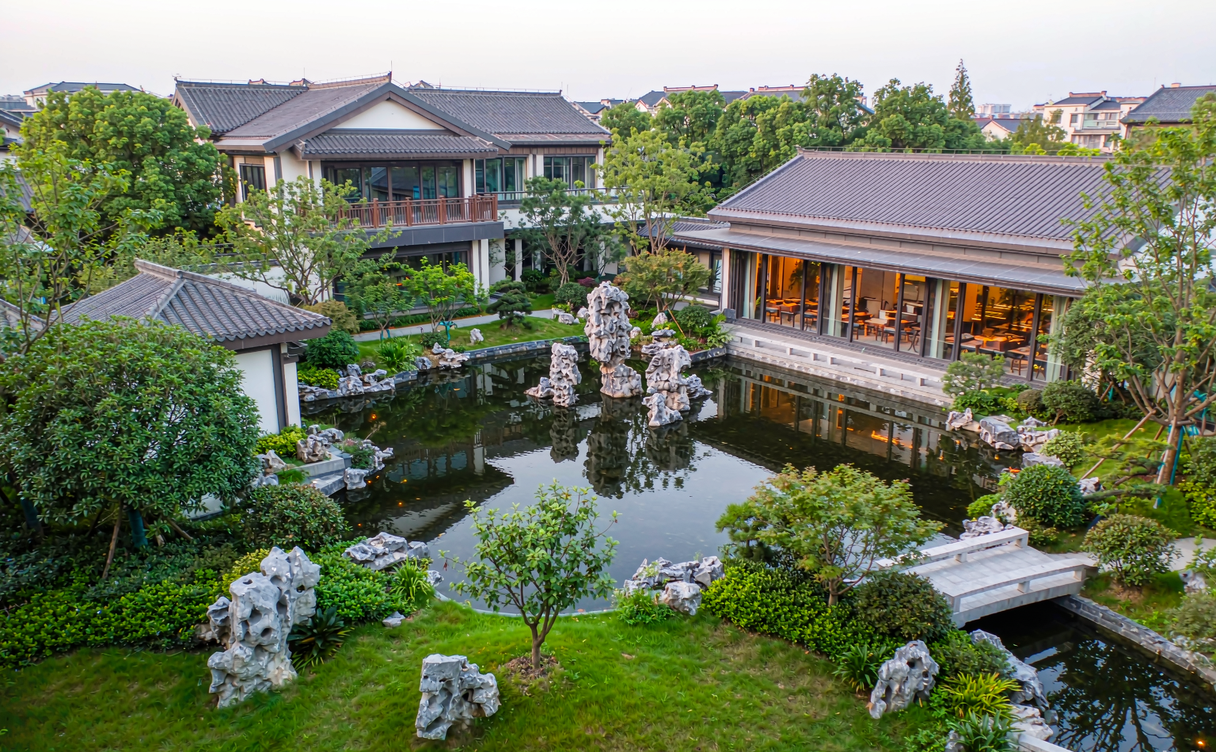
For a Suzhou heritage hotel with serious pedigree, the standout is a meticulously restored Qing-dynasty residence near the Humble Administrator’s Garden, where suites run from about 1,200 yuan on a weekday to 2,400 yuan in peak spring. The rooms wrap around a central pond, and the morning light through the carved windows is worth the price alone. A slightly more affordable option, around 700–1,100 yuan, is a boutique conversion in the Pingjiang lane area: smaller gardens, but you step straight out onto the stone canal street for breakfast noodles.
If your budget is tighter, a Suzhou boutique hotel tucked into a renovated lane house gives you the courtyard feel for 400–650 yuan, often with just six to ten rooms and a proprietor who hands you a hand-drawn map. I spent three nights in one such place and still remember the courtyard wisteria. For the full comparison across price bands and neighborhoods, our best hotels in Suzhou page ranks them by garden quality, not just star rating.
Location, location, location
The most important practical tip in this Suzhou garden hotels guide is to pick a base within walking distance of the gardens themselves. The cluster around the Humble Administrator’s Garden, the Lingering Garden and the Masters of the Nets Garden is walkable in fifteen minutes, and staying there means you can tour at 7:30 am before the tour buses arrive. The Suzhou Humble Administrator’s Garden is the obvious anchor, but the smaller Masters of the Nets garden is, for my money, the more romantic evening stroll.
Staying in the Pingjiang district also puts you near the canal boat piers and the best noodle shops. I always tell friends: do not stay out by the high-speed rail station unless you have an early departure. The twenty-minute taxi saves nothing compared to the atmosphere you lose. The wider context of where these courtyards sit within the city is covered in our Suzhou travel guide, which maps the historic core against the modern sprawl.
Seasons and what to book when
Spring (March to May) is peak for the gardens — peonies and azaleas, perfect light — but also peak for prices and crowds, so book your Suzhou accommodation at least six weeks ahead. Autumn (September to November) is my personal favorite: cool, clear, and the maple leaves in the gardens are spectacular, with rates about 20 percent lower than spring. Summer is hot and humid, and winter is cold but wonderfully empty; I once had a famous garden almost to myself on a February morning, which is its own kind of luxury.
Most heritage properties have only a handful of rooms, so availability is the real constraint, not price. If you want a specific courtyard suite, the best Suzhou garden hotel names get reserved months in advance for holiday weeks like National Day in early October.
How these hotels fit a wider trip
Suzhou is the natural complement to Hangzhou, just thirty minutes away by high-speed train, and the two cities make an easy week together. While Suzhou is about intimate classical courtyards, Hangzhou is about West Lake panoramas; our Hangzhou travel guide explains how to split your nights. If you fall in love with the courtyard concept, the same architectural tradition extends to Beijing hutongs and Anhui villages, and our China courtyard hotels guide collects the best across the country.
For travelers who want the deepest dive into restored architecture, the China heritage hotels guide lists converted temples, former embassies and scholar homes beyond Suzhou, useful if you are building a longer China itinerary around places to stay as much as places to see.
A note on the gardens themselves
It is worth understanding what you are actually sleeping beside. The classical gardens of Suzhou are a UNESCO World Heritage ensemble of nine sites, built over centuries as private retreats for scholar-officials, and they are studied worldwide as masterpieces of spatial design. You can read the official designation and the full list of component gardens on the UNESCO Classical Gardens of Suzhou page. Knowing that your hotel courtyard is part of a living tradition — not a themed reproduction — changes how you look at every window frame.
Practical tips for booking and staying
A few things I have learned the hard way. First, confirm whether “garden view” means a private courtyard or simply a window facing the public garden — the difference matters and is not always clear on booking sites. Second, these old buildings often lack elevators, so request a ground-floor room if stairs are an issue. Third, breakfast is usually a simple Chinese spread; if you want Suzhou’s famous noodle soup, step outside to a local shop rather than paying for the hotel western buffer.
Cash is unnecessary, but booking directly with the property by email or WeChat often unlocks a better rate than the international platforms, and sometimes a free upgrade in the low season. I have found that a polite message describing your trip almost always gets a warmer welcome than a faceless reservation.
Suzhou rewards the traveler who slows down, and there is no better way to slow down than to literally live inside a garden for a few nights. Choose your courtyard, silence your phone, and let the rockery and rain do the rest. A well-chosen Suzhou garden hotel turns the city from a checklist of sights into a place you genuinely inhabit.