

Why Lotus Mountain Guangzhou Is Our Half-Day Favorite
When travelers ask us for an easy escape from Guangzhou’s noise, we point them south to Lotus Mountain Guangzhou, in Panyu District. It is not a wilderness peak — the ridge rises only about 108 meters above the Pearl River plain — but it packs a working quarry cliff face, a riverside Guanyin statue, and summer lotus ponds into a walkable half day. This Lotus Mountain Guangdong guide is built from the runs we have done with families and layover travelers who wanted green space without leaving the metro network.
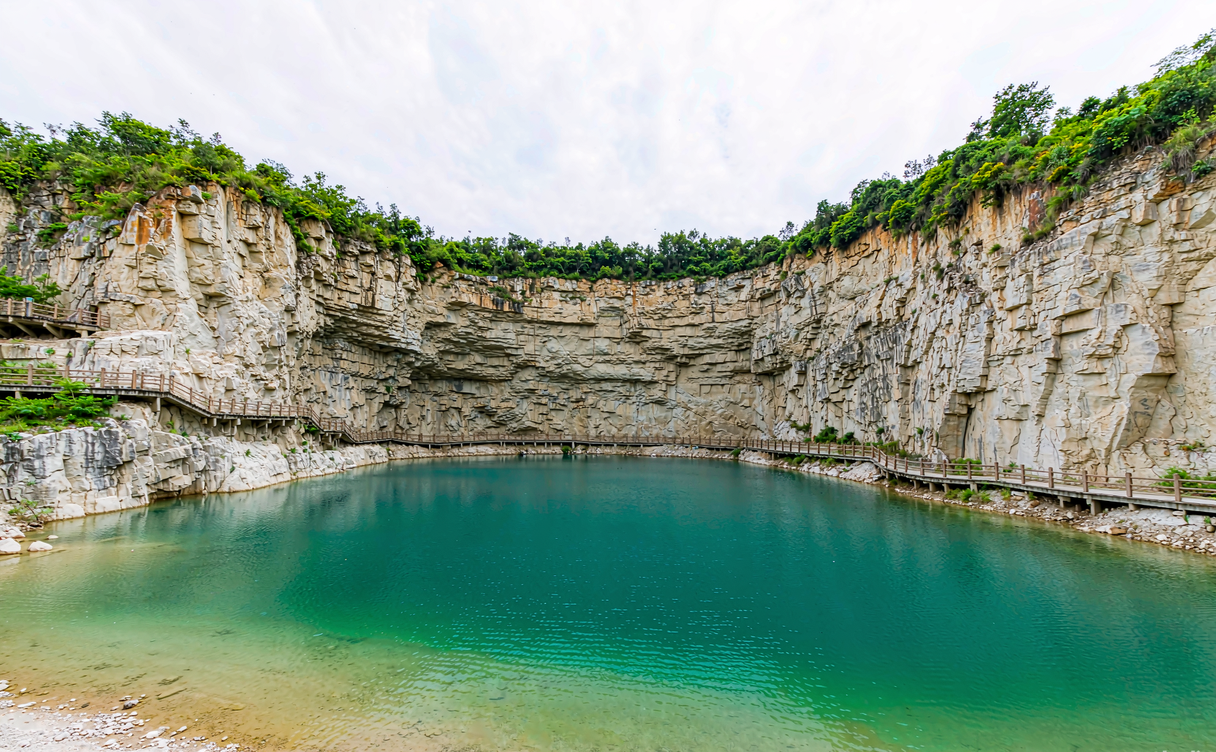
The site’s real story is stone. From the Ming dynasty, quarrymen cut pale granite here, leaving vertical walls and carved pillars that now read like sculpture. On top sits the 40.88-meter Sea-Watching Guanyin (望海观音), a bronze Kwan-yin statue that is one of the largest of its kind in South China and the reason many local visitors come.
How to Visit Lotus Mountain from Guangzhou
Getting here is the easy part, which is why we love it as a half-day add-on. From central Guangzhou:
- Metro — take Line 3 or 7 to Panyu Square, then a taxi or the Panyu bus to the mountain gate, about 20–30 minutes and ¥20–40 by taxi.
- Direct bus — tourist buses leave from the city’s main stations; allow 45–70 minutes depending on traffic.
- Taxi or ride-app from downtown — ¥70–120 one way, 40–60 minutes, more during rush hour.
We usually tell clients to pair the morning mountain with an afternoon dim sum run back in the city, because the two experiences define Guangdong in one day. Our Guangzhou dim sum guide lists the carts worth the detour.
Things to Do at Lotus Mountain
The scenic area is compact, so “things to do at Lotus Mountain” is really a gentle loop you can finish in 3–4 hours.
- Sea-Watching Guanyin statue — the 40.88 m bronze figure on the northeast cliff, with a plaza where visitors burn incense and circle the base. Go early; the light on the bronze is best before 10 a.m.
- Ancient quarry cliffs (古采石场) — the dramatic cut-stone walls and the “Lotus Stone” pillar left standing by the old quarrymen. This is the most photogenic corner and the one we always show first.
- Lotus pond and festival — in summer (June–August) the lower ponds fill with lotus blooms, and the park runs a lotus festival with evening lights.
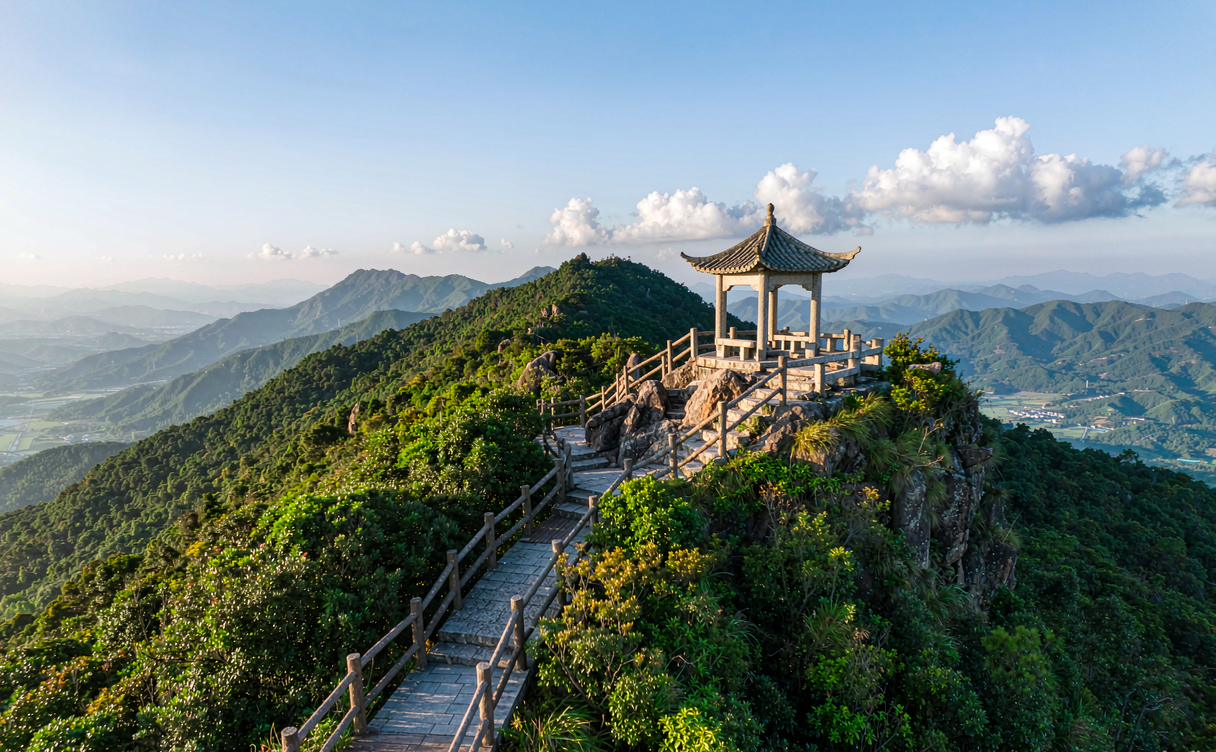
- Lion Rock and the ridge walk — a short paved loop along the top with river views toward the Pearl Estuary; easy for kids and grandparents.
- Flying Eagle Trail and gardens — shaded paths and seasonal flower beds that fill the slower hours.
None of this is strenuous. We have taken travelers in their seventies around the full loop without trouble, and there is a sightseeing cart (¥10–20) for anyone who wants to skip the gentle climbs.
Lotus Mountain Tickets and On-Site Costs
Current 2026 pricing we quote:
- Lotus Mountain tickets: ¥50–54 for adults; children under 1.2 m and seniors over 65 with ID often enter free or half-price (¥27).
- Sightseeing cart: ¥10–20 per ride, useful for the gate-to-summit stretch.
- Incense and offerings at the Guanyin plaza: ¥10–30 if you take part.
- Parking: ¥10–20 for the day.
Buy at the gate or through the park’s mini-program; foreign cards are unreliable on the app, so keep some cash. There is no separate charge for the quarry or the statue — one ticket covers the loop. If you want to extend the day with a proper meal, our Guangzhou food guide maps the nearby Panyu restaurants better than the overpriced gate stalls.
Best Time to Visit Lotus Mountain
The best time to visit Lotus Mountain is March to May and October to November, when the humidity drops and the gardens are in color. We send people in June–August specifically for the lotus festival, but warn them to come at open (8 a.m.) and leave by noon, because Guangdong summer afternoons are hot and thundershowers hit hard. Winter is mild and quiet, good for the statues without crowds. We avoid the first week of May (Labor Day) and the National Day week in October, when the plaza gets packed.
Where to Sleep and Nearby Bases
Most visitors day-trip from Guangzhou, but if you want to stay closer, Panyu has mid-range hotels at ¥250–450 per night and the city’s business districts are a short metro ride north. For travelers continuing to the special economic zone, the best hotels in Shenzhen cover the next stop on the line, and the Xiamen seafood guide is the coastal plan if you keep heading east.
Everything here is bookable now: tickets at the gate, carts on demand, and the plaza never requires a reservation. We lock nothing in advance except, occasionally, a Panyu hotel for families. After Guangdong, a very different landscape waits in our Guilin travel guide if you want karst instead of quarry stone.
A Sample Half-Day Itinerary
We run this loop for layover and cruise travelers out of Guangzhou:
- 8:00 a.m. — metro to Panyu Square, then taxi to the gate; arrive around 8:40 with the park at its clearest.
- 9:00–10:30 — the ancient quarry cliffs and the Lotus Stone pillar first, when the light rakes the cut stone, then climb to the Guanyin plaza.
- 10:30–11:30 — the ridge walk and the seasonal gardens, with the sightseeing cart back down if legs are tired.
- Noon — exit and taxi to a Panyu dim sum house; our Guangzhou dim sum guide lists the ones worth the short ride.
That leaves the afternoon free for the city or the train out.
Tips, Safety and the Lotus Festival
Lotus Mountain is stroller- and wheelchair-friendly on the main loop, and the cart covers the one real incline, so we send families with small kids without worry. At the Guanyin plaza, incense is offered respectfully — buy a small bundle at the official stall rather than the pushy vendors outside the gate. The summer lotus festival (roughly June–August) adds evening light installations and blooms, but the ponds are best photographed at 8–9 a.m. before the heat. We steer clients away from the first week of May and early October, when the plaza and the narrow quarry paths get congested. There is no real altitude or wildlife risk here; the only thing to watch is the Guangdong sun, so a hat and water matter more than boots. One more note for photographers: the quarry’s cut pillars throw long shadows at golden hour, and the plaza empties after 4 p.m., so a late-afternoon visit gives you the statues and stone without the midday tour groups. If you want a fuller day, the Baomo Garden (宝墨园) in Panyu is a 30-minute drive and pairs the mountain’s stone with a classic Lingnan water garden.
You can read the religious background of the site’s centerpiece on the Guanyin (Wikipedia) page, which explains the bodhisattva of compassion the statue represents.