

Picking the best hotels in Shenzhen starts with accepting that the city is barely forty years old and built to show off. The skyline in Futian and Luohu is the draw, but the families come for the resorts and the theme parks, and the business travelers come for the towers by the convention center. Our Shenzhen travel guide lays out the districts, and the hotel question follows from there: where to stay in Shenzhen depends on whether you are here for the view, the kids, or the border crossing. Below is a concrete shortlist by type and price, drawn from places we have booked for visitors.
The luxury tier sits in Futian and along the coast at Dameisha. The St. Regis Shenzhen and the Ritz-Carlton Shenzhen anchor the CBD with club floors and serious spas; the Mandarin Oriental and the Four Seasons sit close to the shopping and the civic square. Out east, the Dameisha area holds resort-style luxury with a beach you can actually walk to, a rare thing in this part of the country. Expect roughly ¥1,400 to ¥3,500 per night, with the sea-view rooms at the top of that range. We recommend the Futian towers for first-timers who want the metro at the door, and the coast for a slower second half of the trip. Luxury hotels Shenzhen lists almost always open with these names, because the views are genuinely the point.
If a theme park is your anchor, stay near it. The Shenzhen Window of the World and the adjacent Happy Valley sit in the west of the city, and a handful of mid-range hotels put you a short taxi ride from the gates. Best family hotels Shenzhen, though, point to the eastern resorts: the Dameisha InterContinental and the nearby family resorts run ¥1,200 to ¥2,400 and put a pool and a sand beach between the kids and the city noise. Our Shenzhen Window of the World guide explains the ticket tricks that make a park day run smooth, and a hotel nearby means you can bail at nap time without a long haul back.
For travelers watching the budget, the mid-range chains are reliable and foreigner-friendly. Atour, Ji Hotel, and Courtyard by Marriott line the Metro Line 1 and Line 4 corridors for ¥350 to ¥800, with consistent Wi-Fi and English signage at the desk. The Luohu area, by the old border crossing, has the most guesthouses and the cheapest rooms, while the North Station cluster suits bullet-train arrivals from Guangzhou or Hong Kong, China. We put budget-minded visitors in Futian near the convention center, because the metro reaches every park and the breakfast streets are better there than in Luohu.
Shenzhen boutique hotels cluster in the OCT Loft arts district and along the Seaworld waterfront in Shekou. Small design hotels here run ¥600 to ¥1,400, with strong coffee, weak elevators, and a creative crowd downstairs. The Shekou waterfront suits longer stays and ferry access; the OCT Loft suits nightlife and the younger set. We like these for second visits when the towers are done and the point is to live the city a bit. The service is looser than at the chains, but the location is the draw, not the concierge.
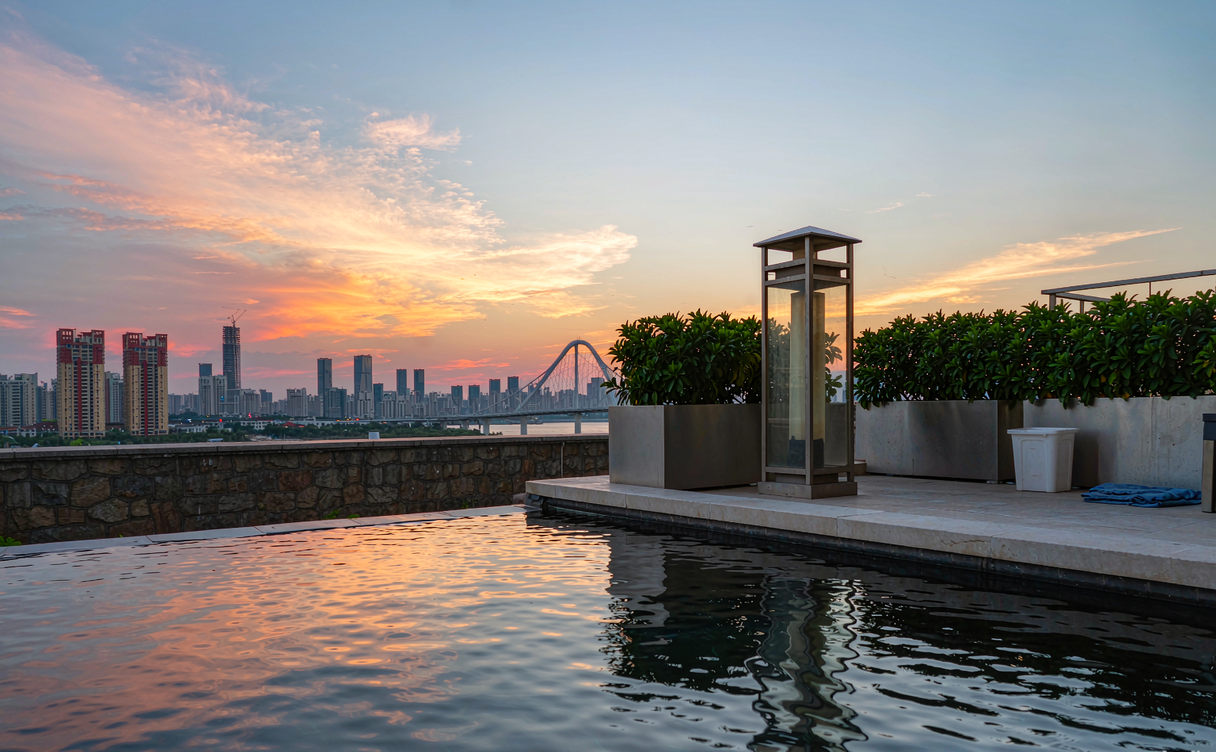
For families, the eastern resorts are the safe call. The Dameisha InterContinental has a proper kids’ club and a beach that does not require a taxi, and the neighboring resort hotels share the same sand with slightly lower rates. We recommend a two-night block here rather than commuting from Futian, because the resort days are long and the children are done by evening. For a city-based family stay, the Futian towers with club floors give parents a quiet lounge while the kids burn off energy in the mall below. Family hotels Shenzhen shortlists that ignore the coast usually regret it once the heat lands.
Shenzhen hotel areas each have a job, and the mistake is trying to do all of them from one base. Futian means business and the metro; Luohu means the border and cheap rooms; Shekou means the ferry and quiet nights; Dameisha means the beach; the park district means the kids. We coach visitors to pick the district that matches the days ahead, then move if the plan changes, because a twenty-minute metro ride beats an hour of expressway traffic at rush hour. Shenzhen is compact by Chinese standards, but the crossings still eat time.
Getting around is easier than the size suggests. The metro reaches Futian, Luohu, Shekou, and the airport on a single tapped card, and the signs carry English, so a first-timer can navigate without a guide. The Shekou ferry to Hong Kong, China also leaves from a metro stop, which is why we tell border-hoppers to stay on that line rather than in landlocked Futian. Taxis are cheap for late nights when the trains close, but the subway covers most days and spares you the expressway jams.
A practical note on the border, since many visitors use Shenzhen as a launch point. The city connects by metro and ferry to Hong Kong, China, and plenty of families combine the two. If that is your plan, our separate Hong Kong, China Disneyland guide covers the park and the cross-border logistics, and a Shenzhen base can be cheaper than staying on the Hong Kong, China side for the whole trip. Book the Shenzhen room with the crossing in mind, and keep your passport handy for both the hotel and the border, because both check it.
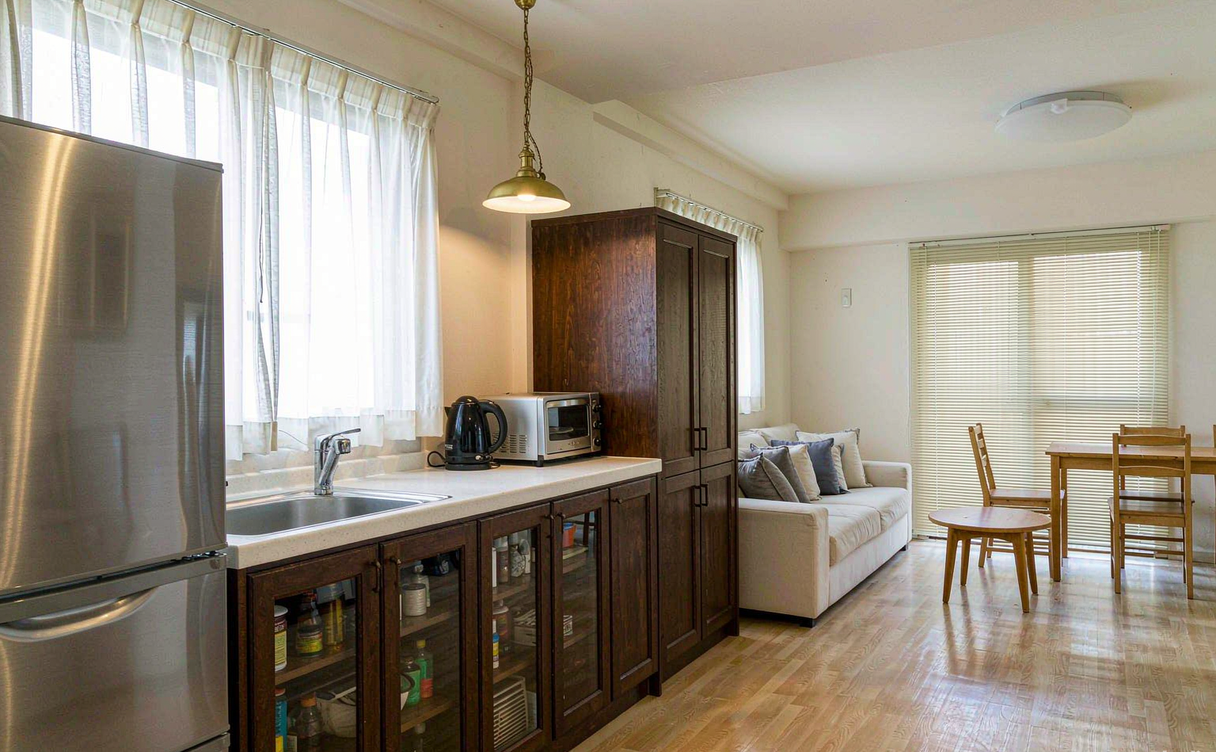
Long stays deserve their own category. The city fills with project workers and relocating families, and the serviced apartments answer that need with kitchenettes and weekly cleaning. Our China serviced apartments guide explains which buildings welcome foreign guests and which quietly do not, a gap that matters when you are staying a month. Rates run ¥500 to ¥1,200 a night by the week, and the savings over a hotel add up fast. We recommend these for anyone working a Shenzhen assignment or traveling with small children who need a real kitchen.
The airport corridor is its own small market. Shenzhen Bao’an International Airport has a few reliable chain hotels within a free shuttle ride, roughly ¥600 to ¥1,100, useful for a late arrival or a dawn departure before the metro opens. Book these as a buffer, not a base, unless transit is genuinely your whole plan, because the corridor is dull and the terminal area thins out after dark. Shenzhen airport hotels make sense the night before an early flight to Chengdu or Xi’an, when a city-center alarm call would mean a 45-minute drive.
The rapid growth of Shenzhen from fishing villages to a megacity is well documented on the Shenzhen page on Wikipedia, useful background before you wonder why the skyline looks so new. Knowing the city’s age explains the wide roads, the planned districts, and the fact that the “old town” here is younger than most hotels in Beijing.
A note on payment, since it trips people up. Most luxury and mid-range desks take Visa and Mastercard, but the boutique inns in OCT Loft often prefer a Chinese payment app, and some ask for a deposit in yuan. Link Alipay to your home card before you fly, and keep a little cash for the guesthouses that still run old terminals. The front desks see foreign guests daily and will walk you through it, but a plan beats a puzzled stare at midnight.
In the end, the best hotels in Shenzhen are the ones that fit the rhythm of your days: a Futian tower for the view and the metro, a Dameisha resort for the kids and the sand, a serviced apartment for the long haul. We have watched travelers pay premium tower rates and never look out the window, and others take a ¥400 room near a food street and call it the best trip of their lives. Match the room to the plan, ride the metro, and let the skyline be the bonus rather than the reason.