

On my last trip through Shanghai and Chengdu, I realized the China craft cocktails scene had quietly grown into something world-class. I’m not talking about the sugary “Long Island” pitchers you stumble into near tourist bars — I mean bartenders who age their own vermouth, forage osmanthus and Sichuan pepper, and build drinks around baijiu the way a Tokyo master builds around shochu. Over the past three years I’ve sent clients to speakeasies in restored lilong lane houses, rooftop lounges above the Bund, and basement dens in second-tier cities that would hold their own in London or New York. This China mixology guide is the result of those nights out: real places, real prices, and honest notes on what’s worth your time when you’d rather sip something thoughtful than chase a loud club.
Why China’s cocktail scene punches above its weight
Ten years ago, “cocktails in China” meant a neon-lit lobby bar pouring blue lagers and overpriced mojitos. That changed faster than most visitors expect. The country now hosts several bars on Asia’s 50 Best Bars list, and on my 2024 Chengdu trip I counted four new speakeasies that opened within six months of each other. The talent is real: many head bartenders trained in Singapore or Sydney before returning home, and the ingredient shelf is unlike anywhere else on earth.
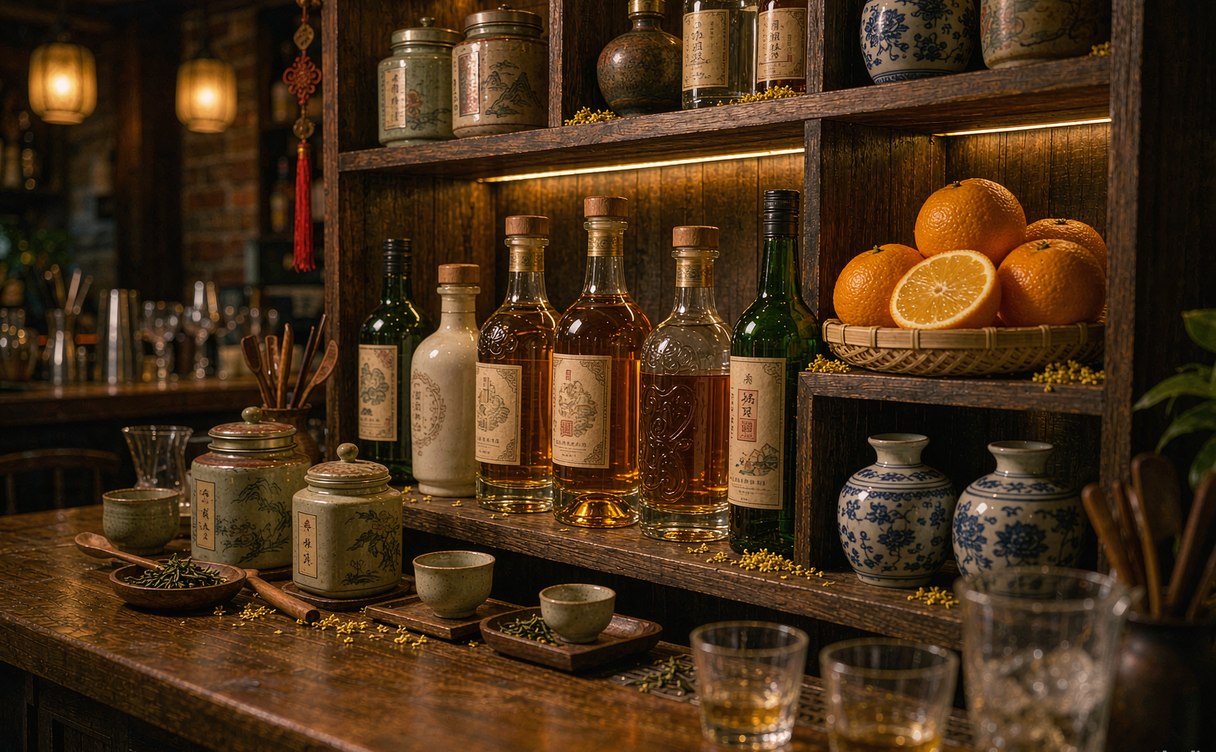
What makes the best cocktail bars in China special is the local pantry. You’ll find bartenders infusing Lapsang souchong smoke into gin, clarifying soy milk for a savory flip, or building a highball on aged baijiu instead of whisky. On a rainy Tuesday in Hangzhou last autumn, I watched a bar team serve a “West Lake” sour using lotus root syrup they’d reduced that morning. The drink cost ¥88 (about US$12) and was one of the ten best things I tasted all year.
If you want the full picture of where to drink after the cocktails, pair this with our China nightlife bar guide for clubs and live-music rooms beyond the cocktail circuit.
Shanghai: the obvious start, and rightly so
Shanghai is the safest bet for a first-time craft cocktail traveler. The cluster around the former French Concession — particularly Fenyang Road, Yongkang Road’s quieter side streets, and the lanes off Julu Road — packs more quality per block than anywhere else I’ve been in the country.
My personal routine: start at a tiny spot on a converted lane house balcony around 8pm, order one “house signature” and one baijiu drink to compare. Expect to pay ¥80–¥140 per cocktail in serious bars; the famous ones near the Bund run ¥150–¥220, and yes, a few charge a cover or minimum on weekends (¥100–¥200, often redeemable against your bill). Reservations matter — I learned this the hard way when a Sichuan-pepper old fashioned bar turned me away at 9:30pm on a Saturday. WeChat mini-program booking is standard now; ask your hotel concierge to grab a slot.
For Shanghai craft cocktail bars specifically, the magic is in the “hidden door” format. One place I love has no sign, just a vintage fridge on a residential block; you message a number, they buzz you in, and you descend into a room of 14 stools. The menu changes seasonally — I had a chrysanthemum-and-baijiu negroni there in November that I still think about.
The baijiu question: don’t skip it
If you only drink foreign spirits, you’ll miss the most interesting part of the China bar hopping guide. Baijiu is the national liquor — a distilled grain spirit that ranges from light and floral (fenjiu style, around ¥80 a bottle at a shop) to ferociously aromatic (strong-aroma styles like Luzhou Laojiao, ¥200–¥600 for a decent bottle). Straight, it’s an acquired taste. In a cocktail, it’s revelatory.
The best baijiu cocktails I’ve had use the lighter, 38–42% ABV versions as a base, balancing the funk with citrus, honey, or spice. On my Chengdu trip, a bar called their baijiu sour “Panda’s Breath” — erguotou, yuzu, basil, and a saline rim — and it was ¥78 and gone in three minutes. If you want to understand the spirit before you drink it, start with our China baijiu guide, which explains the aroma categories and how to order without embarrassing yourself.
A word on etiquette: in China, baijiu is usually a group toast drink, not a solo sipper. Cocktail bars have loosened this, but if you’re at a table with locals, the ganbei (bottoms up) reflex still applies to shots. Cocktails let you dodge that pressure gracefully — order a “baijiu-based” drink and you’re participating without the 52% volume hit.
Beyond Shanghai: Chengdu, Beijing, and the second-tier surprise
Chengdu might be my favorite cocktail city after Shanghai, precisely because it’s cheaper and looser. A great drink here runs ¥55–¥95, the staff will happily chat about their house tinctures, and the Sichuan pantry — peppercorn, dried chili, preserved plum — makes for wild, delicious experiments. On my last visit I did a three-stop crawl: a tea-infused bar near Taikoo Li, a vinyl-listening den in the east of the city, and a basement spot where the “menu” was a handwritten list of six daily specials. Total for the night, including a late noodle run, was under ¥400.
Beijing’s scene centers on the hutongs. The best bars hide behind unmarked courtyard doors in Dongcheng and Xicheng, and the Great Leap Brewing area has spawned a cluster of cocktail-brew hybrids. Pair your drinking with our China craft beer guide if you want to alternate pints and pours.
Planning a bar crawl across multiple cities? Book your hotels within walking distance of the lane-house districts — in Shanghai’s French Concession and Chengdu’s Jinjiang area you can hit four excellent bars on foot in one evening, which saves on Didi rides and keeps your night safer. Our China nightlife bar guide maps the safest zones by district.
Don’t overlook second-tier cities. On a work trip to Kunming I found a rooftop bar serving pu-erh whisky sours at ¥45; in Xi’an, a cave-themed spot near the city wall mixed hawthorn and baijiu for ¥60. The China mixology guide rule I’ve developed: if a city has a good coffee or tea culture, its cocktails will probably surprise you. Speaking of which, our China coffee culture guide and bubble tea and milk tea guide will point you to the neighborhoods where young, ingredient-obsessed owners tend to open.
Practicalities: money, apps, and timing
Bring Alipay and WeChat Pay linked to an international card — most serious cocktail bars are cashless now, and a few only take scan-to-pay. Happy hour is rare in top speakeasies (they don’t need it), but mid-tier bars often run 5–8pm deals of ¥10–¥30 off. Last call is usually 1:30–2am in Shanghai and Beijing, later in Chengdu.
Dress is smart-casual; the famous bars near the Bund may turn away shorts and flip-flops after 9pm. Tipping isn’t expected. If a bar asks for a reservation deposit via WeChat, that’s normal — ¥50–¥100 per person, refunded against your bill.
For a splurge dinner before drinking, the same cities that lead cocktails also lead fine dining. Our China Michelin and Black Pearl dining guide lists the tasting-menu spots worth building a night around.
A note on the spirit’s roots
If you want to go deeper on baijiu’s place in Chinese drinking culture, the Wikipedia entry on baijiu is a solid primer on its distillation history and regional styles before you order your first baijiu-based cocktail.
How I’d spend one perfect cocktail week
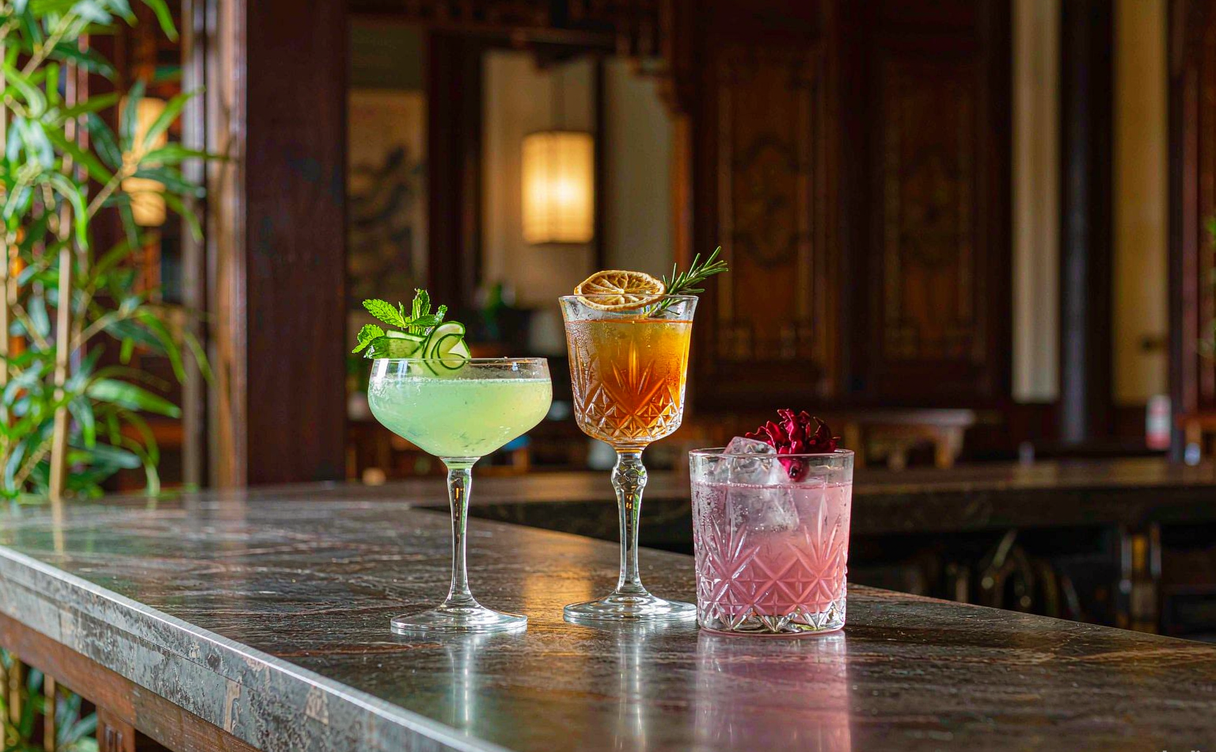
If I had a week and wanted the best of it: three nights in Shanghai (French Concession speakeasy, a Bund rooftop, a baijiu specialist), two in Chengdu (a tea bar and a Sichuan-pepper den), and one in Beijing (a hutong courtyard bar). That’s roughly ¥1,200–¥1,800 in drinks across the week if you’re doing two-to-three a night, not counting food. I’ve run this exact route with first-timer clients and it never disappoints.
New to the scene and worried about language barriers? Download the bar’s WeChat mini-program before you go and screenshot the drinks you want — most bartenders read English menus, but showing a photo of the “baijiu sour” removes all confusion. Our China nightlife bar guide lists which venues post English menus.
My honest takeaways
China’s craft cocktail world rewards curiosity. The worst thing you can do is stick to hotel lobbies and “international” bars; the best nights I’ve had were in unmarked doors found by wandering and asking. Learn two words — “teshu” (signature) and “baijiu” — and you’ll unlock most menus. Prices are still a fraction of Tokyo or London for comparable quality, and the ingredient storytelling is unmatched.
On my most recent trip, a bartender in Shanghai poured me a free “mistake” drink — a failed clarification of a soy-milk punch — just to show me the process. That generosity is the real heart of the China craft cocktails movement, and it’s why I keep coming back.
Ready to build a drinking-focused itinerary? Start with our China baijiu guide to understand the base spirit, then layer in the city bar maps from our China nightlife bar guide so you always have a great last stop within a short walk of your hotel.
Whether you’re a serious spirits nerd or just someone who wants one memorable drink on a trip, China’s bars will surprise you. Go in with an open mind, a charged phone for mini-program bookings, and a willingness to point at the weirdest item on the menu. The China bar hopping guide I’ve built over dozens of nights out says the same thing every time: the hidden door is always worth opening.