

Few things signal “you are really in China now” like the first time a staff member slides a sealed plastic cup across the counter and you realize the drink in your hand costs less than a bottle of water back home but tastes better than anything at a Western chain. This China bubble tea guide is built from years of watching foreign travellers freeze at the ordering screen, mis-tap a sweetness level, and end up with a lukewarm overly-sweet mystery. We’ve sent hundreds of clients through Chinese tea shops, and the difference between a great cup and a forgettable one almost always comes down to knowing the menu grammar before you queue.
Why Bubble Tea Matters to Travellers
In China, milk tea (奶茶, nǎichá) is not a treat — it is a daily routine, a meeting point, and a cheap way to stay hydrated while walking a city for ten hours. The market is enormous and genuinely competitive: a mid-tier cup runs ¥12–22 (US$1.70–3.10), a premium fruit tea ¥18–32 (US$2.50–4.50). For the price of a coffee you get something cold, customizable, and sold on almost every block from Hangzhou to Harbin. If you are planning a broader China tea tour guide route, the modern milk-tea shop is the most accessible face of the country’s tea culture.
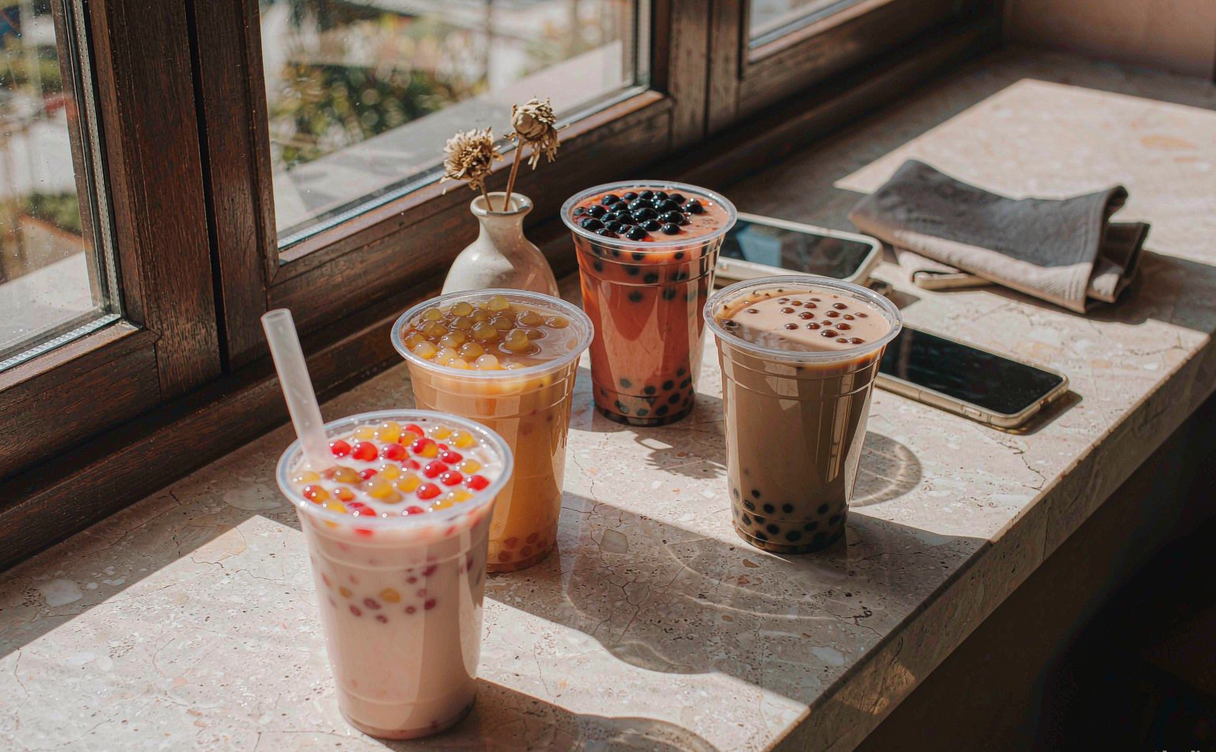
The drink itself is simple to explain and endlessly variable. “Bubble tea” in the Western sense usually means black tea with milk and tapioca pearls (boba). In China the category is wider: milk tea, fruit tea (果茶, guǒchá), cheese-foam tea (芝士奶盖, zhīshì nǎigài), and brown-sugar boba (黑糖珍珠) are the four pillars you will actually order.
Best Bubble Tea Chains in China
You do not need to hunt for a hidden gem. The big chains are consistent, accept app orders in English-friendly interfaces, and rarely disappoint. Our clients default to these:
- HeyTea (喜茶). The fruit-tea pioneer. Their grape, peach and cheese-foam green tea are reliable. ¥18–32 (US$2.50–4.50).
- Nayuki / NEO (奈雪的茶). Soft cheese tops, big “tea plus soft bread” combo stores. ¥20–34 (US$2.80–4.80).
- ChaPanda (茶百道). The value leader, everywhere in second-tier cities. ¥10–18 (US$1.40–2.50).
- COCO (都可) and YiDianDian (一点点点). Reliable old hands, strong milk-tea base. ¥9–18 (US$1.30–2.50).
- Luckin (瑞幸) and Mixue (蜜雪冰城). Mixue is the ultra-cheap king at ¥4–8 (US$0.60–1.10) for a basic milk tea; Luckin’s coconut latte-adjacent drinks are decent.
Regional players matter too: Gongcha (贡茶) holds strong in the south, and Auntea Jenny (霸王茶姬) has exploded across the west with a tea-forward, less-sugary style closer to a proper brew. If you want the older, seated ritual rather than a to-go cup, our China tea house guide explains where to slow down.
How to Order Milk Tea in China (the App Way)
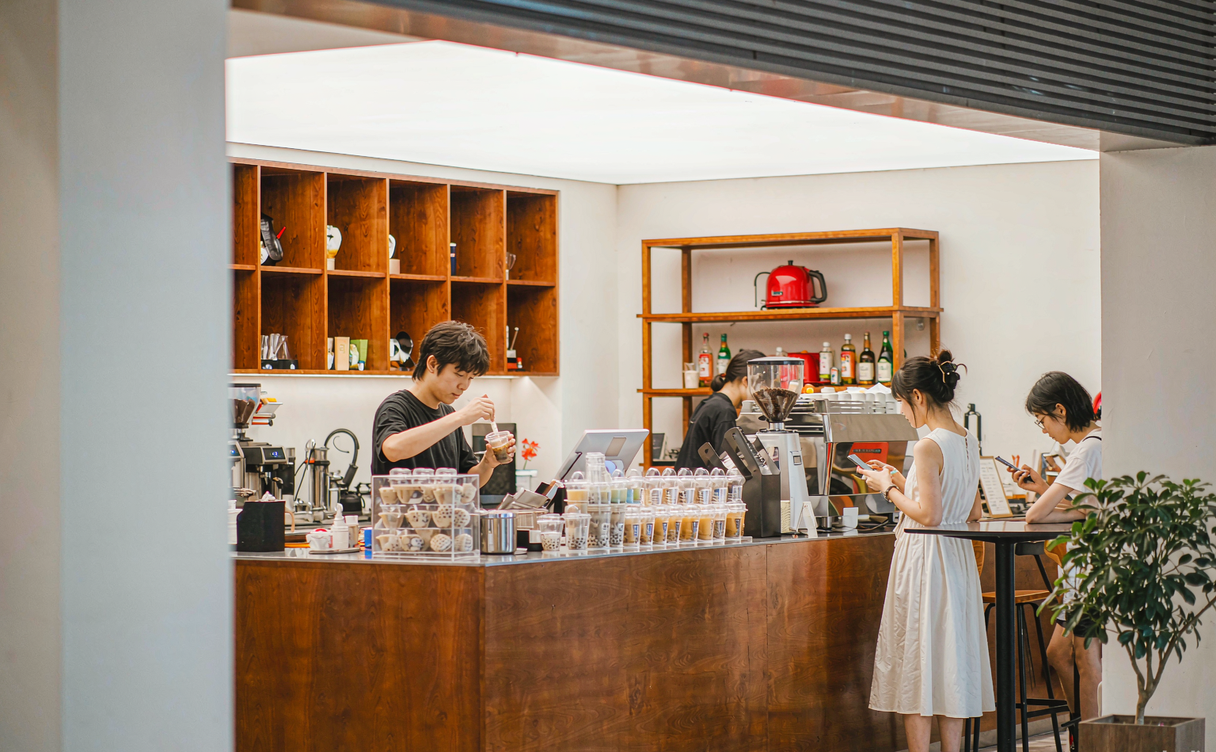
The single biggest tip in any China bubble tea guide: order on the app, not at the counter. Almost every chain runs its own mini-program inside WeChat or Alipay. You pick the store, build the cup, pay, and get a pick-up number — no Chinese speaking required, and no risk of the cashier mishearing “less sugar.” For the payment and app setup that makes this possible, see our China travel apps guide.
If you must order at the counter, learn these four choices:
1. Sugar level (糖度). Options: 全糖 (100%), 七分 (70%), 五分 (50%), 三分 (30%), 无糖 (0%). Most foreigners want 五分 or 三分 — Chinese standard sweetness is brutal.
2. Ice (冰量). 正常冰, 少冰, 去冰 (no ice). In winter, 去冰 or 常温 (room temp) is normal.
3. Toppings (小料). 珍珠 (pearls/boba), 椰果 (coconut jelly), 红豆 (red bean), 布丁 (pudding), 仙草 (grass jelly). Pearls add ¥1–3.
4. Size. Most shops are one size; some offer 大杯 (large) for ¥2–4 more.
The cup arrives sealed with a film lid — you punch the wide flat straw through it. Do not look for a straw hole; jab the centre.
Cheese Foam and Fruit Tea: The Chinese Specialties
Two drinks deserve special attention because they rarely exist done this well abroad.
Cheese foam tea is a cold brew or fruit tea under a cap of lightly salted, whipped cream-cheese foam. You sip through the foam then the tea — salty-creamy meets tart. Order it 去冰 with less sugar; the foam is rich. HeyTea and Nayuki do the best versions.
Fruit tea is where China honestly beats the rest of the world. Whole grape, yuzu, blood orange, and seasonal mango or bayberry are shaken with real fruit and iced tea. In summer, a 满杯红柚 (full cup grapefruit) from HeyTea is the best ¥25 (US$3.50) you will spend. These are lighter than milk tea and a smarter choice in 35°C heat.
Brown-sugar boba (黑糖珍珠鲜奶) skips tea powder entirely: fresh milk over warm caramelized brown-sugar pearls, no ice, no syrup. It is sweet but balanced, and the pearls are fresh-cooked. ChaPanda and the dedicated boba shops do it well.
Bubble Tea Prices in China
A realistic daily budget for a tea-drinking traveller:
| Drink type | Typical price | US$ |
|—|—|—|
| Mixue basic milk tea | ¥4–8 | 0.60–1.10 |
| Standard chain milk tea | ¥12–22 | 1.70–3.10 |
| Fruit / cheese-foam tea | ¥18–34 | 2.50–4.80 |
| Premium limited fruit tea | ¥28–42 | 4.00–5.90 |
Prices barely move between cities — a HeyTea in Chengdu costs the same as one in Shanghai. Tourist spots add ¥2–5. Airport and train-station branches add another ¥3–6 but are worth it for a long ride.
Etiquette and Practical Notes
- Queue discipline. Form a line; during peak (lunch, after school) waits hit 15–25 minutes at popular branches. Order on the app to skip it.
- Seating. Many stores have a few stools but no real seating. It is a walk-and-drink culture. For a sit-down sweet break, our China desserts sweets guide lists proper cafés.
- Night markets. Stalls often resell chain cups or run their own pearl-milk versions. Fun, cheaper, but quality varies — see our China night markets guide for the good ones.
- Allergens. Milk teas use dairy or non-dairy creamer (植脂末). If you need real milk, ask for 鲜奶 (fresh milk) — most premium chains use it by default now.
- Pearls freshness. Boba should be soft and warm; if a shop’s pearls sit in a cold tray all day, skip it. Busy branches = fresh pearls.
Sample Day: A Tea Crawl
If you are in a big city for a day, treat milk tea like a tasting flight:
- 10:00 HeyTea grapefruit fruit tea near your hotel
- 13:00 ChaPanda brown-sugar boba with lunch
- 16:00 Auntea Jenny oolong milk tea for the afternoon walk
- 20:00 Nayuki cheese-foam strawberry as a night-cap
Four cups, about ¥70 (US$10) total, and you will understand the local rhythm faster than any museum.
Practical Tips
- Download the mini-programs before you arrive. Link WeChat Pay or Alipay to a foreign card; most clients get it working in an afternoon.
- Sweetness is the make-or-break setting. Start at 三分 (30%) until you know your tolerance.
- Carry a reusable straw only if the shop allows — sealed cups need the provided flat straw.
- Watch the season. Bayberry (June), peach (July), grape (Aug–Sep) and pomelo (year-round) dictate the best fruit teas.
- History. The drink’s 1980s invention and global spread are well documented at Wikipedia’s bubble tea page — handy background before your first cup.
FAQ
Is bubble tea in China cheaper than abroad?
Yes, sharply. A premium fruit tea in the US or UK runs US$6–8; in China the same quality is US$2.50–4.50, and the budget chains start under US$1.
Can foreigners order without speaking Chinese?
Easily, via the chain apps in WeChat or Alipay. At the counter, pointing at the screen and saying “五分糖, 少冰” (50% sugar, less ice) covers 90% of cases.
Which is healthier, milk tea or fruit tea?
Fruit tea with no-added-sugar is the lighter pick — real fruit and tea, no creamer. Milk tea is richer; ask for fresh milk and 三分 sugar to cut the load.
Are pearls vegetarian?
Tapioca pearls are plant starch, but they are cooked in sugar syrup and some shops use honey or dairy in the mix. Strict vegans should confirm the milk base.
When is the best season for fruit tea?
Late spring through autumn (May–October) for fresh bayberry, peach, grape and mango. Winter menus lean on citrus and cheese-foam green tea.
Written by Karl, China Travel Places — updated August 2026.