

This China senior travel guide helps older visitors plan a trip that is comfortable, safe, and still full of the sights that make the country worth the long flight. A China trip for older travellers works best when you slow the pace, pick flat cities, and use the country’s excellent high-speed trains instead of long bus days. Below is practical advice on itineraries, mobility, discounts, and health.
Easy walking itineraries China
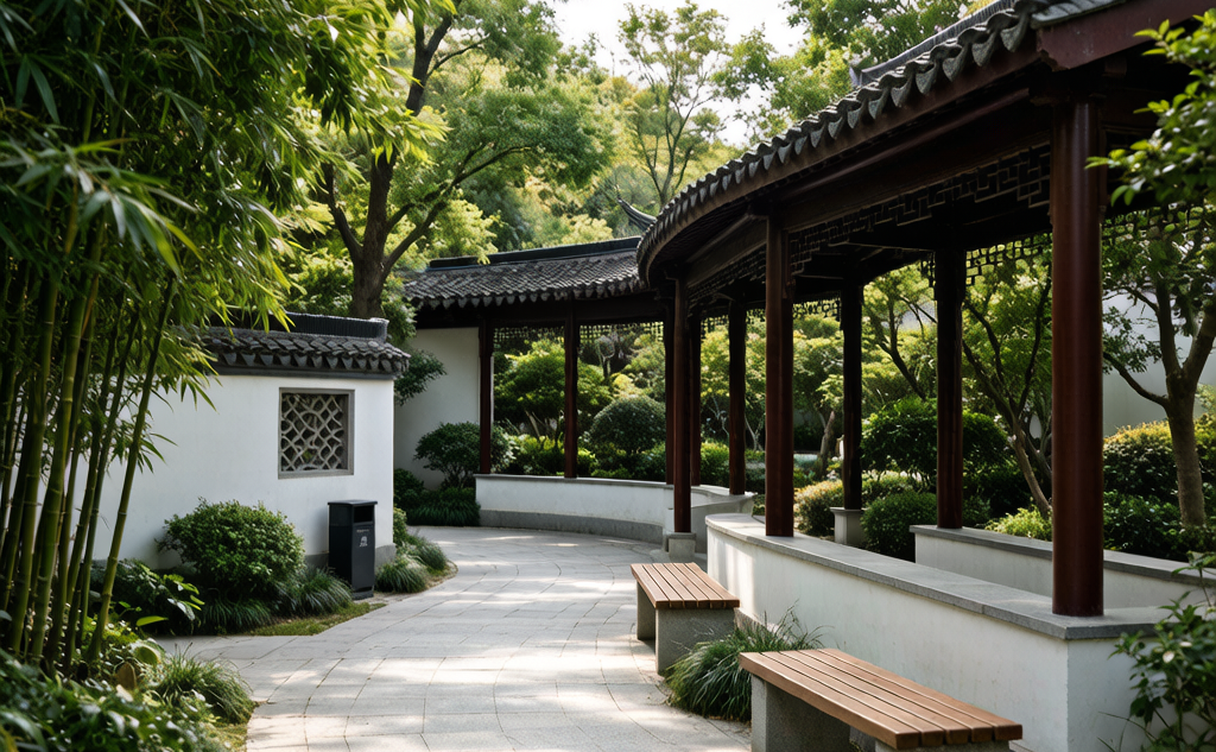
The easiest cities to walk are the flat ones. Beijing and Xi’an have level centres with broad pavements, but both involve a lot of steps at the main sights, so plan rest stops. Hangzhou and Suzhou are gentler, with lakeside paths and gardens built for slow strolling. Shanghai is the most step-free of the big cities, with elevators in nearly every metro station.
A good easy walking itineraries China plan is one major sight per morning, a long lunch, and a light afternoon. The Forbidden City, for example, is vast, so enter at the south, walk the central axis, and exit before fatigue sets in rather than trying to see every courtyard. Save energy for the hutong lanes the next day at a relaxed pace.
Riverside and park routes suit older legs better than mountain sites. The West Lake causeway in Hangzhou is flat and shaded, with benches every few hundred metres. The Bund in Shanghai is a flat evening walk with seating along the railings. Build the day around these rather than climbs.
China travel with limited mobility
If stairs are a problem, read our China accessible travel guide before you book. Major airports, the high-speed rail network, and big hotels have lifts and ramps, but older pedestrian bridges and small scenic spots often do not. Our China wheelchair accessible travel page lists which attractions have step-free routes and which to skip.
Trains are the best mode for limited mobility because platforms have level boarding on the newer lines and staff will help with luggage and boarding. Book the accessible berth or seat type in advance and arrive early so the station can arrange assistance. Avoid long-distance buses, which involve steps and few stops.
Hotels vary. International-chain properties in tier-one cities meet global accessibility standards, while older guesthouses in historic towns may have steps at the door. Confirm a lift and a room near it when you reserve, and ask specifically about the threshold at the entrance.
Slow paced China itinerary
A slow paced China itinerary favours fewer cities with more days each. Spending four nights in Beijing and three in Shanghai beats racing through six cities in ten days. Every change of hotel is a half-day of packing, transfers, and check-in that adds up for older travellers.
Our China 10-day itinerary shows a balanced loop that leaves buffer afternoons for rest. The key is not the number of sights but the spacing: a morning activity, a two-hour break, then something low-key like a tea house or a museum with seating.
Consider a private car with driver for sightseeing days. It removes the stress of metro stairs and lets you control the timing. Our China private vs group tour comparison explains the cost difference and when a private setup is worth it for comfort and flexibility.
Senior discounts China attractions
Many state-run sights offer reduced or free entry for older visitors, though the rules differ by province and often require a Chinese ID or a passport over a certain age, commonly 60 or 65. Our China attraction ticket discounts guide lists the current thresholds and what document to show at the gate.
Rail also has concessions on some conventional lines, but high-speed trains generally sell at full fare regardless of age. The real saving for seniors is comfort class: a first-class seat on a train costs more but gives a wider seat and a quieter car, which many older travellers find worth the difference on a four-hour ride.
Museums are usually free but need advance reservation with a passport, and some cap daily entries, so book online before you travel. Carry a paper copy of your passport photo page, because ticket desks sometimes need it even when the discount does not apply.
Health and altitude
Most senior routes stay low and safe, but a few famous sights sit high. Chengdu is fine, but any Tibet, China trip or Qinghai visit involves altitude that can trigger breathlessness and sleep trouble. Our China altitude sickness guide explains how to acclimatise and which symptoms mean you should descend.
Pack a small medical kit and enough of any prescription medicine for the whole trip plus a few extra days. Bring copies of prescriptions, because brand names differ and a local pharmacy may not recognise yours. Travel insurance that covers evacuation is worth buying before you fly.
Heat is the other risk. Summer in the east can hit 35°C with high humidity, so schedule outdoor sights for early morning and use air-conditioned museums at midday. Dehydration sneaks up, so carry a water bottle and sip through the day.
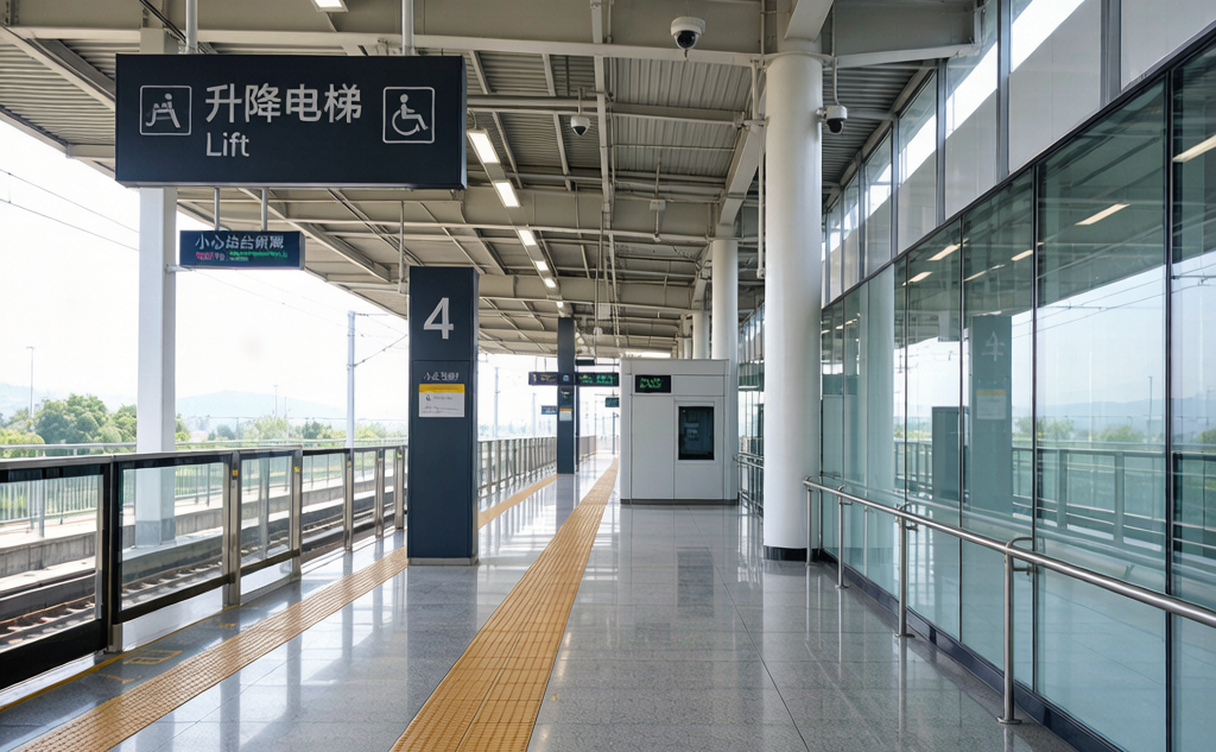
Travel China Guide publishes clear notes on train boarding assistance for older passengers, which are useful when you plan long rail legs.
Food and daily comfort
Chinese meals are served shared and hot, which suits most travellers, but spice levels vary by region. In Sichuan and Hunan ask for mild versions, and in the north expect more noodles and fewer raw salads. Bottled water is cheap and safe; skip tap water for drinking.
Public toilets away from major sights may lack paper and seats, so carry tissues and a small packet of wipes. The big scenic areas have cleaner facilities near the entrances. Knowing this in advance removes a common source of stress.
Meal times run earlier than many visitors expect. Restaurants fill from around 11:30 for lunch and start to empty by eight in the evening. Eating slightly ahead of the local rush means a quieter room, quicker service, and no standing about waiting for a table, which matters more than it sounds at the end of a long sightseeing day.
Money, language, and safety
Mobile payment dominates, but foreign cards now work at most hotels and large shops, and ATMs in big cities dispense cash. Keep a little cash for small vendors and taxis. Translation apps handle most menu and direction needs, and younger staff often speak some English.
China is generally safe for older visitors, with low street crime, but watch for scams near tourist gates and unlicensed taxi touts at stations. Use the official ride apps or have your hotel call a car. Keep a card with your hotel name and address in Chinese to show drivers.
It is worth carrying a short note in Chinese listing any medical conditions, allergies, and current medications, tucked in with your passport copy. If you ever need help in a pharmacy or clinic, handing that over saves a great deal of translation under pressure.
Building your own plan
Start with three nights in one gateway city, add a second city by high-speed train, and leave the third week open as buffer. This gives a satisfying trip without the exhaustion that ruins a holiday. Adjust the mix by your energy and interests rather than a checklist.
If you want help structuring it, the itinerary and private-tour comparisons above are the best starting points. Read them, pick a season with mild weather, and book the long-haul flight early for better fares.