

For travelers chasing the roof of the world, altitude sickness in China is the single biggest health consideration. The Tibetan Plateau and the highlands of Qinghai sit at heights where the air holds far less oxygen, and even fit, young visitors can feel the effects. This guide explains how high these regions really are, how to acclimatise before a Lhasa trip, what medicine and oxygen help, and which high-altitude destinations deserve a place on your list.
How High Is the Qinghai Tibet Plateau?
To plan well, first grasp how high is the Qinghai Tibet plateau. The Tibetan Plateau averages about 4,500 metres above sea level and is often called the “Roof of the World.” Lhasa, the capital of Tibet, China, sits at roughly 3,650 metres. Qinghai Lake, the largest inland lake in the country, rests near 3,200 metres. The route to Everest Base Camp in Tibet, China climbs past 5,000 metres, and many passes exceed 5,200 metres.
Most healthy people tolerate up to about 2,500 metres with little trouble, but symptoms commonly begin around 2,500 to 3,000 metres and grow more likely with every hundred metres higher. Knowing your destination’s elevation is the first step in prevention.
Altitude Sickness in Tibet China Prevention
The core of altitude sickness in Tibet China prevention is gradual ascent. Spend two or three nights in a mid-elevation city such as Xining (about 2,200 metres) in Qinghai before pushing higher; this “climb high, sleep low” rule lets your body produce extra red blood cells. Once in Lhasa, rest on day one, avoid alcohol and heavy meals, and walk slowly. Dehydration worsens symptoms, so drink plenty of boiled or bottled water.
Our Lhasa Tibet travel guide lays out sensible arrival-day plans, while the Qinghai Lake travel guide helps you build a gentle itinerary that eases the body upward.
Acclimatising Before a Lhasa Trip
Specifically on acclimatising before Lhasa trip, the smartest move is to enter the plateau by train from Xining rather than flying straight to Lhasa. The slow climb of the Qinghai Tibet railway lets you adjust over a day of rising terrain. If you must fly, add an extra rest day and keep the first activities light: a short stroll around the old town, not a full-day hike.
Sleep quality matters; poor rest amplifies headache and breathlessness. Consider arriving a few days early in Chengdu (about 500 metres) first if your route allows, then move up in stages. The Daocheng Yading Sichuan region also rewards staged ascent, as its sacred peaks begin around 4,000 metres.
Oxygen Canisters for China Plateau Travel
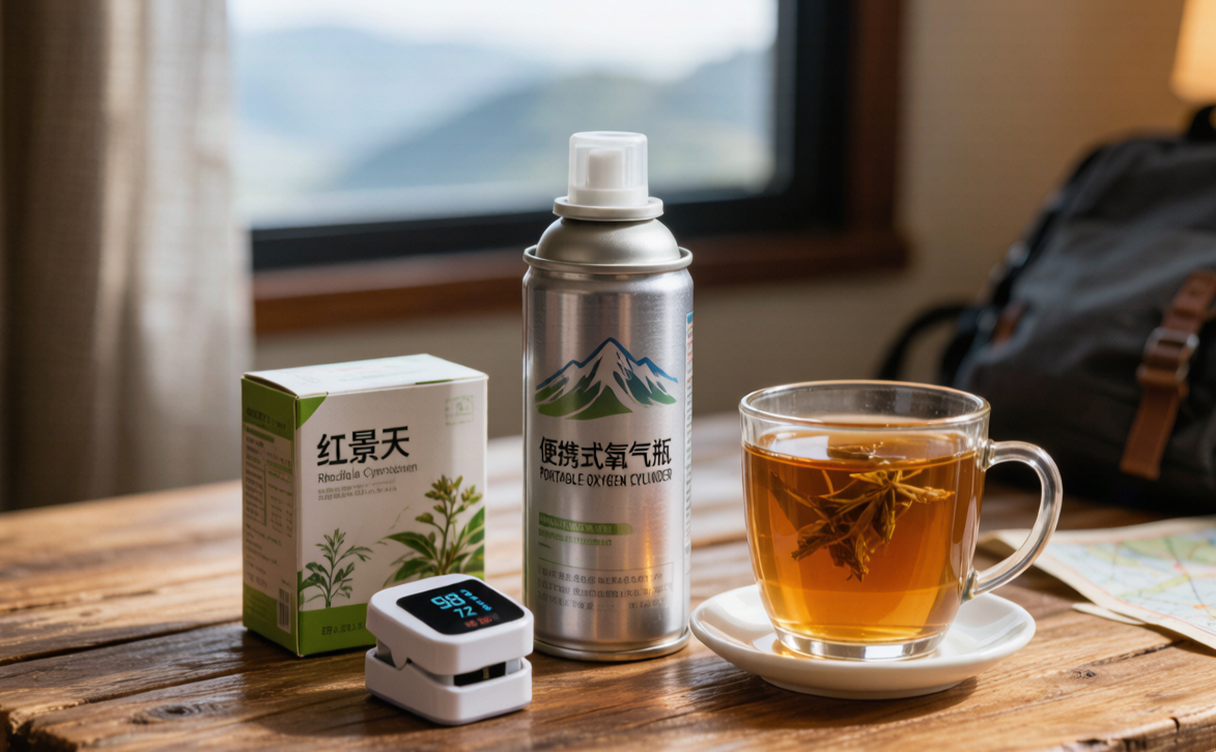
On the ground, oxygen canisters China plateau travel are widely available and genuinely useful. Small disposable canisters with a mask are sold at pharmacies, hotels, and roadside shops across Tibet, China and Qinghai; many hotels and buses also provide fixed oxygen lines. Use them for relief from a pounding headache or breathlessness, but treat oxygen as a comfort, not a substitute for descent if symptoms worsen.
Portable pulse oximeters, cheap and common, let you track blood oxygen; readings below about 80 percent at rest deserve attention. Do not over-rely on canisters to push your body past safe limits.
Altitude Sickness Medicine in China
Regarding altitude sickness medicine China, the most proven drug is acetazolamide (Diamox), which aids acclimatisation and is sold in Chinese pharmacies, sometimes under a local name. Start it a day before ascent if your doctor agrees. Dexamethasone is reserved for severe cases. Over-the-counter remedies for headache, such as ibuprofen, help symptoms but not the underlying lack of oxygen.
Buy medicine from a proper pharmacy and confirm the dosage with a pharmacist; our pharmacies and medical care in China guide explains how to do that safely. Always carry your usual prescription letter, since brands differ.
High Altitude Destinations in China List
A practical high altitude destinations in China list helps you choose. Top picks: Lhasa and the surrounding valleys of Tibet, China (3,600 to 4,000 metres); Qinghai Lake and the nearby Chaka Salt Lake (around 3,200 metres); the Everest Base Camp trek in Tibet, China (5,000-plus metres); Daocheng Yading in Sichuan (4,000 to 4,600 metres); and the Meili Snow Mountains on the Yunnan border. Each demands respect for elevation, but all are reachable with sensible pacing.
The Everest Base Camp Tibet guide details the staged trekking plan that seasoned travelers use to stay well above the clouds.
Recognising Danger Signs
Mild headache and shortness of breath are normal; confusion, loss of coordination, persistent vomiting, or breathlessness at rest are not. These signal severe altitude sickness or fluid on the lungs and brain, which are medical emergencies. The only reliable cure is to descend immediately, even a few hundred metres, while seeking help.
Our China travel safety tips explains how to judge when a situation is beyond self-care. Travel insurance that covers evacuation matters here more than almost anywhere else.
Insurance and Evacuation
Remote plateau regions are far from advanced care, so cover is critical. The China travel insurance recommended page outlines policies that include helicopter or road evacuation from high ground, which can otherwise cost tens of thousands. Confirm that your plan names the plateau specifically, since some budget policies exclude elevations above a set limit.
Building a Safe Plateau Itinerary
A well-paced route is the best prevention. Pair the high points with lower rest days: after Lhasa, drop to a 3,000-metre valley before attempting a 5,000-metre pass, and never add more than about 500 metres of sleeping elevation per day once above 3,000. This rhythm, echoed in our Everest Base Camp Tibet guide, keeps most travelers symptom-free.
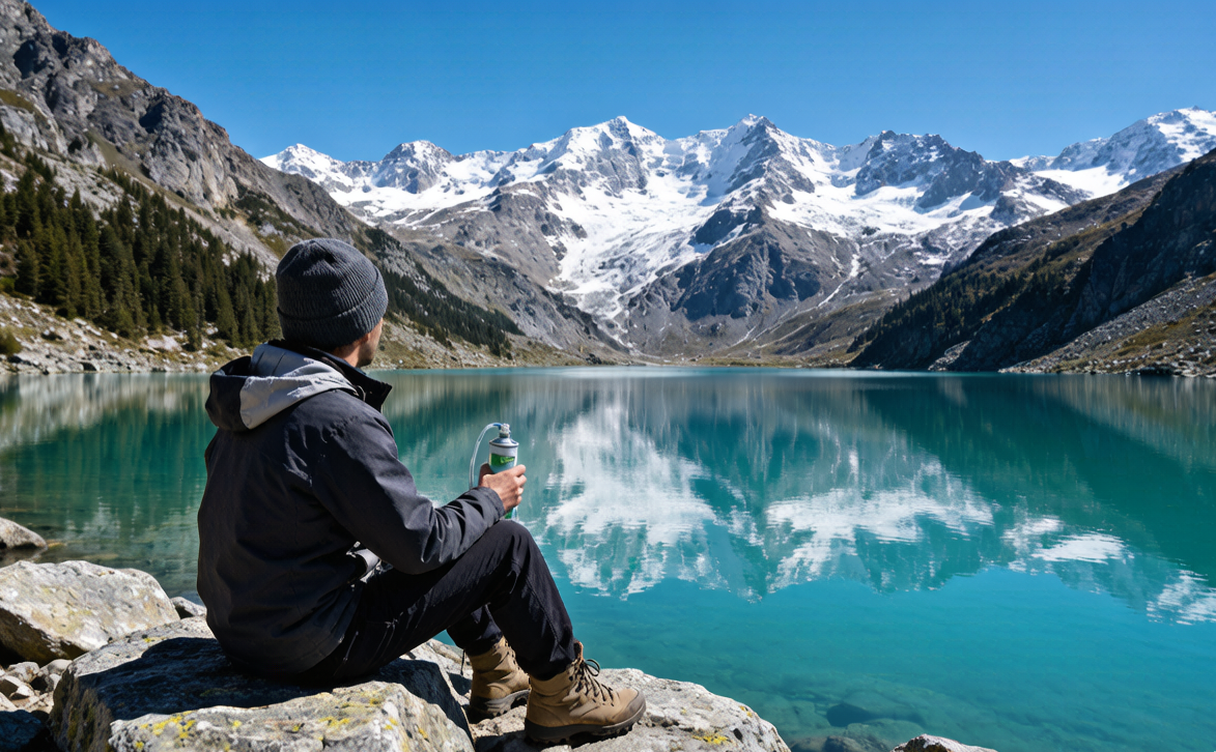
Fitness does not grant immunity; trained athletes sometimes push too hard and suffer more. Listen to your body, eat enough carbohydrates, and sleep well. If a rest day does not improve symptoms, your plan should include a built-in descent option, such as a lower guesthouse or a return train leg, so you are never trapped at altitude while unwell. Weather and season shape risk too: winter brings thin, very dry air that worsens breathing, while the summer monsoon can lower visibility and raise the chance of illness on multi-day treks.
Shoulder seasons offer clearer skies and gentler crowds, letting you ascend slowly without pressure. Whatever the season, build a buffer day into every plateau itinerary; rushing the mountains for a single photo is the classic mistake that turns a dream trip into a medical one. Patience on the roof of the world is not just polite, it is the single habit that keeps you healthy enough to enjoy it.
Conclusion
Altitude sickness in China is manageable with respect for the mountains: ascend slowly, acclimatise before a Lhasa trip, use oxygen and proven medicine wisely, and never ignore danger signs. The plateau of Tibet, China and the highlands of Qinghai reward careful travelers with unforgettable views. For authoritative background on the region’s heritage, the UNESCO World Heritage Centre documents the Potala Palace in Lhasa, Tibet, China.