

Ten years ago, “Chinese beer” meant one pale lager poured ice-cold from a green bottle. That picture is outdated. Today a China craft beer guide has to cover a fast-growing scene of small breweries, taprooms and festival bars from Beijing to Shenzhen. If you like independent beer at home, you’ll find more to drink here than you expect — and at prices that still feel like a bargain next to Europe or the US.
This guide walks through the cities worth your evening, the breweries to look for, what the local styles actually taste like, and what you’ll pay. It is written for visitors who want a good pint after a day of temples and trains, not for collectors chasing rare bottles.
How the Scene Grew
Craft brewing in China started quietly in the expat bars of Beijing and Shanghai in the late 2000s. A few home brewers opened taprooms, hired chefs, and began fermenting IPAs and wheat beers for a small crowd. Word spread, rents rose, and by the mid-2010s a second wave opened in Chengdu, Guangzhou and Qingdao. The big legacy name, Tsingtao, now shares shelf space with dozens of independents.
If you want the deep history of the legacy brand, the Qingdao Tsingtao Beer Museum is a genuine stop — part brewery, part museum, founded on the original 1903 German plant. It sets the baseline before you go hunting for the new stuff.
Best Craft Beer Bars in Shanghai
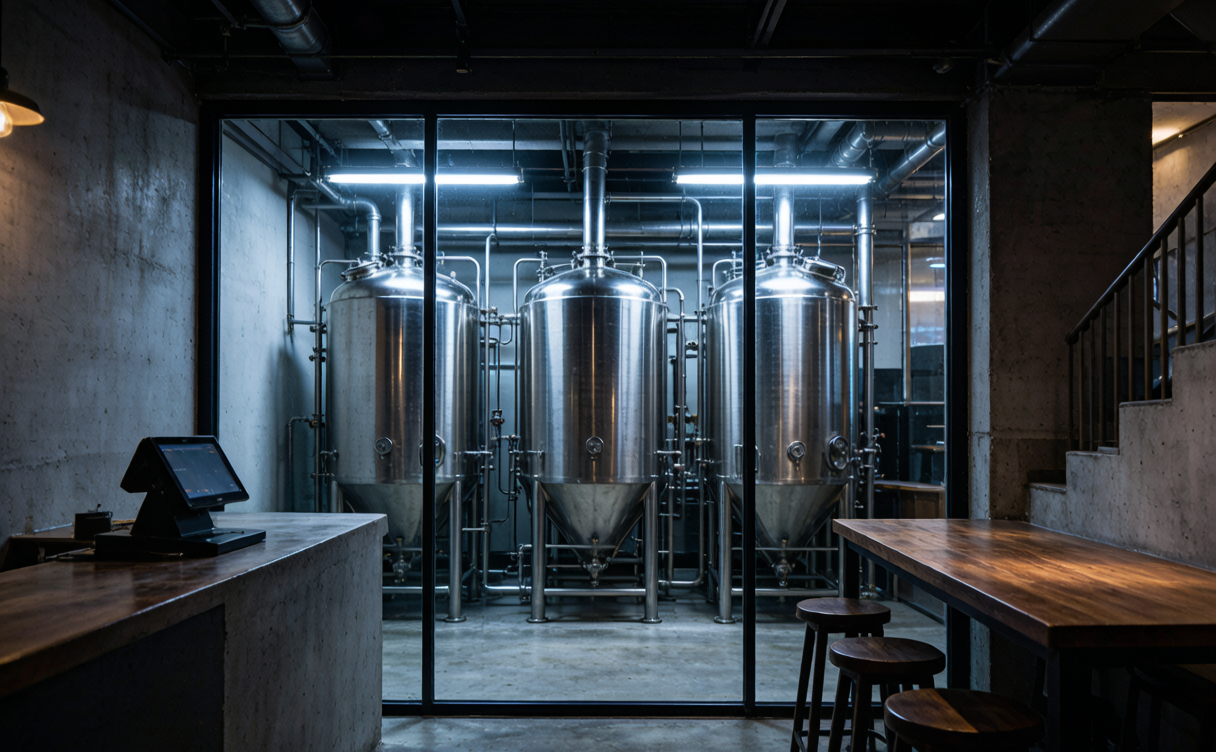
Shanghai has the densest scene, and the best craft beer bars Shanghai offers sit in the former French Concession and Jing’an. These taprooms pour hazy IPAs, sour ales and clean pilsners, and many rotate guest taps from across the country, so one visit can introduce you to a Beijing stout and a Chengdu saison in the same night. The Shanghai first-time travel guide marks a few walkable bar clusters if you’re new to the city.
Prices in a decent Shanghai taproom run from about 40 to 70 yuan a pint (roughly 6 to 10 USD), with flights of four small glasses a smart way to sample without filling up. Service is relaxed; you can easily lose two hours and not notice.
Craft Beer in Beijing Hutong Bars
Beijing’s charm is the setting. Several breweries have planted taprooms inside restored courtyard houses, so you drink a barleywine under a tiled roof with the hutong alleys quiet around you. The craft beer Beijing hutong bars experience is the most atmospheric in the country. The China nightlife bar guide covers the late-night side of the capital, but for craft specifically, aim for the lanes around Gulou and the eastern courtyard districts.
Spend a day at the Forbidden City, a UNESCO World Heritage Site, then wander into a hutong taproom by dusk — that contrast is half the fun of drinking in Beijing.
Chinese Beer Styles Explained
The local take on styles has its own logic, and Chinese beer styles explained simply look like this:
- Hazy and juicy IPAs — the most common craft pour, often built around tropical fruit notes from New-World hops flown in fresh.
- Wheat beers — soft, cloudy, lightly spiced; the easy entry point if you don’t like bitterness.
- Tea-infused ales — jasmine, oolong or green tea added to the boil for a clearly Chinese twist.
- Fruit sours — guava, lychee and passionfruit sours that pour pink and drink easy.
- Smoked and barrel-aged stouts — rarer, usually a winter release, worth ordering if you see one.
If you want to understand the stronger national spirit that shares the table, the China baijiu guide explains the clear grain liquor that most locals still drink more of than beer.
Beer Prices in China
A quick reality check on beer prices in China: a bottle of mass-market lager at a convenience store costs 4 to 8 yuan. A craft pint at a city taproom runs 40 to 80 yuan depending on the city and the ABV. Tasting flights usually land around 60 to 90 yuan. Happy hours cut those numbers by a third. It is still cheap compared with London or New York, which is part of why the scene attracts travellers.
Chinese Craft Breweries to Try
A few Chinese craft breweries to try show up again and again on taps nationwide. Look for breweries that started in the big coastal cities and now distribute cans across the country — their IPAs and wheats are a safe, well-made introduction. Regional spots in Chengdu lean spicy and bold; coastal brewers lean crisp and sessionable.
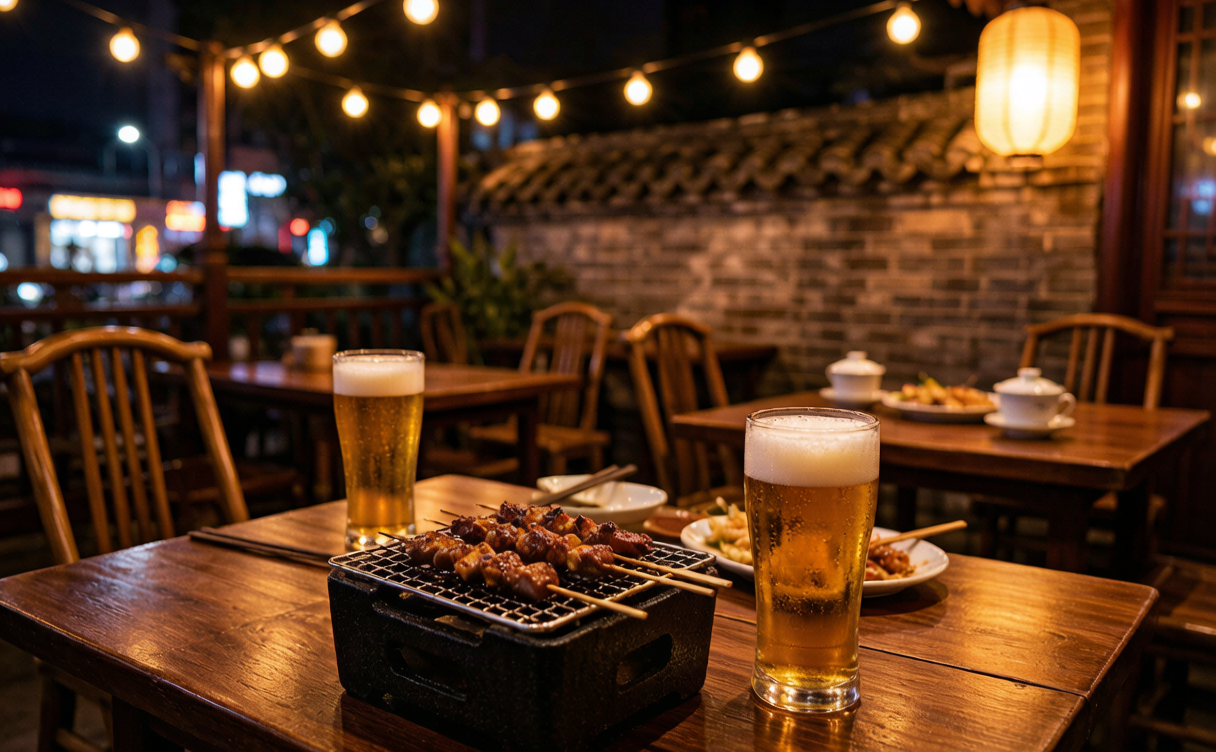
Pair your pint with food and you have a meal. The China BBQ skewers guide explains the late-night grill culture that naturally surrounds Chinese beer, and the China night markets guide shows where the cheapest, loudest versions live.
Festivals and Etiquette
Qingdao hosts the country’s biggest beer festival every August, a loud, joyful sprawl of tents and free pours that is worth timing a trip around. Elsewhere, most taprooms are calm and welcome foreigners warmly. A few tips: download a translation app that reads Chinese menus, because tap names are often only in characters; carry cash for tiny hole-in-the-wall bars, though most take WeChat Pay; and pace yourself — Chinese craft can be stronger than the lager you drank on the plane.
City-by-City Quick Hits
Beyond Shanghai and Beijing, a few more stops deserve a mention. Chengdu’s scene leans bold and spicy, with taprooms that pair beer with the city’s famous numb-heat cooking. Guangzhou keeps things crisp and sessionable, suited to the humid south. Qingdao, home to the legacy brewery, adds seaside clams and a festival atmosphere in August. Shenzhen, closest to Hong Kong, China, has the newest and most experimental taps. If your route is a loop, hitting three of these gives a real sense of how regional the craft mood already is.
Reading a Chinese Beer Menu
Menus usually list the beer name, style in small print, ABV and price per pint or per half. Strength ranges widely — a fruit sour might sit at 4%, a barrel-aged stout at 11% — so check before you order a flight of four heavy ones. Staff are used to questions and will pour a taste if you ask. When in doubt, start with a wheat beer or a low-ABV pilsner, then move up to the IPAs once you know the house strength.
A Note on Getting Around
Cities are big, and the best bars are rarely next to the sights. Use the metro by day and a ride-hailing app by night. If you plan a pub crawl, hire a driver for the evening — it costs little split among friends and lets everyone taste freely. That is the smart way to enjoy this scene without the worry.