

Most wine travellers think of Bordeaux or Napa. Few think of the Gobi Desert edge in northern China. Yet Ningxia, a slender region along the Yellow River, has quietly become the country’s most serious wine country. The vineyards sit on the eastern foot of the Helan Mountains, where high altitude, dry air and bright sun grow Cabernet Sauvignon and Marselan with real depth. This Ningxia wine region guide is for visitors who want to taste world-class wine without the crowds of the classic Old World routes.
Why Helan Mountain East
The eastern slope of the Helan range, called Helan Mountain East, is the core of the region. The mountain blocks cold winds from the Mongolian plateau; the desert dryness keeps disease low; and the day-night temperature swing concentrates sugar and acid in the grape. The result is structured reds with dark fruit and a mineral edge. Several Ningxia bottles have beaten French and Australian labels in blind competitions over the past decade, which is why international critics now pay attention. A Chinese wine tasting tour here surprises even jaded drinkers.
How to Visit Ningxia Wineries
The practical question is how to visit Ningxia wineries without a car of your own. Base yourself in Yinchuan, the regional capital, about forty minutes north of the main vineyard belt. From there, hired drivers and small tour operators run half-day loops. Some wineries require appointments; others welcome walk-in tastings at a cellar door with a terrace.
Our Yinchuan travel guide covers airport transfers and where to stay in the city. For the tombs of the vanished Western Xia dynasty, the Ningxia Western Xia tombs guide explains the pyramid-shaped mounds that sit eerily close to the vines — a history lesson between pours.
A Winery Hotel Stay
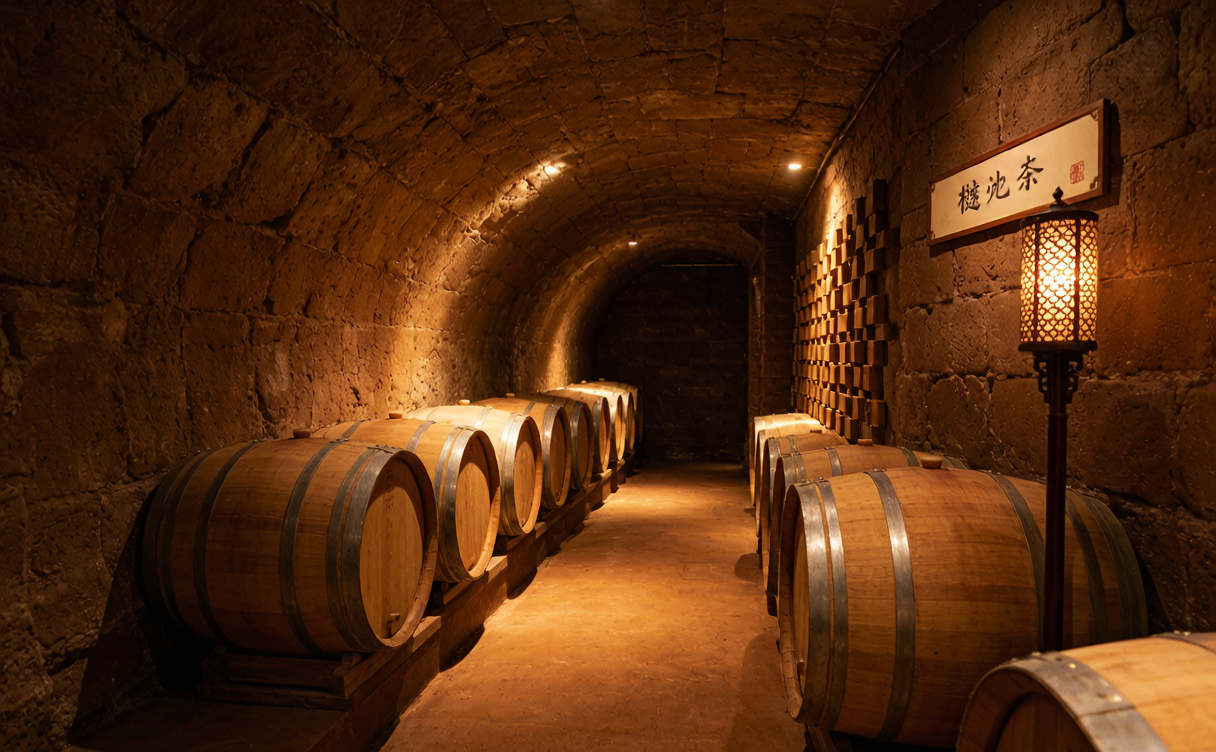
The smartest way to do the region is to sleep among the vines. A growing number of estates offer a Ningxia winery hotel stay, with rooms looking onto the rows and a restaurant that pairs local lamb with the house red. Waking to the Helan range in pink dawn light, then walking to a ten-a.m. tasting, is the kind of slow travel that the best boutique hotels in China list celebrates.
For travellers who want the polished version, the China luxury travel guide points to the higher-end estates with spa services and private cellars.
Best Time to Visit Ningxia Vineyards
Timing shapes the trip. The best time to visit Ningxia vineyards is September and October, when the harvest brings crush activity, open cellars and the chance to sample fresh grape must. Spring is quiet and green; summer is hot but the terraces are pleasant at dusk; winter is brutally cold and many estates close. If you want photos of golden leaves against the mountains, aim for early October.
Wines Worth Bringing Home
If you only buy one bottle, make it a Marselan — a French crossing that thrives here and shows a peppery, berry-rich character you won’t easily find elsewhere. Cabernet blends from the top estates age well and cost a fraction of a comparable Bordeaux. Whites are rarer but a few crisp Rieslings from higher plots are worth seeking. Most cellar doors ship within China, though carrying a bottle or two home in your luggage is usually simplest.
Beyond the Wine
Ningxia is not only vines. The Yellow River bends through the region, and the Shapotou desert guide covers the dunes where you can slide, ride a camel and watch the river meet the sand — a half-day adventure that contrasts nicely with quiet tastings. The China off-the-beaten-path guide lists Ningxia as a top pick for travellers who have already done Beijing and Xi’an.
The Great Wall, a UNESCO World Heritage Site, also runs through this part of northern China, and ruined watchtowers dot the hills near the vineyards — easy to fold into a scenic drive.
A Sample Day Among the Vines
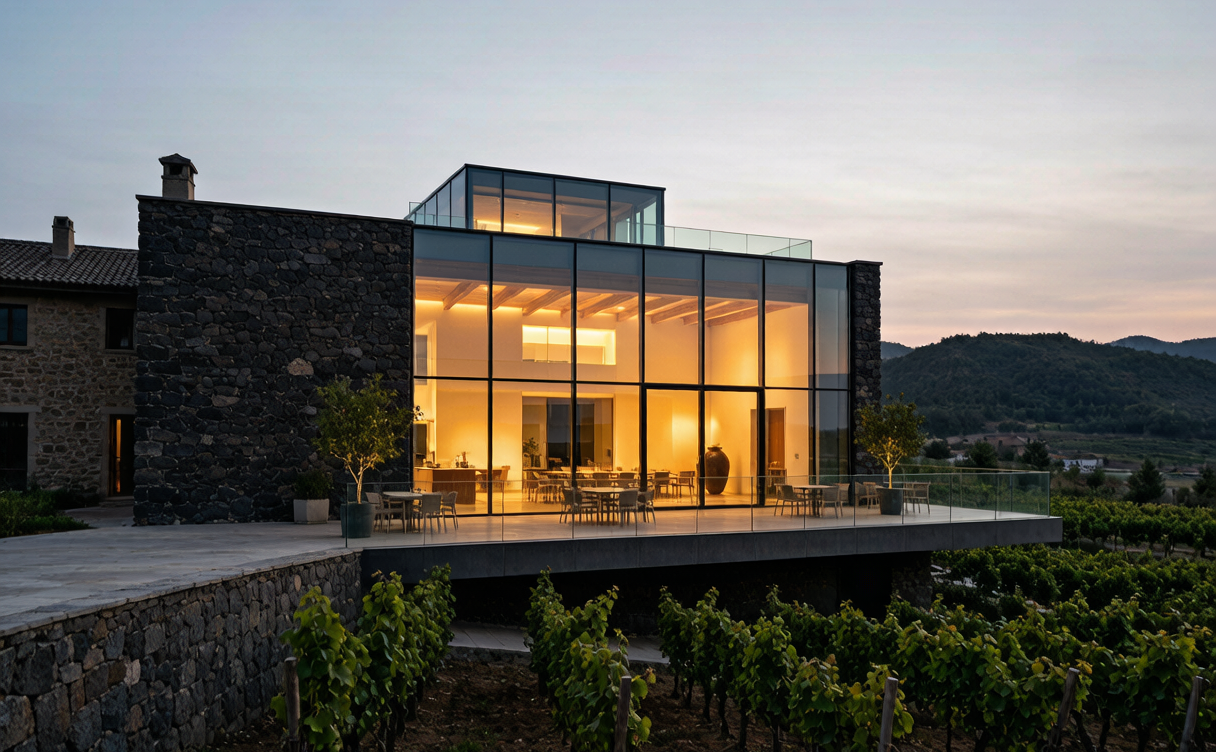
To make the region concrete, here is how a good day runs. Start at 9:30 with a cellar-door tasting at a mid-size estate, walking the rows first while the air is cool. By noon, move to a second winery for a long lunch of local lamb and a glass of the house red. The afternoon is for a smaller boutique producer where the winemaker might pour from the barrel herself. Finish at a hilltop estate for golden-hour photos and a final taste before the light goes. A hired driver makes all of this effortless and lets everyone drink freely.
Food That Pairs With the Region
Ningxia cooking is lamb country. The animals graze on desert herbs, so the meat is mild and sweet, perfect against a tannic Cabernet. Try hand-pulled noodles with braised lamb, grilled skewers with cumin, and the local “zhuan pan” chickpea noodles. Most winery restaurants build their menu around these dishes, and the pairing is the point — this is not a place for delicate seafood, it is a place for bold food and bolder reds.
Getting Around the Region
Yinchuan has a small airport with direct flights from Beijing, Shanghai and Xi’an, so reaching the region is easy even on a tight schedule. Once here, public transport to the vineyards is thin, which is why a private driver or a small group tour is the standard way to move. Distances between estates are short — often under twenty minutes — so you can see a surprising amount before dinner. Book your driver for a full day; half-days leave you wanting one more pour.
Practical Tips
Book tastings ahead in harvest season, when buses of domestic visitors arrive. Bring a layer even in summer — desert nights turn cold fast. Hire a driver for the day, which costs little and lets everyone taste freely. And don’t expect every small estate to take foreign cards; carry some cash for the quietest cellar doors.
Why Visitors Keep Coming Back
The reason Ningxia wins over sceptics is the combination no other Chinese region offers in one trip: serious wine, empty scenery, and a price point that still feels like a discovery. A tasting that would cost three times as much in Bordeaux is poured here by a young winemaker who trained in France and came home to the desert. The cellars are new, the hills are old, and the whole place has the eager, unpolished energy of a scene that knows it is about to be famous. Go now, before the tour buses do.
When to Book and What to Budget
Estates fill their rooms weeks ahead in October, so lock in a winery stay by late summer if harvest is your goal. A day of three tastings plus a driver runs roughly 600 to 1,000 yuan for two people, not counting the estate lunch, which is usually the best meal of the trip. Cellar-door pours are cheap — often 30 to 60 yuan a glass of something that would cost triple at home — so this is a region where curiosity is rewarded without draining the wallet.