

Tucked into the southwestern corner of Henan Province, Nanyang is one of those Chinese cities that rewards travelers who venture beyond the headline destinations. Often passed through on the way to Luoyang or Xi’an, it has quietly preserved more than two thousand years of history, from the tomb art of the Han Dynasty to the scholars and inventors who shaped Chinese science and medicine. For a foreign visitor looking for an authentic, low-pressure slice of inland China, this Nanyang travel guide is the perfect companion to a wider Henan itinerary.
Nanyang sits in a fertile basin ringed by the Funiu and Tongbai mountains, with the Baihe River running through the city center. Its climate is continental, with hot summers and cold, dry winters, yet the surrounding hills keep the air cleaner and the pace slower than in the provincial metropolis of Zhengzhou. The city is larger than many visitors expect, with a population of well over eight million in its prefecture, but the historic core is compact and easy to navigate on foot.
Why Nanyang Deserves a Place on Your Itinerary
Nanyang calls itself the home of scholars. Two names dominate the local story. Zhang Heng, a polymath of the Eastern Han period, was born here and built the world’s first seismoscope; you can see working reconstructions at the Nanyang Han Dynasty Science and Culture Museum. Zhang Zhongjing, revered as the sage of Chinese medicine, also came from Nanyang, and his memorial temple draws visitors interested in traditional healing. Add the romance of the Three Kingdoms era and the strategist Zhuge Liang, who is honored at the Wuhou Shrine, and you have a city layered with stories that most first-time China trips never reach.
How to Get to Nanyang
Reaching Nanyang is straightforward thanks to China’s expanding high-speed network. The Nanyang East Railway Station sits on a line linking Zhengzhou, Xi’an and the south, and several direct trains now connect the city with Luoyang in under two hours. If you are planning to arrive from further afield, our China high-speed train guide for foreigners walks you through booking tickets, reading seat numbers and navigating stations with a foreign passport. Many travelers combine Nanyang with a stop in Luoyang, whose Longmen Grottoes and ancient capital atmosphere make a natural pairing.
For those flying in, the nearest major international gateway is Zhengzhou, about two and a half hours away by rail. Nanyang’s own airport has limited domestic routes, so most international visitors will connect through Zhengzhou, Xi’an or Wuhan before the final hop.
Best Time to Visit Nanyang
Like most of the North China plain, Nanyang is at its best in spring and autumn. Our best time to visit China overview explains the national weather patterns, but locally the sweet spots are April to May, when the apricot and peach trees bloom, and September to October, when the harvest brings clear skies and comfortable hiking temperatures in the Funiu foothills. Summer is hot and humid, with temperatures often above 35 degrees Celsius, while winters are cold and occasionally hazy. The spring Peony Festival in neighboring Luoyang also makes late April an excellent window to link the two cities.
Top Things to Do in Nanyang
- Wuhou Shrine (Wolonggang): This quiet temple complex honors Zhuge Liang, the Shu strategist of the Three Kingdoms. Set on a low ridge west of the city, the shrine blends pavilions, ancient cypresses and a small museum of Three Kingdoms relics. It is the most atmospheric stop in any Nanyang travel guide and easiest to reach by local bus or taxi.
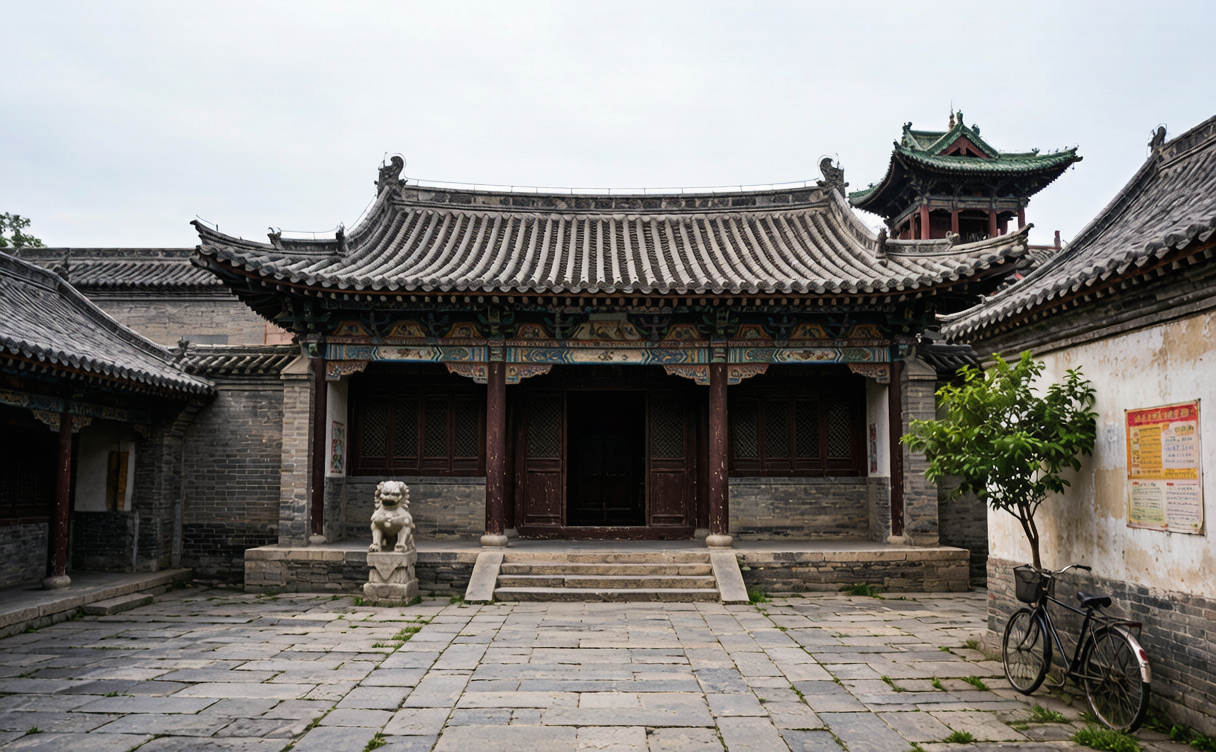
- Neixiang County Government Office: About an hour from the city center, this remarkably intact yamen from the Ming and Qing dynasties is one of the best-preserved ancient county offices in China. Walking its halls gives a vivid sense of how imperial administration actually worked.
- Nanyang Han Dynasty Museum: The carved stone coffins and tomb tiles here display the lively relief art of the Han era, including scenes of acrobats, myths and daily life that feel surprisingly modern.
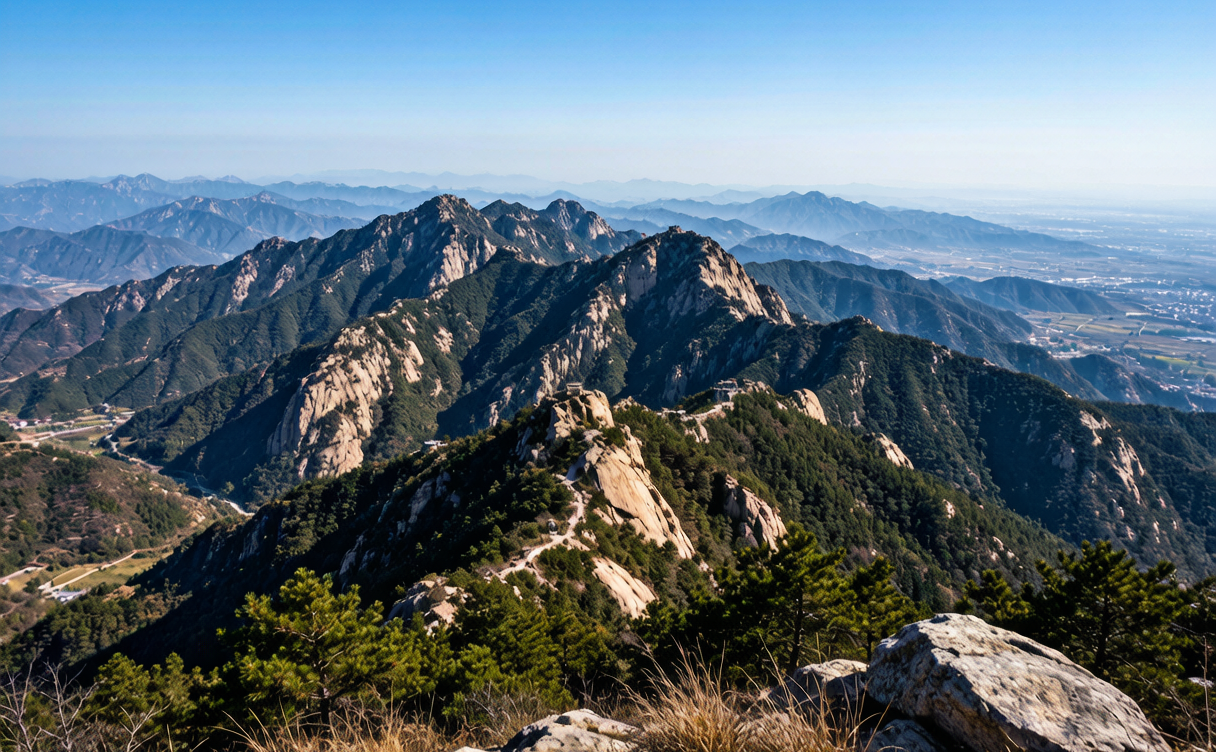
- Funiu Mountain and Baotianman: To the west, the Funiu range offers forest hikes, waterfalls and cooler air. Baotianman is a designated nature reserve with marked trails and a visitor center.
- Baihe River scenic belt: In the evenings, locals stroll the riverside promenade lit by colored lights, a pleasant low-key way to absorb everyday city life.
Nanyang Food Guide
Henan cuisine is built on noodles, wheat and hearty braises, and Nanyang adds its own mountain and river touches. Try Nanyang beef soup, a peppery breakfast broth served with flatbread, and the local braised carp from the Baihe River. The city is also known for its preserved vegetables and walnut cakes. If you want to understand how these dishes fit into the broader national picture, our Chinese food guide to the eight cuisines is a useful reference, though Henan’s own style is closer to the everyday home cooking of the north. Street food clusters around the night market near Zhongzhou Road are the best places to sample skewers, stuffed buns and sweet osmanthus cakes.
A Suggested Two-Day Nanyang Itinerary
Day one: arrive by morning train, drop bags at a city-center hotel, then spend the afternoon at the Wuhou Shrine and the Baihe riverside. Save the evening for the night market.
Day two: take a morning trip to the Neixiang County Government Office, return for lunch, then visit the Han Dynasty Museum before an afternoon hike or drive into the Funiu foothills if the weather is clear.
Travelers with more time often add a side trip south to Xinyang, where green tea hills and the cool summit of Jigong Mountain offer a different rhythm to the trip.
Practical Tips for Foreign Visitors
- Language: English signage is limited outside the train station. A translation app and your hotel’s business card showing the Chinese name (Nanyang) will smooth taxi rides.
- Transport: Didi, the Chinese ride-hailing app, works in Nanyang; download and link it before you arrive.
- Money: Carry some cash; smaller museums and food stalls may not take international cards.
- Etiquette: The temples are active sites; dress modestly and ask before photographing any ceremony.
Nanyang will not overload your camera with crowd-free spectacle, but it offers something rarer: a living Chinese city where history is part of the everyday. For deeper background on the region’s long past, the Wikipedia overview of Nanyang is a handy starting point.
Where to Stay in Nanyang
Most visitors base themselves in the downtown area near the Baihe River, where mid-range hotels cluster and the night market is a short walk away. International chains and local business hotels both operate here, and prices are noticeably lower than in Xi’an or Luoyang. If your priority is mountain scenery, consider a guesthouse nearer the Funiu trailheads for an early start on the trails.
Getting Around the Region
Nanyang makes a sensible hub for southwestern Henan. Buses and hired drivers can reach the outlying counties in an hour or two, and the improving rail links mean you can base here and do day trips. Combine it with Xinyang to the south or push west toward Shaanxi if your schedule allows a longer overland journey through the heart of the country.