

At the southern tip of Henan Province, where the plains give way to the forested hills of the Huai River basin, Xinyang is a gentle outlier. It is the one city in Henan where rice paddies and green tea replace the wheat fields of the north, and where the summer heat of the central plains is tempered by mountain air. For foreign travelers, a Xinyang travel guide opens the door to one of China’s great but undervisited tea regions and a cool-weather escape that feels a world away from the big cities.
Xinyang borders Hubei to the south, and its culture leans toward the softer, wetter traditions of the Yangtze watershed. The city is best known for Xinyang Maojian, a fragrant green tea picked in early spring, and for Jigong Mountain, a colonial-era summer retreat where missionaries and warlords once built stone villas above a sea of clouds.
Why Visit Xinyang
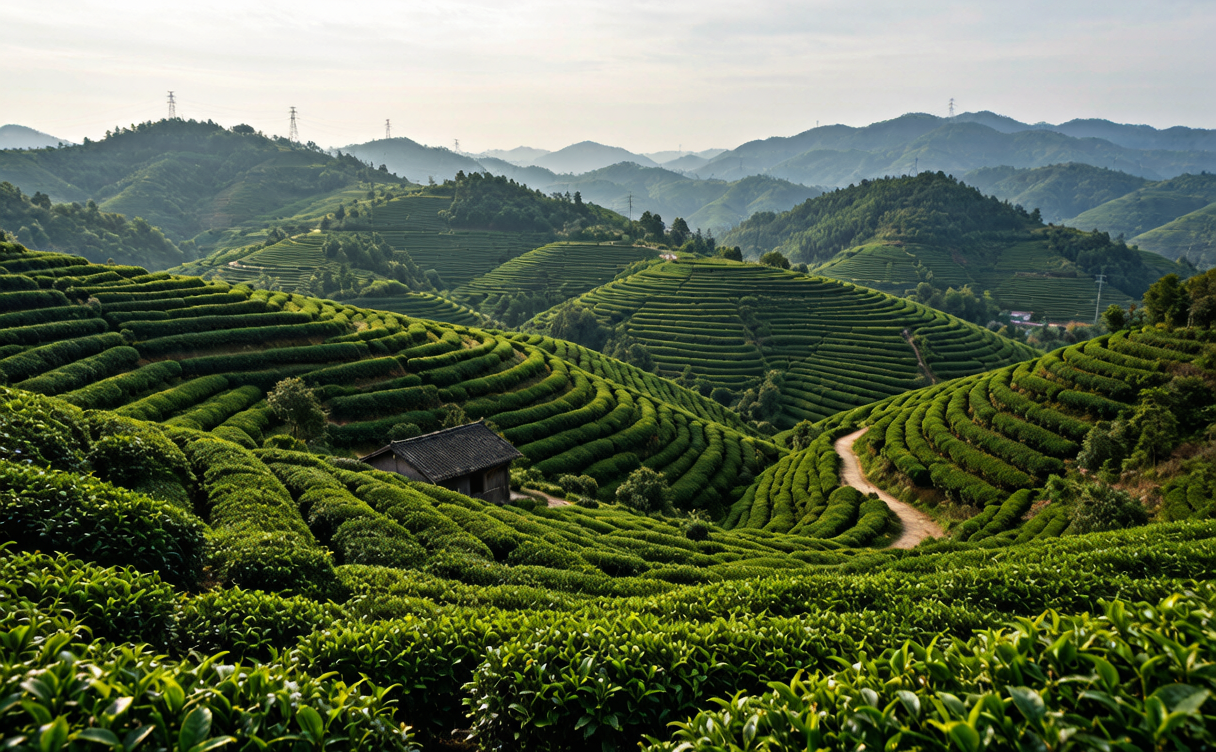
Xinyang offers two contrasting experiences. In the lowlands, the tea plantations and the wide Nanwan Lake make for relaxed day trips and easy photography. In the highlands, Jigong Mountain delivers cooler temperatures, pine forest and old villas that recall a vanished era of Chinese leisure travel. Together they give the city a slower, greener character than almost anywhere else in Henan.
How to Get to Xinyang
Xinyang sits squarely on the Beijing-Guangzhou high-speed line, which means fast connections in every direction. Trains from Wuhan take just over an hour, and the ride from Zhengzhou is roughly two hours. For visitors coming from the south or east, Wuhan is the most convenient hub, with its international airport and frequent trains north to Xinyang. If you have not yet ridden a Chinese bullet train, our China high-speed train guide for foreigners covers everything from ticket types to station security, so the journey itself becomes part of the adventure.
Within the city, local buses and taxis reach the tea country and the lake, while Jigong Mountain is about an hour’s drive south of the center.
Best Time to Visit Xinyang
Spring and autumn are ideal. The new tea is picked in late March and April, so a spring visit lets you watch the harvest and taste the season’s first leaves. Our best time to visit China guide places the Huai basin in the comfortable middle band of the national climate, but locally the clearest, driest conditions run from September to November. Summer is the peak season for Jigong Mountain precisely because the summit stays several degrees cooler than the cities below, making it a favorite escape from Wuhan’s furnace heat.
Top Things to Do in Xinyang
- Jigong Mountain (Jigongshan): The star attraction and a full day in itself. Walk the pine-shaded paths between weathered villas, watch the sunrise from the summit ridge, and explore the old railway station that once carried summer visitors up the slope. It is covered in detail in our Jigong Mountain guide.
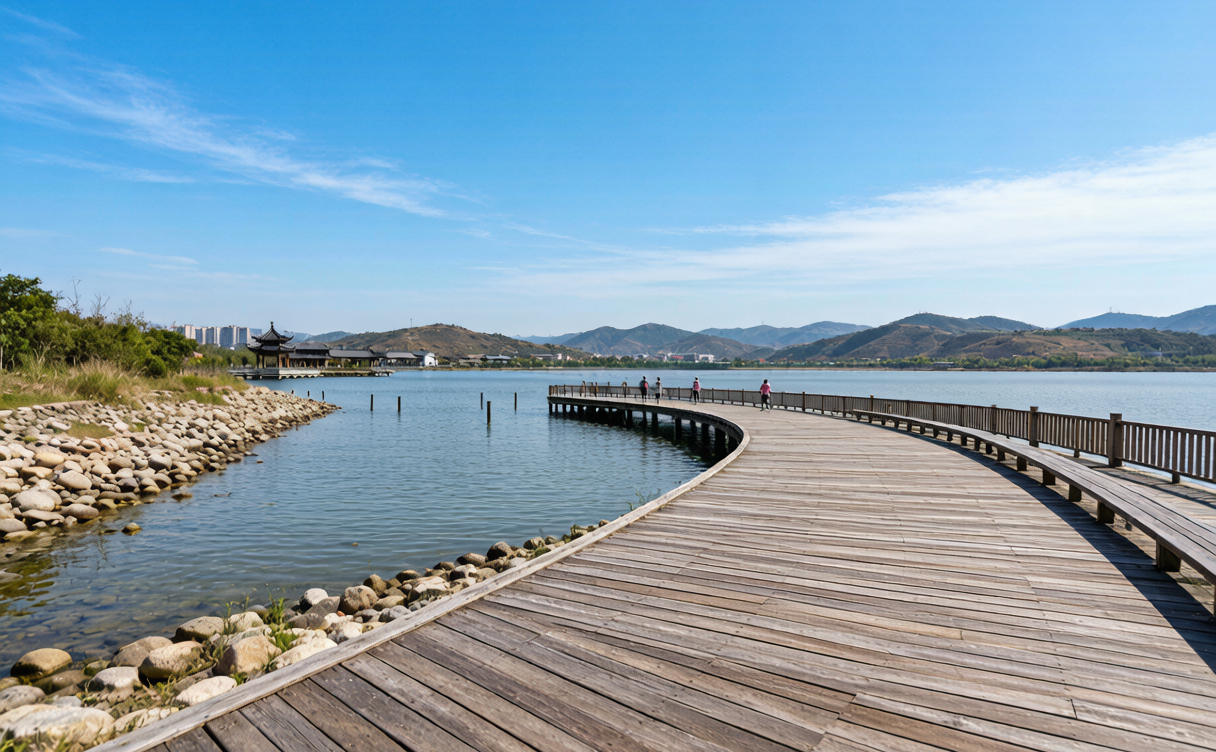
- Nanwan Lake: A large reservoir ringed by wooded hills, with a wooden boardwalk, islands and boat trips. Rent a paddle boat or simply enjoy the lakeside air.
- Tea plantations of Shihe District: Small family farms welcome visitors for picking demonstrations and tastings. Buy loose Maojian directly from the source for a fraction of city prices.
- Xinyang Museum: A compact introduction to the region’s history, from Neolithic finds to the Tea Horse Road trade.
- Lingshan Temple: A quietly atmospheric Buddhist site in the surrounding hills, good for a half-day retreat from the city.
Xinyang Food Guide
Because Xinyang eats rice rather than wheat, its table is distinct from the rest of Henan. The signature dish is Xinyang stewed vegetables, a slow-cooked medley of mountain greens, tofu and cured pork served in a clay pot. Smoked fish from Nanwan Lake, fresh tea eggs and rice noodles round out the local menu. For travellers curious about how a single leaf became a national obsession, our China tea tour guide explains the major growing regions, and Xinyang Maojian sits proudly among the famous green teas. Evening snack streets near the train station are the best place to try small plates without a formal restaurant.
A Suggested Two-Day Xinyang Itinerary
Day one: arrive from Wuhan in the morning, check in, then spend the afternoon at Nanwan Lake and a nearby tea farm for a tasting. Dinner on stewed vegetables at a local spot.
Day two: leave early for Jigong Mountain, ride the shuttle to the summit, walk the villa loop and the sea-of-clouds viewpoint, then return to the city for an evening train out.
If you want to extend the trip, the tea country south of the city rewards a third relaxed day of farm visits and short hikes.
Practical Tips for Foreign Visitors
- Tea etiquette: At a tasting, sip, pause, then comment; the host will keep refilling. Never drain the cup completely before a top-up.
- Weather: Jigong Mountain is cooler and mistier than the city; bring a light jacket even in summer.
- Transport: Didi works here, and the scenic areas are an easy taxi or hired-car ride from the center.
- Language: As in much of inland China, English is rare; prepare your hotel name in Chinese characters and a translation app.
Xinyang rewards travelers who like their China green, quiet and a little unexpected. For a factual grounding in the city’s geography and history, the Wikipedia entry on Xinyang is a useful pre-trip read.
Where to Stay
Most visitors stay in the city center near the railway station, where hotels range from budget business lodgings to a few comfortable mid-range options, and where food streets are within walking distance. If Jigong Mountain is your main goal, consider staying at one of the old villas or a hillside guesthouse on the mountain itself to catch the sunrise without a long drive.
Getting Around the Tea Country
The plantations are scattered across the Shihe and Pingqiao districts, so a hired car for half a day is the most efficient way to visit several farms. Local buses reach the main tea towns, but departures are infrequent and signage is Chinese-only. Combine your tea exploration with a lake afternoon for a balanced, unhurried day.
Tea Buying Tips for Visitors
Xinyang Maojian is graded by the tenderness of the leaf, and the earliest spring picks command the highest prices. At a farm shop, look for tightly rolled, silvery-green buds and a fresh, grassy aroma rather than a dull or musty smell. Prices vary widely, so tasting before buying is the only reliable test. Loose tea keeps best in an airtight tin away from light, and a small amount travels home easily in checked luggage. Avoid the brightly packaged gift boxes aimed at domestic tourists if you want value, and ask the farmer to write the harvest date on the bag so you know its age.
If you plan to brew it properly, a simple glass cup and water just below boiling brings out the sweetness without scorching the leaves. The same plantations that welcome visitors in spring are quiet in autumn, when the tea is finished but the hills stay green, making a low-season visit ideal for travelers who prefer fewer crowds.