

Few dishes capture the spirit of Sichuan cooking as completely as Kung Pao Chicken. It is simultaneously fiery and mellow, nutty and tangy, with a sauce that clings to every glossy piece of chicken. For travelers planning a food-focused trip to China, this dish is a perfect starting point: it is available almost everywhere, yet the difference between a tourist-friendly version and a true Chengdu-style plate is dramatic. This Kung Pao Chicken guide walks you through where the dish came from, what goes into an authentic bowl, and the best places in China to taste the real thing.
The Origins of Kung Pao Chicken
The story of Kung Pao Chicken begins in the province of Sichuan during the Qing dynasty. The dish is named after a provincial official whose title, in English, is often rendered as “Kung Pao” or “Gong Bao.” Legend holds that this official enjoyed a simple stir-fry of diced chicken, peanuts, and chili while traveling, and his household cooks refined the recipe. Over time the dish spread from private kitchens into the restaurants of Chengdu and beyond, becoming one of the defining dishes of Sichuan cuisine.
What makes the history interesting for visitors is how the dish traveled. Chinese immigrants carried the recipe overseas, where it was adapted to local tastes. In many Western countries, Kung Pao Chicken became sweet, thick, and heavy on bell peppers. That version is satisfying, but it barely resembles what you will find in Sichuan. Understanding the origin helps you know what to order and what to avoid when you sit down at a restaurant in China.
If you want to understand the broader culinary landscape that produced this dish, our Sichuan cuisine guide explains the regional flavors, cooking techniques, and signature ingredients that set the province apart.
Key Ingredients in an Authentic Kung Pao Chicken
A proper plate of Kung Pao Chicken is built from a short list of ingredients, each with a specific job. When any element is missing or substituted, the balance collapses.
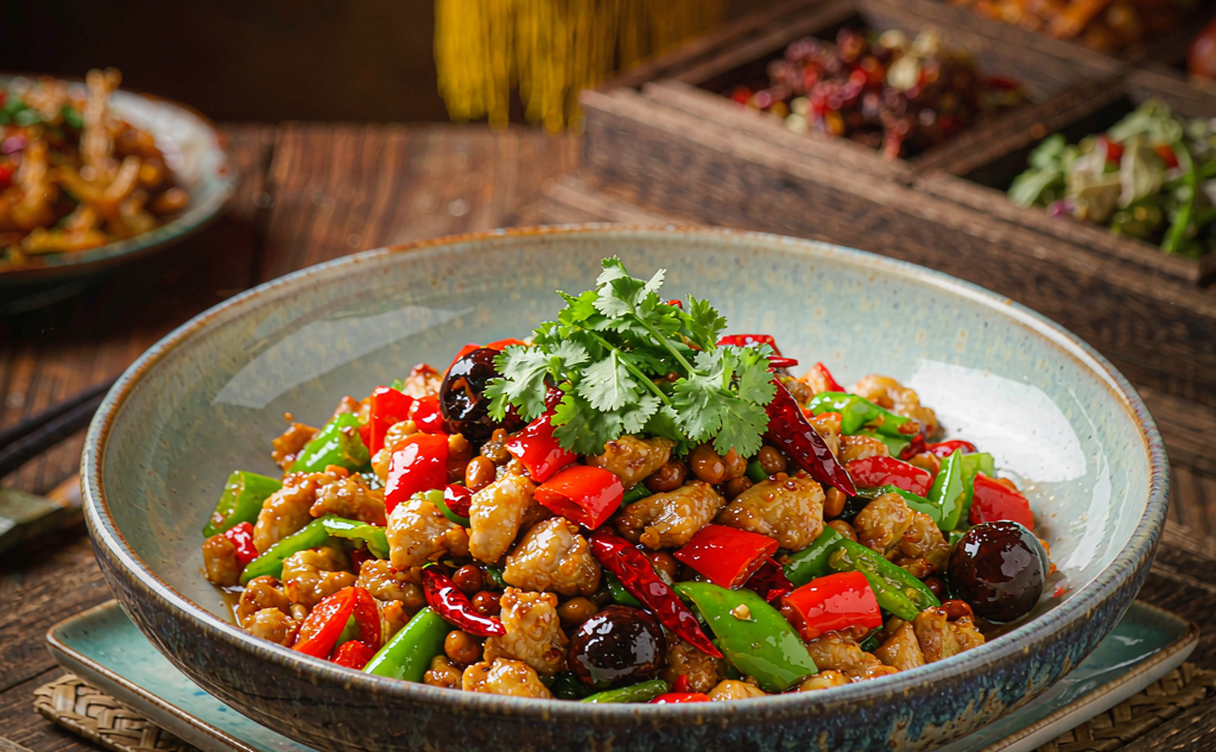
Diced chicken forms the backbone. Traditionally, boneless chicken thigh is used because it stays tender under high heat. The pieces are cut small and velveted with a little egg white and cornstarch so they sear quickly in the wok without drying out.
Peanuts add the signature crunch. In Sichuan, roasted or fried peanuts are added near the end so they keep their snap. The contrast between silky chicken and crisp nuts is part of what makes the dish so addictive.
Dried chilies provide aroma more than raw heat. The cook fries them briefly in oil until they just darken at the edges, releasing a toasty, smoky fragrance. You are not supposed to eat every chili; they perfume the oil.
Sichuan peppercorns are the soul of the dish. These small, reddish-brown husks create the famous “ma la” sensation: a tingling numbness that pairs with the chili heat. Without Sichuan peppercorns, the dish is just spicy chicken with peanuts. With them, it becomes something uniquely regional.
The sauce is where sweet, sour, and savory meet. A classic combination uses Chinese black vinegar, light soy sauce, a touch of sugar, and sometimes a splash of Shaoxing wine. The result is glossy, balanced, and never cloying.
When you read a chinese kung pow chicken description abroad, it often lists vegetables like carrots and onions that do not belong in the original. That is a helpful clue: the more the menu diverges from the core ingredients above, the further it has drifted from Sichuan.
How Kung Pao Chicken Is Cooked
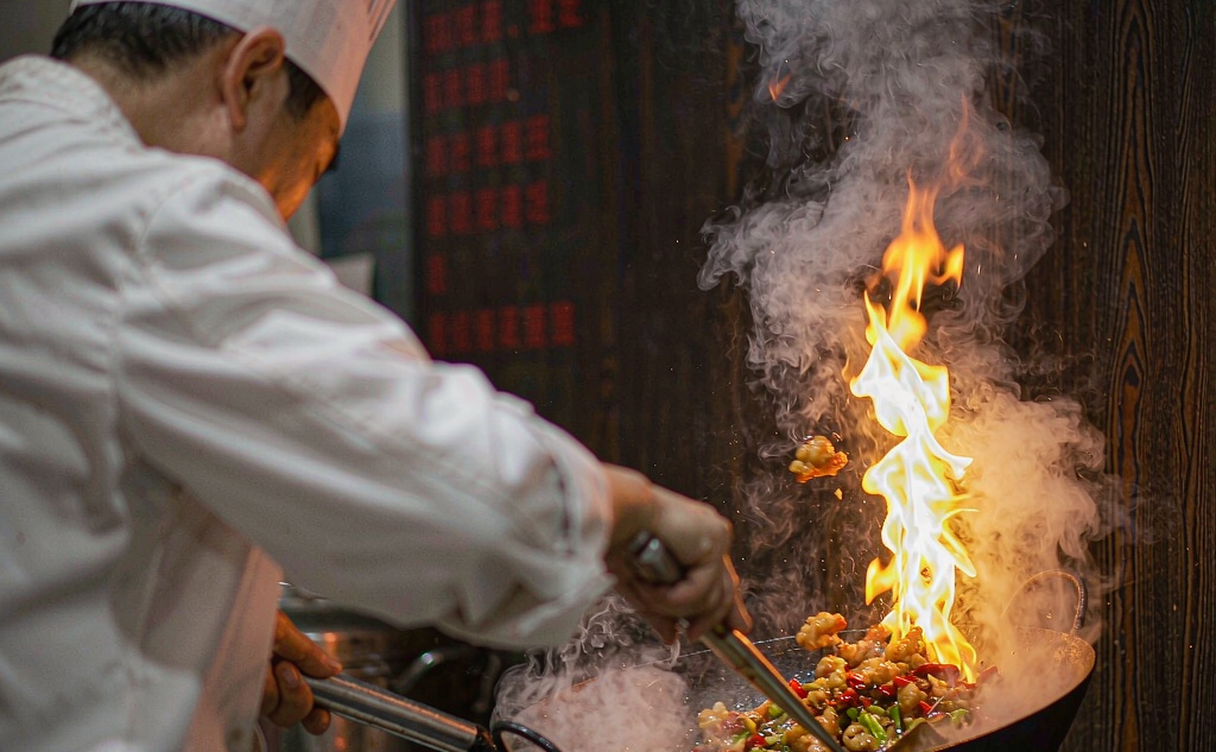
The magic happens in a wok over fierce heat. The cook first toasts the Sichuan peppercorns and dried chilies in oil, then adds the marinated chicken, stirring constantly so nothing burns. The sauce goes in last, thickening almost instantly into a lacquer-like coating. Peanuts are folded through at the very end. The whole process takes only a few minutes, which is why timing and a screaming-hot wok matter so much.
This quick-cooking method is part of why the dish travels well and why it appears on nearly every Chinese menu worldwide. But speed also means there is little room to hide low-quality ingredients. Fresh peanuts, properly aged vinegar, and real Sichuan peppercorns make all the difference.
Making It at Home: A Quick Recipe Kung Pao Overview
You do not have to fly to Chengdu to taste a decent version. A solid recipe kung pao approach starts with sourcing the right pantry items: Sichuan peppercorns (look for the tingling husks, not black pepper), Chinese black vinegar, and dried red chilies sold for cooking rather than crushing.
The home method mirrors the restaurant one. Velvet the diced chicken, toast the aromatics in hot oil, sear the chicken, add the sauce, and finish with peanuts and scallions. The key is restraint: the sauce should coat, not drown. If you can find them, use native Sichuan chilies such as er jing tiao for a brighter, fruitier heat.
Even a careful home cook will tell you that replicating restaurant wok hei, that elusive smoky “breath of the wok,” is hard on a home stove. That is exactly why tasting it in its birthplace remains a travel highlight.
Where to Try Authentic Kung Pao Chicken in China
Chengdu, the capital of Sichuan, is the undisputed home of the dish. The city is dotted with restaurants ranging from humble neighborhood joints to celebrated institutions. Look for places that list “Gong Bao chicken” in Chinese on the menu and that visibly use whole dried chilies and peanuts. Street-side restaurants and bustling food streets both deliver excellent versions at modest prices.
Beyond Chengdu, the wider Sichuan region, including Chongqing and smaller towns, serves its own takes. Chongqing versions can be oilier and more aggressive with heat, while smaller towns often lean on local peppercorns with distinct floral notes. Part of the fun of traveling through the province is tasting how the same dish shifts from one kitchen to the next.
If your trip extends beyond Sichuan, you will find Kung Pao Chicken on menus across China, from Beijing to Shanghai. These versions are convenient but usually toned down for broader palates. Treat them as a safe introduction, then save your most anticipated bite for Chengdu.
Tips for Ordering Like a Local
When you sit down in a Sichuan restaurant, a few small moves will get you closer to an authentic plate. Ask for the dish “traditional style” if the menu offers a choice, since some restaurants keep a separate, milder version for visitors. Request extra Sichuan peppercorns if you enjoy the numbing sensation. Pair the dish with a plainly cooked green vegetable and a bowl of steamed rice to balance the intensity.
Spice tolerance is personal. The dried chilies look alarming, but much of their role is aromatic. If you are new to ma la flavors, start with one plate shared among friends and add more chilies next time. Locals often order several dishes family-style, so Kung Pao Chicken becomes one part of a larger, communal meal.
Why This Dish Belongs on Your China Itinerary
Food is one of the most direct ways to connect with a place, and Kung Pao Chicken is a dish with a clear sense of home. Tasting it in Sichuan, where the chilies are grown and the peppercorns are harvested, turns a familiar menu item into a genuine cultural experience. It is also an easy dish to love: the nuts, the tang, and the gentle heat welcome cautious eaters while still rewarding those who want the full Sichuan punch.
For travelers building a broader plan, our best things to do in China covers markets, cooking classes, and food streets where dishes like this come alive. Pair that with a regional eating strategy and you will eat far better than the average visitor.
A Note on Regional Pride
Sichuan is just one of China’s great culinary regions, and Kung Pao Chicken is one thread in a vast textile of provincial cooking. The dish’s global fame sometimes overshadows quieter local specialties, from fragrant hot pots to delicate smoked teas. Ordering it in its homeland is a respectful nod to the cooks who perfected the balance of chili and peppercorn over generations.
External Reading for the Curious Cook
For those who want to go deeper into the technique and history, a useful reference is the comprehensive overview maintained by a well-known culinary encyclopedia, which details ingredient variations and regional adaptations of the dish. You can read more about its background and preparation at Serious Eats’ Kung Pao Chicken resource. It is a trustworthy starting point for understanding how restaurant techniques differ from home cooking.
Bringing It All Together
Kung Pao Chicken is more than a takeout staple. It is a window into Sichuan’s bold, layered approach to flavor, a dish with a named history and a precise ingredient list. Learn the components, seek out a real wok-cooked version in Chengdu, and you will understand why travelers return from China talking about this dish long after the flight home.
Whether you recreate it in your own kitchen or chase the original through the food streets of Sichuan, let this Kung Pao Chicken guide be your companion. The combination of tender chicken, crackling peanuts, toasty chilies, and that unmistakable tingling peppercorn is waiting, and it tastes best when you know exactly what you are looking for.