

Chicken is the quiet backbone of the Chinese table. Across the country, from bustling city night markets to slow village kitchens, the humble bird is transformed into dozens of distinct dishes that capture the spirit of regional cooking. If you are planning a trip and want to eat well, learning a few names before you go will reward you at every meal. This guide walks through the most beloved chinese chicken recipes, explains what makes each one special, and helps you know what to order when the menu is all in characters you cannot read.
Whether you are a curious home cook hunting for asian chicken recipes or a traveler building your must-eat list, chinese chicken is one of the easiest and most satisfying places to start. The dishes below range from fiery and bold to subtle and soothing, and together they tell the story of how one ingredient can mean so many different things.
Kung Pao Chicken
No list of popular chinese chicken dishes would be complete without Kung Pao chicken. Born in the southwestern province of Sichuan, this stir-fry combines diced chicken, roasted peanuts, and dried red chilies in a glossy, sweet-sour sauce with a gentle numbing heat from Sichuan peppercorns. The magic is in the balance: you get crunch from the peanuts, heat from the chilies, and that signature tingling buzz that defines Sichuan cuisine. It is a dish that rewards attention, because the difference between a good version and a great one comes down to timing and the freshness of the peppercorns.
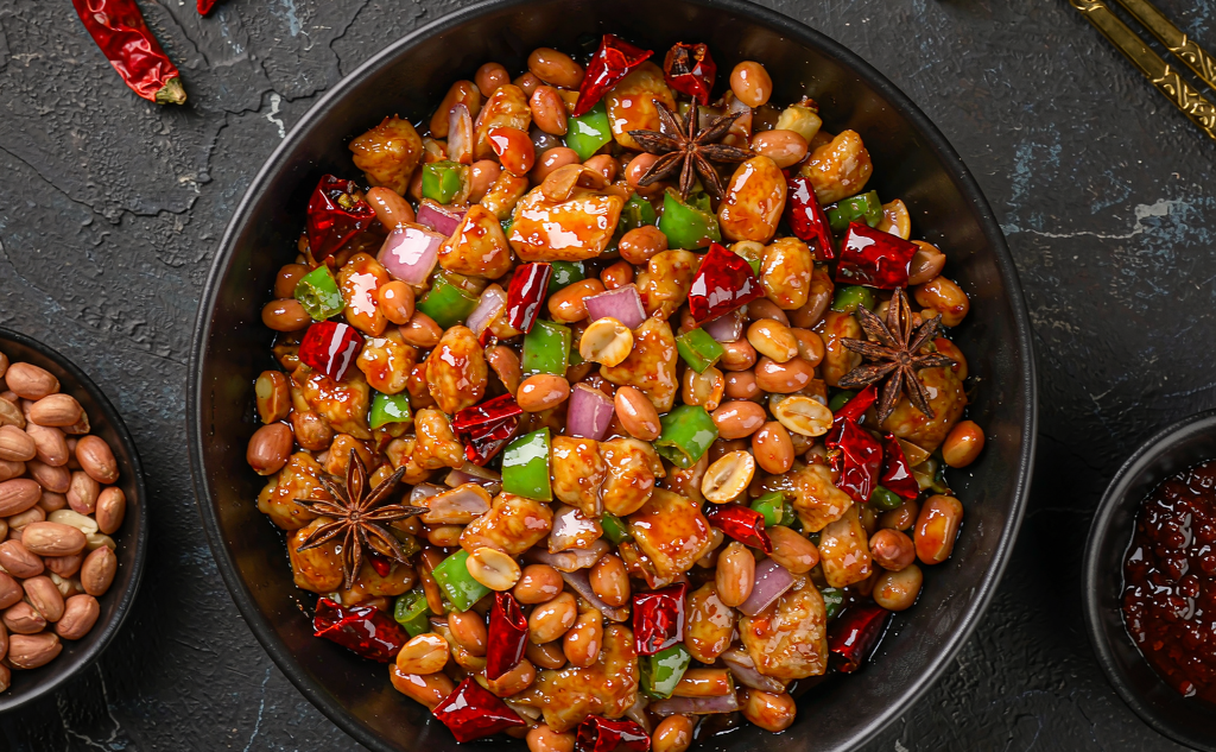
At home, the dish comes together fast. Marinate bite-size chicken in soy sauce, rice wine, and cornstarch, then stir-fry over high heat with the aromatics. The sauce is usually a quick mix of black vinegar, sugar, soy, and a touch of chicken stock. If you want to go deeper into the regional roots, our guide to Chinese cuisine explains how the peppercorn and chili pairing fits into the wider map of the country’s cooking.
White Cut Chicken
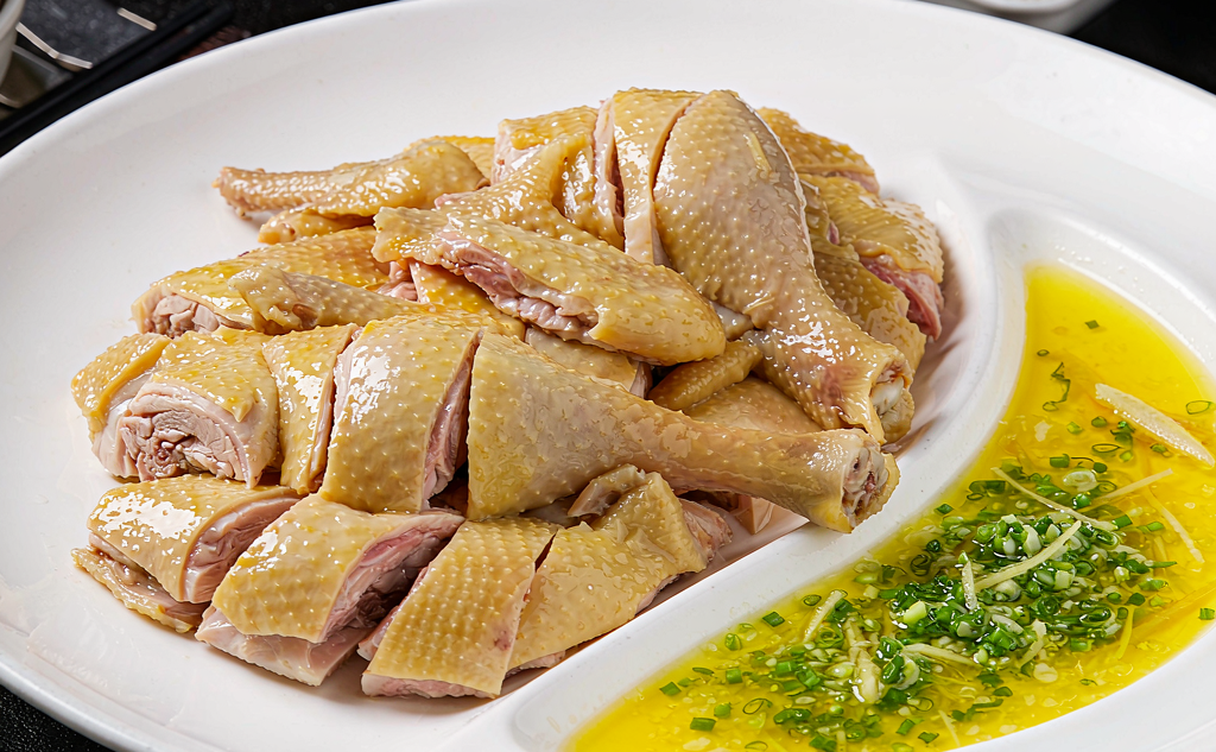
On the opposite end of the flavor spectrum sits white cut chicken, a Cantonese poached chicken dish that proves restraint can be just as exciting as spice. The chicken is gently poached in simmering water, then shocked in ice to tighten the skin, and served at room temperature with a dipping sauce of scallion, ginger, and oil. There is no heavy sauce hiding the meat; the whole point is to taste how good the bird itself is.
In Cantonese food culture, serving a plain poached chicken is a quiet boast about ingredient quality. The skin turns silky, the meat stays tender, and the scallion-ginger dip adds just enough punch. It is the dish you will find at family banquets and dim sum halls alike, and it pairs beautifully with the rice and small plates that define southern Chinese dining. Many first-time visitors are surprised by how much flavor a supposedly plain dish can carry. Once you learn to dunk the meat in the sharp scallion-ginger oil, white cut chicken often becomes the sleeper favorite of the trip.
General Tso and Sesame Chicken
Two names that travel well beyond China’s borders are General Tso’s chicken and sesame chicken. Both are Western-Chinese restaurant staples: bite-size pieces of fried chicken coated in a sweet, sticky sauce, the former tangy and mildly spicy, the latter nutty from toasted sesame. They are less common in everyday mainland kitchens than Kung Pao, but they are worth knowing because so many travelers first meet chinese chicken through them abroad.
Understanding the difference helps you order with confidence. General Tso leans sweet-and-sour with a chili kick, while sesame chicken doubles down on sweetness and sesame aroma. Neither is “authentic” in the strict homeland sense, but both show how Chinese cooking adapted to new palates overseas, a fascinating chapter of the wider story of Chinese cuisine.
Regional Chicken Dishes
Beyond the famous few, regional cooking hides wonderful surprises. In the east, you might find drunken chicken, bathed in rice wine and served cold. In the north, a hearty braised chicken with potato and flatbread soaks up a rich brown sauce. Beggar’s chicken is a showstopper from the south: a whole bird wrapped in lotus leaves and clay, then slow-roasted so the meat falls off the bone with smoky, fragrant depth. Each region treats the bird a little differently, which is exactly why exploring asian chicken recipes from across China never gets old. The best approach is to order the local specialty wherever you land, rather than sticking to the dishes you already know from home.
If you want a broader map of how these dishes fit into the national picture, our Chinese food guide covering the eight great cuisines is a strong companion read. It places chicken specialties alongside noodle, tofu, and vegetable traditions so you can see the full table.
Where to Try Them in China
Location matters. For the boldest Kung Pao, head to Sichuan and order it fresh from a wok you can hear from the street. For the cleanest white cut chicken, the southern coast and its Cantonese kitchens are unbeatable. If your route includes the ancient capital, Xi’an serves excellent braised and cumin-spiced chicken alongside its famous noodles. And if you are still shaping your itinerary, our roundup of the best things to do in China makes room for serious eating stops.
Travelers who plan around food tend to come home happiest. Build a loose route, leave gaps for spontaneous street stalls, and do not be afraid to point at what the table next to you is enjoying. Chicken dishes are usually the safest, most crowd-pleasing entry point for wary stomachs and adventurous ones alike.
FAQ
What are the most popular chinese chicken dishes?
The most popular include Kung Pao chicken, white cut chicken, General Tso’s chicken, sesame chicken, and beggar’s chicken. Each represents a different regional style, from Sichuan spice to Cantonese simplicity.
What is white cut chicken?
White cut chicken is a Cantonese poached chicken dish where the bird is gently cooked in water, chilled, and served with a scallion-ginger dipping sauce. It highlights the natural flavor and texture of the meat rather than a heavy sauce.
Is Kung Pao chicken spicy?
It is mildly to moderately spicy, depending on the cook. The heat comes from dried chilies and Sichuan peppercorns, which also add a unique numbing tingle rather than pure burn.
What is the difference between General Tso and kung pao?
General Tso’s chicken is a fried, sweet-and-tangy dish popular in Western Chinese restaurants, while Kung Pao is a Sichuan stir-fry with peanuts, chilies, and a numbing pepper note. Kung Pao is older and more rooted in mainland regional tradition.
For a scholarly overview of how these traditions developed, see Chinese cuisine on Wikipedia.
Conclusion
From the numbing heat of Kung Pao to the quiet elegance of white cut chicken, chinese chicken recipes show just how diverse one ingredient can be. Learn a handful of names, follow your nose through local markets, and let each region teach you a new way to enjoy the bird. Your next great meal in China might be only a wok away.