

Tucked into a dramatic bend of the upper Yangtze River in southern Sichuan, Shenbi Fortress is one of the most evocative yet least commercialized ancient military sites in all of China. Known in historical records as Old Luzhou, this mountaintop stronghold was built in 1243 during the Southern Song Dynasty to resist the advancing Mongol armies. For 34 years it changed hands five times in brutal seesaw battles, earning Luzhou the proud nickname “Iron-clad Luzhou.” Today it survives as a free, open-air archaeological ruin where you can walk original Song-era stone walls, peer over sheer cliffs above the Yangtze, and stand before a mysterious giant basalt turtle carving that has watched the river for eight centuries.
This Shenbi Fortress guide is written for independent travelers who love history, hiking, and photography without the crowds. Because the site is undeveloped and largely unmarked, a little preparation goes a long way. Read on for everything you need to plan a rewarding visit, from how to get there to what to bring and when to go.
Discover more off-the-beaten-path strongholds and old towns across China with our growing collection of travel guides, and start mapping your own adventure through Sichuan and beyond.
Where Is Shenbi Fortress
Shenbi Fortress sits on the north bank of the Yangtze River in Laolu Village, Shenbi Town, Hejiang County, within the prefecture-level city of Luzhou in Sichuan Province. The name comes from the way the rocky headland stretches into the river like a long arm. The fortress was ingeniously positioned so that three sides are guarded by the Yangtze, with near-vertical cliffs on the west and only a narrow land connection on the east. That geography made it nearly impregnable in an age of cavalry, and it became a sister fortress to the famous Diaoyu Fortress farther downstream, the two together forming a defensive screen for the Southern Song heartland.
At its height the walled settlement measured about 2.5 kilometers from east to west and 1 kilometer from north to south, with a perimeter of roughly 3,365 meters. Inside the walls stood a yamen (administrative office), a bell and drum tower, defensive mortars, and hidden gates. Outside lay a moat, a drill ground, and linear fortifications. In 2013 the State Council designated the ruins a National Key Cultural Relics Protection Unit, and they are now part of China’s tentative World Heritage submission for the Song-Yuan Mountain Fortress Defense System.
A Short History of the Fortress
The mid-13th century was a desperate time for the Southern Song court. As Mongol cavalry pushed south, regional commanders ordered more than a hundred mountain fortresses built across Sichuan and Chongqing, using rugged terrain as a natural wall. Shenbi Fortress was among the most important. Construction began in the third year of the Chunyou era (1243 CE) under Prefect Cao Zhida, following orders from the Sichuan Pacification Commissioner. The seat of Luzhou Prefecture was moved inside the same year, turning the remote crag into a provincial capital of resistance.
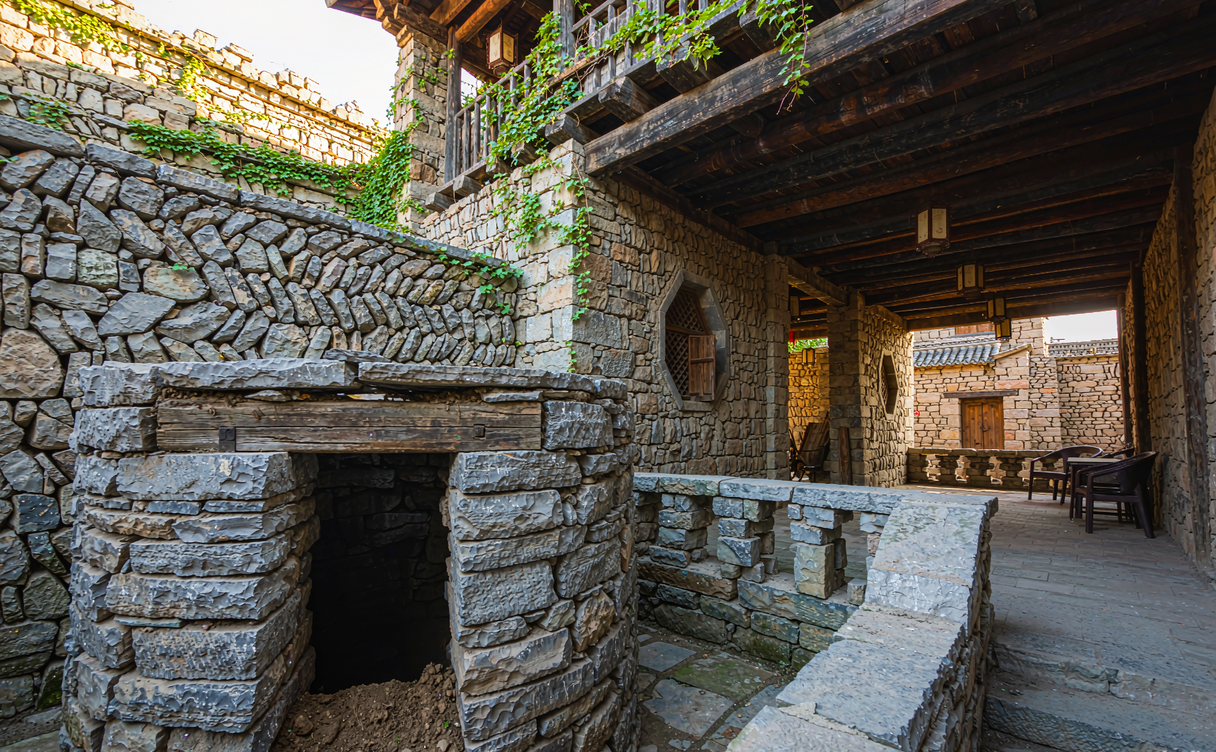
From 1243 to 1277 the Song and Mongol forces fought over the site in five brutal contests, with control flipping back and forth. Only in 1278, after the wider war had turned, was the prefectural seat finally moved back to what is now downtown Luzhou. Unlike many battlefields that were rebuilt and repurposed, Shenbi Fortress was largely abandoned and left to time, which is precisely why it feels so authentic today. You are not walking through a restored theme park; you are walking through the real thing.
How to Get to Shenbi Fortress
Public transport to the ruins is limited, so driving is strongly recommended. The simplest approach is to navigate to “Shenbi City Ruins” and head for the East Gate, where free parking lets you step straight onto the ancient grounds.
For a more atmospheric arrival, take the public ferry. Drive to Mituo Pier in Mituo Town, Jiangyang District, park, and cross the Yangtze by ferry for about 2 yuan. The short crossing delivers you to the foot of the fortress with the river at your back. Be aware that ferry departures are infrequent, so check the return schedule carefully and never cut it close, or you risk being stranded on the far bank.
What to See Inside the Ruins
The site is open and unmarked, so exploration is part of the fun. The highlights you should not miss:
East Gate
The main entrance is a small Southern Song stone arch gate that served as a primary defensive point. It is the classic photo spot and a good place to orient yourself before heading inward.
Song Dynasty Wall Ruins
More than 1,100 meters of original Song-era stone wall still stand, tracing the cliff edges above the Yangtze. Walking these ramparts with the river rolling far below is the signature Shenbi Fortress experience.
The Shenpan Turtle
The most famous relic in the fortress is a massive basalt carving of a turtle, weathered but unmistakable. Local lore ties it to the site’s protective spirit, and it is the one carving visitors consistently remember.
Yizi City, Er City, and Moat Remains
These former military enclosures are partly swallowed by vegetation, so you will need to look closely. The moat and drill-ground traces hint at the disciplined garrison life that once filled this crag.
Riverside Cliffs
The western and riverside cliffs offer sweeping views of the Yangtze and spectacular sunsets. Bring a camera and arrive in the late afternoon if golden-hour photography is your goal.
Best Time to Visit
Spring and autumn are ideal, with mild temperatures and clear views over the river. Summers are hot and lush, which means mosquitoes and overgrown paths, so pack repellent. Winters are cold and windy on the exposed cliffs, so dress warmly. Because the ruins are outdoors with no shelters, avoid heavy rain, which makes the earthen paths and riverside rocks slippery. A dry, calm day gives you the safest and most photogenic visit.
Shenbi Fortress Tips for a Smooth Trip
A good Shenbi Fortress guide would be incomplete without practical advice, because the undeveloped nature of the site is both its charm and its challenge. Keep these tips in mind:
- Wear non-slip sneakers or hiking shoes. Dirt trails, slopes, riverside rocks, and weeds all demand steady footing.
- Bring your own water and snacks. There are no shops, no ticket offices, and no restaurants inside the ruins.
- Pack mosquito repellent in summer and a windproof layer for riverside sunsets.
- Do not climb on the walls, gates, or carvings, and never graffiti the stone. This is a protected heritage site.
- Download or read up on Southern Song mountain fortresses before you come. With few interpretive signs, background knowledge transforms a walk into a story.
- Note the last ferry time if you arrive by boat, and keep some cash for the small fare.
- Pair the visit with Mituo Zhongba, a Yangtze sandbar reachable in the dry season and excellent for sunrise or sunset over the river beach.
If Sichuan’s warrior past fascinates you, explore our related China travel guides to build a deeper, history-rich itinerary that goes well beyond the usual tourist checklist.
Where to Eat and Stay
There are no dining facilities inside the fortress, so plan to eat back in Shenbi Town. Travelers report solid local Sichuan cooking at small family restaurants, simple noodle shops for a quick affordable bite, and highly rated takeaway crispy duck. For an overnight stay, most visitors base themselves in Luzhou city, which has a full range of hotels, or in Hejiang County for quicker access to the ruins the next morning.
Suggested One-Day Plan
Drive to the East Gate and park, walk through the East Gate, hike the ancient walls, seek out the Shenpan Turtle carving, enjoy the Yangtze from the riverside cliffs, then return to town for a meal. If time allows, add Mituo Zhongba for sunset. The whole loop comfortably fills two to three hours of relaxed exploring.
Pairing Shenbi Fortress With Nearby Highlights
Shenbi Fortress works beautifully as part of a wider Sichuan and Yunnan journey. History lovers can connect it to the mountain-fortress tradition represented by Diaoyu Fortress, while culture seekers may enjoy the Lijiang Old Town travel guide for a completely different flavor of Chinese heritage. If you want to string several destinations together, the Yunnan Lijiang Dali itinerary is a strong template for regional planning, and the Kunming travel guide helps you anchor a southwestern loop.
For travelers who prefer Sichuan itself, the Chengdu Mount Emei guide pairs mountains and monasteries with big-city comfort, while the Guangxi 7-day itinerary offers a green, karst-filled contrast to the fortress’s stark cliffs. Tea enthusiasts should not miss the Hangzhou Longjing tea village guide for a serene counterpoint to military history.

Why Shenbi Fortress Matters
What sets this site apart is its honesty. There are no reconstructed halls, no souvenir stalls, no light shows. You stand where soldiers stood, trace the same walls they defended, and watch the same river that decided their fate. For travelers weary of over-restored attractions, that raw authenticity is the reward. The fortress also belongs to a remarkable network of Song-Yuan mountain forts, a subject explored in depth on Wikipedia’s overview of the Song-Yuan border wars, which helps place Shenbi Fortress in the wider sweep of 13th-century history.
Final Shenbi Fortress Tips Before You Go
To sum up this Shenbi Fortress guide in a few parting thoughts: travel light but prepared, arrive with curiosity about the Southern Song resistance, and give yourself at least half a day including the drive. Respect the ruins, take only photographs, and leave no trace. Whether you come for the military history, the riverside hiking, or the quiet thrill of an untouched battlefield, Shenbi Fortress delivers a memorable slice of China’s past with almost none of the crowds.
Ready for more untamed Chinese history and hidden destinations? Browse our full library of China travel guides and craft a journey that trades tourist crowds for real discovery.