

Longjing tea village Hangzhou is where China’s most famous green tea is grown, picked, and pan-fired by hand in the hills just west of West Lake, and in our experience a morning among the terraces beats any museum for understanding Chinese tea culture. We have sent travelers here who thought tea was just a hot drink and watched them leave carrying two hundred grams of pre-Qingming leaves and a new obsession, and this guide shows you how to do the same without the tourist traps.
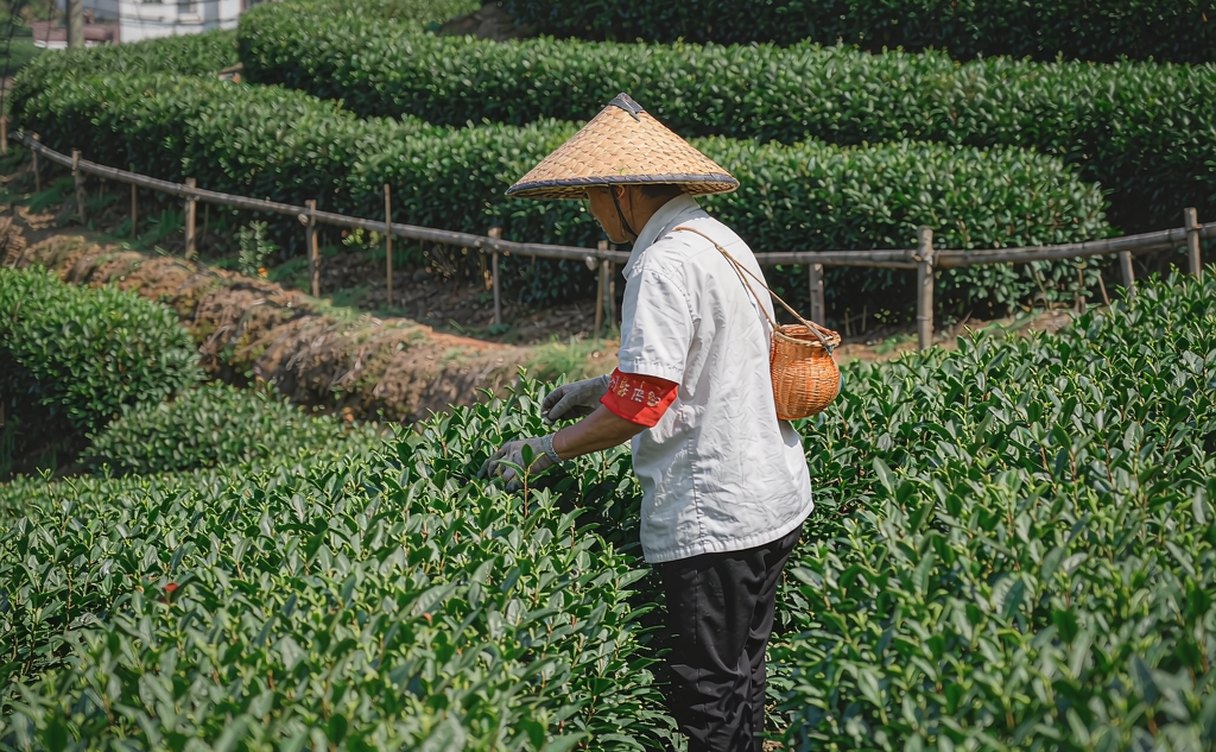
Why Longjing (Dragon Well) matters
Longjing, meaning “Dragon Well,” is a pan-fired green tea with a flat, jade-colored leaf and a gentle chestnut sweetness. The top grades come from the village plots closest to West Lake, labeled “Xi Hu Longjing.” The harvest peaks in early spring, with the most prized leaves picked before the Qingming festival in early April. The Longjing tea entry on Wikipedia gives a useful botanical and historical overview we hand to guests before they go, because the naming gets confusing fast once every shop claims to sell the “real” thing.
Getting to Hangzhou and to the village
Hangzhou sits 45 minutes from Shanghai by high-speed train, with frequent services from Beijing, Xi’an, and most major cities arriving at Hangzhou East Railway Station. From there, metro Line 1 connects to the city, and bus 27 runs from the center out to Longjing Village and the neighboring tea hamlet of Meijiawu. A taxi from West Lake takes about 20 minutes and costs RMB 30 to 50. Our Hangzhou travel guide covers station transfers and which area to base yourself in, because where you sleep changes how early you can be on the terraces.
The villages: Longjing vs. Meijiawu
Longjing Village (龙井村) is the historic core, small and tourist-friendly, with family farms offering tastings on their decks overlooking the terraces. Meijiawu (梅家坞) is larger, less polished, and favored by locals for its unbranded, fairly priced leaves. Both let you watch the pan-firing (杀青) in a wok over charcoal, the step that gives Longjing its flat shape and toasty note, and both close the fields in winter when there is nothing to pick.
- A basic tasting with 3 to 4 brews costs RMB 30 to 80 per person.
- A half-day farm visit with picking (spring only) runs RMB 120 to 200.
- Loose tea to take home ranges from RMB 200 per 50g for ordinary grades to RMB 1,000-plus for genuine pre-Qingming Xi Hu Longjing.
We always warn travelers that the cheap “Longjing” sold at airport shops is usually from elsewhere in Zhejiang; buy from a farm you watched process the leaf. A Hangzhou Longjing tea guide worth trusting points you to the plot, not the package, and a farmer who shows you the wok is worth more than a glossy tin.
What to do there
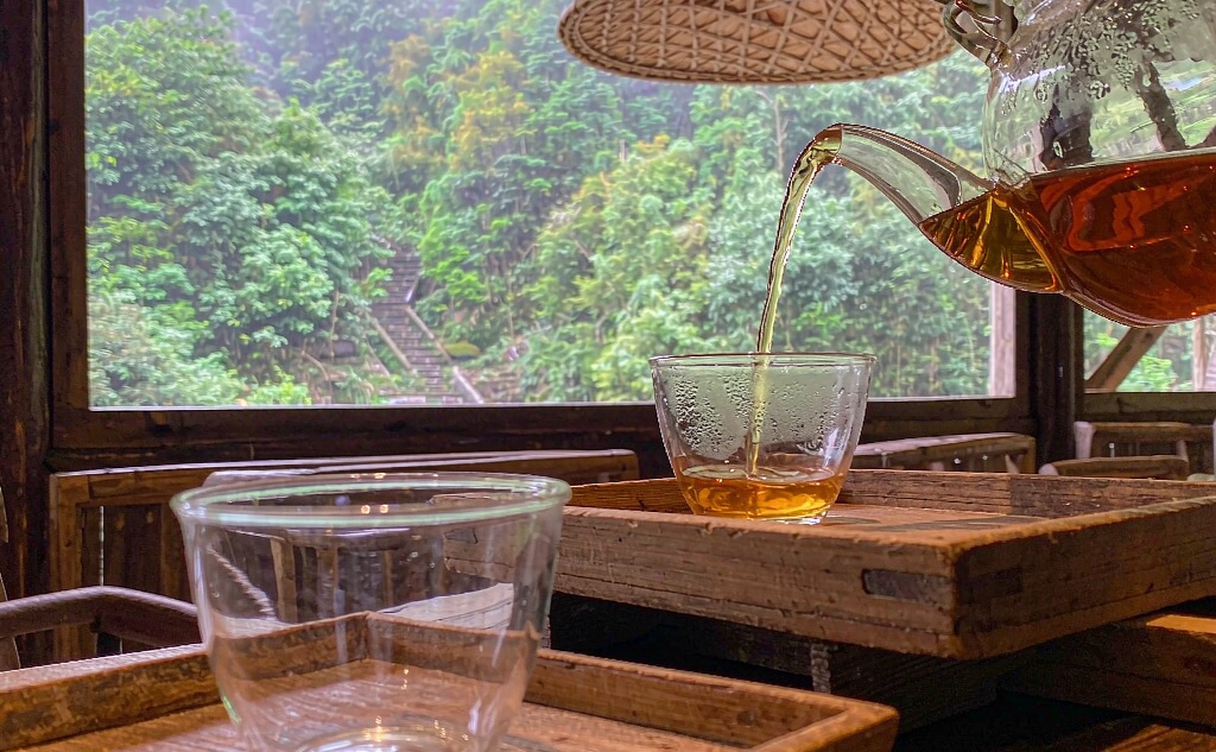
The things to do in Hangzhou around tea are pleasantly low-key, and none of them require a guide if you have a map:
- Walk the terrace trails between Longjing and Meijiawu, about 4 km one way, with tea houses along the route offering rests and refills.
- Join a tasting where the host shows the correct 85°C water and the “sit and stand” leaf dance in the cup, a small show that tells you the leaf is fresh.
- Hike up to the Tea Museum (China National Tea Museum) nearby, free entry, with exhibits on processing and a quiet garden for your own brew.
- Buy direct from a family whose name is on the bag, and ask them to write the harvest date on the receipt.
The best time to visit Hangzhou for this is March to mid-April, when the hills are green and the air smells of fresh leaf. Autumn is calm and good for hiking, but the picking is long over and the farms may be between seasons, so call ahead.
Buying and storing your tea
After you taste, the question is what to carry home. Genuine Xi Hu Longjing is sold by the 50g in the villages, and a sealed foil pouch keeps it fresh for about six months if you keep it away from light and strong smells. We advise buying two small batches from two different farms rather than one big tin, so you can compare at home and learn your own preference. Shipping tea home is straightforward: the farms will vacuum-seal it, and a 200g parcel posts internationally without trouble. Avoid the “gift boxes” near the tourist bus drop-off, which often contain lower-grade leaf from outside the protected zone at premium prices.
A half-day sample plan
A realistic morning looks like this: taxi to Longjing Village at nine, taste at one family farm for an hour, walk the terrace trail toward Meijiawu for another hour with a tea-house stop, then lunch at a farm restaurant serving tea-smoked fish and bamboo shoots. Start at the upper end of the village where the old wells sit, since the name Dragon Well comes from the actual spring there and a farmer will usually show it to you if you ask. By early afternoon you can descend to West Lake and trade the hills for water. This pace leaves room for the Tea Museum if the weather turns. We have run this exact loop with dozens of travelers, and the ones who skipped the rushed shopping stop always enjoyed it more.
What the good leaf tastes like
Learning to taste is the point of the trip. A proper Xi Hu Longjing brewed at 85°C should be pale green rather than yellow, with a clean fragrance somewhere between toasted chestnut and fresh grass, and a sweet aftertaste that lingers without bitterness. If the brew is dark, harsh, or smells of old hay, it is either over-fired or not from the lake district. The “sit and stand” test helps: drop a few leaves into a glass of warm water and the good ones stand upright before slowly sinking, a sign of youth and careful firing. We tell travelers to trust the tongue over the label, because the name on the tin means little once you are past the village gate.
Pairing tea with the classics
A tea day fits neatly into a wider Hangzhou plan. The West Lake itself is the natural morning counterpart, a boat ride followed by the climb to the hills in the afternoon, and the old Lingyin Temple in the hills northeast of the lake makes an easy add-on for those who want a cultural bookend. For a national perspective, a dedicated China tea tour guide connects Hangzhou’s Longjing with Fujian oolongs and Yunnan pu-erh into one route, and our China tea house guide explains the etiquette of being served across the country, from the rinsing pour to the order of the brews.
Longjing rewards curiosity: ask the farmer about their plot, and you’ll taste the difference between a hillside and a floodplain in a single cup.
Whenever we send guests to Zhejiang, we remind them that the region is best taken slowly, and the trains make the whole trip simple once you know the lines.