

Sanya seafood is the payoff at the end of a Hainan beach trip, and in our experience the warm South China Sea puts a tropical twist on the standard Chinese shellfish roster, think green lip mussels, spiny lobster, and reef fish you will not see on northern menus. We have sent travelers here who expected only resort buffets and left talking about a RMB 200 crab dinner on a plastic stool, and this guide explains where to find those meals and how to keep the bill honest.
Why Sanya’s seafood stands out
Hainan is China’s only tropical province, and Sanya, at its southern tip, sits where the ocean stays warm year-round. That means a longer harvest window and a different species mix than Fujian or Guangdong. The local Li and Han cooking keeps things simple: steamed with ginger and scallion, or boiled in a clear broth so the sweetness comes through. If you want to place Hainan in the national picture, our Chinese food guide to 8 cuisines shows how the island’s light-handed style fits alongside the heavier coastal kitchens of the east.
Where to eat: the markets
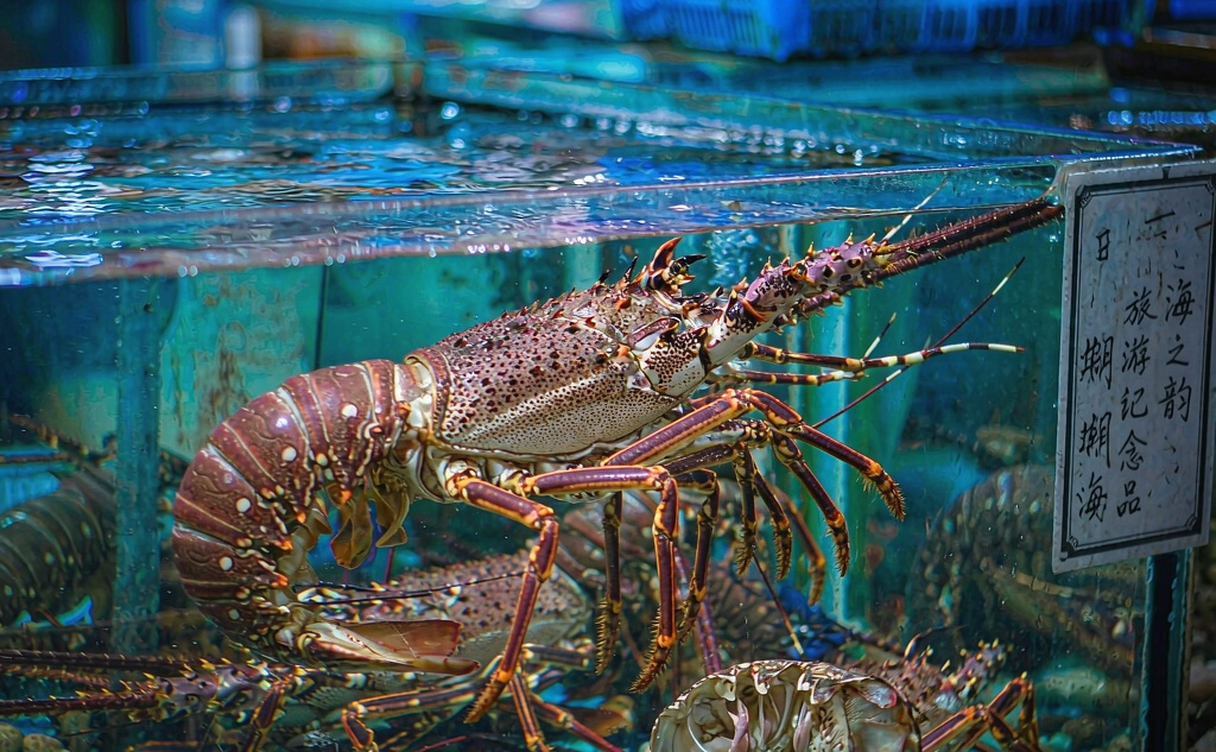
The classic move is the First Market (第一市场) in downtown Sanya, a working wet market where you buy live seafood by weight and carry it to one of the surrounding cooking stalls, which charge roughly RMB 10 to 15 per dish to prepare it. Expect about RMB 50 to 100 per jin for prawns, RMB 80 to 200 for spiny lobster depending on size, and RMB 40 to 80 for local fish. The atmosphere is loud, friendly, and very local; you will share the lane with aunties haggling over grouper.
Chunyuan Seafood Plaza and the newer Huochengtou Seafood Square are purpose-built versions of the same idea: rows of stalls, a central buying area, and uniform cooking fees. They are easier for non-Chinese speakers because the process is standardized and some stalls keep picture menus. In our book the best seafood in Sanya is the stuff you pick live and watch cooked, so plan at least one market night and treat the resort buffet as a separate, more expensive convenience.
Beachfront restaurants and resorts
If you would rather sit with a view, the strips near Yalong Bay and Dadonghai have seafood restaurants with English menus and prices roughly 30 to 50 percent higher than the markets for similar plates. A resort dinner for two runs RMB 400 to 800. These are convenient but less of an adventure; we steer food-first travelers toward the markets and save the beach tables for a sunset when the cooking matters less than the view.
Getting to Sanya and getting around
Sanya Phoenix International Airport has direct flights from most major Chinese cities and a growing set of international routes via Hong Kong, China and Singapore. From the airport, taxis and ride-hailing apps reach Yalong Bay in 30 to 45 minutes and Dadonghai in 20. There is no metro yet, so budget for taxis or a hired driver for day trips to the quieter southern coves. Our Sanya beach travel guide breaks down which bay suits which traveler, because the distance between them adds up and a wrong base can cost you an hour each way.
What to order
These are the things to eat in Sanya that justify the trip, and most are priced by the live weight you see:
- Spiny lobster (青龙虾), split and steamed; RMB 120 to 200 a kilo.
- Green lip mussels, steamed with garlic; RMB 30 to 50 a plate.
- Reef fish in broth, a light, sweet soup; RMB 60 to 100.
- Salt-baked shrimp, a Hainan coastal method; RMB 50 to 80.
- Sea urchin steamed with egg, a local delicacy; RMB 25 to 40 each.
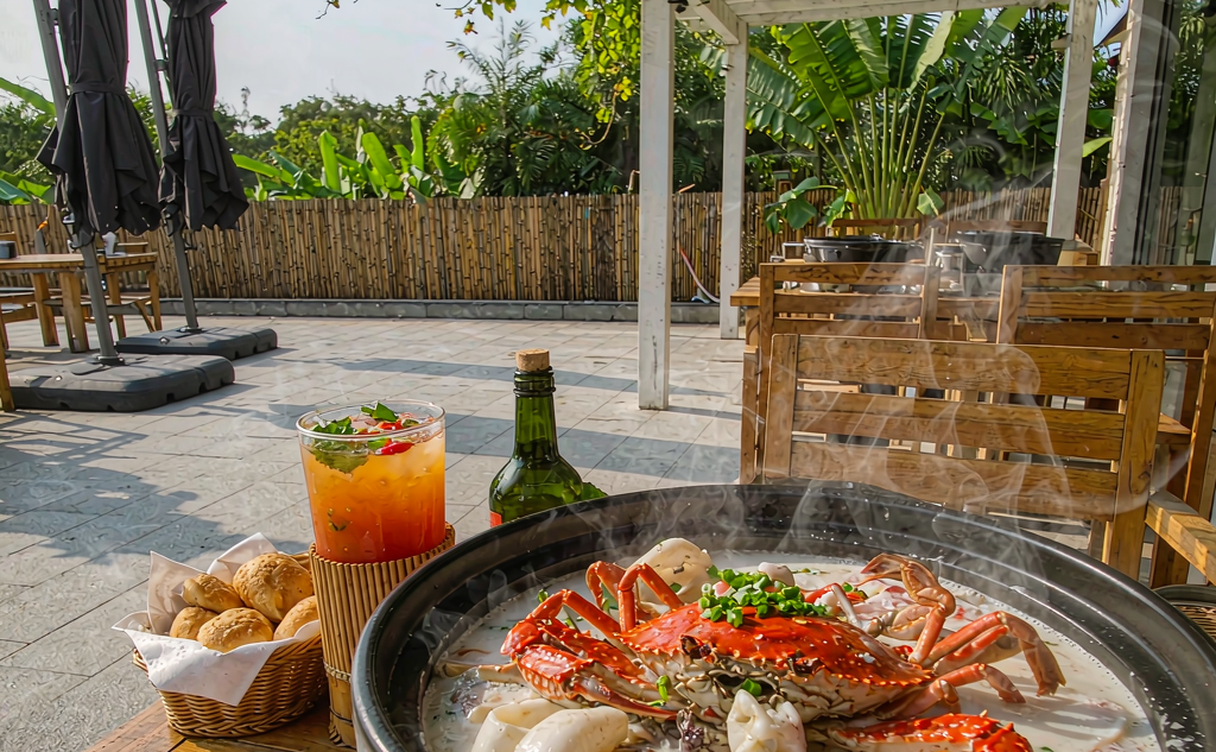
- Coconut-infused crab, a tropical touch unique to the island; RMB 100 to 180.
We tell travelers to confirm the weight on the scale in front of you and to photograph the price board before cooking, because tourist-area stalls are where the rare bad experience happens. A reputable Sanya seafood restaurant posts prices clearly and weighs in front of you, and the good ones will walk you to the tank without being asked.
Cooking it yourself and market etiquette
The First Market system rewards a little confidence. You buy from one seller, then carry the bag to a cook who charges by the dish, and the unspoken rule is that you taste before you complain. We tell travelers to watch the scale and to ask for the crab or lobster to be shown alive right before weighing, because a swapped bag is the one problem worth avoiding. If you want to go further, several operators around Sanya offer half-day fishing trips where you catch your own reef fish and a kitchen prepares it on the spot; these run about RMB 300 to 600 per person including the boat and the meal, and they suit travelers who want the sea without the resort markup. Bring reef-safe sunscreen and a hat, because the southern sun is strong even in the cool season and the boat shade is rarely enough.
Beyond the plate: drinks and desserts
Sanya’s tropical setting shows up off the seafood table as well. Fresh coconut water, hacked open with a machete at roadside stalls for about RMB 10 to 15, is the default drink and a better pairing with shellfish than beer. For something stronger, Hainan’s local rice spirits are rough but authentic, and a chilled bottle of cold beer is everywhere if you prefer the familiar. Desserts lean fruity: the island’s small pineapples are sweeter than northern varieties and cost a few yuan from a cart, and the mango sticky rice sold near the beaches makes a cooling finish after a peppery shrimp plate. We usually tell travelers to save room, because the fruit alone justifies a second walk along the shore.
Seasons and timing
The Sanya article on Wikipedia notes the city’s tropical monsoon climate, with the most pleasant weather from November to April and a hot, humid, typhoon-prone summer from May to September. We send most travelers in the cool season, when the sea is calm and the markets are at their busiest, and when the humidity will not flatten your appetite. Avoid the week-long National Day holiday in early October if you want sane prices, because the beach crowds push both room and table rates up.
A Sanya food guide should also mention the non-seafood stars: Hainanese chicken rice, fresh coconut, and the island’s tiny sweet pineapples. Pair those with your market dinner and you have a full picture of the local table without leaving the casual stalls.
For a wider route that links the coast to interior food cities, a dedicated China food tour guide can build Sanya into a longer eating trip across the south.
Sanya works best as a slow trip: a morning market, an afternoon in the water, and a long dinner where the ocean does the seasoning.
Whenever we send guests to Hainan, we remind them that the island runs on its own rhythm, and the cashless apps make even the market stalls easy once set up.