

Tucked into the folded mountains of Sichuan, Wolong Valley is one of China’s most rewarding wildlife destinations. This deep river valley sits about 130 kilometers west of Chengdu and forms the green heart of the Sichuan Giant Panda Sanctuaries, a UNESCO World Heritage property that protects more than a third of all wild giant pandas on the planet. For travelers who want more than a quick zoo visit, Wolong offers captive pandas in a genuine mountain setting, along with alpine meadows, fir forests, and some of the clearest night skies in the region.
This wolong valley china guide is built to help you plan a smooth trip: when to go, how to get there, what to do, and the small details that make the difference between a rushed day and a memorable overnight. Whether you are a first-time visitor to China or a seasoned repeat traveler, Wolong rewards a little preparation.
Ready to build your Sichuan adventure? Explore our other in-depth China travel guides to pair Wolong with the cities and landscapes that make this region unforgettable.
Why Wolong Valley Stands Out
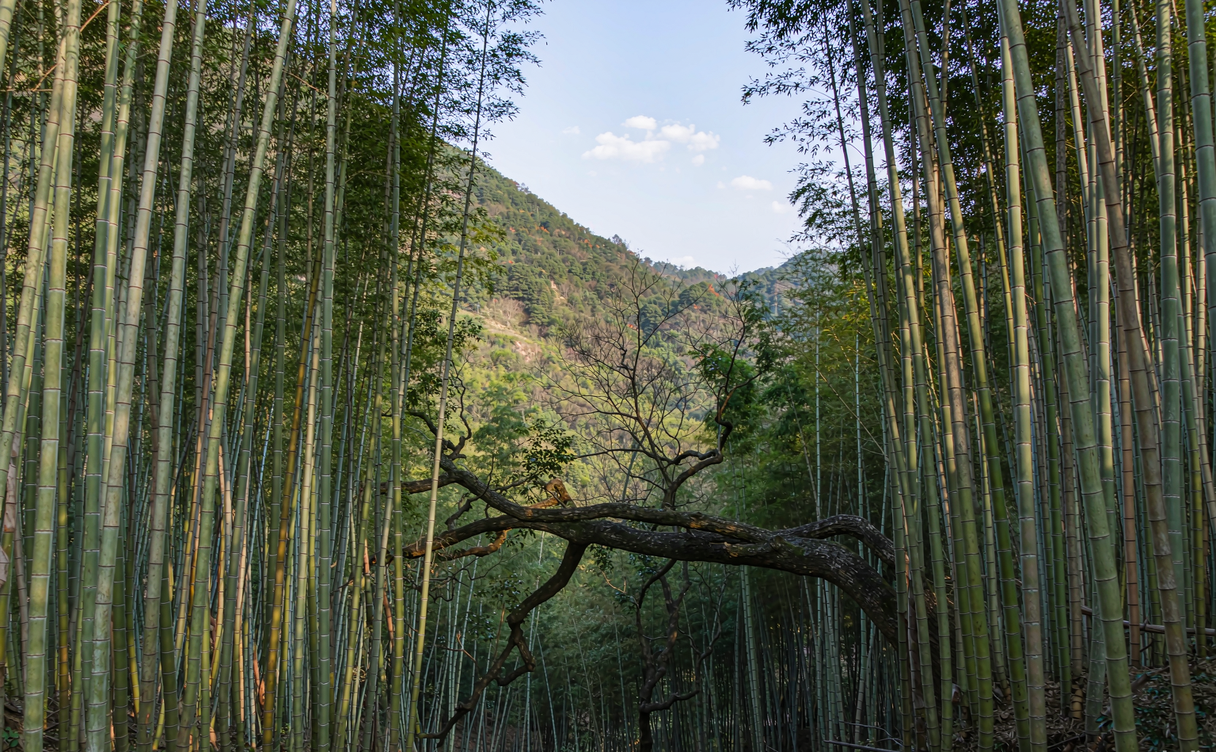
Wolong was China’s first major panda reserve, established in 1963, and it remains the scientific center of captive panda breeding. The landscape spans roughly 200,000 hectares of bamboo forest across the Qionglai mountain range. More than 150 wild pandas are estimated to live here, alongside red pandas, the shaggy Sichuan takin, and snub-nosed monkeys higher on the ridges.
What sets Wolong apart from the famous Chengdu Panda Base is the sense of wilderness. The animals live in cooler, greener, more natural enclosures set against forested slopes. The valley itself is the attraction: a glacier-carved corridor of rushing rivers, terraced farmland, and timber guesthouses rebuilt after the 2008 earthquake. If you want scenery with your pandas, this is the place.
Best Time to Visit Wolong Valley
Timing is the single most important decision for a Wolong trip. Because this is a mountain reserve rather than a city attraction, season controls both road access and how active the pandas are.
- Spring (April to May): Mild and fresh. The valley greens up, wildflowers appear on the slopes, and pandas emerge from their slower winter routine. Crowds are lighter than in autumn.
- Autumn (September to October): The best overall window. Days are cool and dry, the high ridges have excellent visibility, and the forest turns gold and red. Late October is the sweet spot; avoid the first week of October during the national holiday.
- Summer (June to August): Green but wet. The monsoon brings heavy afternoon rain, fog, and the occasional road washout on the approach roads. Pandas retreat indoors more often in the heat.
- Winter (December to February): Cold and quiet. Snow can close high passes, but the few visitors who come enjoy clear mountain light and pandas that are noticeably more active in the cold.
A useful wolong valley china tip: pandas are most active in cool weather and in the morning. Arrive at opening time, roughly 08:30, to catch feeding and play before the afternoon rest period.
How to Get to Wolong Valley
Most travelers base themselves in Chengdu and make Wolong a long day trip or an overnight. The drive takes two to three hours each way once you clear the city and the Dujiangyan area. The final stretch follows the valley road past small villages and reconstructed towns.
Public buses run from Chengdu’s Chadianzi station toward Wolong, but the schedule is limited and the last leg can be slow. A private car or a licensed driver is the more comfortable choice and lets you stop at the Balang Mountain pullouts. If you prefer the keeper program without the longer drive, the Dujiangyan panda base sits about an hour closer to Chengdu on the same road.
Wolong valley china tips for transport: check mountain road status before you leave in winter, carry your passport at all times for entry registration, and download an offline map because phone signal drops on interior trails.
Things to Do in Wolong Valley
Visit the Shenshuping Panda Base
The main visitor facility sits on safer ground after the 2008 rebuild. Plan two to three hours for a loop past the breeding enclosures, a small museum on panda biology, and a nursery if cubs are present, usually from August to October. The mountain backdrop makes every photo better than the flat enclosures in the city.
Try the Keeper-for-a-Day Program
The standout experience is volunteering alongside the keepers. You clean an enclosure, prepare bamboo and “panda cake,” and watch a feeding up close. It costs roughly 800 to 1,000 yuan per person and must be booked weeks ahead through the base or a licensed agency, because places are limited to keep stress off the animals.
Walk the Riverside and Ridge Trails
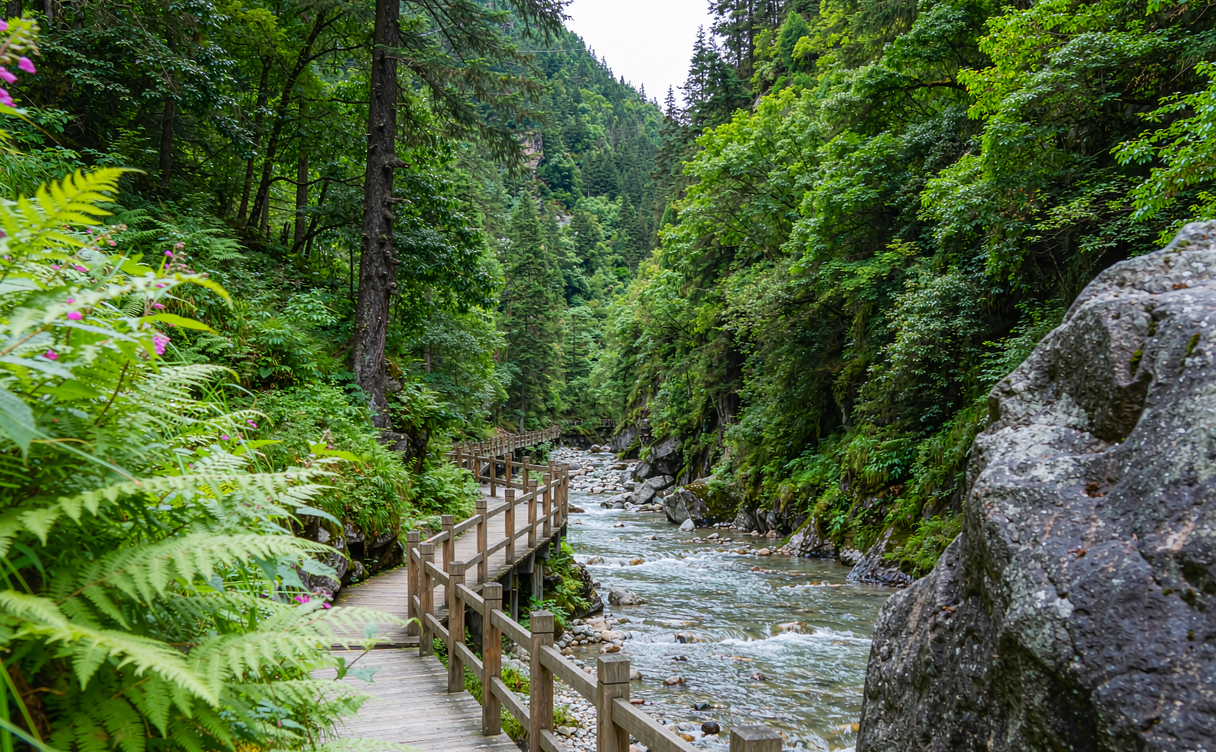
Beyond the pandas, Wolong rewards walkers. The Gengda riverside trail and the climb toward the Balang Mountain pass pass through fir forest and alpine meadow with excellent birding. Red pandas are easier to spot at dusk along the Gengda trail, and birders come for the blood pheasant and blue-eared pheasant.
Soak in the Hot Springs
Guesthouses at Huoshaogou, about 40 minutes up the valley, offer hot spring soaks for 60 to 120 yuan. After a day of walking, it is the perfect way to reset tired legs.
Love mountain scenery and wildlife? Our Guilin and Yunnan guides show you more of China’s wild side, from karst rivers to ancient towns between the peaks.
Where to Stay and What to Eat
Most visitors either return to Chengdu or overnight in Gengda village inside the reserve. Staying one night means a relaxed morning panda visit before the afternoon heat draws animals indoors, and the dawn enclosures are quieter. Guesthouses range from simple timber lodges to hot-spring stays.
The food in the valley is hearty and peppery, true Sichuan home cooking rather than the toned-down version found abroad. Expect mapo tofu, twice-cooked pork, and smoked mountain meats, plus wild greens gathered nearby. Bring small-denomination cash, because some village vendors and stalls do not accept foreign cards, and ATMs inside the reserve are limited.
If you want to round out your trip with city culture, our Beijing first-time travel guide covers the capital’s essentials, while the Shanghai Xintiandi guide walks you through the city’s most stylish district. For history lovers, the Shaanxi History Museum in Xi’an is an easy add-on on a separate route.
Sample Itineraries
One-Day Dash from Chengdu
Leave Chengdu by 07:00, arrive at the base near opening, spend three hours with the pandas and museum, lunch in Gengda, then drive back. Expect 12 to 14 hours door to door, so this suits energetic travelers.
Relaxed Two-Day Loop
Day one: drive to Wolong, check in at Gengda, soak in the hot springs, and eat a slow Sichuan dinner. Day two: morning panda visit, a short ridge walk, then continue toward the higher peaks or back to Chengdu. Many travelers combine Wolong with the taller mountains an hour further up the road for a proper alpine tour.
For more nature-and-town combinations, see our Guilin and Yangshuo travel guide and the Lijiang Old Town travel guide. If you want a longer route, the Yunnan Lijiang and Dali itinerary lays out a classic southwest loop.
Practical Tips for a Smooth Visit
- Carry your passport. Entry registration requires it at both main gates, even with a pre-booked e-ticket.
- Dress in layers. Visitor areas sit between 1,900 and 2,520 meters. Mountain mornings are cold and damp even in summer.
- Book the volunteer program early. Spaces are limited and sell out weeks ahead.
- Go early. Cool mornings give the most active pandas and the best light on the ridges.
- Mind altitude. The Balang Mountain pass reaches about 4,500 meters. The thin air at the crest surprises people who felt fine in the valley.
- Prepare for weak signal. Download offline maps and a translation pack before leaving Chengdu.
For background on the broader landscape, the Sichuan Giant Panda Sanctuaries entry on Wikipedia explains how Wolong fits into the wider World Heritage property protecting wild pandas across the region.
Final Thoughts
Wolong Valley China is more than a panda stop. It is a full mountain ecosystem where conservation, culture, and scenery meet. Plan for cool mornings, book the experiences you care about in advance, and give yourself at least one night if your schedule allows. The reward is a quieter, greener, and more authentic encounter with China’s most beloved animal than you will find anywhere closer to the city.
Want the full picture of traveling in China? Browse our complete collection of China travel guides and start mapping your perfect route today.