

Chengdu is the undisputed heart of Sichuan cuisine, a city where the day begins and ends with the same cheerful question: what shall we eat next? Few places on earth take food quite as seriously, or quite as joyfully, as this laid-back capital in southwest China. Locals measure their neighborhoods by the restaurants within walking distance, and visitors quickly learn that a trip here is really a multi-day tasting tour disguised as a vacation. If you are building a shortlist of the best restaurants in Chengdu 2026, you are in for a delicious education.
The first thing to understand is that Chengdu food is not simply “spicy.” Sichuan cooking is built on a complex layering of flavors, the most famous being málà, the numbing-and-hot combination of chili and Sichuan peppercorn. But behind that signature buzz lies a kitchen philosophy that balances sour, sweet, savory, smoky, and aromatic notes. The result is a cuisine that never tires the palate, no matter how many meals you stack on top of one another.
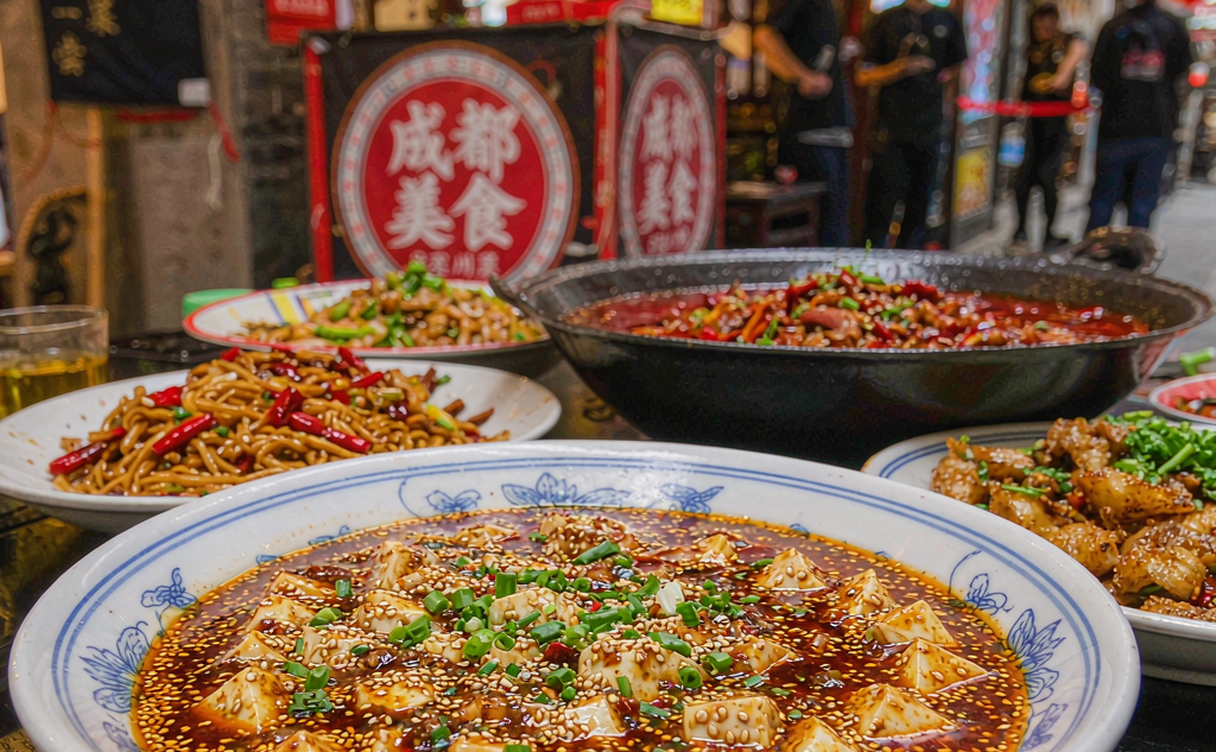
The Hotpot Ritual and How It Differs From Home Cooking
No conversation about Chengdu restaurants can skip hotpot, the communal boil-everything feast that anchors social life here. Chengdu hotpot is typically milder and more fragrant than the ferocious style found upriver in Chongqing, leaning on buttery broth, doubanjiang (fermented chili bean paste), and a gentle hum of peppercorn rather than raw heat. You choose a split pot, cook thin slices of beef, tripe, lotus root, and tofu at your own pace, then dip each bite into a bowl of sesame oil, garlic, and cilantro that cools and lifts the flavors.
This is where the idea of Chengdu hotpot vs home cooking becomes useful for travelers. Hotpot is a night-out spectacle, loud and social, best shared with three or four friends over two or three hours. Home-style cooking, by contrast, is the quieter genius of the city: braises, stir-fries, and steamed dishes that showcase a single ingredient without theatrical fire. Restaurants that specialize in “mother’s kitchen” style serve exactly these comforting plates, and they deserve just as much of your appetite as the hotpot halls. If you want to compare regional styles before you fly, our china hotpot regional guide breaks down how Chengdu’s approach differs from its neighbors.
Where to Find Great Mapo Tofu
If hotpot is the party, mapo tofu is the soul. This silken tofu simmered in chili, fermented bean paste, and a generous scatter of ground beef or pork is the dish that tells you whether a kitchen respects tradition. The question of Chengdu mapo tofu where to eat comes up constantly with first-time visitors, and the honest answer is that you should chase it in unassuming neighborhood spots rather than only the famous flagship addresses. Look for a version where the tofu trembles but holds its shape, the sauce clings rather than pools, and the peppercorn delivers a clean tingle across the lips.
A few rules of thumb help. Seek out restaurants that list mapo tofu as a signature rather than one of forty forgettable items. Arrive early, because the best versions often sell out by early evening. And order it alongside a plate of stir-fried greens to reset your palate between spoonfuls. The dish also travels well in your memory, which is why many travelers combine a Chengdu food trip with exploring nearby provinces, such as the routes outlined in our guizhou food guide.
The Cheap Eats That Define the City
You do not need a fat wallet to eat brilliantly in Chengdu. The city runs on small, affordable pleasures: bowls of dan dan noodles tossed with chili oil, crushed peanuts, and preserved vegetables; flaky puff-pastry filled with spiced beef; sweet sticky rice cakes pressed on griddles at street corners. A proper Chengdu cheap eats guide starts with the breakfast carts and the lunchtime noodle joints, where a full and happy meal rarely costs more than a couple of dollars.
Markets are your friend here. Wander a covered food market in the morning and you will find grandmothers rolling dumplings, vendors stacking baskets of steamed buns, and trays of cold dishes priced by the gram. Eat standing up, eat often, and split everything so you can sample more. The budget traveler who eats five small meals instead of two large ones will taste more of Chengdu in a single day than the sit-down diner who orders a single banquet.
Late Night Food and the City After Dark
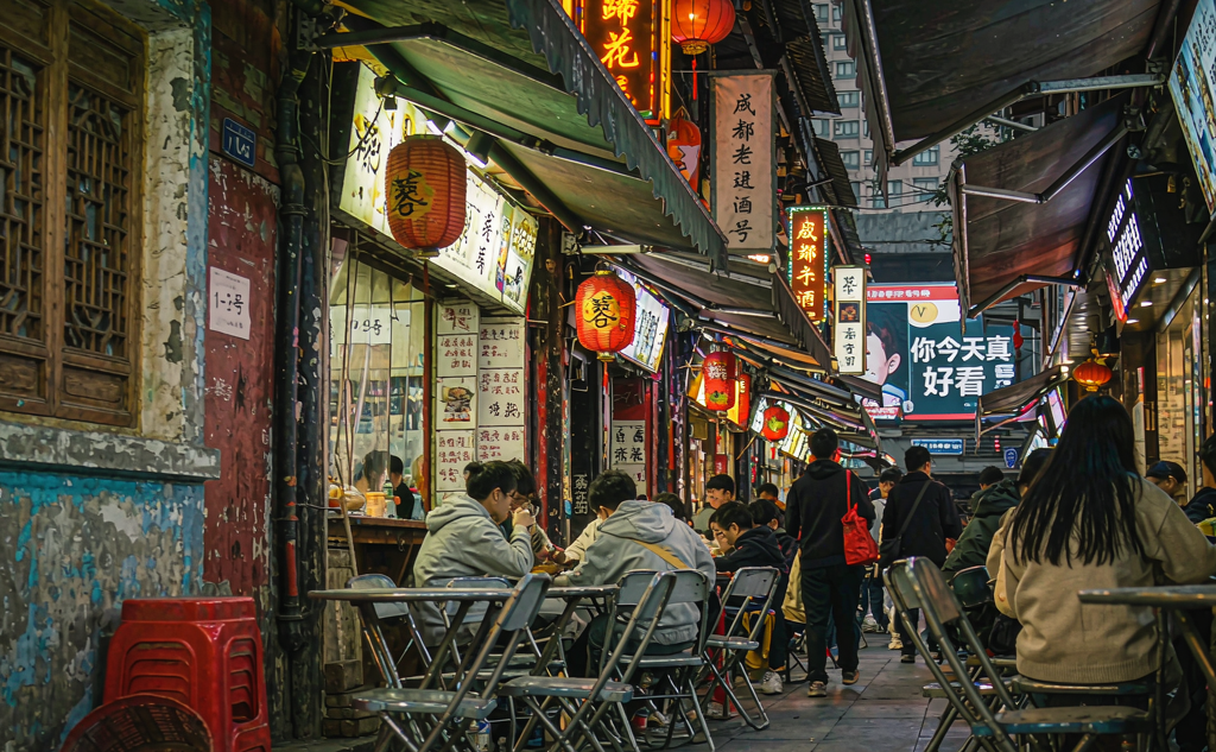
Chengdu is famously a night-owl city, and late night food Chengdu is its own thriving category. After the bars and teahouses wind down, the skewer stalls fire up. Chuan’r, the cumin-dusted lamb and vegetable skewers grilled over charcoal, are the backbone of the small-hours menu, usually eaten with a cold beer and a pile of napkins. Night markets cluster around university districts and older neighborhoods, where you can graze from stall to stall until the first breakfast vendors arrive.
For something more substantial after midnight, look for 24-hour noodle houses and congee shops that serve slow-cooked rice porridge with pickles and fried dough sticks. These humble rooms are where you meet taxi drivers, students, and shift workers, all united by the universal need for a warm bowl before sleep. It is also the best time to try the city’s famous rabbit dishes, which locals adore and visitors often approach with curiosity.
Vegetarian Sichuan Food Without Compromise
Travelers sometimes worry that a pepper-forward cuisine leaves little for non-meat eaters, but vegetarian Sichuan food Chengdu is a deep and satisfying tradition. Monastery-influenced cooking treats tofu, mushrooms, eggplant, and bamboo shoots as stars rather than substitutes. Mock-meat dishes made from gluten and soy can be startlingly convincing, while dry-fried green beans, bang bang tofu, and sour-and-spicy potato slivers prove that no animal product is required for full flavor.
Many temples on the city’s outskirts serve lunch to visitors, and a growing number of central restaurants now offer dedicated vegetarian menus. Ask for the “su” menu, and you will discover that the ma la sensation comes entirely from plants. This is also a welcome break for travelers whose stomachs need a rest from richer fare midway through a long trip.
Planning Your Restaurant Map for 2026
Putting together a personal list of the best restaurants in Chengdu 2026 means balancing the iconic and the intimate. Reserve one evening for a celebrated hotpot house, one for a refined Sichuan tasting menu, and the rest for wandering. The city rewards spontaneity: the best bowl of noodles you eat may be the one you stumbled onto while lost between metro stops.
Location matters, too. Staying central puts you within reach of the old alleys, the riverfront dining strips, and the university food streets. Our best hotels in Chengdu guide helps you pick a base that keeps the best kitchens within a short ride. Pair your stay with a loose daily plan: hotpot one night, home-style cooking the next, a cheap-eats crawl one afternoon, and a late-night skewer run to close the loop.
If you want to widen the lens, neighboring regional cuisines make excellent contrasts, and our fuzhou food guide and qingdao seafood guide show how different China’s coastal and southern tables can be from Sichuan’s fiery interior. Tasting Chengdu first gives you a flavor baseline that makes those contrasts sing.
[CTA] Book your table now and start building your personalized Chengdu food itinerary with our restaurant shortlist. [/CTA]
A few practical notes before you go. Spice levels are adjustable at most restaurants, so do not be shy about asking for “wei la,” or mild, if you are new to peppercorns. Carry cash for the smallest stalls, though mobile payment dominates nearly everywhere. And leave room, literally and figuratively, because Chengdu’s kitchens will keep surprising you long after you think you have eaten your fill.
For official visitor information, events, and seasonal food festivals, the city’s tourism resources at Lonely Planet’s Chengdu guide offer a reliable, independent overview to supplement your planning.
The truth about Chengdu restaurants is simple: the map is never finished. Every visit reveals a new alley, a new noodle master, a new way to fall for a cuisine that has been perfecting itself for centuries. Come hungry, stay curious, and let the city feed you one unforgettable bite at a time.
[CTA] Download our free Chengdu dining cheat sheet and never miss a must-eat dish on your trip. [/CTA]
When you finally board your train or flight home, you will likely be already plotting a return. That is the Chengdu effect, and it starts, as everything here does, with the next meal.
[CTA] Share your favorite Chengdu restaurant with us and get featured in our 2026 reader favorites list. [/CTA]