

Fuzhou is the capital of Fujian province and the gentle, umami-rich heart of Min cuisine, a style built on soups, seafood, and a subtle sweetness that surprises first-time visitors. This Fuzhou food guide walks you through the dishes that define the city, from the legendary Fo Tiao Qiang to the small snacks sold on temple streets. Whether you travel for the broth or the coastal harvests, knowing what to order turns a good meal into a great one.
Content Preview
Below you will find the best time to visit for food lovers, detailed advice on how to reach Fuzhou by air and high-speed rail, and a practical look at what to order when you sit down. We cover the best restaurants in Fuzhou, explain what to eat in Fuzhou by meal, highlight Fuzhou local specialties and Fuzhou street food, and suggest how to build a Fuzhou food tour across the city. The FAQ answers the questions first-time diners ask most.
Best Time to Visit Fuzhou for Food
Fuzhou has a warm, humid climate, so spring and autumn are the most comfortable seasons to eat your way through the city. March to May brings mild weather for market walks, while October and November offer cool evenings ideal for hot soups and seafood hot pots. Summer is hot but perfect for cold noodles and iced sweet soups, and winter is the season for warming broths and rice wine dishes. If you time a trip around the coastal seafood runs, you will taste the freshest catches of the year. The neighboring cities make good companions, and our Quanzhou travel guide and Xiamen travel guide extend a Fujian food route beautifully.
Month by month, March and April are best for mild walks between stalls, May and June bring early summer fruit and lighter plates, and September through November are the most comfortable for long dinners of soup and seafood. Winter is the time for warming rice wine and hot pots, while the lunar new year period offers special banquet dishes that rarely appear on ordinary menus. Time your visit around a coastal fishing festival if you can, because the morning markets then display the widest range of shellfish and reef fish you will see all year.
How to Get There
Fuzhou is a transport hub on the southeast coast, served by an international airport with metro links to the center and by high-speed trains from Xiamen, Wenzhou, and Shanghai. From the main station, taxis and metro reach the old town and the food streets in 15 to 40 minutes. The city is also a stop on the coastal rail line that connects the major Fujian cities, so a multi-city eating trip is easy to arrange. For a deeper planning resource, see our Fuzhou travel guide, which covers stations, tickets, and neighborhood food maps.
What to Order in Fuzhou
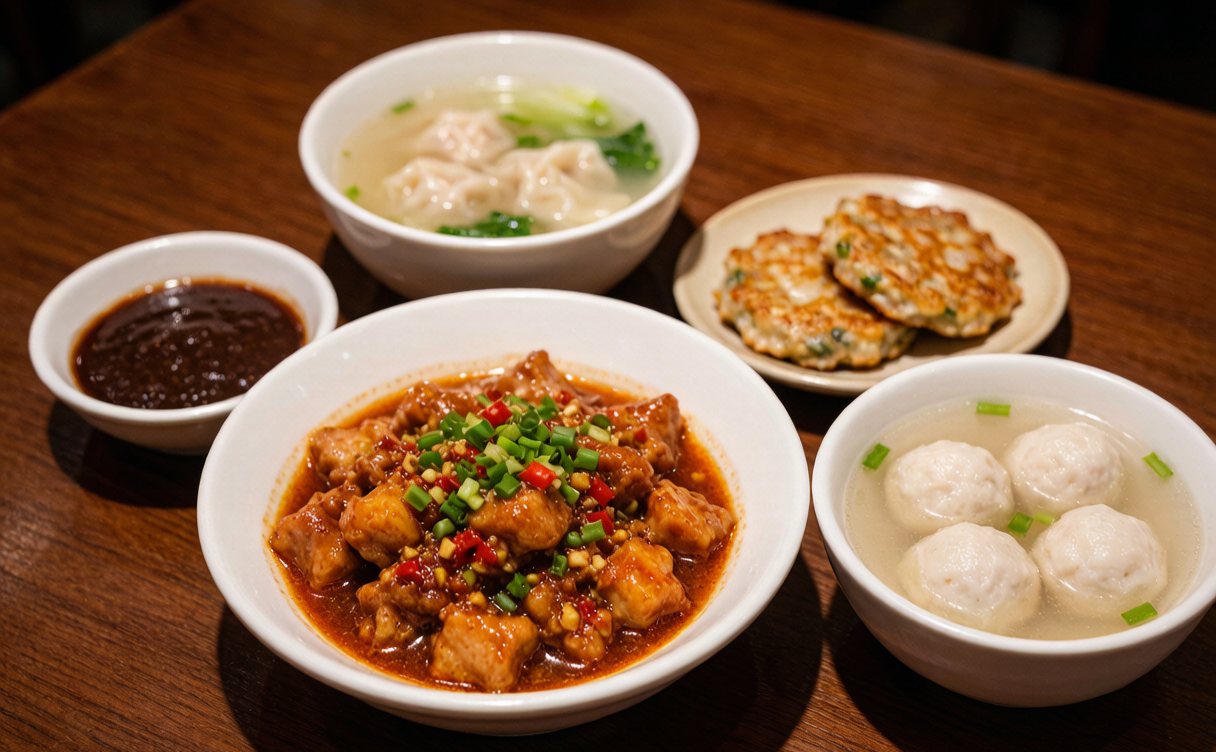
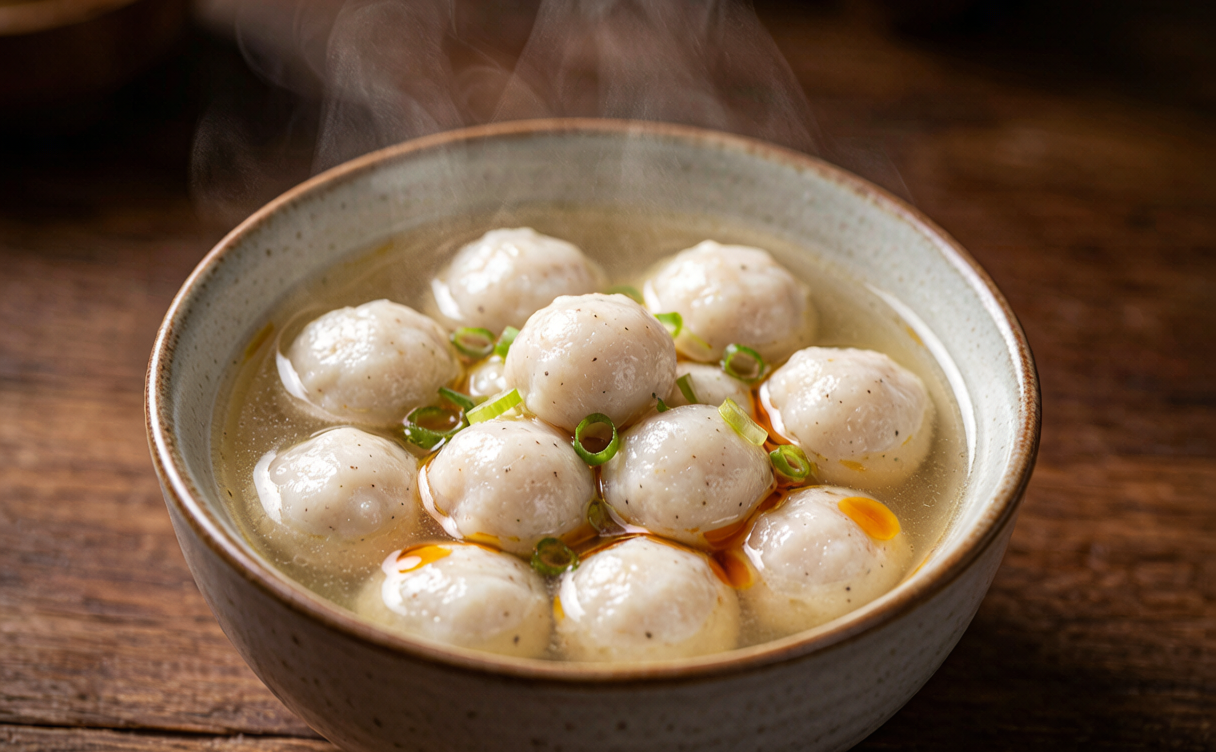
The dish Fuzhou is famous for is Fo Tiao Qiang, a luxurious soup that slow-cooks sea cucumber, abalone, and pork into one rich broth, said to be so aromatic it would tempt a monk to leap the wall. It appears on the menu of the best restaurants in Fuzhou for banquets and special dinners. Everyday Fuzhou local specialties include Fuzhou fish balls, bouncy prawn balls, and rice-flour dishes dressed with a sweet-and-sour sauce that defines the local palate.
For a lighter bite, order the lychee pork, a sweet-and-sour pork dish shaped to echo the fruit, and the clam soup that shows off the coastal broth style. Vegetarians will enjoy the Buddhist-style braised taro and the sweet red wine vinegar glutinous rice. These are the plates our Fuzhou food tour highlights first, because they teach the balance of sweet, sour, and umami that Min cuisine is built on. A wider view of the regional style appears in our Fujian Min cuisine guide, and the related flavors of the Chaozhou food guide show how coastal Guangdong meets Fujian taste. For background on how this fits the national table, the China Highlights guide to Chinese cuisine explains the regional families, including Min.
Where you eat matters as much as what you eat. The grand hotels and specialist banquet houses serve the proper Fo Tiao Qiang in individual clay pots, while the lane restaurants near the river are better for everyday fish balls and noodle soups at a fraction of the price. Street-side stalls are the right place for snacks and sweet soups, and a good Fuzhou food tour mixes all three levels so you taste both the ceremonial and the everyday side of the kitchen. Ask locals which stall has the longest queue, because that single clue beats any written review for freshness and tells you where the broth was made this morning.
What to Eat: A Meal-by-Meal Plan
Breakfast in Fuzhou often means rice congee with pickles or a steamed bun from a corner stall, followed by a cup of local jasmine tea. Lunch is the time for a full Fo Tiao Qiang experience or a seafood noodle soup near the river. For Fuzhou street food, the evening is best: walk the night market for grilled oyster omelets, fried spring rolls, and sweet peanut soup that locals queue for. A proper Fuzhou food tour ends with a sweet soup and a stroll past the lit lane houses, full but happy.
Tea is the constant companion to Fuzhou food, and the local jasmine tea is delicate enough to pair with sweet snacks without overwhelming them. Order a pot to share and let it steep while you graze, because the pacing of a Fuzhou meal is slow and social rather than rushed. When you order, point to what nearby tables are eating if the menu is in Chinese only, and do not be shy about asking for a smaller portion of Fo Tiao Qiang if you are dining as a pair, since the full recipe is built for a group. The sweet soups, from peanut to red bean, are the natural way to close any evening on the food streets and to cool the gentle heat of the savory plates.
Frequently Asked Questions
What is the one dish I should not miss in Fuzhou?
Fo Tiao Qiang is the signature, but if you prefer everyday food, the Fuzhou fish balls and the sweet-and-sour lychee pork are the clearest introductions to the local flavor.
Is Fuzhou street food safe for foreign visitors?
Yes, the busy night markets that locals use are the safest choice, because high turnover keeps the food fresh. Stick to stalls with queues and you will eat well.
How spicy is Fuzhou food compared with Sichuan food?
It is gently umami rather than hot. Fuzhou cooking leans on sweetness, sourness, and seafood broth, so travelers who avoid chili will find it approachable.
Can I build a Fujian food route beyond Fuzhou?
Absolutely. Pair the city with Quanzhou and Xiamen for a coastal Fujian journey, or compare notes with Chaozhou to the south for a deeper look at southern Chinese soups and snacks.
This article was last reviewed and updated on August 21, 2026, by the chinatravelplaces.com editorial team.