

Walk into almost any drink shop south of the Yangtze and you will find a wall of glass jars, each packed with hand-squeezed lemon and a different base tea. Chinese lemon tea has quietly become one of the most refreshing things to order on a humid afternoon in Guangzhou, Shenzhen, or Shanghai. Unlike the heavy milk teas in tourist photos, these drinks are bright, tart, and built for the climate. This Chinese lemon tea guide covers what to order, how sweetness works, and where the best chains hide their menus.
What Exactly Is Chinese Lemon Tea
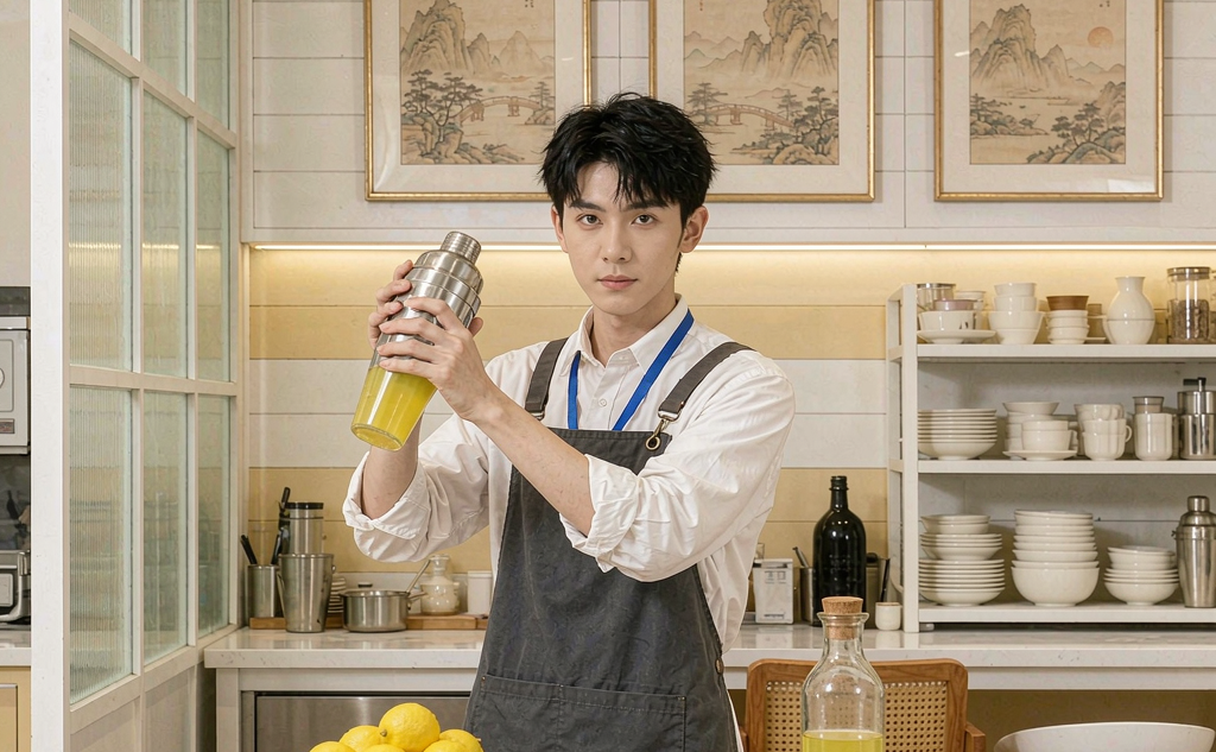
At its core, the drink is simple: brewed tea, fresh lemon juice, ice, and a sweetener. The Chinese version is not the powdered instant lemon tea from airport lounges. It is made in front of you, shaken by hand in a metal shaker until a frothy head forms. The result sits between a southern sweet tea and a craft lemonade, the tea’s tannins cutting the sugar.
The category splits into two families. The first is classic lemon tea on black or green tea. The second, more interesting for travelers, is the huangnitang style and the elaborate fruit iced teas that have spread across southern China. For the broader tea culture behind these drinks, our China tea house guide explains how regional leaf preferences shape what ends up in your cup.
Huangnitang: The Earthy Newcomer
Huangnitang translates to “yellow mud soup,” a nickname worse than it tastes. The name comes from the muddy, clay-colored look rather than anything dug from the ground. It is a layered iced tea built on a roasted oolong or dark tieguanyin base, shaken hard with lemon and sometimes a touch of osmanthus or brown sugar. The roasting gives it a toasty, almost smoky backbone that stands up to the lemon far better than a delicate green tea would.
What makes huangnitang worth seeking out is texture. Good shops double-brew and chill the tea, so it is never watery. You get a glass that tastes like a campfire lemonade: warm, citrus, faintly mineral. An acquired taste for fans of sweet fruit teas, but regulars call it the most adult drink on the menu. In Guangzhou it pairs with a dim sum brunch, planned via our Guangzhou dim sum guide.
Fruit Iced Tea: The Customization Craze
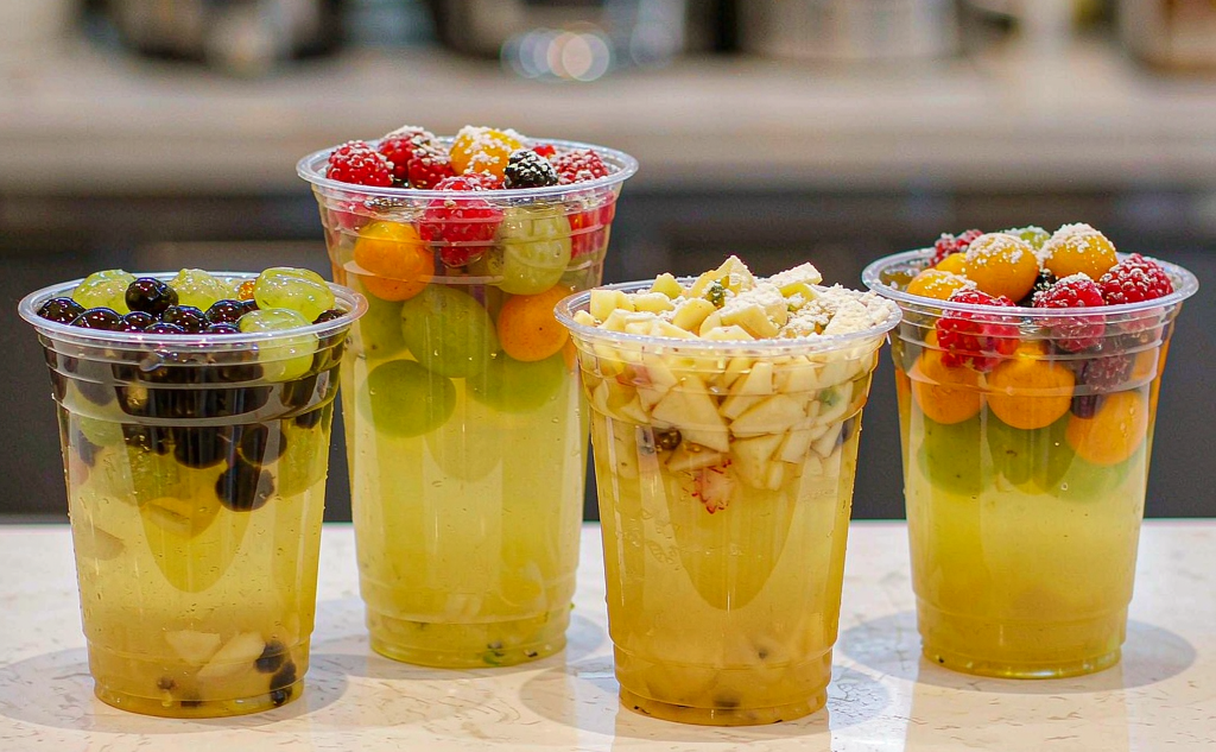
If huangnitang is the quiet connoisseur’s pick, fruit iced tea is the social media star. These are giant cups stuffed with fresh fruit, a tea base, and usually a topping of cheese foam or soda. You pick the fruit, pick the tea, and pick the format: iced, sparkling, or cheese-foam capped.
The hands-on service is part of the fun. You watch staff scoop whole fruit into a shaker, muddle it, and pour tea over ice. The fruit is real and visible, which is why these cost more than a standard milk tea but feel like a snack too. They sit between the China bubble tea and milk tea guide and a juice bar, borrowing the customization of one and the freshness of the other.
Chinese Lemon Tea Versus Bubble Tea
Many first-time visitors assume lemon tea is just bubble tea without the pearls. It is not. The two drinks come from different traditions and satisfy different cravings. Bubble tea is creamy, chewy, and dessert-like. Lemon tea is sharp, light, and thirst-quenching. On a 35-degree day, a lemon tea resets you; a taro milk tea sits heavy in your stomach.
There is also a sugar story. Bubble tea leans on milk powders and syrups, so it is easy to over-sweeten unnoticed. Lemon tea’s acidity gives immediate feedback, so people naturally order it less sweet. For a day of sightseeing in the heat, the lemon almost always wins.
How to Order Lemon Tea in China
Ordering is easier than you think, even with a language barrier, because most chains use picture menus with numbered options. Here is the standard flow:
1. Point at the fruit or style you want, or say the number on the menu.
2. Choose your sugar level. Most shops offer 0%, 30%, 50%, 70%, and 100%. For lemon tea, 30% to 50% is the sweet spot; 100% is rarely necessary because the lemon already balances the tea.
3. Choose ice level. On a hot day, normal ice preserves the flavor better than no ice, which dilutes as it sits.
4. Pick toppings if offered: cheese foam, coconut jelly, or basil seeds.
This Chinese lemon tea guide would be incomplete without a tip: whichever city you are in, showing the menu photo on your phone works flawlessly. Staff are used to tourists and will happily assemble your drink from a pointed finger and a smile.
Chinese Lemon Tea Sugar Levels
Sweetness is the single biggest lever on whether you love or hate the drink. Chinese drink shops run sweet by default, tuned for local palates that grew up on sugared soy milk and red bean desserts. As a visitor, you should almost always drop the sugar. A 100% lemon tea can taste like liquid candy, masking the tea entirely. At 30%, you taste the oolong or black tea first, then the lemon, then a clean finish.
If you are sensitive to sugar, ask for 0% and add your own squeeze at the table if needed. Some travelers keep a small packet of salt and a squeeze of the provided lemon to turn a too-sweet drink into a decent recovery beverage after a long walk. The point is control: once you learn how to order lemon tea in China at lower sweetness, the whole category opens up.
Lemon Tea Prices in China
Pricing is refreshingly affordable. A standard lemon tea at a local chain runs about 8 to 15 yuan, roughly 1.50 to 2.50 USD. Fruit iced teas with real fruit and cheese foam climb to 18 to 28 yuan, about 2.50 to 4 USD. Premium roasteries selling huangnitang-style oolong lemon teas can charge 20 to 35 yuan, but the quality jump is real. Compared to a Western coffee chain, you are getting a hand-built, fresh-fruit drink for less than a basic latte.
For context, lemon tea sits in the same price band as the drinks in our China coffee culture guide, though the coffee scene skews higher in big cities. Drinking well in China does not require a large budget.
Best Lemon Tea Chains in China
Several chains have built national reputations for lemon-forward drinks. Here are the ones worth knowing:
- Lemonlane — A specialist brand with shops across southern metros, known for its pure lemon black tea and clean, not-too-sweet recipes.
- Auntea Jenny — Famous for cheese-foam capped fruit teas; their grapefruit lemon oolong is a standout.
- Heytea — The sparkling fruit tea pioneer; try the sparkling lemon with cheese foam for a textural twist.
- Local Guangdong shops — Unbranded neighborhood stores often make the best huangnitang because they brew their own roasted oolong daily.
When you travel through Hong Kong, China, you will also find the classic lemon tea in cans and at diners, a different but related lineage worth tasting for comparison. Our Hong Kong street food guide points you to the right spots.
Regional Differences Worth Noticing
The drink changes as you move around the country. In Guangdong and Guangxi, lemon tea is darker and tea-forward, often using black tea or roasted oolong. In Shanghai and Jiangsu, shops lean toward green tea bases and lighter, more floral fruit combinations. In Sichuan and Chongqing, a few shops add chili or a salted plum to the lemon, which sounds odd and tastes addictive.
These regional quirks are why a Chinese lemon tea guide stays useful even after your first cup; comparing cities becomes half the fun.
A Note on the Tea Itself
The lemon gets the attention, but the tea base is what separates a good shop from a great one. Black tea gives a brisk, malty body. Green tea keeps things grassy and light. Oolong, especially roasted kinds, delivers the most complex cup and is the heart of huangnitang. If you enjoy the oolong versions, seek out a traditional teahouse afterward to taste the leaf on its own; the difference is eye-opening.
For the history-minded, the global story of cold tea drinks is well documented; read the broader background on lemonade and iced tea traditions on Wikipedia to see how cold tea evolved worldwide. China’s fresh-fruit spin is a modern, local chapter of that story.
Ready to map out your tasting route? Pair your lemon tea crawl with our best things to do in China and build a day around the city’s best drink shops.
Practical Tips for Travelers
A few last pointers before you go. Carry a reusable cup if you can; many chains give a small discount and it cuts waste. Skip the prepackaged bottled lemon teas in convenience stores, they are heavily sweetened and lack the fresh squeeze. At quiet independent shops, ask for a sample of the tea base before committing.
If your trip centers on eating, lemon tea is the perfect palate cleanser between rich meals. That is why it pairs so naturally with dim sum, hot pot, and street snacks. Think of it as the cold, citrusy counterpart to a hot pot broth: something to reset your mouth so you can keep going.
Bringing It Home
You do not need special equipment to recreate the drink. Brew a strong oolong or black tea, chill it, and shake it in a jar with fresh lemon juice, a little sugar, and ice. The hand-shake is the secret: it aerates the tea and builds that signature foam. Once you have the ratio down, 30% sugar and a generous squeeze of lemon, you can make a cup that rivals most shops.
The bigger takeaway is cultural. Chinese lemon tea captures a side of China missing from temple-and-wall guidebooks: a young, design-minded drinking culture that treats a 15-yuan cup as a small daily pleasure. Seek it out, order it your way, and you will understand how modern Chinese cities actually live.
Want more drink and food pairing ideas for your trip? Browse our full China tea house guide to connect lemon tea back to the traditional teas behind it.
Final Word
Whether you fall for the smoky huangnitang or the fruit-stuffed iced teas, the key is to order with intention: lower the sugar, pick your tea, and enjoy the show. This Chinese lemon tea guide should give you the confidence to walk up to any menu and build a drink you actually like. The best chains are everywhere once you start looking, and the worst case is a sour, refreshing two-dollar experiment.
Lemon tea versus bubble tea in China comes down to mood: creamy comfort or citrus reset. Both have their place, but on a hot afternoon, the lemon almost always wins.
Plan your next stop around a cold cup: check our China bubble tea and milk tea guide to compare styles and find shops near your hotel.