

Gaoyou does not announce itself. It sits north of Yangzhou along the old Beijing Hangzhou waterway, roughly an hour from the city that the whole world has heard of, and it is the kind of Jiangsu town that foreigners often drive past on the way to somewhere more famous. That is a shame, because Gaoyou travel guide material is easy to skip and the place rewards three unhurried days: a Ming dynasty post station that still survives almost intact, a wide freshwater lake with reed beds, and an autumn crab season that locals defend with genuine seriousness.
This Gaoyou travel guide covers how to get to Gaoyou from Yangzhou, when the lake crab season is worth planning around, what to see in the old town, and where to eat. Everything here is doable without a car and without a Chinese phone number, which is more than can be said for most small cities in the province.
[CTA] If you are building a Yangzhou and Jiangsu loop, start with our Yangzhou travel guide and then add two nights here. Tell us your month and we will tell you whether the crabs are in.
We will also tell you if your dates fall outside the season, rather than just selling you the trip.
[/CTA]
The Town That Grew Around a Mail Stop
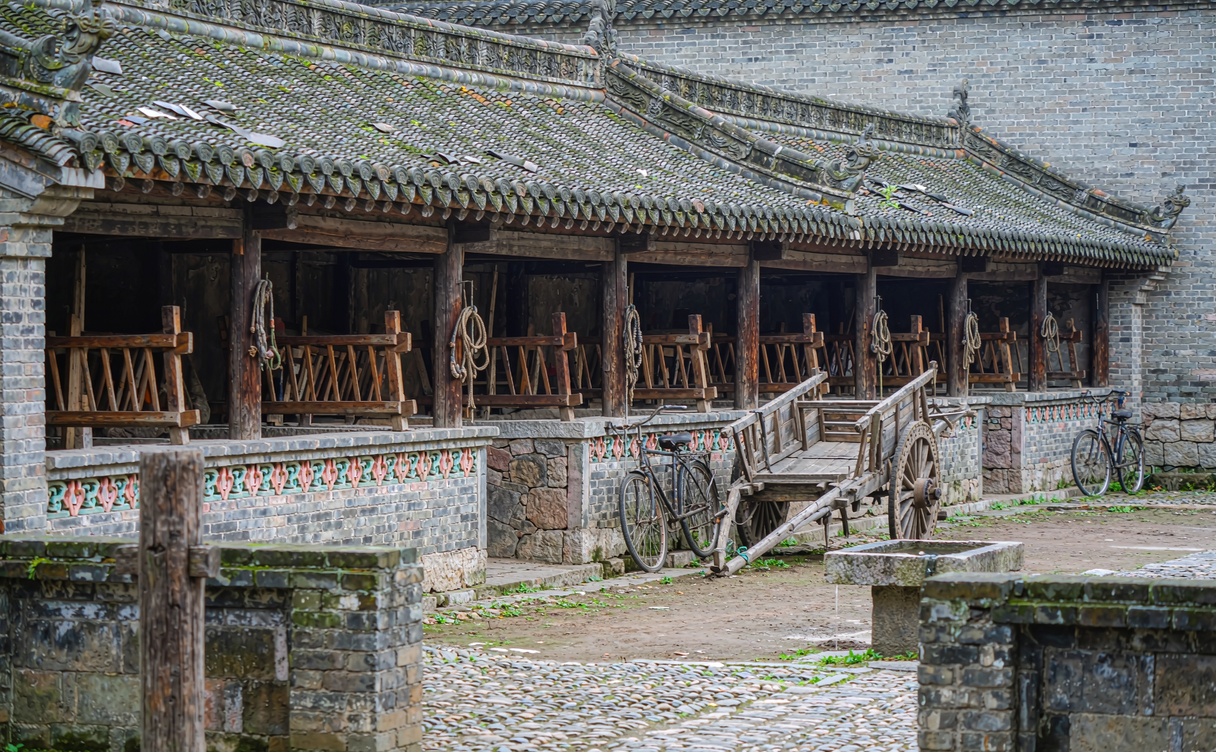
Gaoyou became a town because the Grand Canal needed somewhere to change horses. The Yucheng post station was founded in 1371 in the early Ming, and for five centuries it handled imperial couriers moving edicts between the capital and the south. A fire gutted the complex in 2013; the reconstruction that reopened it in 2016 is careful rather than kitsch, with packhorse stables, courier rooms, a post road of grey brick, and the small tower where letters were logged.
Walk the Yucheng old post station Gaoyou section slowly. The detail people usually miss is the scale of the operation: this was a working logistics hub with dormitories, stables, and a water gate, not a temple. Signage is mostly Chinese, but the courtyards are wide enough to navigate on instinct.
How to Get to Gaoyou from Yangzhou
Two stations serve the city. Gaoyou North sits on the Beijing Shanghai high speed line, about 45 minutes from Nanjing and under three hours from Shanghai. Gaoyou station on the slower east west line catches some Yangzhou and Zhenjiang services. From Yangzhou itself, take a coach from the west bus station, roughly one hour and 55 kilometres, or the train with a change at Zhenjiang if you would rather stay on rail the whole way.
For first timers, the cleanest route is a morning train from Yangzhou East into Gaoyou North, then a taxi into the old town of around 25 minutes. If you are coming from further afield and have not used China’s high speed network before, our China high speed train guide for foreigners walks through passport gates, ticket machines in English, and how to pick a seat.
[CTA] Coming from Suzhou or Hangzhou on the same loop? Compare the rail timetables in our Suzhou travel guide before you commit to a single early train — the return leg is where a missed connection costs you a day.
Buy the onward ticket the same morning you arrive, not a week later.
[/CTA]
Best Time to Visit Gaoyou
The best time to visit Gaoyou is the second half of October, and I will say that plainly even though it is a short window. That is when the lake crab is fat, the lotus is finished but the reeds have turned, and the daytime temperature sits around 18 to 22 degrees. Late November is quieter and darker; the wind comes off the water and nobody sits outside.
July and August bring lotus in full bloom across the lake shallows and the town fills with students, but the humidity is brutal and the mosquitoes are worse. Spring, particularly late April, is excellent for cycling the canal embankment. Winter is genuinely cold and the food is still good, which is the only reason to come.
Gaoyou Lake Crab Season, Honestly Explained
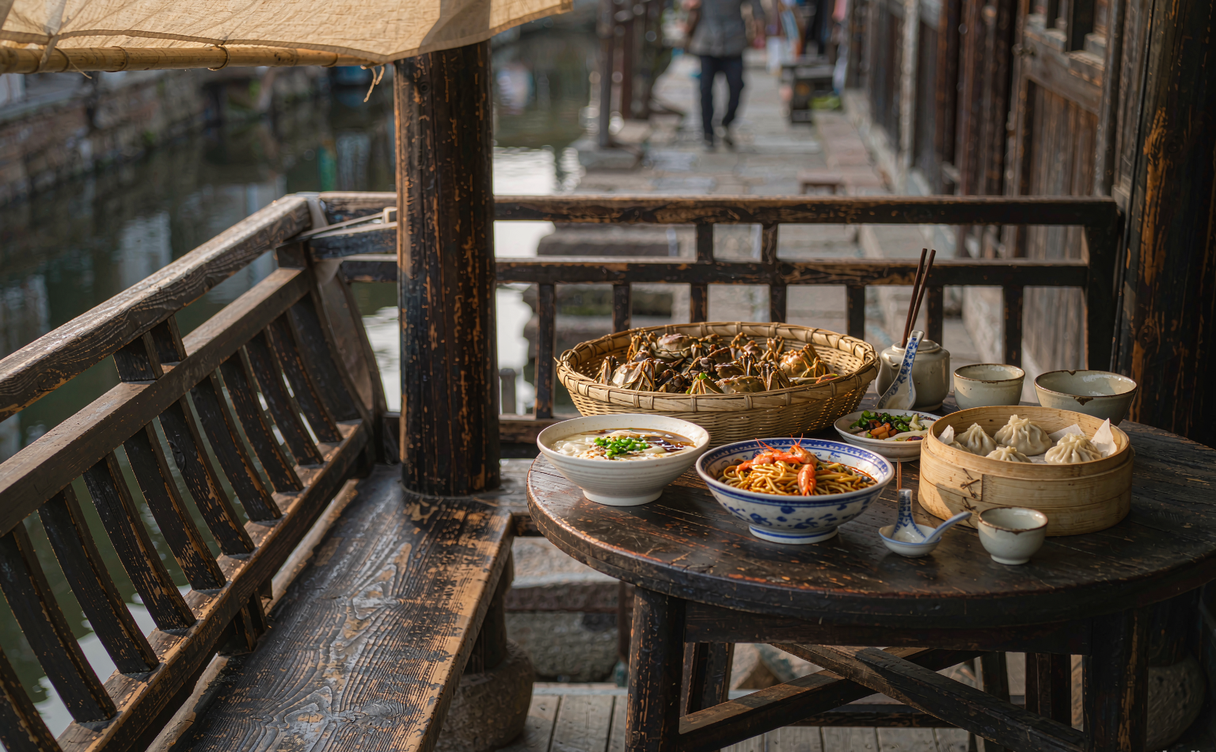
The Gaoyou lake crab is a mitten crab taken from the lake’s warm shallows, and the season runs roughly from late September to the end of November, with the best size in October. Locals will tell you that the female crab tastes better before the roe sets and the male after, which is true enough and worth pretending to understand at a restaurant table.
Order them steamed with ginger and vinegar, and expect a price that scales sharply with size — a modest plate might run 80 to 160 RMB for a portion, while large individual crabs go much higher. Avoid live crabs piled on roadside stalls near the boat docks; go into the town and pick a place with a menu in Chinese and a daily board. If the crab season does not line up with your dates, the lake still gives you lotus root, cattail shoots, freshwater shrimp, and the salted duck eggs Gaoyou is also known for, especially the double-yolk ones.
Things to Do in Gaoyou Beyond the Post Station
The lake itself is the second reason to come. Boat trips leave from the southern shore, mostly in the morning, and a forty minute run through the reed beds costs around 60 to 120 RMB a person depending on the boat. Take a jacket even in October; the wind on open water has no trees to stop it.
The Ming Qing canal embankment to the east of the old town is a good cycling stretch, and the surviving stretch of city wall near the south gate gives you a sense of the old perimeter. The poet Cui Zhiyuan, a Silla official from the Korean peninsula who served here in the Tang dynasty, left a line about the lake that locals quote and visitors rarely know — look for his name in the small memorial garden off the canal road.
Two nights is the right length here, not three. Book a canal side lane guesthouse rather than the new district hotels, and ask which gate is closest to the boat dock — that single detail saves you a taxi argument every evening.
Eating Like You Are in the County, Not the City
Order the same dishes the locals order. Wang tofu is a soft tofu stew with pork and vegetables, named after a Gaoyou writer who made the dish famous in print, and it has more to do with comfort than with presentation. Strong scallion oil noodles arrive at breakfast in the old town lanes. The salted duck egg, cut open and eaten with rice, is the simplest thing on the list and the one you will remember.
For a fuller picture of Jiangsu’s canal food, the China Grand Canal travel guide links the towns along the water and their specialities. If you want the wider context of what the region produces, that is the useful companion piece to a Gaoyou trip.
Where to Stay
Stay inside the old town wall if you can. Rooms run from roughly 120 to 260 RMB for a clean mid range twin, and the lanes are quiet at night in a way that the new district is not. The compact old town means you can walk from the post station to the lake dock in about twenty minutes, which saves you the taxi argument every evening.
Two Days, Hour by Hour
Day one: arrive mid morning, drop the bag, walk the post station, then the canal embankment as the light drops. Evening noodles. Day two: a morning boat on the lake, lunch of lake fish, the old town lanes and the wall in the afternoon, then a crab dinner if your dates allow. Day three is for the reed beds on the eastern shore and a train out.
If you are still deciding whether this fits your trip, the best things to do in China list puts Gaoyou in the canal-town band alongside places with far more visitors, and it is the quietest of them. The Grand Canal’s status as a UNESCO World Heritage site explains why these towns look the way they do.
[CTA] Ready to add a canal town to your route? Send us your dates andNumberOfNights and we will lay out the days around the crab season, the boat mornings and the train back.
A crab dinner in October is worth one extra night, and we will say so honestly.
[/CTA]