

Our Yunnan wild mushroom hotpot guide is for travelers who want to taste one of China’s great seasonal feasts: the brief summer window when the forests of Yunnan flush with wild fungi and the province’s hotpot restaurants fill with the scent of pine, butter, and earth. This Yunnan wild mushroom hotpot guide explains the mushroom season Yunnan is famous for, where to eat mushroom hotpot Kunming style, and how to enjoy it without risk. Yunnan is China’s mushroom heartland, home to hundreds of edible wild species found almost nowhere else in the country, and a mushroom hotpot is the most social, delicious way to try them. Read on for the species, the cities, and the safety rules that matter most.
Why Yunnan Loves Wild Mushrooms
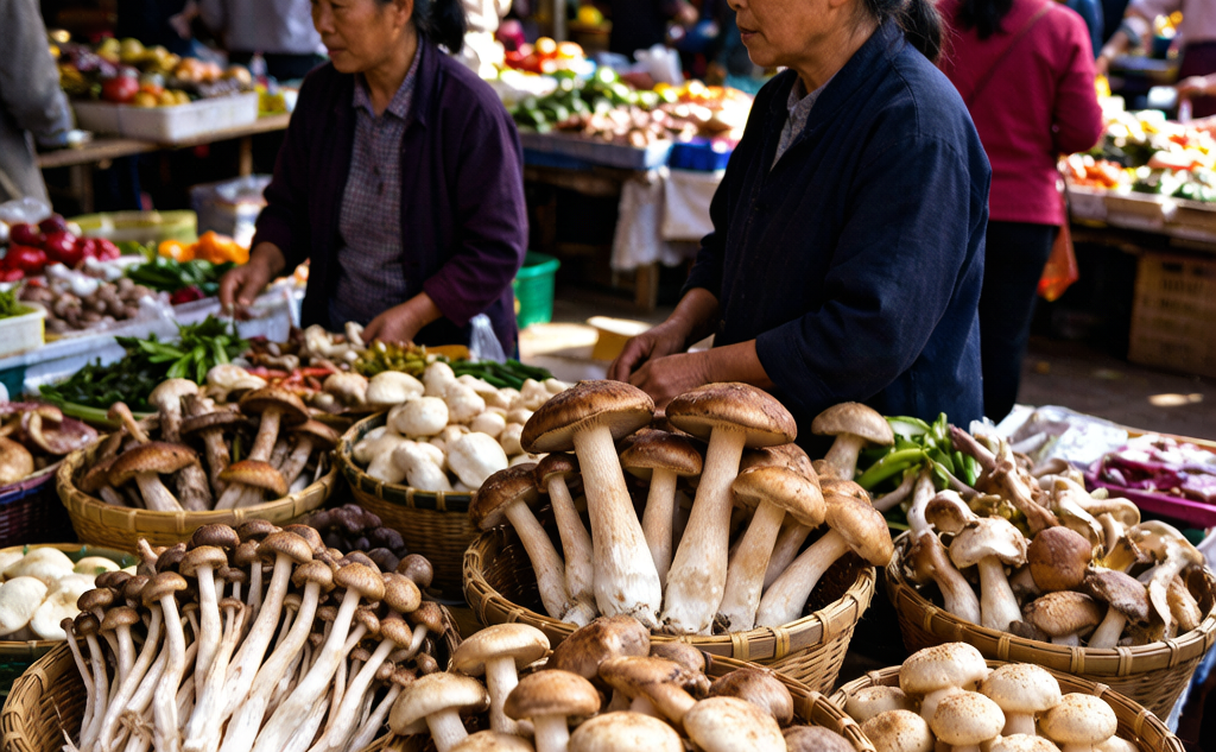
Yunnan’s climate — warm, wet, and mountainous — makes it one of the most biodiverse fungi regions on earth, with estimates of more than 800 edible wild species. The local diet treats mushrooms not as a side but as a star, and the cuisine’s gentle broths let their flavors shine. Among Yunnan food specialties, wild mushrooms are the most prized and the most seasonal, appearing on tables from humble village kitchens to upscale city restaurants. For context on how Yunnan sits within China’s regional cooking, our Chinese food guide to the 8 great cuisines places its neighboring Sichuan and Guizhou styles and explains the southwest’s love of foraged flavor. The prized matsutake mushroom is detailed on Wikipedia’s matsutake page, which explains why this aromatic fungus commands such high prices across East Asia.
The Mushroom Season Yunnan Waits For
The mushroom season Yunnan celebrates runs roughly June through September, peaking in July and August during the rainy season when the forests of Chuxiong, Lijiang, and the Tibetan edge near Shangri-La flush overnight. Timing is everything: arrive too early and the markets are thin; arrive in peak rain and you will see mountains of porcini, matsutake, and chicken-of-the-woods at every stall. Prices drop as the season peaks, so a hotpot that costs a premium in June is far kinder to the wallet by August. Locals track the rains like a harvest, and restaurants change their mushroom menus week to week depending on what the foragers bring in.
Key Mushrooms to Know
- Matsutake Yunnan: The aromatic, expensive pine mushroom with a spicy, cinnamon-like smell. It is often sliced thin into the broth or wrapped in ham; a single fresh mat included in your pot signals a splurge meal.
- Porcini (China cuisine calls it niuganjun, “ox-liver mushroom”): Meaty, nutty, and forgiving in the pot; the backbone of most affordable hotpots.
- Chicken mushroom (jizong): Considered the king of taste by locals, with a chicken-like savor; sought after and best simply simmered.
- Stone fungus and ear fungus: Textural, crunchy additions that balance the softer caps.
- Truffle (near Shangri-La): Winter black truffles appear later and add a deep, funky note to broths.
Where to Eat Mushroom Hotpot Kunming
The easiest place to start is the capital. Where to eat mushroom hotpot Kunming visitors should know: the city’s mushroom restaurants cluster around the old town and the area near Cuihu (Green Lake), where dedicated “wild fungus hotpot” houses simmer a rotating mix of the day’s finds. A typical meal works like a hotpot anywhere in China — a broth base, a platter of cleaned, sliced wild mushrooms, and a timer, because many species must boil a full 15 to 20 minutes to be safe. Kunming’s Yunnan mushroom market, the Muzhuang or the stalls near the train station, is worth a daytime visit just to see the variety, even if you should never cook for yourself from it. Our Kunming travel guide maps the city’s food streets and the best bases for a mushroom crawl.
Beyond Kunming: Dali, Lijiang, and Shangri-La
The feast spreads across the province. The Dali Yunnan travel guide points to lakeside towns where mushroom hotpots come with views of Erhai Lake and a side of Bai minority pickles. The Lijiang old town travel guide covers Naxi-run kitchens tucked into the stone lanes, where a pot after a day of walking the old town is pure comfort. Higher still, the Shangri-La Yunnan travel guide reaches Tibetan-influenced tables near the snow line, where matsutake and truffle grow and the broth is richer with yak butter. Each altitude adds a different fungus to the pot, which is why a Yunnan mushroom trip rewards moving between cities.
How a Mushroom Hotpot Works
- Order the broth: Usually a clear chicken or mild pork base, sometimes with cordyceps flower for aroma; avoid heavy mala if you want to taste the mushrooms.
- Choose your mix: Restaurants sell by the platter or by the species; a mixed wild platter is best for first-timers.
- Boil, then wait: The staff sets a timer; do not lift the lid or taste early, because some species are only safe after a full rolling boil.
- Dip and eat: A light soy, scallion, and chili dipping sauce complements without masking the fungi.
- Finish the soup: The broth at the end, now infused with mushroom essence, is the best part — drink it.
Mushroom Safety China: The Rules That Matter
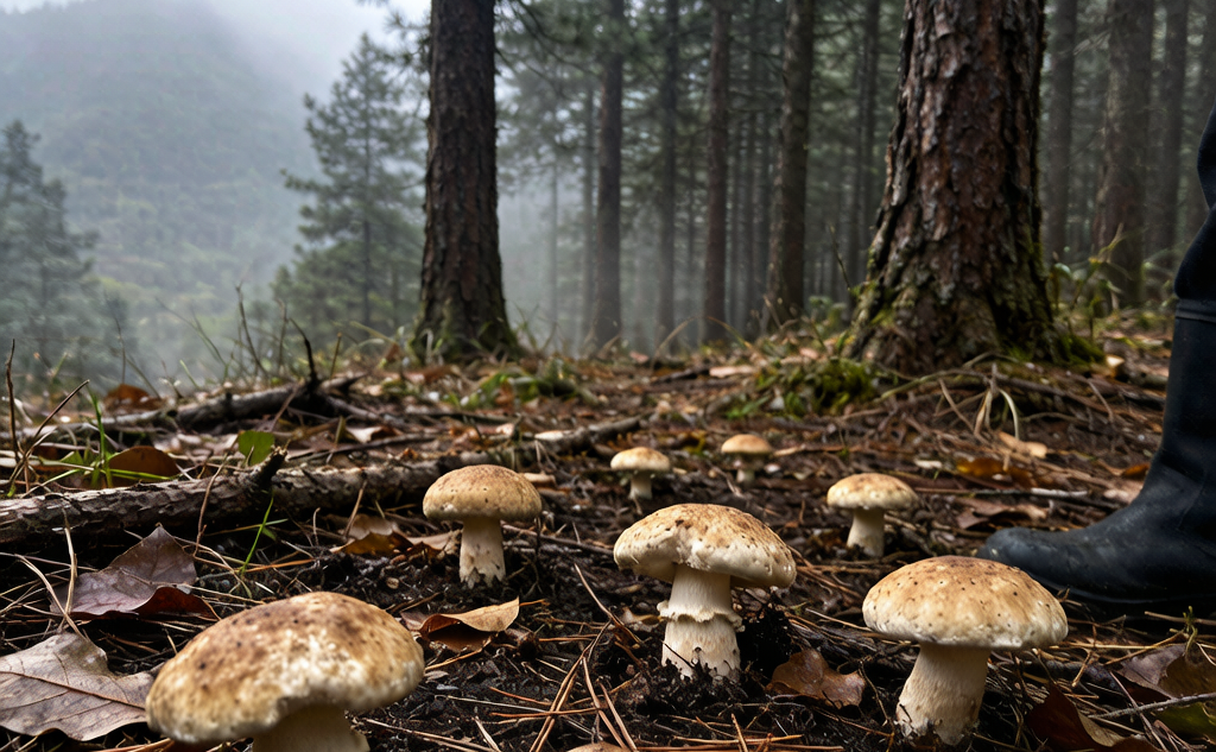
This is the most important section of any Yunnan wild mushroom hotpot guide. Mushroom safety China travelers must respect: wild fungi here include deadly species that look like edible ones, and misidentification kills several people in Yunnan most years. Follow these rules without exception:
- Never forage and cook your own. Leave picking to trained foragers and licensed sellers; even locals rely on experts.
- Only eat at restaurants with a license and a busy crowd. High turnover means fresh stock and experienced cooks.
- Obey the timer. The 15 to 20 minute boil neutralizes toxins in many species; lifting the lid early can be dangerous.
- Drink alcohol cautiously. Some mushroom toxins interact badly with alcohol, so ask or skip the baijiu with the pot.
- Know the symptoms. Nausea, dizziness, or vision issues within hours mean seek help immediately; note which mushrooms you ate.
- Avoid “miracle” cheap mixes. If a price seems too good for matsutake, it probably is not matsutake.
Our China food tour guide includes a broader safety note for eating adventurously across the country, but for mushrooms, the rule is simple: restaurant only, timed boil, no foraging.
What It Costs
A mixed wild mushroom hotpot for two in Kunming runs roughly 150 to 300 yuan, more if matsutake is included. In Shangri-La, matsutake-heavy pots can climb to 400 to 600 yuan in peak season. Markets sell raw fungi by the jin, but again, do not cook them yourself. Lunch specials and set platters are the budget-friendly way to sample many species at once.
Practical Tips
- Go in peak rain (July–August) for the widest choice and lowest prices.
- Ask for a “mixed wild” platter if you cannot name species; it is the safest intro.
- Travel between cities to taste different altitudes, using our regional guides above as your map.
- Photograph the platter so you can learn species names and note favorites.
- Pace yourself — a big mushroom feast is rich; balance it with rice and greens.
FAQ
Can I safely eat wild mushrooms in Yunnan as a tourist?
Yes, at licensed restaurants that boil them properly; never forage or cook wild mushrooms yourself.
When is the best month for mushroom hotpot?
July and August, at the height of the rainy season, offer the most species and the best value.
Is matsutake worth the price?
For aroma lovers, yes — its scent is unique, but a mixed platter gives more variety for less money.
Are there vegetarian broths?
Usually the base is chicken; ask for a vegetable broth (su tang) at better restaurants, though options vary.
Final Thoughts
This Yunnan wild mushroom hotpot guide is an invitation to one of China’s most extraordinary seasonal tables. Time your trip for the mushroom season Yunnan lives for, start where to eat mushroom hotpot Kunming recommends, then climb to Dali, Lijiang, and Shangri-La for higher-altitude fungi. Respect the mushroom safety China rules — restaurant only, full boil, no picking — and you will feast on porcini, matsutake, and chicken mushroom with total peace of mind. It is a culinary adventure found almost nowhere else on earth.