

The yuan dynasty remains one of the most fascinating chapters in Chinese history. It was the first time the whole of China was ruled by a non-Han people, the Mongols, and it opened the country to the wider world in ways never seen before. For travelers today, understanding the yuan chinese dynasty helps make sense of Beijing, the Grand Canal, and the museums full of blue-and-white porcelain.
Founding of the Yuan
Who founded the yuan dynasty? The answer is Kublai Khan, the grandson of Genghis Khan. In 1271 he formally established the Yuan state, naming it after the Chinese concept of “origin.” The Mongol conquest of the Southern Song took several more years, but by 1279 Kublai had united China under a single foreign-led administration.
This was a turning point. Mongol rule china meant a new kind of empire, one that stretched from the Pacific deep into Central Asia. The Yuan court kept many Chinese administrative habits while placing Mongols and other allies in the top positions. For visitors interested in the broader sweep of imperial history, our China travel guide for first-timers is a good place to start before diving into any single era.
A few yuan dynasty facts worth remembering: the Yuan was the first dynasty to make Beijing its main capital, it used paper money on a large scale, and it welcomed foreigners into government service. These details matter because they explain why Marco Polo could travel so far and be received at court.
Kublai Khan and Dadu
Kublai Khan ruled from a new capital called Dadu, which stood roughly where modern Beijing is today. Dadu was a planned city with wide avenues, a central palace, and careful symmetry. While the Mongol palaces are gone, their layout shaped the city that later rulers would rebuild.
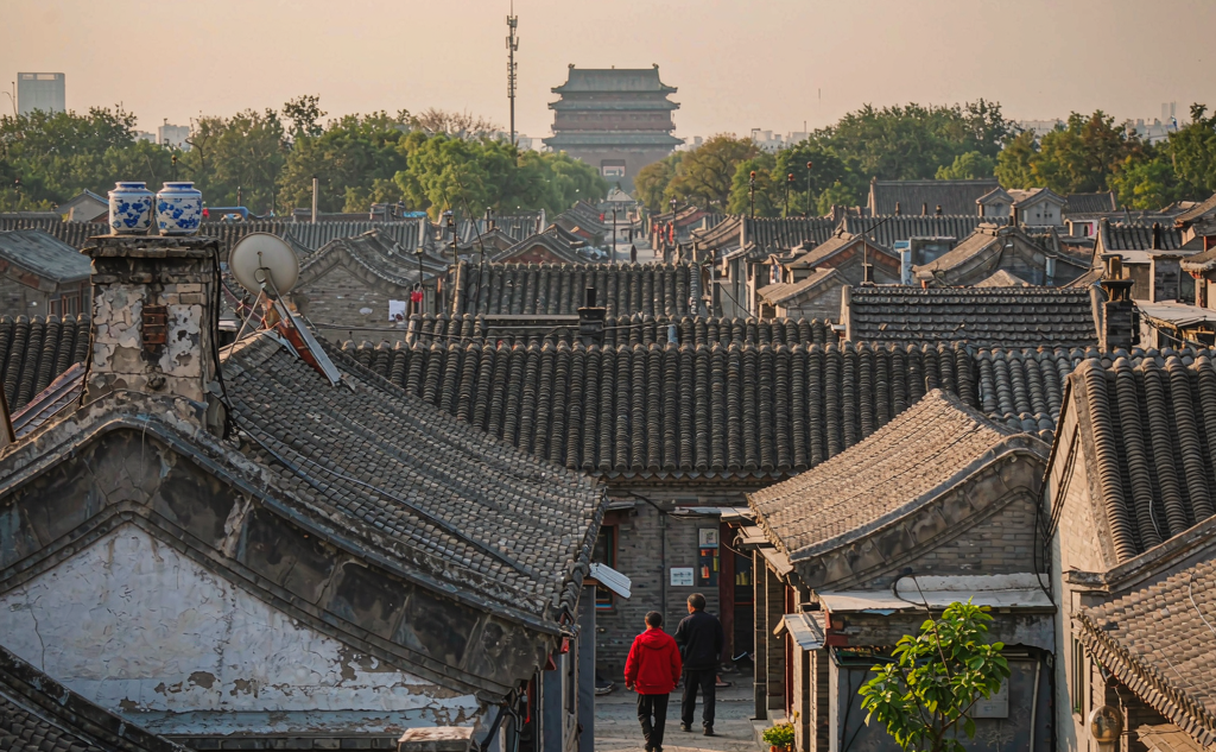
The most famous later construction on this ground is The Forbidden City, built by the Ming after they replaced the Yuan. Standing in that vast square, it is easy to feel the ambition that began with Kublai’s capital. The Ming and Qing dynasties each left their mark here, and our guides to the Ming dynasty and the Qing dynasty explain what came next.
Marco Polo’s China
No story of the yuan dynasty is complete without Marco Polo. The Venetian merchant arrived in the 1270s and, according to his account, served Kublai Khan for many years. Whether every detail of his book is true or not, his writing gave Europeans their first vivid picture of China: bustling cities, paper money, coal for fuel, and a court of enormous wealth.
Marco Polo described Dadu as a city of straight roads and great markets. He also wrote about Hangzhou and other southern cities, painting a picture of a connected, prosperous empire. His travels show how open the Yuan world was: merchants, missionaries, and diplomats moved along the Silk Road and by sea.
Was marco polo in the yuan dynasty? Yes, he lived and traveled during the Yuan period under Kublai Khan’s rule. His account remains the best-known foreign window into Mongol rule china, even if modern historians debate some specifics.
The Grand Canal and Daily Life
The Yuan made the Grand Canal a lifeline. They rebuilt and straightened sections so that grain from the rich Yangtze region could reach Dadu efficiently. This waterway was the reason the capital could feed its population and its court.
Travelers who enjoy slow, scenic routes can still follow parts of the canal today. Combined with a visit to The Forbidden City, the canal tells the story of how a northern capital stayed supplied by the south. For those who want to see another pillar of Chinese defense and engineering, the Great Wall of China sits not far from the old Yuan heartland and pairs well with a Beijing trip.
Legacy and Sites to Visit
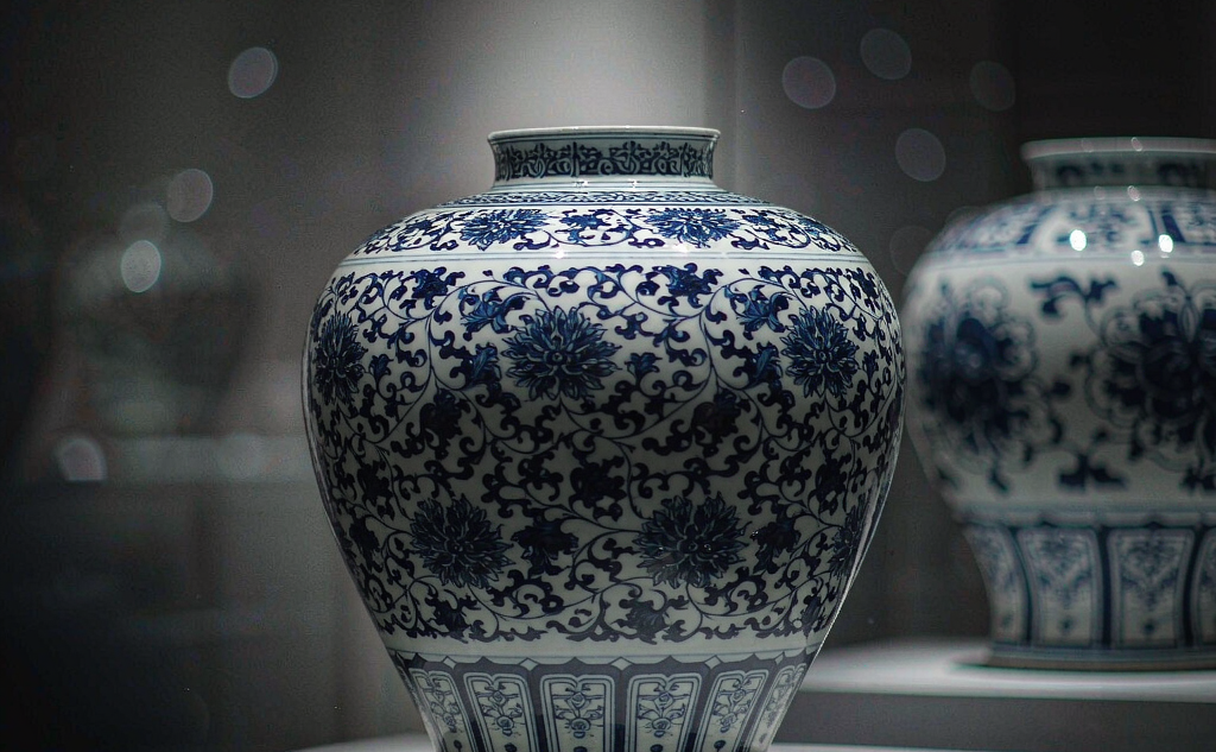
The legacy of the yuan chinese dynasty is visible in several ways. First, Beijing became the political center of China, a role it has kept for over seven centuries. Second, the Yuan promoted trade and travel across Eurasia, linking China more closely to Persia, the Islamic world, and Europe. Third, Yuan art, especially blue-and-white porcelain, set styles that later dynasties refined.
Museums in Beijing and beyond display Yuan ceramics, paintings, and coins. If your trip extends westward, our Xi’an guide covers another great historical city with deep imperial roots. Each stop adds a layer to your understanding of how China’s dynasties followed one another.
For a reliable overview of the period, see the Yuan dynasty on Wikipedia. It is a useful reference before or after your visit.
Yuan Art, Porcelain, and Culture
The cultural output of the yuan chinese dynasty shaped Chinese taste for centuries after the Mongols left. The most famous legacy is blue-and-white porcelain. Yuan kilns at Jingdezhen perfected a cobalt-blue decoration imported along trade routes, painting crisp floral and narrative scenes on white bodies. These pieces traveled across the sea to Persia and beyond, and today they are among the most prized items in museums from Beijing to London. Seeing a real Yuan vase in person makes the era feel tangible in a way that dates and battles cannot.
Yuan rule also produced China’s great dramatic tradition. The period gave rise to zaju, a form of poetic opera with set arias and stock characters, and to the novelistic story cycles that later fed the great Ming novels. Playwrights such as Guan Hanqing wrote for packed urban theaters, and their works remain performed today. If your trip includes a evening show or a local opera house, you are watching a form whose roots reach back to the Mongol era.
Daily life under Mongol rule china was unusually cosmopolitan. The capital drew merchants from across Eurasia, and the road networks that once carried Silk Road caravans now carried paper money, printed books, and new foods. Markets in Dadu sold goods from as far away as the Mediterranean, and foreign communities lived openly in the city. This openness is part of why the Yuan feels modern to travelers: it was, in many ways, China’s first globally connected age.
Religion and learning also flourished. The Yuan court patronized multiple traditions at once, sponsoring Buddhist, Daoist, and Confucian institutions, and it preserved many texts through large printing projects. For visitors, this means temples, steles, and museum halls across northern China still hold objects made or copied under Yuan authority, giving you concrete things to look for as you travel.
FAQ
Who founded the yuan dynasty?
Kublai Khan, the grandson of Genghis Khan, founded the Yuan state in 1271 and completed the conquest of China by 1279.
How long did the yuan dynasty last?
The Yuan dynasty is usually dated from 1271 to 1368, about 97 years, though Mongol control of northern China began earlier.
What was the yuan dynasty known for?
It was known for being the first Mongol-ruled dynasty over all of China, for Beijing as its capital, for paper money, for the Grand Canal, and for opening China to foreign trade and travelers like Marco Polo.
Was marco polo in the yuan dynasty?
Yes. Marco Polo traveled to China and served at the court of Kublai Khan during the Yuan period, making his account the most famous foreign record of that era.
Conclusion
The yuan dynasty was short but transformative. Under Kublai Khan, Mongol rule china brought Beijing to the center of the empire, welcomed the world through trade and travelers like Marco Polo, and left a legacy visible in the capital’s layout and its museums. For any traveler curious about how modern China took shape, a visit built around the old Yuan heartland and the later Forbidden City is both easy to plan and deeply rewarding.