

Our China currency money guide opens with a fact that surprises almost everyone on their first trip: the country runs on mobile payments, yet a visitor who arrives with only a phone and a foreign card will still hit walls. We recommend you think of your spending power here as a three legged stool, and if one leg is missing you will eventually stumble. Cash, a usable international card, and a linked Alipay or WeChat Pay account each cover gaps the others cannot. The balance has shifted toward phones, but rural towns, temple booths, and corner stalls have not all caught up, and that is where cash matters.
When travelers ask us how to exchange money in China, we usually answer only as much as you must. The exchange margin at airports is poor and the paperwork is slow, so the smarter move is to land with a small amount of yuan from home and pull more from an ATM once you clear immigration. Airport counters at the Beijing, Shanghai, and Guangzhou terminals operate on passport, but their rate runs one to three percent above mid market. If you do exchange at a bank branch, bring your passport and, for larger sums, your entry stamp or visa page, because Chinese banks are required to record the identity behind every foreign currency transaction and will ask to photocopy your document before handing over the cash.
The biggest shift for visitors in 2024 and 2025 is that foreign cards now bind directly to Alipay and WeChat Pay. Our Alipay and WeChat Pay guide for foreigners in China walks through the verification steps, but in short you download the app, choose the international card option, and register with your passport number and a home address. Visa, Mastercard, JCB, and Discover are accepted, and American Express works in some setups. The catch is cost: each payment carries a currency conversion markup of around three percent plus whatever your card issuer charges abroad, so a coffee that costs eight yuan may settle at roughly nine once fees land. For small daily spending that is tolerable, but for a hotel bill it adds up, which is why we still suggest a card with no foreign transaction fee for big purchases.
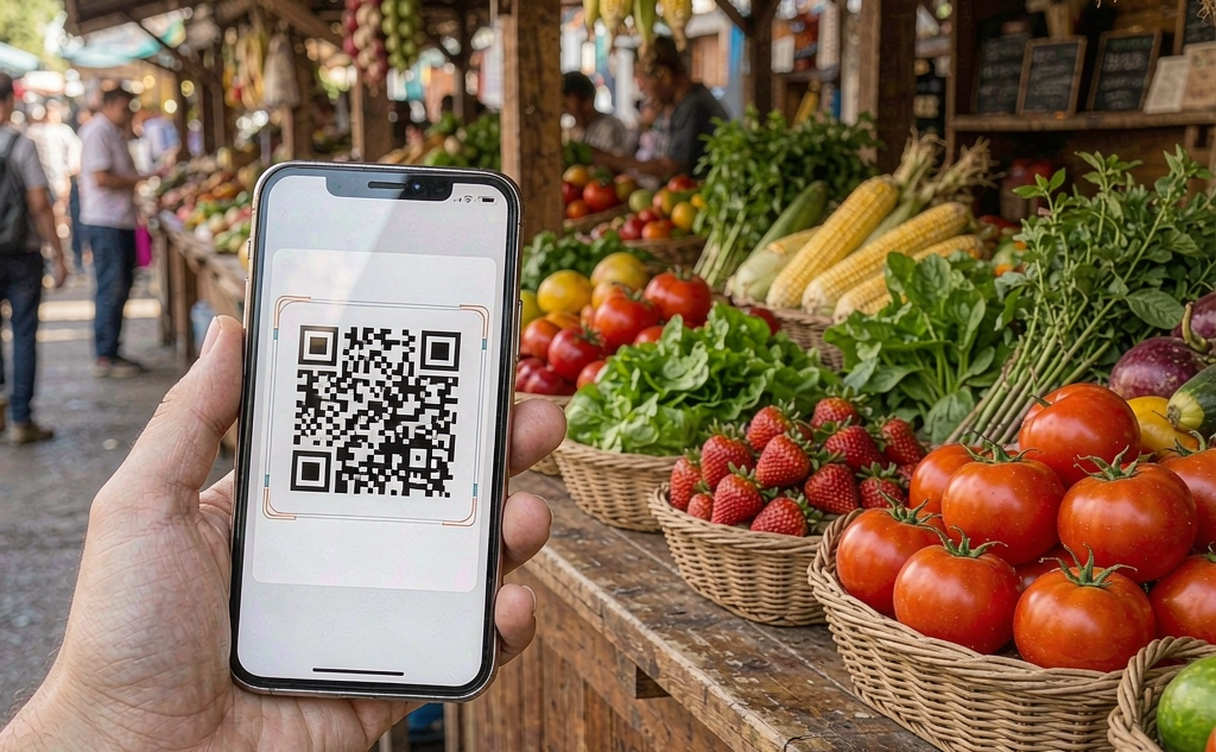
The question of China cash or card has no single answer because it depends on where you go. In tier one cities you can survive a week on Alipay alone, paying for subway rides, museum tickets, and restaurant meals by scanning a QR code at the counter. Step into a wet market, a village guesthouse, or a roadside barbecue stand, and the vendor may only accept cash or a personal WeChat transfer that your account cannot send without a Chinese bank card. We tell our guests to keep at least three hundred to five hundred yuan in small bills for exactly these moments, and to carry more if the itinerary leaves the city. A guide to whether you need cash in China in 2025 breaks down which regions still run on paper.
ATM withdrawal is the most reliable way to get cash once you land. Bank of China, ICBC, and China Construction Bank have the widest foreign card acceptance, and you should look for the Visa, Mastercard, or UnionPay logo on the machine before inserting. A single withdrawal is typically capped at three thousand to five thousand yuan, and your home bank sets the daily ceiling, so plan for two or three transactions if you need a large float. Expect a local ATM fee of around ten to fifteen yuan per withdrawal plus your bank’s out of network charge and a currency conversion fee, which makes pulling a sensible lump sum cheaper than many tiny withdrawals. Our China ATM guide advice extends to safety: use machines attached to a bank branch during daylight, cover the keypad, and photograph the screen if it eats your card so you can show a teller. Cards occasionally get retained when the reader suspects a mismatch, and the branch can usually return it if you present your passport within the same business day.
Counterfeit notes are rare but real, and the hundred yuan bill is the denomination most often faked. Hold it to the light to check the watermark portrait and the embedded security thread, and feel the raised ink on the big numeral. Most vendors will not object if you ask them to change a suspect note, and chain stores use detectors automatically. Small bills matter more than you think: many bus conductors, temple donation boxes, and street snack carts cannot break a five hundred yuan note, so request tens and twenties when you withdraw or exchange. A sensible amount of money for China trip planning is to arrive with two hundred dollars’ worth of yuan and replenish by ATM as needed, rather than carrying wads of cash through airports where theft and loss are the real risks.
Tax refund and duty free shopping reward visitors who plan. Shops displaying the Tax Free logo hand you a refund form when you spend above the threshold, and you present your passport and the goods at the airport refund counter before departure to recover the value added tax, typically around eleven percent minus a handling fee. Our China tax refund shopping guide lists the participating malls and the paperwork order, because missing the customs stamp is the usual reason refunds fail. Duty free stores at the major airports sell liquor, cosmetics, and tobacco at the gate, but prices are not always lower than downtown promos, so compare before you commit.
Tipping is not part of Chinese custom, and you should not add a gratuity at restaurants, in taxis, or for hotel housekeeping unless a service charge is already printed on the bill. Bellhops at five star hotels may accept a tip without surprise, but it is never expected. Bargaining, by contrast, is expected in markets and with independent drivers, and the rhythm is to smile, walk away, return, and settle at perhaps half the opening price for souvenirs. Fixed price supermarkets and malls do not bargain, and knowing the difference keeps you from either overpaying or offending.
Cards themselves deserve a word. Notify your bank of travel dates so they do not freeze a charge from Chengdu or Hangzhou, and carry two cards from different networks in case one is declined. Chip and tap work at hotels and large merchants, but magnetic stripe fallback helps at older machines. Keep a screenshot of your card numbers and the emergency replace line in a cloud note, because losing a wallet is far more likely than losing a phone, and a replacement sent abroad takes time. Some attractions sell tickets only at a window that takes cash or a specific app, so buy entry passes the night before online when the option exists.
The official unit you are spending is the renminbi, issued by the People’s Bank of China, and the Wikipedia entry on the renminbi explains the note series and the distinction between renminbi and the yuan denomination if you want the background. Knowing that one yuan equals ten jiao and a hundred fen helps you read prices, though fen have all but vanished from circulation.
A few China currency tips we repeat to every guest: never accept help from strangers at an ATM who offer to assist with the language, because the most common scam is a swapped card or a distracted withdrawal. Keep receipts for currency exchange in case customs asks on exit. And remember that signal drops in mountain temples and subway tunnels faster than you expect, so a stack of small bills is the only thing that keeps you moving when the QR code will not load.
We recommend a simple daily routine: top up Alipay in the morning from your card if needed, keep a thin fold of small bills in a front pocket, and reserve the physical card for hotels and big tickets. Check your bank app each evening so a fraudulent charge surfaces before it compounds. If a merchant says their scanner is broken, that usually means they only take cash or a local transfer, so fall back to bills without arguing.
Plan the spending side early and the trip feels lighter. We have watched first timers freeze at a noodle stand because no one would take their lone foreign note, and we have watched seasoned visitors breeze through with a phone and a ten yuan bill for the temple. The China currency money guide lesson is simply this: cover all three, and the country opens up. For the paperwork side of arriving, having your accommodation address and return flight handy at the border speeds the interview, and the same preparation that gets your money sorted gets your entry smooth.
Carry a backup plan for places without signal, because mountain temples and subway tunnels drop your QR code faster than you expect, and a stack of small bills is the only thing that keeps you moving. We have handed guests exact change for a rickshaw more times than we can count, and every time it was the cash leg of the stool that saved the day.
In the end the right answer to China cash or card is both, plus the app, and the travelers who prepare all three spend less time at counters and more time eating, riding, and wandering. That is the whole point of the China currency money guide, and it is the single habit we wish every first timer built before the plane lands.