


When I landed at Shanghai Pudong Airport on March 14, 2025, a taxi driver waved away my crumpled dollars and tapped his phone screen. “Alipay,” he said. That was my first lesson: using Alipay as a foreigner in China is no longer optional — it’s the front door to nearly every shop, taxi, and noodle stall in the country. Here’s the part that makes it easy: you can set up both Alipay and WeChat Pay before you even board the plane, using only your passport and an international Visa, Mastercard, or Amex. No Chinese bank account. No local SIM. Just your phone.
I learned this the hard way during a two-week trip through Shanghai, Chengdu, and Xi’an. By the end, I was paying for street dumplings, high-speed train tickets, and hotel deposits with a single scan. In this guide, I’ll walk you through exactly how I did it — download, real-name verification, card binding, scanning, and transferring — plus when to reach for Alipay versus WeChat Pay. If you’re planning a first visit, pair this with our China travel guide for first-timers so the whole trip clicks into place.
Key Takeaways
– You can register Alipay and WeChat Pay with a foreign passport and an international card — no Chinese bank account required.
– Real-name verification (a passport scan) unlocks higher payment limits and full transfer functions.
– Alipay wins for transport, hotels, and mini-programs; WeChat Pay wins for social payments and small shops.
– Bind a Visa, Mastercard, Amex, JCB, or Discover — and always carry a second card as backup.
– Most payment failures come from an unverified passport or your home bank blocking the foreign charge.
Can Foreigners Use Alipay and WeChat Pay?
Yes — and the rules changed for the better across 2023 and 2024. Both platforms opened international card binding to tourists after China’s tourism bureaus pushed to fix the “cashless trap” that left visitors stranded. As of 2025, Alipay and WeChat Pay accept Visa, Mastercard, American Express, JCB, Discover, and Diners Club cards issued outside mainland China.
There is one catch worth knowing. International cards work for daily purchases but cannot send red packets (hongbao) or top up certain wallets. For a two-week vacation, that limitation barely matters. You will still pay for almost everything else, from metro rides to museum tickets.
Before you fly, line up the apps, SIM, and documents you’ll need on day one — our first-timer guide walks through that list so you avoid a frantic first night.
How to Set Up Alipay for Foreigners
Setting up Alipay for foreigners in China took me about twelve minutes in my hotel lobby on March 15. Here is the exact path I followed.
Download and Register
Search “Alipay” in the App Store or Google Play — the icon is a blue square with a white “支” character. Install it, then tap “Sign Up.” Use your home phone number (you’ll get an SMS code). I used my UK number and it worked on the first try. Set a six-digit payment password when prompted; do not write it somewhere obvious.
Verify Your Passport (Real-Name Verification)
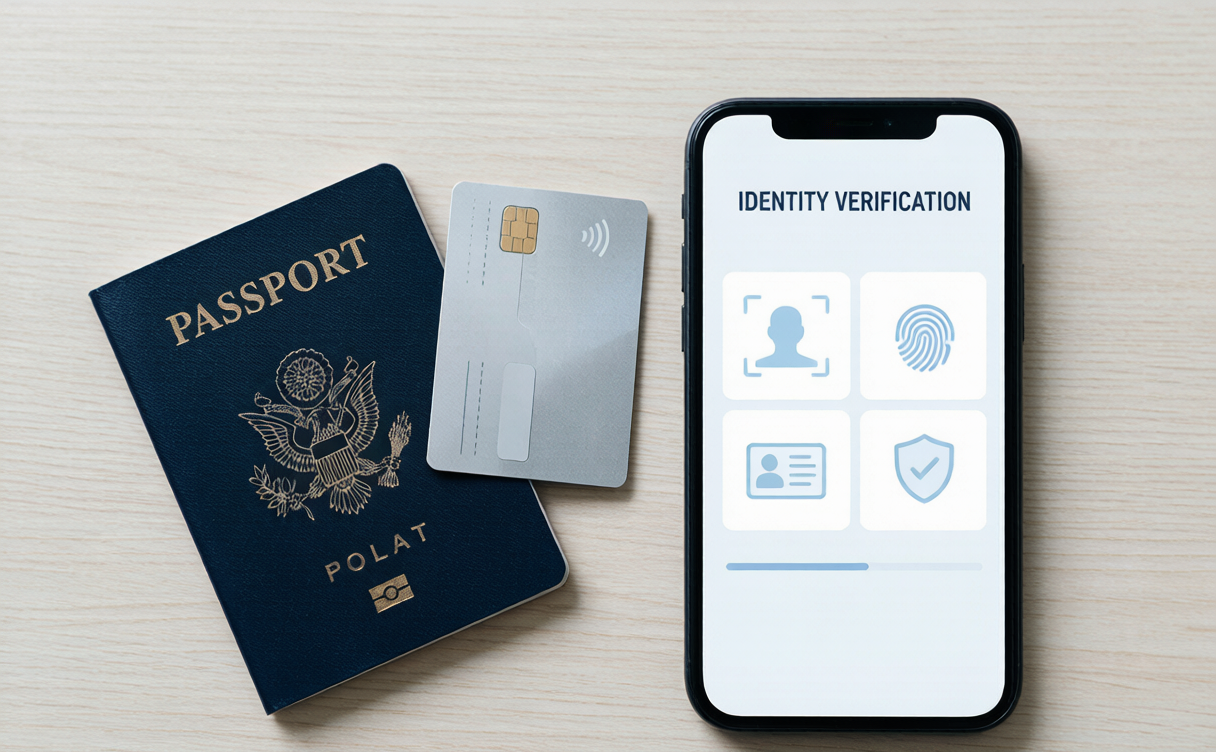
Open “Me” → “Account and Security” → “Identity Verification.” Choose “Passport,” select your country, and scan the photo page. The system reads your name and number automatically. I finished in under three minutes. If the scan misreads a character, tap to edit — it happens under glare or with worn pages.
Real-name verification is the single step most visitors skip and then regret. Without it, Alipay caps your balance and blocks transfers. With it, your annual foreign-card spend limit rises to roughly ¥60,000 (about US$8,300) under current tourist rules. Always verify on day one.
Bind Your International Card
Go to “Bank Cards” → “Add Card.” Enter your Visa or Mastercard number, expiry, and the CVV. Alipay runs a small temporary authorization (usually refunded). My UK Visa cleared in seconds. The app supports multiple cards, so I also added an Amex as backup — smart, because one bank later blocked a transaction and the Amex saved the day.
The full official steps live on the Alipay Support Center, which I kept open the first time.
Scan to Pay and Transfer
Paying is trivial. Tap “Scan” (the little square icon), point your camera at the merchant’s QR code, enter the amount, and confirm with your password or fingerprint. To pay when the merchant scans you, show your “Pay” code from the home screen. For splitting a Chengdu hotpot bill, tap “Transfer” → enter their Alipay ID or scan their code. Done.
Want to ride the bullet train without queuing? Our China high-speed train guide for foreigners shows how Alipay’s mini-programs book tickets in plain English.
How to Set Up WeChat Pay
WeChat is China’s super-app — chat, maps, and payments in one place. Setup mirrors Alipay but lives inside WeChat itself.
- Install “WeChat” and register with your home number.
- Tap “Me” → “Services” → “Wallet” → “Cards” → “Add Card.”
- Verify your passport under “Identity Verification” (the same passport-scan flow).
- Add your international card and set a six-digit pay password.
One gotcha: the “Services” tab only appears after you verify your identity. If you don’t see it, that’s why. The official walkthrough is on the WeChat Pay Help Center, which I screenshotted for reference.
Alipay vs WeChat Pay: When to Use Which
After two weeks I landed on a simple rule of thumb.
Use Alipay for: transportation (Didi rides, trains, some metros), hotel deposits, large supermarkets, and the giant ecosystem of mini-programs (booking, food delivery, attractions). Its English interface is cleaner, and tourist spend limits are generous.
Use WeChat Pay for: small shops, street food, paying friends, and anywhere the vendor shows a personal QR taped to the counter. Many mom-and-pop stalls accept only WeChat because it’s tied to their social account.
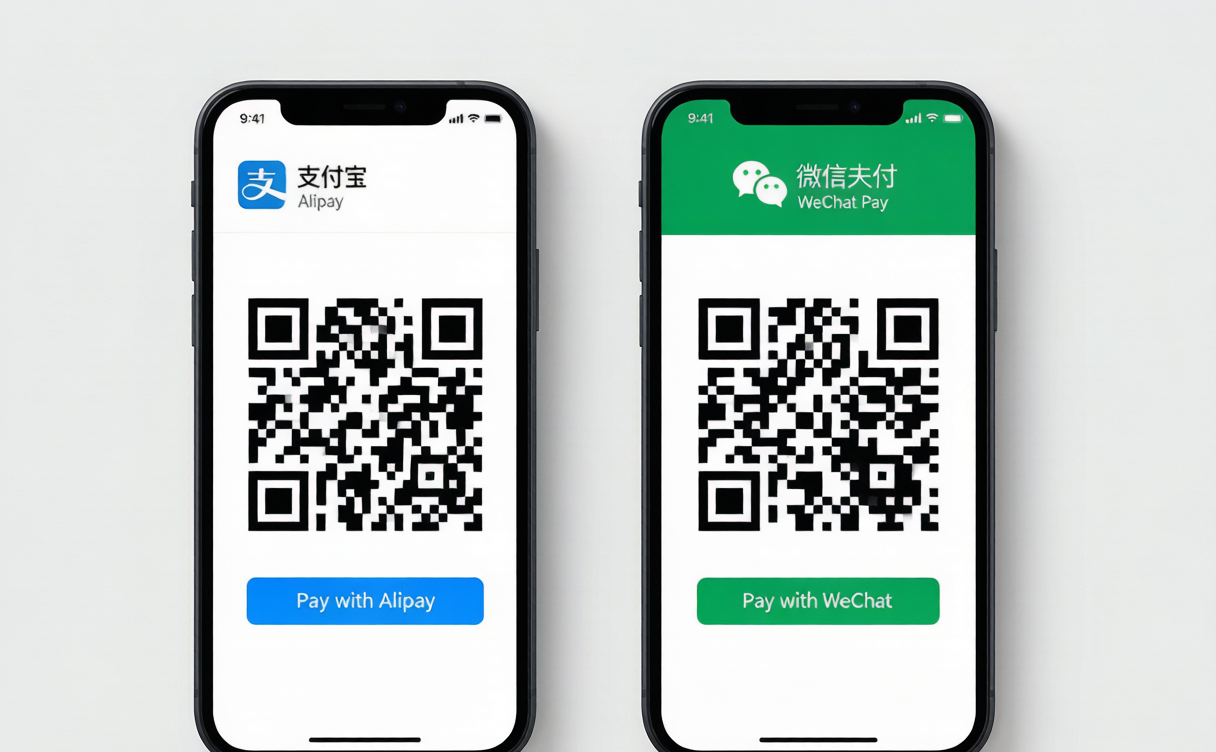
My friend Sarah hit this on March 18 in Chengdu. A tea stall took only WeChat; her Alipay was useless there. She had skipped WeChat setup, so she walked away empty-handed. The next morning she finished WeChat verification in five minutes — and never got turned away again. Lesson: set up both before you land, not after you’re hungry.
Tips to Avoid Payment Fails
Most failures I saw (and caused) came from three avoidable mistakes:
- Unverified passport. No verification, no transfer, low limits. Verify on day one.
- Bank blocks the charge. Some issuers flag China transactions. Tell your bank your travel dates, and carry a second card.
- Wrong QR type. “Scan” pays the merchant; “Pay” shows your code to be scanned. Mixing them just confuses the cashier.
On March 20 in Xi’an, my Visa was declined at a museum ticket machine. I switched to the Amex I’d bound as backup, and the gate opened. That backup card paid for itself in ten seconds. If your dates are flexible, our best time to visit China guide explains how off-peak travel also means shorter lines and smoother payments.
Frequently Asked Questions
Do I need a Chinese SIM card? No. I used roaming and hotel Wi-Fi the whole trip. You only need a working number to receive the SMS code at signup.
Are there fees on foreign cards? Alipay and WeChat add a small markup (roughly 3%) on international-card transactions versus a Chinese bank card. Fair trade for the convenience.
What if my card is declined? Bind a second card and notify your bank of your travel dates. Most declines are fraud filters, not app limits.
So, plainly: verify your passport, bind two cards, and you can pay for nearly everything with one scan.
By Karl
Karl is a UK-based traveler who spent two weeks across Shanghai, Chengdu, and Xi’an in March 2025, setting up Alipay and WeChat Pay on the ground. He writes practical China travel guides from first-hand experience.