

China Visa-Free Transit: 144-Hour (Now 240-Hour) — Full 2026 Guide
Updated for China’s Dec 2024 expansion to 240 hours (10 days) for 55 countries via 65 ports.
If you’re flying through China and dreading visa paperwork, here’s the answer up front: the 144-hour visa-free transit China policy lets eligible passport holders enter the country without a visa for a short stopover — and since December 17, 2024, that window has been extended to 240 hours (10 days). I discovered this policy’s value in November 2024, when a cancelled connection turned a boring six-hour wait at Shanghai Pudong into a five-day wander through the Bund and Zhujiajiao. As of July 2025, the rules cover 55 countries, 65 open ports, and 24 provincial regions. Below, I’ll walk you through exactly who qualifies, where you can go, and how to calculate your stay so you never overstay by a single hour.
Key Takeaways
– The old 144-hour transit rule was upgraded to 240 hours (10 days) on December 17, 2024, and now applies to 55 countries through 65 designated ports (per the NIA’s July 2025 interpretation).
– You must hold a passport valid for at least 6 months and an onward ticket with a confirmed seat and departure date to a third country or region (Hong Kong, Macau, and Taiwan all count).
– Your stay is counted from 00:00 the day after entry — so a Monday 3 p.m. arrival now gives you until the following Thursday 3 p.m. under the old 144-hour math, or a full 10 days under today’s 240-hour rule.
– You may travel freely across all 24 eligible provinces and municipalities, but cannot work, study, or do journalism without a separate visa.
– Tell your airline staff at check-in; they flag “transit without visa” and issue the temporary entry permit at the transit desk on arrival.
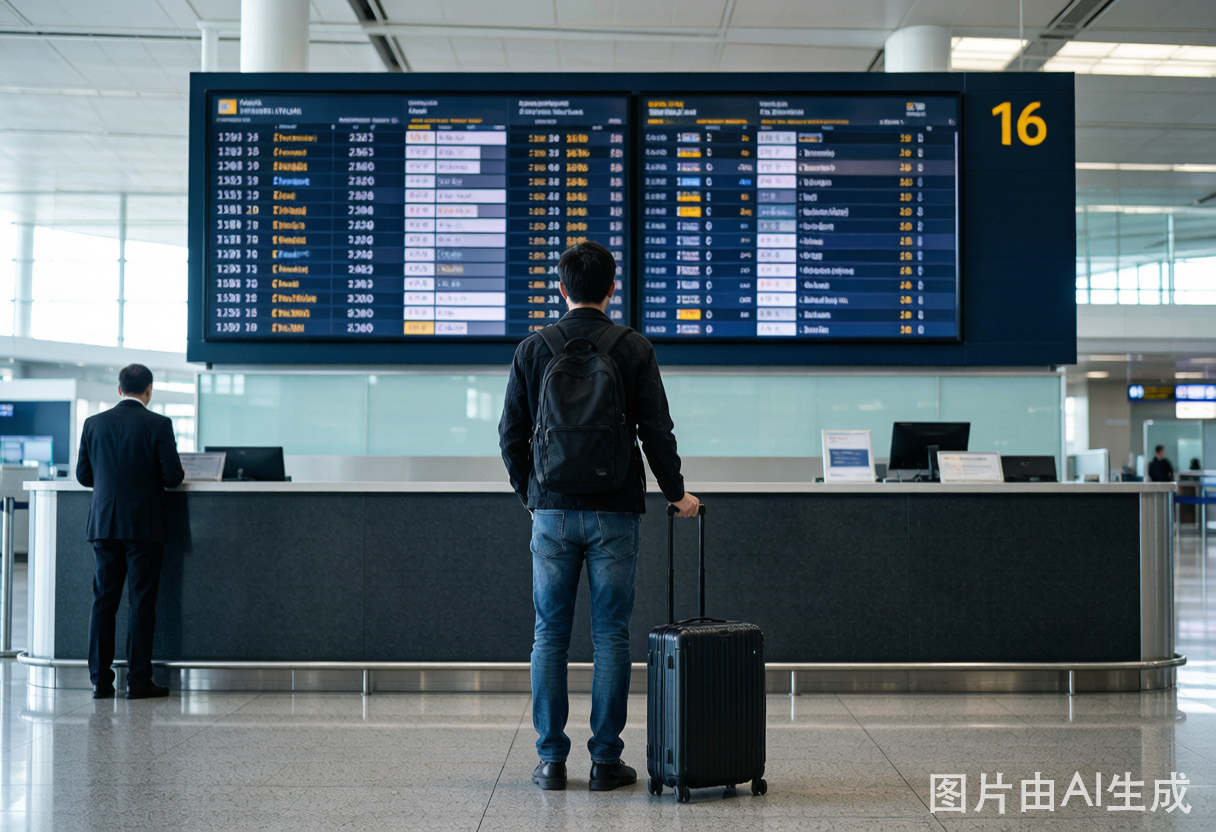
What Is the 144-Hour Visa-Free Transit Policy?
The 144-hour visa-free transit China program was built to let international travelers with a connecting flight explore a city during a layover. Historically, eligible visitors at designated ports could stay up to six days without applying for a visa in advance. On December 17, 2024, China’s National Immigration Administration (NIA) merged the old 72-hour and 144-hour schemes into a single, more generous 240-hour (10-day) visa-free transit policy. Most travelers still search for the phrase “144-hour visa-free transit China,” so we keep that name — but the current benefit is noticeably better.
The 240-hour policy — still searched by most travelers as the 144-hour transit rule — exists for one purpose: transit. You must be genuinely passing through China on the way to a third country or region. It is not a tourist-visa replacement, but for a stopover it is far simpler than a trip to the embassy.
New to the country? Our comprehensive China travel guide for first-timers covers everything from SIM cards to local etiquette — the perfect companion while you plan your visa-free days.
Who Can Use It? (Eligible Countries)
Citizens of 55 countries qualify, according to the NIA’s July 2025 policy interpretation. The list spans Europe (40 nations, including the UK, Germany, and France), North America (the United States and Canada), South America (Brazil, Argentina, Chile, and Peru), Oceania (Australia and New Zealand), and Asia (Japan, South Korea, Singapore, Brunei, and others).
My friend Sarah, a British consultant, used the old 144-hour route in March 2025. Flying London → Beijing → Seoul, she cleared the transit desk in under 20 minutes and spent four days in Beijing before riding the high-speed train to Xi’an for a long weekend — all without a visa. Her UK passport and confirmed Seoul onward ticket were the only things the officers asked to see.
If your nationality isn’t on the list, you’ll still need a standard visa. Check the official NIA page (en.nia.gov.cn) for the full country list before you book.
Eligible Ports and Regions
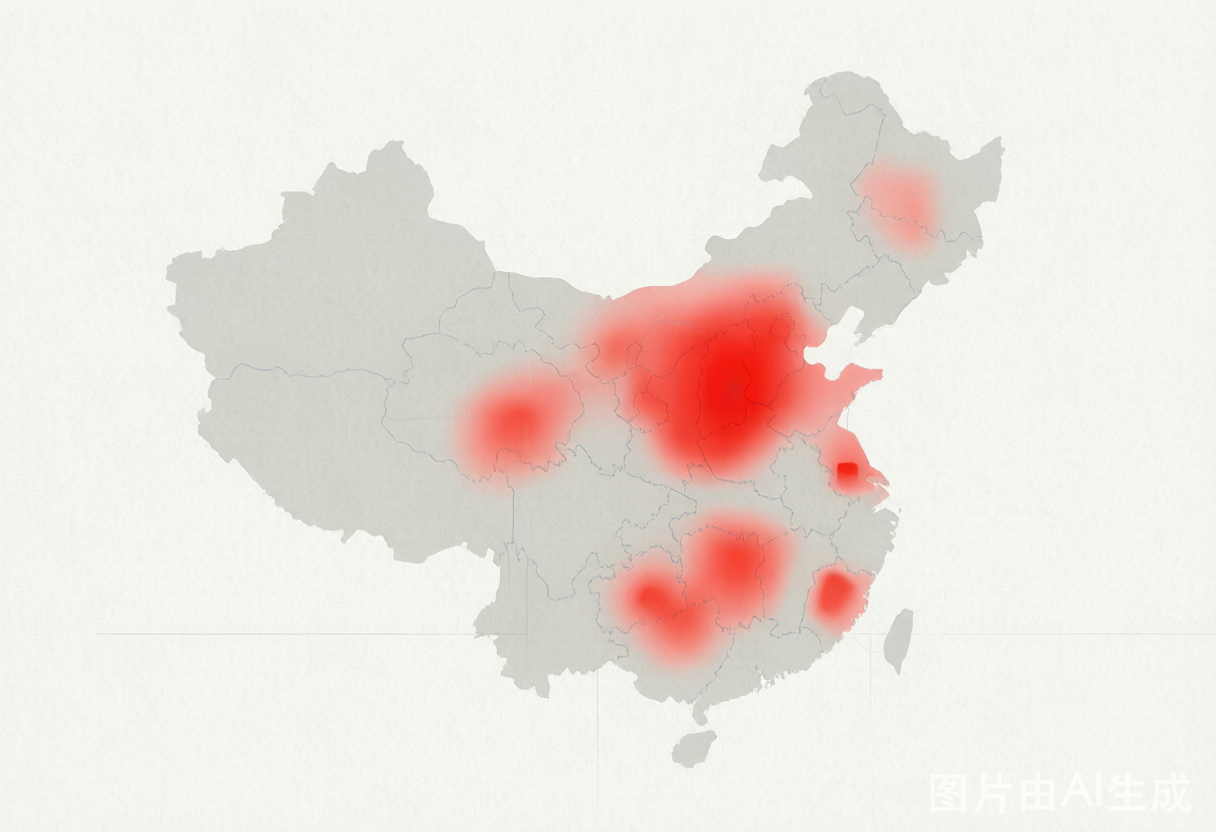
For the old 144-hour stopover permit, you can now enter through 65 designated open ports across 24 provincial regions — up from 39 ports and 19 regions before the 2024 expansion. Major entry points include Beijing (Capital and Daxing), Shanghai (Pudong and Hongqiao), Guangzhou, Chengdu Tianfu, Xi’an, Hangzhou, and Kunming. The December 2024 update added places like Taiyuan, Hefei, Wenzhou, Yiwu, Haikou, Sanya, and Zhangjiajie.
Crucially, you may now travel across all 24 eligible provinces during your stay. Land in Shanghai and train up to Beijing, or fly into Guangzhou and explore Guilin — the old restriction to a single city is gone.
Before you fly, sketch out which cities fit inside your 10-day window with our first-timer planning checklist. And since you’ll pay for everything locally, set up Alipay or WeChat Pay before you land to skip cash headaches at the airport.
The Essential Requirements
Three things you must show at the desk (240-hour rule)
To clear immigration, you need three things:
- A valid passport with at least six months of remaining validity.
- An onward ticket to a third country or region, with a confirmed seat and a departure date.
- A genuine transit itinerary — your stop in China cannot be your final destination.
Hong Kong, Macau, and Taiwan count as “third regions,” so a flight from Tokyo to Hong Kong via Shanghai qualifies. A round-trip that returns to your origin country does not.
My buddy Mike learned this the hard way in May 2025. He booked London → Shanghai with a separate, unconfirmed budget ticket to Bangkok three weeks later. No seat assignment, no fixed date — the transit officer sent him back to the check-in counter. He rebooked a confirmed connection and sailed through. The lesson: your onward leg must be locked in before you board. The 144-hour transit desk is strict about this — confirm your seat before you fly.
You also cannot work, study, or report as a journalist under this policy. Tourism, business meetings, visiting friends, and short courses are fine.
How the 144/240 Hours Are Calculated
Your 240-hour clock starts at 00:00 (midnight) the day after you land. If you land at 3 p.m. on a Monday, your 144-hour window would have closed at 3 p.m. the following Sunday under the old math — but under the current 240-hour (10-day) rule, you actually get until 3 p.m. the next Thursday. Border officers stamp your permitted exit time on the temporary entry permit, so check it before leaving the desk.
Count it carefully. Overstaying, even by an hour, can mean a fine and a flag on your immigration record. Set a phone reminder for 12 hours before your deadline. The paperwork is forgiving; the deadline is not.
Things to Watch Out For
A few traps trip up first-timers:
- Tell the airline first. Your carrier must flag “TWOV” (transit without visa) at origin check-in. If they don’t, you could be denied boarding.
- Keep documents handy. Print or screenshot your onward ticket; Wi-Fi at immigration can be spotty.
- Mind the regions. Stay inside the 24 eligible provinces. A side trip to a non-listed area breaks the rules.
- Time your visit. The best time to visit China is spring (April–May) or autumn (September–October) — pleasant weather makes a 10-day stopover unforgettable. With the 240-hour window, timing your trip well turns a layover into a holiday.
If you’ll be moving between cities, our China high-speed train guide for foreigners explains how to book bullet-train tickets with a foreign passport — a lifesaver when you want to maximize your visa-free days.
Ready to build your 10-day visa-free stopover? Compare routes and lock in that confirmed onward ticket now — the 240-hour window is generous, but only if you plan it right.
Final Thoughts
The 240-hour policy — what most travelers still call the 144-hour visa-free transit — has quietly grown into something better: a 10-day, 24-province chance to see the country on a layover. Remember the four pillars — eligible nationality, valid passport, confirmed third-country ticket, and a midnight-day-after start time. Plan your route, tell your airline, and you’ll clear immigration as smoothly as Sarah and I did.
Start mapping your visa-free China stopover today — and don’t forget to set up payment and train-booking apps before you fly.
Frequently Asked Questions
Is it 144 or 240 hours now? China extended its visa-free transit from 144 hours to 240 hours (10 days) on 17 December 2024. The name “144-hour” is still the common search term travelers use, but the current benefit is 240 hours. Both describe the same transit-without-visa permit, now valid for 55 countries and 65 ports.
Which countries and ports are eligible? As of the NIA’s July 2025 interpretation, 55 countries qualify — including the US, UK, Canada, Australia, and most of Europe and Asia. You can enter through 65 designated open ports across 24 provincial regions, from Beijing and Shanghai to Chengdu, Xi’an, and Zhangjiajie.
How is the 240-hour clock calculated? Your stay starts at 00:00 (midnight) on the day after you land. A Monday 3 p.m. arrival gives you until the following Thursday 3 p.m. under the 240-hour rule. Border officers stamp your exact exit time on the temporary entry permit — set a reminder before the deadline.
Can I travel between cities during my stopover? Yes. The 2024 expansion lets you move freely across all 24 eligible provinces and municipalities — land in Shanghai and train up to Beijing, or fly into Guangzhou and explore Guilin. The old restriction to a single city is gone, so plan a multi-city route.
Last updated: July 2025, based on the National Immigration Administration’s official policy interpretation (en.nia.gov.cn) and the State Council announcement of December 17, 2024 (english.www.gov.cn).
Written by Karl. Karl has transited through Chinese airports more times than he can count and writes from first-hand experience navigating the visa-free transit desk.