

Our China travel photography gear advice always starts with a question we ask every client: what are you actually shooting? The right camera gear for China travel depends less on your budget than on your itinerary, because a kit that sings on the Himalayas will weigh you down in Shanghai, and a pocket camera that handles the Bund at night will struggle on a Tibet, China plateau sunrise. We recommend you build the bag around the trip, not the other way around, and that a traveler who plans first packs lighter and shoots better.
For city and street work, a mirrorless body with a 24 to 70mm equivalent zoom covers most situations, from hutong alleys to wide boulevards. Weight matters more than you expect when you are walking eight kilometers a day, so we lean toward a single walk around zoom rather than three primes you will rarely swap. A travel camera for China in this context can be a crop sensor body and one mid range lens, which keeps the whole kit under three kilos and still delivers prints you would be proud to frame.
Mountains and long distance wildlife call for reach. The best lens for China photos in places like the high passes of Sichuan or the ridgelines above Yunnan is a 100 to 400mm zoom, because the subject is often a ridge, a monastery roof, or a bird you cannot walk toward. We pair that with a 24 to 105mm for landscapes, and we accept the extra kilogram as the price of distance. On a pure trekking route where every gram counts, though, we drop the big lens and keep a single standard zoom, because a great shot you can lift is better than a perfect one left in the hotel.
Night scenes change the math again. Chinese cities light up hard after dark, and the Bund, the Zhangjiajie peaks, and the lantern lanes of old towns all reward a fast prime. A 35mm f1.8 or a 20mm f1.4 lets you handhold in low light without the mush of high ISO, and we tell guests to practice focus peaking before the trip because dim alleys fool autofocus. China photography tips from our local shooters always include a small travel tripod, because the long exposures that make a skyline glow are impossible handheld and many viewing platforms ban the big sticks but allow a tabletop one.
People and culture deserve their own approach. A 35 or 50mm prime with a quiet shutter lets you work close without looming, and the single most important rule is to ask before you frame a face. Markets, tea houses, and village courtyards are generous with permission when you show the screen and smile, and they dry up the moment you sneak the shot. Our China photography tour guide pairs you with a local who handles the language so you can keep your eye on the light.
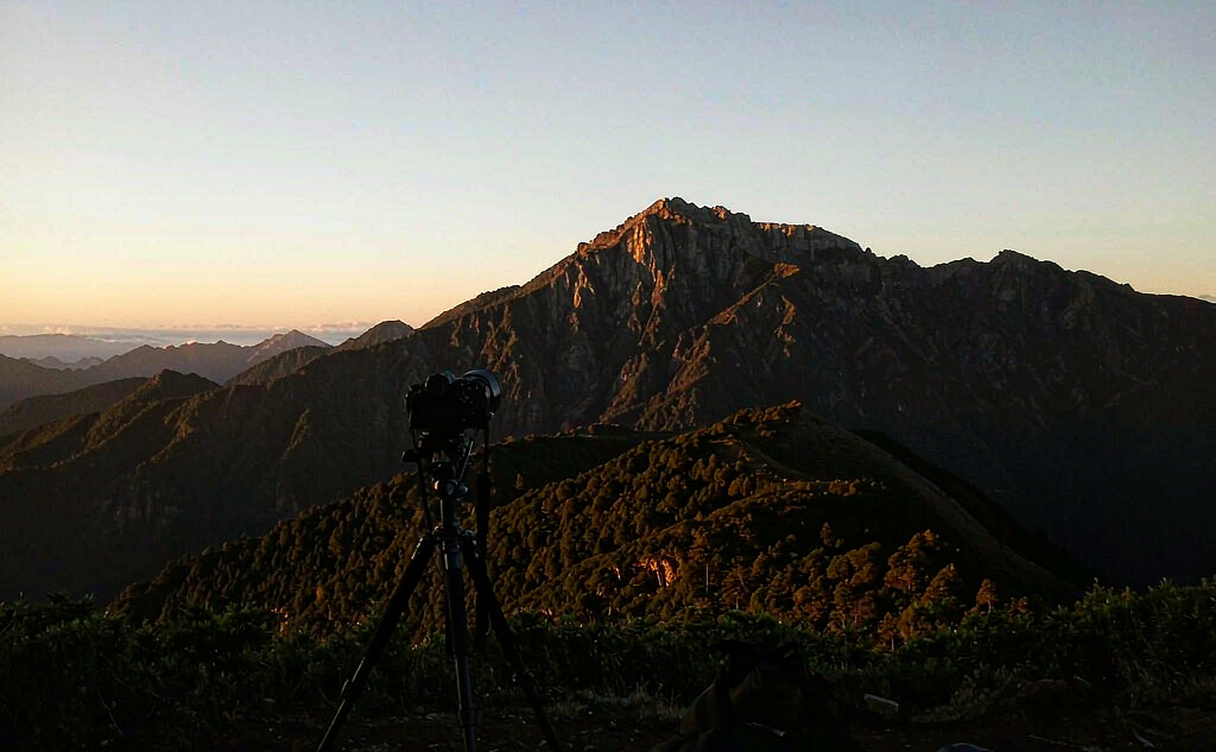
The accessories separate a good trip from a ruined one. Bring a polarizer for water and sky, and an ND filter if you want silky waterfalls at the karst rivers of Guilin. Spare batteries are non negotiable: cold plateaus cut life by half, so carry three and keep one in an inside pocket. Memory cards are cheap insurance, so pack more than you think and shoot RAW plus JPEG, because a full card on the Great Wall is a silence you cannot undo. A cleaning kit with a blower, a microfiber cloth, and a few sensor swabs turns a dust speck from a disaster into a thirty second fix.
China runs on 220 volts at 50 hertz, and the sockets mix Type A, Type C, and Type I, so a universal adapter with surge protection is the only safe bet. Most camera chargers are dual voltage, but check the label before you plug in, because a 110 only brick will cook. We charge batteries overnight at the hotel and top up with a power bank during the day, which frees you from hunting for the right socket at a crowded station.
Climate is where gear lives or dies. On the plateau, keep spare batteries in a coat pocket against your body, because a cold cell that reads empty often revives with warmth. Southern humidity along the Yangzte and in Guangdong breeds fungus on glass, so a small dry box with silica packets in your luggage is worth the space, and you should air lenses out on arrival home. Desert stops around Dunhuang and the Gobi demand sealed bags and a blower used before every lens change, because one grain of sand ground into the mount is a permanent scratch.
Drones are the sorest point. China requires real name registration before you fly, done through the civil aviation authority’s system, and the no fly map is dense with airports, city centers, scenic areas, and military zones. The Wikipedia overview of unmanned aerial vehicles explains the category, but the local rule is stricter than the label suggests: scenic parks and spots near the Great Wall post rangers who will confiscate an unregistered craft, and airports extend buffers of many kilometers. Our honest China photography tips include checking the zone app the morning of every flight and assuming a scenic area is off limits unless a sign says otherwise. We do not encourage pushing the boundary, because the risk is a fine, a lost drone, or a record that complicates later travel. Our separate guide on China drone rules for tourists lays out the registration steps and the zones to avoid before you pack the thing at all.
Temples and military sites carry their own etiquette. Inside active monasteries you should ask before photographing devotees and never use flash on statues or murals, because the light damages centuries old pigment. Many halls post a red camera with a slash, and that means respect the ban without argument. Military facilities, border posts, and train bridges are strictly off limits to photograph, and ignoring the sign can bring police rather than a polite request. When in doubt, lower the camera; the shot is never worth a detention.
Backup is the part travelers forget until it is too late. China’s internet sits behind a firewall, so Google Photos and iCloud sync can crawl or stall, and we do not trust a single cloud during a month on the road. We back up nightly to a laptop and a portable SSD, two copies, and we keep the drive in a different bag from the camera. A local cloud account helps if you already have one, but for most visitors physical drives are the reliable path, and we have watched a dropped camera become a total loss only because the only copy lived on the smashed card.
Lithium batteries on planes follow clear rules you should not fight. Spare cells go in cabin baggage, never checked, because a thermal event in the hold is what the regulation exists to prevent. Cells under 100 watt hours need no approval, those between 100 and 160 watt hours need airline permission and are capped in number, and anything above that will not fly. Tape the terminals or use a case, and keep the camera battery door accessible for security if asked. We pack a clear pouch so the x ray queue moves fast and the agent sees compliant gear.
The China photo packing list we hand clients is short on paper and long on discipline: one body, two lenses, three batteries, four cards, a filter or two, a blower, a tiny tripod, the adapter, and the SSD. Anything beyond that is a want, not a need, and the bag you can carry all day is the bag that gets the shot. Our best photo spots for Great Wall sunrise guide tells you which stretches open early and where the light first hits the stone.
For the dark skies, our China stargazing and dark sky guide points to the plateau basins where the Milky Way still shows, and those same cold nights are why we preach spare batteries. Birders should read our separate China birdwatching guide for the wetlands where a long lens finally earns its weight.
Spring spreads the color widest if you time it right, and our best spring destinations in China guide lists the fields and old towns that bloom first. The China travel photography gear plan that works is the one you actually carry, charge, and back up, and the travelers who do those three things come home with cards full and stories intact.