

Our China summer heat travel advice begins with a number: from June through August, daytime highs in the Yangtze basin routinely sit above 35 Celsius with humidity that makes the air feel like a wet towel on your face. The smartest thing a visitor can do is stop fighting the calendar and start working with it. We have walked guests through Wuhan, Nanjing, and Chongqing, the three furnaces of East China, in July, and the people who enjoyed it were the ones who shifted their entire day around the sun instead of against it.
The China weather in June July pattern splits the country into three moods. The east and the Yangtze corridor cook with sticky heat, where a 36 degree afternoon comes with air you can almost drink. The south coast from Guangdong to Fujian enters typhoon season, with sudden downpours and the occasional closed airport. The north, including Beijing and the loess plateau, bakes dry, so you sweat less but dehydrate faster because the air steals moisture without you noticing. Knowing which mood your route lands in decides everything from your water plan to your hotel’s air conditioning quality.
How to survive summer in China is mostly a scheduling problem. We send guests out at first light, before eight, when the light is soft and the pavements have not yet turned reflective. You do the open squares, the wall walks, and the market strolls in that cool window, then retreat to a museum, a mall, or a tea house by eleven. The afternoon, roughly noon to four, belongs indoors, and we treat it as reading and repair time rather than lost sightseeing. At five the heat eases and the streets fill again, which is when you eat, wander, and shoot.
China hot weather tips from our local team all circle the same point: respect the middle of the day. A visitor who tries to “power through” a July afternoon in Chongqing will arrive at dinner flushed, headachy, and short on patience, and the trip narrows to a memory of being hot. The travelers who plan a long lunch and a nap see more in a week than the marathon walkers see in ten days.
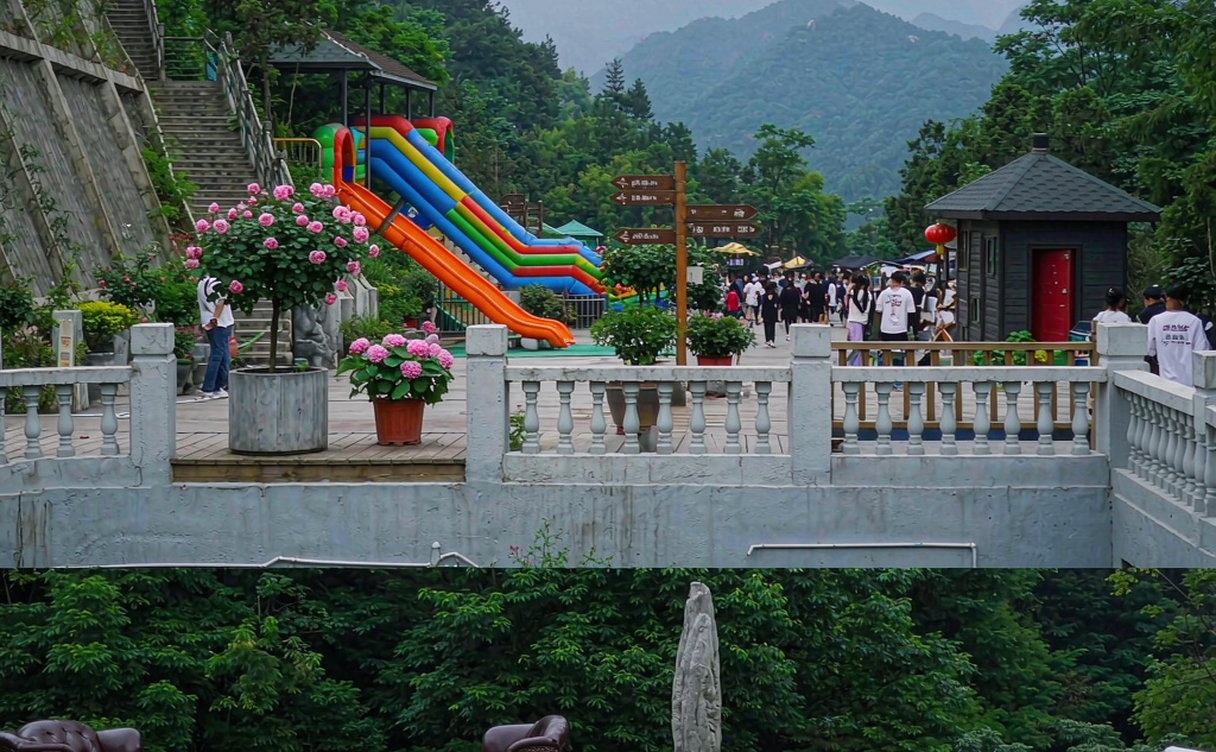
Cooling destination types matter when you build the route, and we cross link rather than repeat the lists. Highlands like those around Yunnan and Sichuan stay twenty degrees below the basin, so a few nights up there reset the body. The coast brings sea breeze and evening swims, and the famous mountains such as Huangshan catch cloud and wind that drop the temperature fast. The northeast, including Harbin, stays almost mild. Our China summer destinations guide and our best summer destinations in China guide lay out the specific towns, because this page is about coping, not cataloguing.
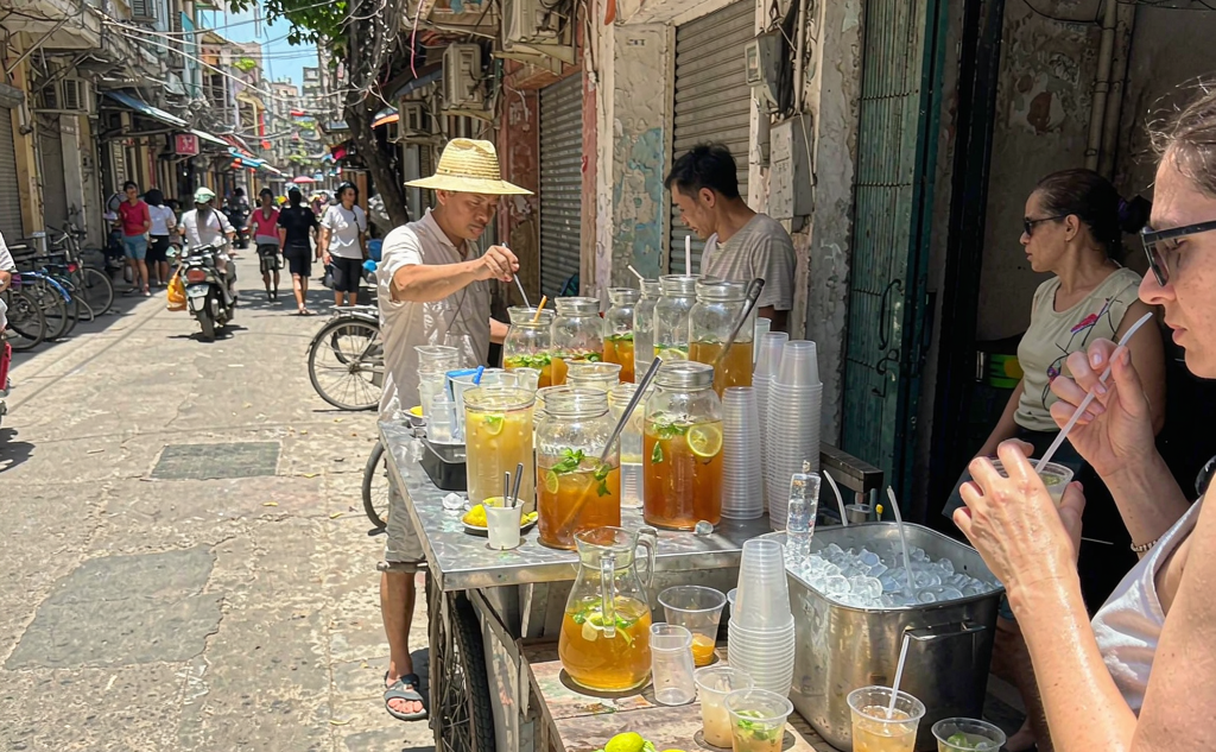
Sun protection is non negotiable and surprisingly cheap. Convenience stores, which sit on nearly every corner in cities, stock sunscreen, aloe gel, and electrolyte drink powders for a few yuan, and we tell guests to buy two of each on day one. The electrolyte point is the one foreigners miss: plain water is not enough when you sweat for hours, and the local habit of sipping a sports drink or eating salty snacks keeps cramps away. Our China drinking water guide explains what is safe to fill from and what to buy, because staying hydrated and staying un sick are the same battle in summer.
Heat illness builds quietly. The early signs are dizziness, a weakening pulse, and a sudden lack of sweat despite the heat, which sounds backwards but marks the dangerous stage. The Wikipedia entry on heat stroke describes the medical picture, but on the street the rule is simple: if someone goes pale, confused, or stops sweating, get them into shade, loosen clothing, and pour room temperature water on the neck and wrists while you find help. Do not dump ice cold water on a heat stricken person, because the shock can worsen things. We have cooled a guest with a convenience store slushie and a wall of shade, and fifteen minutes later they were walking again.
Air conditioning creates its own problem. The gap between a 38 degree street and a 20 degree mall is eighteen degrees, and that swing triggers the summer colds and sore throats that ruin trips. We advise carrying a light layer even in August, because the bus, the museum, and the train cabin will all be colder than you expect. People laugh at the “bring a sweater to China in July” advice until the high speed rail blasts them at night. A scarf or a thin long sleeve shirt is the cheapest insurance you can pack.
Crowds peak in July and August because Chinese schools break, and the big sights sell out. Book tickets online the moment your date is set, and for places like the Forbidden City and the pandas of Chengdu, the window opens weeks ahead and closes fast. We build the hot weather day so the must see indoor tickets fall in the afternoon, which doubles as crowd and heat avoidance. Our China travel safety tips cover crowd awareness and pickpocket zones, which matter more when everyone is sweaty and distracted.
Typhoons and the rainy season reshape coastal plans without warning. Southern provinces can see a storm close the airports for a day, and we never book a tight international connection out of Guangzhou or Xiamen in August without a buffer night. If a typhoon is forecast, treat the altered flight as normal, not a disaster, and rebook early rather than waiting at the gate. The China typhoon and rainy season guide tracks the windows and the regions most likely to disrupt, and we check it before confirming any south coast leg in summer.
Air quality adds a wrinkle on still, hot days, when pollutants sit over a city instead of blowing out. On a hazy August afternoon in the north, a guest with asthma should trim outdoor time and keep the hotel windows shut with the AC on recirculate. Our China air quality and pollution guide explains the index numbers and which days to shift plans, because a heat wave and a still air day together are the ones to respect.
China summer packing looks different from a winter bag. Light long sleeve shirts beat tank tops, because covered skin stays cooler and burns less. A wide brim hat, a refillable bottle, and a small foldable fan earn their weight, and we pack a second pair of quick dry shoes because the first will be soaked by midday. Sunscreen goes in the daypack, not the checked bag, and a tiny first aid pouch with oral rehydration salts handles the off days.
China heatwave travel means accepting that some afternoons are for the hotel pool, the cinema, or the air conditioned department store, and that is fine. The cities are built for it: malls are vast, subways are cool, and the night markets only wake up after dark. We schedule the “boring” logistics, the laundry, the train tickets, the photo backups, into the hot hours, so the cool edges of the day stay free for the things you came to see.
The rhythm that works is boring on paper and wonderful in practice. Early start, hard stop at eleven, indoor middle, evening roam. Do that and the China summer heat travel experience becomes a story of lantern lit lanes and cold noodles, not of wilting on a staircase. The heat is real, but it is a schedule problem long before it is a danger, and the travelers who learn that leave with plans intact and tempers cool.
We keep one eye on the sky all season, because a clear plan and a flexible afternoon beat a rigid one every time. The south coast in particular rewards travelers who build a buffer night before flying out, and our China typhoon and rainy season guide is the page we open before confirming those legs.
Stay loose, stay hydrated, and let the calendar set the pace rather than fight it. The China summer destinations guide covers the towns worth the detour, and our China travel safety tips keep you alert in the crowded, sweaty peak season. Summer in China is loud, wet, and warm, but it is also the season of night markets and empty highlands, and that is a trade worth making.