

One of the first things travelers ask is can you drink tap water in China. The straightforward answer is that most visitors should not drink untreated municipal tap water, even though it is technically treated. Pipes, storage tanks, and local variation make boiling or buying bottled water the safer everyday choice. This guide explains the real situation, what it costs, and how to stay hydrated without hassle from Beijing to the far southwest.
Can You Drink Tap Water in China?
So, can you drink tap water in China safely? In large cities the supply is chlorinated and monitored, but the journey from plant to tap passes through old building pipes and rooftop tanks that can affect taste and safety. Locals routinely boil tap water before drinking it, which is why every hotel room comes with a kettle. As a visitor, follow the same practice: boil, or drink sealed bottled water. Brushing teeth with tap water is generally fine, but swallowing it is best avoided.
For broader context on staying well abroad, our things to know before visiting China covers water alongside food and sanitation basics.
Is Bottled Water Safe in China?
The reassuring news on is bottled water safe in China is yes, for sealed, branded bottles from supermarkets and convenience stores. National brands such as Nongfu Spring, Wahaha, and C’estbon are ubiquitous and trustworthy. Check that the cap seal is intact and the bottle is not refilled or tampered with, a rare but real street-market scam. Avoid unmarked jugs sold from open coolers.
Boiling is the cultural default, so even cautious travelers adapt quickly. If you want the full safety picture, our China travel safety tips explains how locals and visitors manage everyday risks.
How Much Does Bottled Water Cost in China?
Budget-wise, how much does bottled water cost in China is a pleasant surprise. A 500 ml bottle from a corner shop runs about 2 to 3 yuan; a 1.5 litre bottle is roughly 3 to 5 yuan. Convenience chains like Convenience Store and family marts price slightly higher, around 3 to 6 yuan for 500 ml. Scenic areas and train platforms mark up to 5 to 10 yuan, so stock up in town. Vending machines in stations are reliable and fairly priced.
Buying a multi-pack at a supermarket on your first day keeps costs near the low end. Our China packing list for first-timers suggests a reusable bottle to pair with your purchases.
Boiling Water With a Hotel Kettle
The boiling water hotel kettle China habit is the easiest path to safe drinking water. Nearly every hotel, from budget to five-star, provides an electric kettle and sometimes free tea bags. Fill it with tap water, bring to a full boil, let it cool, and you have safe drinking and tea water for the room. Some travelers prefer to rinse the kettle first with boiled water if it looks unused.
This boiled-and-cooled water is what locals drink all day. It is also how you make the free tea sachets and instant noodles that sustain many a train journey.
Hot Water Dispensers at Train Stations
A uniquely Chinese convenience is the hot water dispensers China train station network. Major stations and many high-speed trains offer free boiling-water taps, often on the platform or carriage end, so travelers can refill flasks and make noodles. Carry a heat-proof bottle or a cup; the water is scalding, so fill carefully and keep the lid secured.
Long-distance buses and airports have similar stations, though less consistently. Our China travel guide for first-timers explains station layouts so you can find these taps without missing your train.
Water Bottle Refills in China Travel
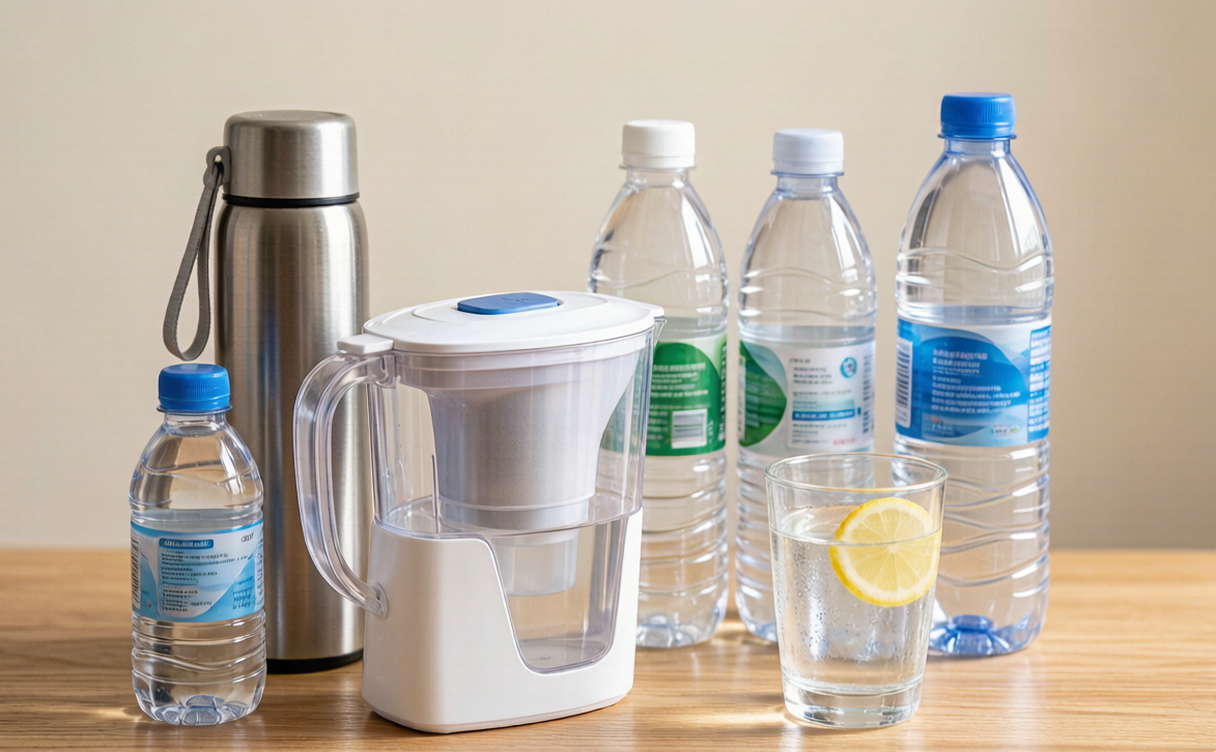
On the question of water bottle refill China travel, options are growing but uneven. International hotel chains and some coworking cafes offer filtered refill points; a few city parks in places like Shanghai and Shenzhen have public drinking fountains. Still, the cultural norm is bought or boiled water, so do not expect fountains at every corner as you might in Europe or North America.
A practical compromise: buy a large 4 to 5 litre jug for your hotel room and refill a personal bottle from it through the day. This cuts plastic waste and cost while keeping you safe.
Street Food and Water Safety
Hydration connects to food safety, since cold drinks and raw washes matter. Our street food in China safety guide advises cooked, hot items and bottled drinks from sealed sources. Ice in reputable bars and hotels is usually made from purified water, but at small roadside stalls, skip the ice or confirm the source.
Saving Money and Staying Healthy
Combining habits keeps both wallet and stomach happy: a supermarket multipack plus a hotel kettle covers most needs, while station dispensers handle travel days. Watch for the rare tampered bottle, and when in doubt, boil. Dehydration at altitude or in summer heat is a real risk, so drink steadily rather than waiting to feel thirsty.
Refill Stations, Hotels, and Cutting Plastic Waste
Beyond buying bottles, a few habits shrink both cost and waste. International hotel chains and some cafes in Beijing, Shanghai, and Shenzhen provide filtered refill stations; ask at the front desk. A 4 to 5 litre jug bought at a supermarket and kept in your room lets you refill a personal bottle all day, which is cheaper than single bottles and kinder to the environment on a long trip.
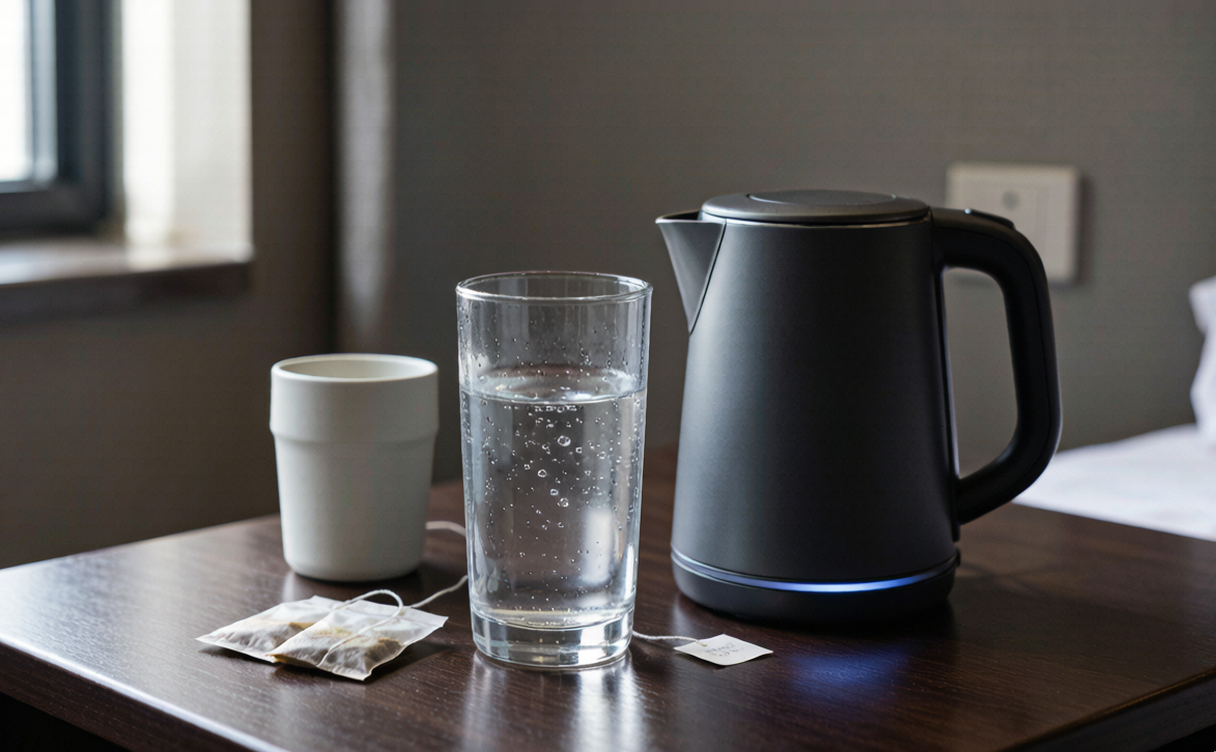
Mountain and desert destinations need extra planning. On the trekking routes of western Sichuan or the remote Silk Road towns, shops can be hours apart and bottled water scarce, so carry two litres per person from the last town. Boiling remains the universal safety net: even a basic guesthouse usually lends a kettle, and a boiled batch kept in a flask keeps a group hydrated safely.
Tea culture dovetails neatly with safety. Free hot water and tea are offered in most restaurants and hotels, so accepting them is both traditional and the lowest-risk drink you can choose. Cold purified water is sold in sealed bottles at convenience store chains nationwide, while fountain-dispensed cold water in public squares is rare and best avoided unless clearly filtered. If you rely on a reusable bottle, clean it daily and avoid leaving it in direct sun, where heat can affect taste and plastic.
Stainless steel insulated bottles are ideal because they keep boiled water hot for hours, doubling as your tea flask on winter trips to the north. For families, a child-sized bottle with a secure lid prevents spills on trains, where a lost bottle means a long wait until the next station shop. Building these small routines means safe hydration stops being a daily worry and becomes just another part of the rhythm of travel.
Conclusion
Drinking water in China is easy once you adopt the local rhythm: do not drink raw tap water, boil it or buy sealed bottles, use station hot-water taps on the move, and refill smartly. With a kettle and a reusable bottle, safe hydration costs almost nothing. For official health and travel advice when visiting the country, consult the China National Tourism Administration (English portal).