

There is a version of China that exists in guidebooks, and a very different version you meet the moment you step off the plane. After a dozen trips and a lot of trial and error, I can tell you that most of the stress first-timers feel comes from a handful of avoidable surprises. If you are planning your first China travel adventure, the smartest move you can make is to prepare for the practical realities before visiting China — not after you are standing in a Beijing subway station wondering why your credit card will not work. This guide covers the 15 things I wish someone had handed me on day one, the small details that separate a smooth trip from a stressful one.
1. Set Up Mobile Payments Before You Land
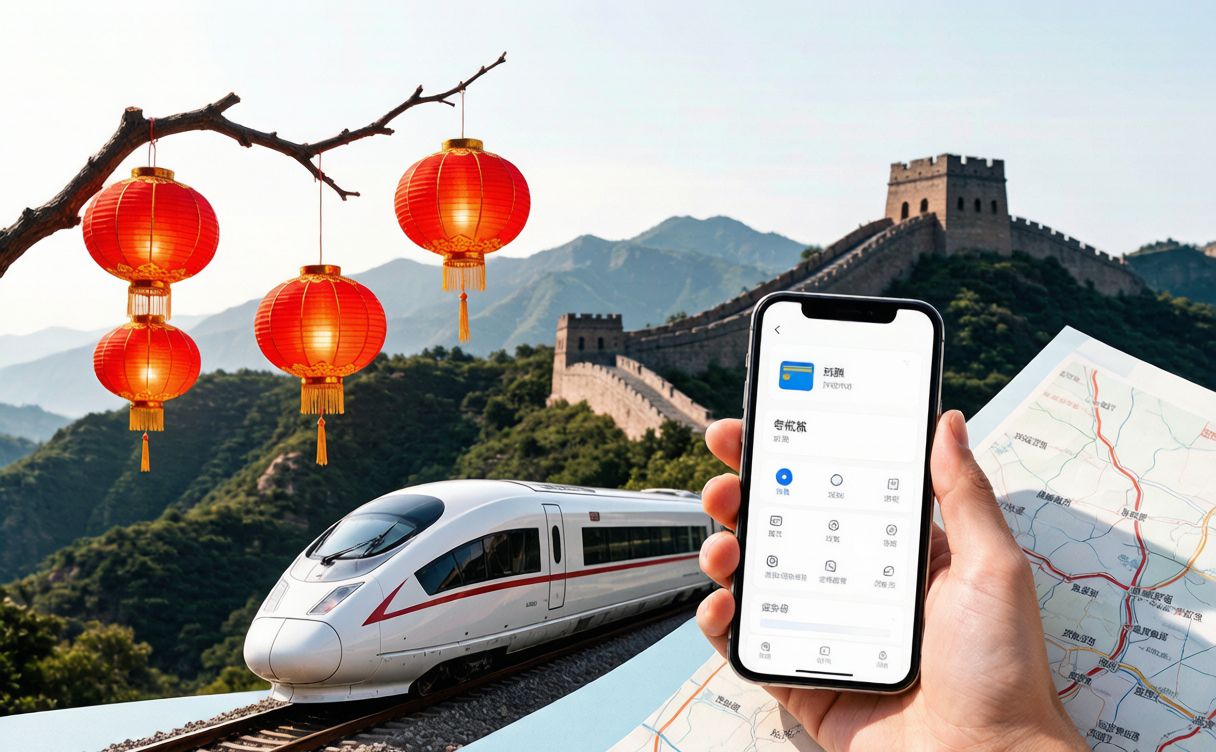
Cash and cards are fading fast in China. The two apps that run daily life are Alipay and WeChat Pay, and both now accept international cards through a simple tourist-friendly setup. I linked my Visa to Alipay within five minutes at the airport using just my passport. From that point on, I paid for dumplings, bullet-train tickets, and hotel rooms by scanning a QR code. Download both apps, complete the international-card verification, and you will skip the single biggest headache most newcomers face. Many small shops no longer keep a card machine at all.
2. The Internet Works Differently — Plan Ahead
Many Western sites and apps (Google, Gmail, Instagram, WhatsApp) are blocked on local networks. Before visiting China, decide how you will stay connected. A travel eSIM or a roaming plan with built-in access is the easiest fix; installing a VPN before you arrive also works, though reliability varies. I keep a guide to using the internet in China bookmarked for the exact steps, because doing this from inside the country is far harder than doing it at home. Sort this out on your laptop before you fly, not on airport Wi-Fi after a long haul.
3. Download a Translation App You Can Actually Use
Google Translate struggles without access, so load Baidu Translate or Pleco before you fly. Pleco is my favorite for reading menus — point the camera and it decodes characters live. I once ordered an entire hotpot dinner in a Sichuan backstreet using nothing but my phone screen and a confused but amused waiter. The camera-translate feature turned a potential disaster into one of my best meals in the country, and it has rescued me in pharmacies, train stations, and taxi ranks ever since.
4. Trains Are the Best Way to Move Between Cities
China’s high-speed rail is cheap, punctual, and genuinely world-class. Book through the official 12306 app or reputable resellers, and always carry your passport — seat checks happen. For a two-week sweep of the classics, a well-planned route that chains Beijing, Xi’an, Chengdu, and Shanghai by rail will save you hours of airport security and a surprising amount of money. I still remember my first Shanghai-to-Beijing ride: 1,300 km in under five hours, smoother than any flight I have taken, with countryside unspooling past the window the whole way.
5. Sort Your Visa Early
Most visitors need a tourist (L) visa from a Chinese embassy before arrival, though transit and visa-free schemes are expanding fast. Start the paperwork at least a month out, because processing and document requests can drag. Our detailed China tourist visa application guide walks through documents, photos, and timelines so you are not scrambling the week before departure. When in doubt, confirm current rules with the official China National Immigration Administration before you book flights, since policies shift from year to year.
6. Learn the Basic Etiquette
A few habits go a long way: use both hands when offering or receiving something, do not stick chopsticks upright in a bowl of rice, and a slight nod beats a firm handshake in many settings. Queuing is respected but can look chaotic at train stations — stand your ground politely. Small courtesies signal respect and locals respond warmly, often with help you did not ask for. If you are invited to a meal, expect the host to pay and do not insist too hard on splitting the bill.
7. The Food Will Be the Trip Highlight
Chinese cuisine is far more than “Chinese takeout.” Eight regional systems range from the numbing heat of Sichuan to the clean sweetness of Cantonese dim sum, and the difference between a Chengdu bowl of noodles and a Hangzhou river fish is the difference between two countries. Step outside hotels and eat where locals queue, even if the menu is only characters. Some of my fondest memories are of tiny neighborhood places with plastic stools and a single famous dish, discovered by following my nose rather than a review app.
8. Bring a Power Adapter
China uses Type A, Type I, and Type C sockets at 220V. A universal adapter covers all of them. I learned this the hard way in a Xi’an hostel with a dead laptop and no spare plug — pack one in your carry-on, not your checked bag, because you will want it on the flight and at the first hotel. A small power bank is equally wise; long days of maps and translation drain a phone faster than you expect.
9. Get a Local SIM or eSIM
Free Wi-Fi is common in hotels and cafes but rarely reaches the places you need it — subways, taxi lines, remote scenic areas. A local SIM or travel eSIM keeps maps and translation working when you are lost in a new city at 9 p.m. Our China eSIM and SIM card guide for tourists compares the easiest pickup options at airports and online, so you can be connected the moment you clear customs. I now order an eSIM before I leave home and it simply activates on landing.
10. Carry Some Cash as a Backup
Even in a near-cashless society, you will hit spots — tiny temples, rural markets, an old vendor in Kashgar — that take only yuan. I keep about 200–300 RMB in small bills. It has bailed me out exactly twice, both times in places I am glad I visited, and neither would have happened if I had trusted my phone completely. Think of cash as insurance you hope never to use.
11. China Is Safe — But Stay Alert Like Anywhere
Petty theft is rare and solo travel, including for women, is generally comfortable. Still, watch your bag in crowded metros and keep documents secure. Our China travel safety tips cover the practical do’s and don’ts, from scam patterns at tourist sites to how to handle a lost passport. I have walked Beijing alleys at midnight feeling safer than in many European capitals, but sensible travel habits still apply everywhere on earth.
12. Seasons Decide Everything
China spans climates from tropical Hainan to frozen Harbin. Spring and autumn are the sweet spot for most regions; summer is hot and crowded, winter brutal up north but magical for ice festivals. Timing also protects your wallet, since flights and hotels swing hard with the school holidays. Shoulder-season travel quietly saves money and elbows at the same time, which is why I almost always aim for April or October.
13. Bargaining Is Expected at Markets
In tourist bazaars and flea markets, the first price is an opening offer, not a final one. Smile, walk away if needed, and aim for 30–50% off. In Kashgar’s old town I talked a carpet seller down by half over two cups of tea — the haggling was half the fun. Malls and supermarkets, by contrast, have fixed prices; don’t try to negotiate at a supermarket checkout, where it only confuses the cashier.
14. Public Toilets Are a Skill
Squat toilets are still the norm outside major malls and hotels, and paper is rarely provided — carry tissues. I learned to spot the cleanest stall by watching which locals avoided. It sounds small, but after day three you will thank yourself for the habit, especially on long bus or train journeys where the rest stop is the only option for hours.
15. Tipping Is Not a Thing
Unlike the US, China has no tipping culture — restaurants and taxis do not expect it, and adding a tip can confuse the bill. Exception: high-end hotels may add a service charge, and tour guides appreciate a small gesture, but it is never required. Relax and keep your coins in your pocket; the money you do not spend on tips is better saved for one more night-market snack.
A Few First-Hand Notes to Close
The thing nobody tells you: China is simultaneously more modern and more foreign than you expect. One minute you are in a spotless maglev station, the next you are deciphering a handwritten menu with a translation app and a smile. My advice after all these trips is simple — prepare the logistics (payments, internet, visa, SIM), then let the rest unfold. The country rewards the curious far more than the cautious.
On my first night in Chengdu, I could not read a single character on the menu and had no local cash. A college student next to me noticed, ordered for me in Sichuan dialect, and refused my attempt to pay her back through Alipay. That single evening taught me more about traveling in China than any guide: the systems are different, but the people are generous. Show up ready, stay flexible, and China will hand you stories you did not plan for.
Wherever your first trip takes you, these 15 essentials will keep the friction low and the wonder high. Safe travels, and welcome to one of the most rewarding countries on earth to explore.