

The Ming dynasty (1368 to 1644) was one of the most influential periods in Chinese history, and it left behind two of the country’s most iconic landmarks: the Forbidden City in Beijing and the Great Wall of China. If you are planning a trip and want to understand what you are actually looking at, this ming dynasty guide is for you. The Ming period rebuilt and extended the Great Wall into the stone fortifications that visitors walk today, and it constructed the immense imperial palace complex that now draws millions of travelers each year. Together these sites tell the story of a dynasty that prized order, defense, and ceremony. In this article we explain when the Ming dynasty ruled, who built its great monuments, and how to see them on a practical China itinerary, with links to deeper guides on tickets, routes, and first-time planning.
A Quick History of the Ming Dynasty
The Ming dynasty was founded in 1368 after the collapse of the Mongol-led Yuan dynasty. The first Ming emperor, Hongwu, drove the Mongols north and set about rebuilding a Chinese-ruled state. The early capital was Nanjing, but in 1421 the third emperor, Yongle, moved the capital to Beijing and began construction of the Forbidden City. The Ming period is remembered for its blue-and-white porcelain, its maritime voyages led by the admiral Zheng He, and its enormous building programs. It ended in 1644 when rebel forces took Beijing and the Manchu-led Qing dynasty took over. For travelers, the legacy of the Ming dynasty is visible across northern China, from city walls to tomb complexes to the wall itself.
The Forbidden City: Heart of the Ming Dynasty
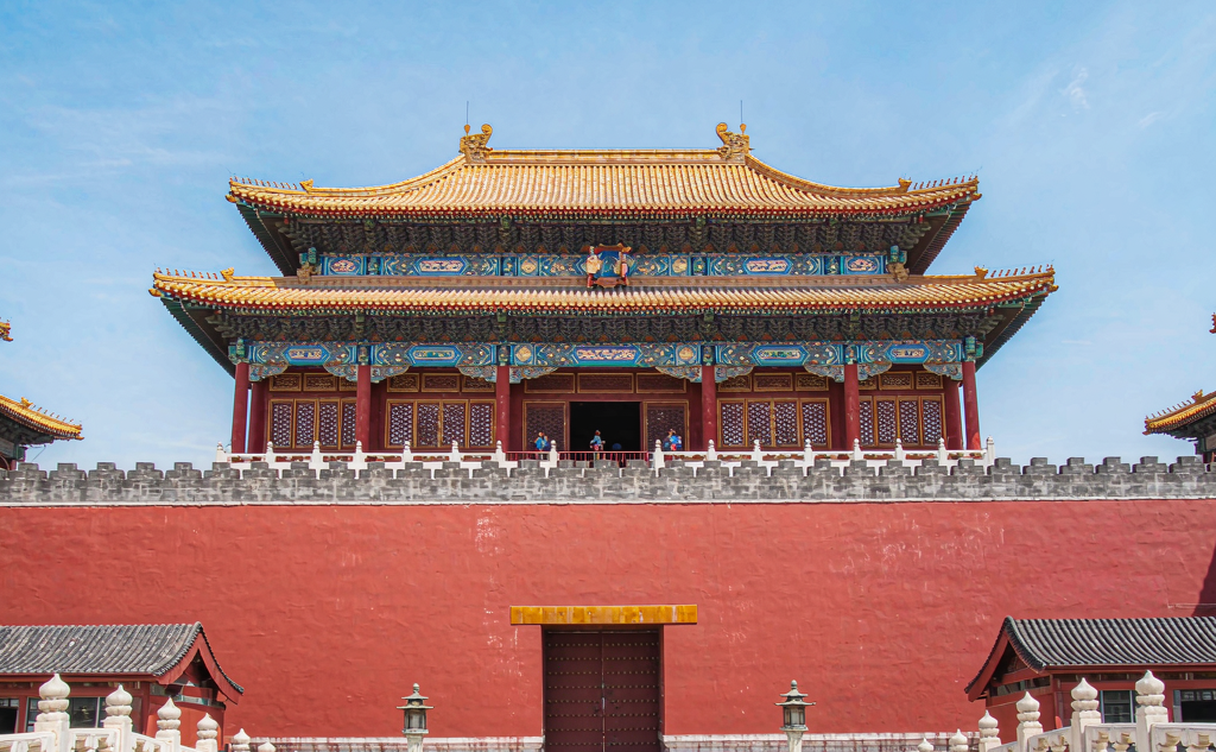
The Forbidden City, also called the Palace Museum, is the largest wooden palace complex in the world. Emperor Yongle commissioned it in 1406, and it took roughly fourteen years and hundreds of thousands of workers to complete. The complex has 980 surviving buildings and sits on 72 hectares inside the heart of Beijing. For nearly 500 years it was the ceremonial and political center of the Ming and later Qing dynasties. Visitors enter through the Meridian Gate and pass courtyards, halls, and gardens that show how Ming emperors lived and ruled. Because ticket demand is high, it is best to reserve ahead using the Forbidden City tickets & guide. The Forbidden City is the single best place to feel the scale of the Ming dynasty up close, and its red walls and golden roofs have become the defining image of imperial Beijing.
The Great Wall: The Ming Dynasty’s Greatest Defense
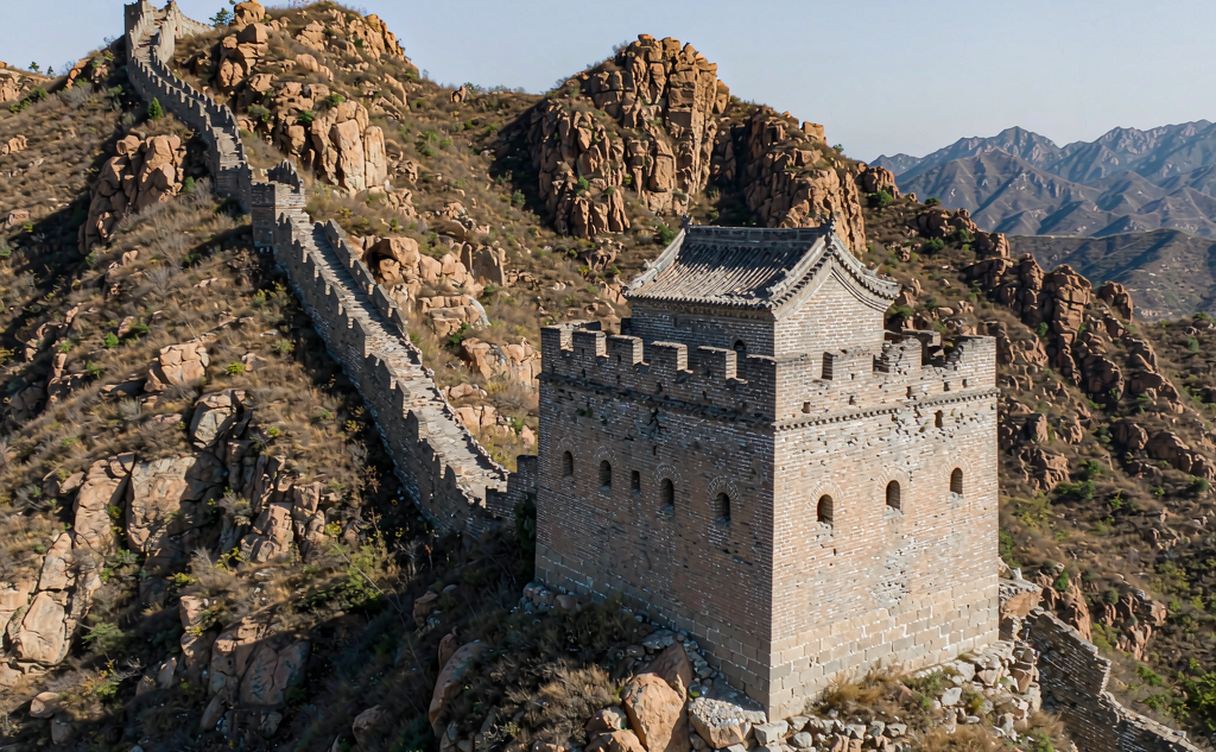
Although earlier dynasties built walls, the most famous sections of the Great Wall of China that tourists visit today are Ming dynasty constructions. After moving the capital to Beijing, the Ming court faced constant pressure from Mongol groups to the north, so it invested heavily in stone-and-brick fortifications guarded by watchtowers and garrison towns. The Ming wall stretched more than 8,800 kilometers when measured with all its branches. Popular visiting sections near Beijing include Badaling, Mutianyu, and the wilder Jinshanling stretch. To choose the right section and learn the history, see the Great Wall of China guide. Walking a Ming-era wall path along a ridge at sunrise is one of the most memorable experiences available anywhere in China, and it explains why the Ming period is so closely tied to this monument in the popular imagination.
Ming Tombs and Other Ming Sites
Beyond the two headline monuments, the Ming dynasty left a string of related sites worth a visit. The Ming Tombs in Beijing hold the burial complexes of 13 Ming emperors and make a calm counterpoint to the busy city center. In Nanjing you can see the Ming Xiaoling Mausoleum and long stretches of the original Ming city wall, reminders that the dynasty began in the south before the capital moved north. The Forbidden City and the wall are the headline attractions, but the Ming Tombs in Beijing make an easy half-day trip if you want to go deeper into the period. If your route also includes Shaanxi, the Xi’an Shaanxi History Museum displays artifacts that help frame the Ming dynasty within the longer arc of Chinese history, from the Han and Tang through to the Ming and Qing.
Planning Your Ming Dynasty Trip
Most travelers base their Ming dynasty sightseeing in Beijing, which concentrates the Forbidden City, the Ming Tombs, and several Great Wall sections within a few hours of each other. Spring and autumn offer the most comfortable weather for walking the wall, while summer brings crowds and winter brings crisp, quiet views. If this is your first time in the country, start with the China travel guide for first-timers, which covers visas, transport, and city logistics. For a broader wish list, browse the Best things to do in China. With high-speed trains and frequent domestic flights, it is easy to pair Beijing with Xi’an, Nanjing, or other historic cities in one trip, letting you compare how different dynasties left their mark on the landscape.
[CTA]See the Ming landmarks yourself — book your Forbidden City tickets & guide.[/CTA]
Why the Ming Dynasty Still Matters
The Ming dynasty shaped the China that travelers meet today in practical ways. Its capital decision made Beijing the political center it remains, its wall defined the northern frontier, and its court culture produced art and architecture still revered worldwide. The period also saw the final form of many traditions later associated with imperial China, from palace ritual to porcelain production. According to Britannica: Ming dynasty, the era was a time of stable government, expansive trade, and cultural achievement. Understanding the Ming period adds real meaning to every gate, tower, and hall you walk through, turning a sightseeing stop into a story about how a vast empire organized itself.
[CTA]Walk a wild stretch of the Great Wall of China guide on your next trip.[/CTA]
Ming Art, Porcelain, and Daily Life
The Ming period was also a golden age for material culture, and much of what travelers associate with “classic China” was refined during these years. Ming porcelain, especially the blue-and-white ware produced at Jingdezhen, was exported across Asia and Europe and is still copied today. Ming furniture, with its clean lines and hardwood joinery, set a standard that influences design worldwide. In daily life, the Ming dynasty standardized the use of silver currency, expanded the canal system that moved grain to the capital, and published the novels and encyclopedias that shaped popular culture. When you visit the Forbidden City or the Shaanxi History Museum, look for Ming ceramics and textiles on display; they make the abstract dates of the Ming period feel concrete. Even the layout of Beijing’s hutongs and temple districts follows a Ming-era grid, so simply wandering the old city is a way to read the dynasty’s planning logic.
FAQ: Ming Dynasty Questions Travelers Ask
When was the Ming dynasty?
The Ming dynasty ruled China from 1368 to 1644, a span of 276 years. It began when Zhu Yuanzhang overthrew the Yuan dynasty and ended when the Qing dynasty took Beijing. The Ming period sits between the Yuan and Qing in the standard timeline of Chinese dynasties.
Who built the Forbidden City?
The Forbidden City was built on the order of the Ming emperor Yongle, who moved the capital to Beijing. Construction started in 1406 and finished around 1420, using hundreds of thousands of laborers, artisans, and soldiers. It served as the imperial palace for both the Ming and Qing dynasties.
How long is the Ming dynasty Great Wall?
The Ming-era sections of the Great Wall of China measure more than 8,800 kilometers in total when all branches are counted. The best-preserved and most visited parts are the stone-and-brick walls built during the Ming period around Beijing, including Badaling and Mutianyu.
[CTA]Plan the full trip with our China travel guide for first-timers.[/CTA]