

Most travelers who plan a trip to China’s far northeast think first of Harbin’s ice sculptures or the Arctic light at Mohe. We used to think the same way until a client asked us to build a slow, family-friendly loop through Heilongjiang’s interior. That assignment sent us to Yichun, and it quietly became one of the most restorative places we have written about. If you are searching for a practical Yichun Heilongjiang travel guide that goes beyond bus-tour cliches, this is the one we wish we had before our first visit.
Where Yichun sits and why it matters
Yichun (伊春) is a prefecture-level city in the north of Heilongjiang Province, roughly 350 kilometers northeast of Harbin. It is branded locally as the “Forest Capital of China” because more than 83 percent of its land is covered by woodland. Unlike the famous resorts of the south, this is not a single compact town but a string of forest districts spread along the Tangwang River (汤旺河) and its tributaries. The Korean pine (Pinus koraiensis) redoubt here is among the last sizable primeval conifer stands left in the country. When travelers ask us “things to do in Yichun,” the honest answer is: slow down, breathe, and walk among trees that were seedlings before Europeans reached the Americas.
How to get to Yichun
Reaching the city is easier than its remote reputation suggests. The fastest option is to fly into Yichun Lindu Airport (伊春林都机场), which runs seasonal direct flights from Harbin, Beijing, and Dalian. A typical Harbin–Yichun flight takes about one hour and costs between 400 and 900 RMB depending on season. If you prefer rail, the conventional train from Harbin to Yichun Station takes roughly five to six hours and a hard sleeper costs around 130–180 RMB. There is no high-speed line into Yichun yet, so if you want to understand how the national rail network connects the northeast, read our China high-speed train guide for foreigners and plan a Harbin base first. We once arranged a private transfer from Harbin straight to Wuying for a photographer who wanted golden-hour light in the forest; the 4.5-hour drive cost about 1,200 RMB and let us stop at roadside birch groves that no tour bus visits.
Best time to visit Yichun
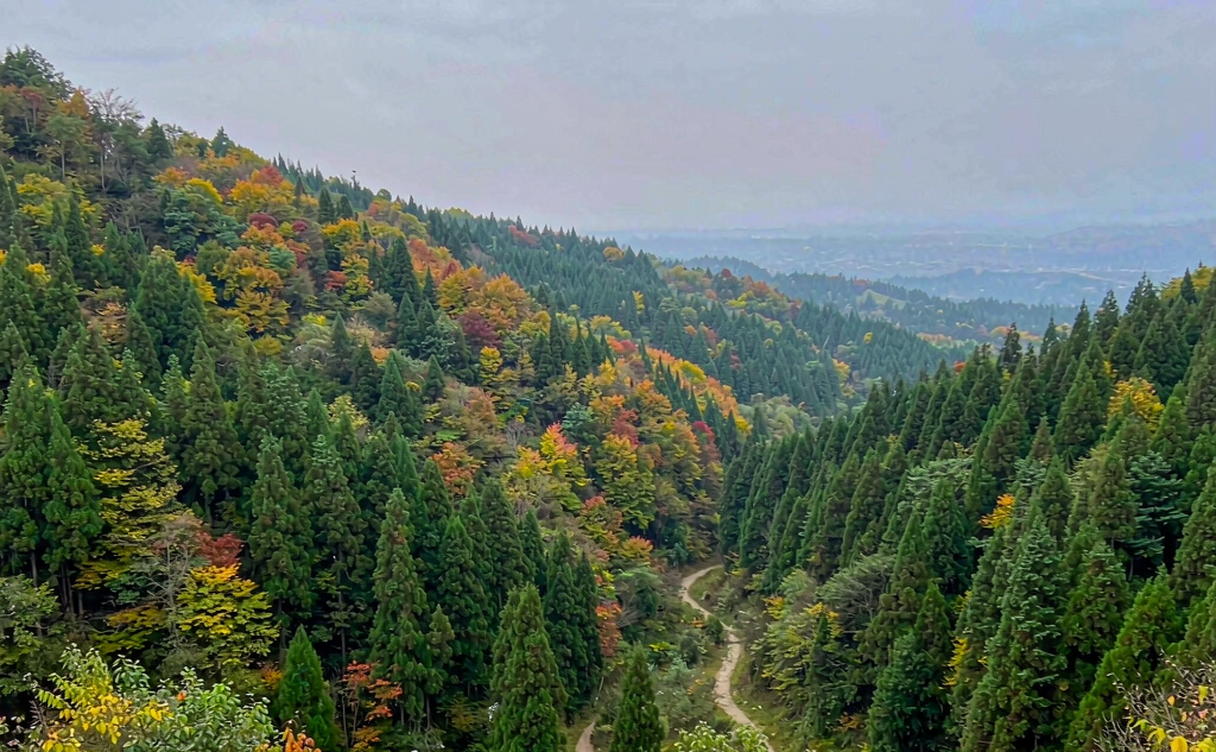
The best time to visit Yichun depends entirely on what you want from the landscape. Summer (late June to August) is the classic window: daytime highs of 22–27°C, low humidity, and a natural “air-conditioning” effect under the canopy. Autumn, especially mid-September to early October, is our personal favorite. The Korean pines stay green while birch and maple turn amber and crimson, and the light is extraordinary. Winter (December to February) is brutal but beautiful, with rime ice on the branches and almost no crowds; pack seriously, because nights drop below −25°C. Spring is muddy and mosquito-heavy, so we generally steer clients away from May.
Things to do in Yichun
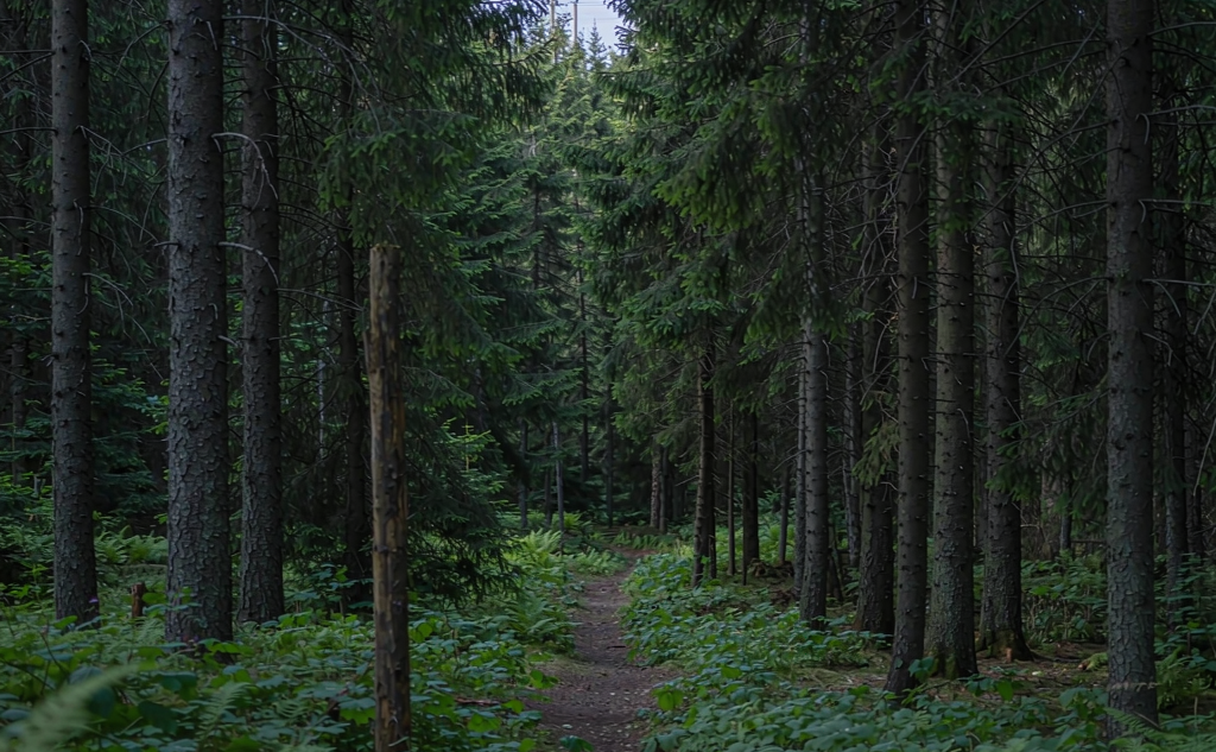
The headline attraction is Wuying National Forest Park (五营国家森林公园), home to a protected stand of virgin Korean pine. Entry is about 95 RMB. Wooden boardwalks keep your feet dry and lead to the “Forest Oxygen Bar,” where the negative-ion count is genuinely remarkable. We once timed a family walk here at just under two hours at a toddler’s pace, with frequent stops to identify fungi and listen for nutcrackers. A few hours north, Tangwanghe National Park (汤旺河国家森林公园, also marketed as the granite stone forest) combines bizarre weathering pillars of rock with the same green backdrop. Tickets run roughly 95 RMB, and the loop trail takes three to four hours. For geology fans, Jiayin Dinosaur National Geological Park (嘉荫恐龙国家地质公园) on the Russian border houses a small but well-curated dinosaur museum and the excavation site of Manchurosaurus remains; entry is about 50 RMB.
If you like water, the Tangwang River offers gentle summer rafting near Wuying, typically 80–120 RMB per person for a guided float. Hongxing Wetland (红星湿地) is a quieter alternative for birdwatching, best at dawn. We arranged an early-morning canoe there for a birder client and counted eleven species of duck before breakfast. None of these experiences require advance booking more than a day ahead except in the October peak, when we recommend reserving forest-zone guesthouses a week out.
A practical Yichun itinerary
For most visitors we recommend three full days. Day one: arrive from Harbin, settle in Yichun city, and do an easy evening stroll along the Yichun River. Day two: full day at Wuying National Forest Park with a picnic lunch (buy supplies at the city morning market; a decent spread costs 40–60 RMB). Day three: Tangwanghe granite stone forest, returning via a forest hot-spring hotel outside Tangwanghe town where a soak costs about 60 RMB. If you have a fourth day, push north to Jiayin for the dinosaur park and the Heilongjiang riverbank facing Russia. This Yichun itinerary keeps driving segments under three hours and leaves room for the unplanned moments that make the northeast special.
Where to sleep and eat
Lodging ranges from functional city hotels at 200–350 RMB per night to forest lodges inside or near the parks at 400–700 RMB. We prefer the smaller guesthouses around Wuying because the hosts cook wild mushroom dishes you will not find in the city. Local food centers on river fish (such as 柳根鱼, grilled over charcoal), hazelnuts, and pine mushrooms (榛蘑) in a simple pork broth. A satisfying dinner for two rarely exceeds 150 RMB. Alcohol is optional, but a warm bowl of 蓝莓 (blueberry) infused yogurt from local growers is worth the 15 RMB.
Linking Yichun to the wider northeast
Yichun makes an excellent cool-season counterpoint to the famous winter spectacle further north. If your trip overlaps December or January, pair a few forest days here with the frozen sculptures of the provincial capital using our Harbin Ice Festival travel guide. For travelers who want to extend into the border regions, our Mohe travel guide covers the northernmost town in China, while our Mudanjiang travel guide details Jingpo Lake and the Korean-influenced southeast. And if you are still shaping a broader route, our best things to do in China helps you balance nature with city and culture stops.
For wider context on the region’s ecology, the Heilongjiang entry on Wikipedia gives a solid overview of the province’s climate and forest zones, which helps explain why Yichun feels so different from the wheat plains further south.
Practical tips before you go
Bring layers even in summer; the forest cools fast after sunset. Download offline maps, because mobile signal thins inside the parks. Carry cash for the smaller guesthouses and market stalls, though Alipay and WeChat Pay now work in most city shops. If you photograph wildlife, a 200mm lens is plenty; the birds are surprisingly tame. We once arranged a guided dawn walk with a retired forestry ranger whose stories about the 1950s logging camps turned a simple hike into the highlight of the trip, and that kind of local access is something we try to build into every Yichun plan.
Final thoughts
Yichun will not wow you with skyline selfies, and that is exactly its strength. It is a place to recover from travel fatigue, to walk among trees that have stood for centuries, and to see a quieter, greener face of Heilongjiang. Whether you come for the autumn color, the summer cool, or the deep winter silence, the city rewards patience. We hope this Yichun Heilongjiang travel guide gives you the confidence to add it to your northeast route and the practical detail to enjoy it once you arrive.