

Mudanjiang sits in the far southeast of Heilongjiang Province, where the Changbai Mountain range spills across the border with Russia and the climate turns properly Siberian. For most foreign travelers, a Mudanjiang travel guide boils down to two very different experiences: the thundering Jingpo Lake waterfall in summer and the storybook snowscapes of China Snow Town, also called Xuexiang, in winter. Both sit within easy reach of the city, and together they make Mudanjiang one of the most rewarding cold-season stops in northeast China.
Why visit Mudanjiang
Most first-time visitors to China rush through Heilongjiang on the way to Harbin or the Russian border, then move on. That is a mistake. Mudanjiang anchors a corner of the province that combines volcanic scenery, alpine lakes, and the deepest, fluffiest snow in the country. The city itself is a pleasant, low-rise regional hub with comfortable hotels, a modern high-speed rail station, and enough local flavor, think stewed river fish and northeastern hotpot, to keep you well fed between excursions. It also makes a natural stepping stone toward Changbai Mountain to the south and the Russian Far East to the east.
How to reach the city
Getting to Mudanjiang is easier than many travelers expect. The high-speed train from Harbin takes roughly ninety minutes, and services run several times a day, which makes the city a realistic day-stop or overnight base rather than a logistical ordeal. Mudanjiang Hailang International Airport also has domestic flights from Beijing, Shanghai, and other hubs, and the ride from the terminal into town is short. Taxis are metered and cheap, though it is worth having your hotel name written in Chinese characters on your phone to show the driver.
Jingpo Lake and the waterfall
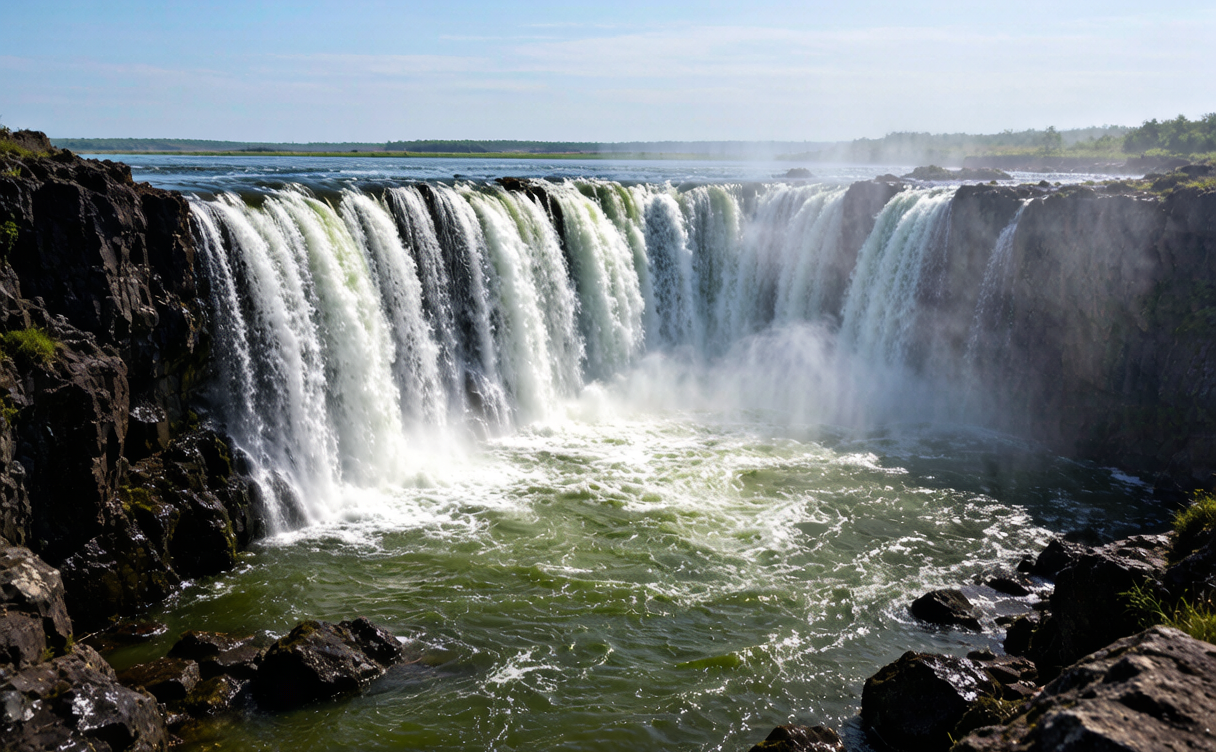
The headline summer attraction is Jingpo Lake, a long, narrow crater lake formed when ancient lava flows dammed the Mudan River. At the northern end, the river spills over a horseshoe-shaped basalt cliff in a dramatic drop known as the Jingpo Lake waterfall, or Diaoshuilou Waterfall. In the wet season the span can stretch more than forty meters across, and the roar carries far across the wooded shoreline. A viewing platform puts you close enough to feel the spray on your face, and on calm mornings a rainbow hangs in the mist at the base of the cliff.
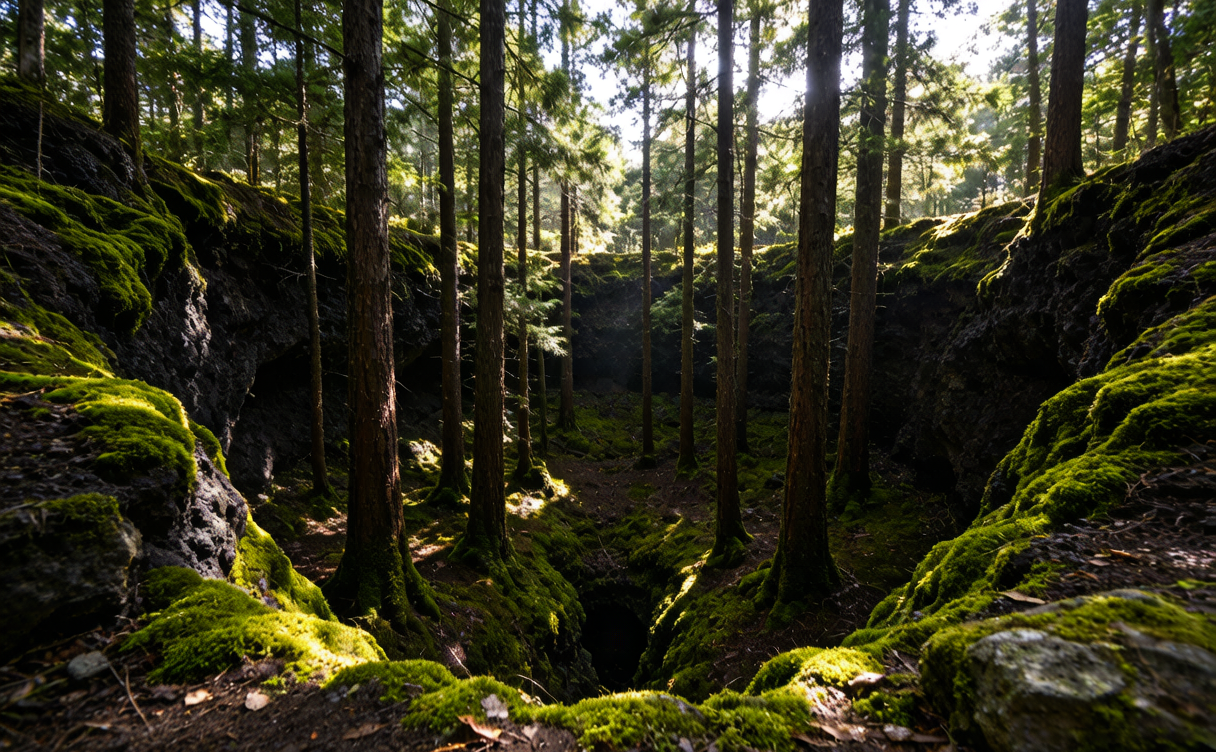
Around the lake you can also visit the Underground Forest, where a collapsed volcanic crater has filled with tall virgin woodland, and take a boat ride out to the small islands that dot the calm water. Gentle walking trails loop the rim, and in late summer the surrounding hills turn emerald. Because the lake sits at a cooler elevation than the city, it is a popular escape from the humidity of July and August. Allow a full day if you want to combine the waterfall, the boat trip, and a walk through the lava tunnels on the eastern shore, where you can descend into the cooled rock channels that the eruption left behind.
China Snow Town, Xuexiang
When the temperature drops, the region’s real fame begins. A China Snow Town Xuexiang visit is the reason many travelers bother with Mudanjiang at all. Xuexiang, whose name means “Snow Village,” sits in the forest about two hours west of the city. Thanks to moist air rising off the mountains, it receives some of the heaviest, stickiest snowfall in China, up to two meters in a normal winter. The snow clings to rooftops and branches in thick, rounded caps that look like something out of a fairy tale.
Wooden cabins are buried to their eaves, red lanterns glow along the lanes at dusk, and locals run sledges pulled by tractors or horses. It is touristy, yes, but the scenery is genuinely unlike anywhere else in the country. Most visitors stay overnight so they can photograph the village after dark and again at first light, when the soft morning light makes the snow glow blue. Beyond wandering the lanes, you can try a snowmobile ride, a short dog-sled run, or a bonfire evening with the villagers, who are used to foreign guests and quick with a smile.
Things to do in Mudanjiang
Back in the city, things to do in Mudanjiang are relaxed rather than spectacular. The Mudanjiang Museum has a small but informative collection on the region’s volcanic geology and Korean-Chinese culture. The riverside parks are pleasant for an evening stroll, and the night market near the center is the best place to sample local snacks. If you want a second nature fix, the Bailu Wetland and the nearby lava tunnels offer easy half-day outings that pair well with a Jingpo Lake day.
Food is a highlight. Heilongjiang cuisine leans hearty: cold noodles in summer, dumplings, cured pork, and warming stews in winter. Before heading out to the snow, many travelers base themselves in Harbin and use it as a launch pad, exploring the city’s central street and Russian architecture before the long transfer east. The two cities share a culinary tradition, so anything you enjoy in one you will likely find in the other.
How to get to Snow Town from Harbin
The classic route is to fly or take the high-speed train to Mudanjiang, then transfer by bus or private car. A common question is how to get to Snow Town from Harbin directly, and the short answer is: it is possible but slow. Most packaged tours run a long road transfer of five to seven hours, often with a stop in Mudanjiang or the Yabuli ski area. If you would rather break the journey, spend a night in Mudanjiang, then continue west the next morning. Winter roads can be icy, so a professional driver is strongly recommended over self-driving, and the mountain passes are not somewhere you want to navigate in a rental on your first snowy day in China.
Planning a Mudanjiang winter itinerary
A sensible Mudanjiang winter itinerary runs four to five days. Day one arrives in the city and acclimatizes. Day two explores Jingpo Lake if it is not fully frozen, or the lava tunnels if it is. Day three and four are devoted to Snow Town, with an overnight stay. Day five returns via Harbin or continues south toward the Changbai Mountain scenic area on the Korean-Chinese border, where you can trade snow villages for a steaming volcanic hot-spring and a climb up the crater lake.
Dress for serious cold. Between December and February, daytime highs often sit below minus fifteen Celsius, and the wind off the snowfields bites. Pack insulated boots, a windproof shell, thermal layers, and hand warmers. The dry cold is manageable as long as you cover every extremity, and heated insoles sold in the city markets are a worthwhile cheap upgrade.
Best time to go
Summer, from June to August, is best for Jingpo Lake, the Underground Forest, and comfortable hiking. Winter, from December to February, is essential for Snow Town and the surrounding snowscape. The shoulder months of spring and autumn are quiet and cheap but offer little of what makes the region special, so time your visit to one of the two peak seasons.
Practical tips for foreign visitors
Foreign travelers should carry their passport at all times, as hotels and scenic areas check identification on entry. International credit cards are accepted at larger hotels but rarely at small eateries, so keep some cash and a working mobile payment setup. English signage is limited outside the top hotels, so a translation app and your destination names in Chinese characters will save you real hassle.
When hunger strikes between excursions, our Harbin food guide lists the dumplings, sausages, and hearty stews of the northeast worth seeking out.
Sources: Official travel information for the region is available from the China National Tourism Administration at https://www.travelchina.gov.cn/.