

On the far eastern edge of Jilin Province, where China meets the Korean Peninsula, rises a dormant volcano crowned by one of the most beautiful alpine lakes on earth. This Changbai Mountain travel guide is for travelers chasing dramatic scenery and cool-climate adventure. The Chinese name, Changbaishan, means “Ever-White Mountain,” and the jewel at its summit—Heaven Lake Changbaishan—is a crater lake so striking that it anchors nearly every visit.
Why Changbai Mountain Is Worth the Journey
The Changbai Mountain travel guide appeal is its variety. In a single trip you can stand at the rim of a volcanic caldera, watch a waterfall plunge through a forest gorge, soak in volcanic hot springs, and (in winter) ski powder slopes. The mountain is sacred in Korean and Manchu culture, adding a layer of heritage to the natural spectacle.
Changbai works well as part of a northeastern China route. Our Changchun travel guide covers the Jilin provincial capital, while the Harbin ice festival travel guide details the famous winter sculpture festival a few hours north.
How to Get to Changbai Mountain
Planning how to get to Changbai Mountain depends on which slope you choose. The two main entrances are the North Slope (near Erdaobaihe Town, most developed) and the West Slope (near Songjianghe, quieter with more steps).
- By air: Changbaishan Airport serves the West Slope with seasonal flights from Beijing, Shanghai, and Shenyang.
- By high-speed train: Stations at Erdaobaihe (North Slope) and Fusong/Songjianghe (West Slope) connect via Changchun or Jilin City.
- By bus: Long-distance coaches run from Changchun, Jilin, and Yanji.
Best Time to Visit Changbai Mountain
The best time to visit Changbai Mountain is summer (June to August) for wildflowers and open access, and autumn (September to early October) for fiery foliage and clear skies. Winter brings heavy snow and limited road access but excellent skiing and steamy hot springs. For cold-weather inspiration beyond Changbai, our best winter destinations China guide rounds up top snowy spots.
Because weather dictates everything here, our best time to visit China overview helps you fit Changbai into a national itinerary.
Changbaishan North Slope vs West Slope
A common question is Changbaishan north slope vs west slope. The North Slope is the classic route: shuttle buses climb to several viewpoints including the lake rim, the Changbai waterfall hot springs area, and the Green Abyss Pool. It involves less walking but more crowds. The West Slope requires climbing about 1,400 steps to reach the lake, but rewards you with fewer tourists and wider panoramas.
Choose North Slope for convenience and family travel; choose West Slope for photography and solitude. Some visitors do both over two days.
Heaven Lake Changbaishan: The Crater Jewel
Heaven Lake Changbaishan sits at roughly 2,189 meters and is one of the world’s deepest alpine lakes. Its water is a startling blue, ringed by bare volcanic cones. Access depends entirely on weather—strong winds and fog close the rim road without notice, so build a backup day into your plan. When the lake reveals itself, it is unforgettable.
Changbai Waterfall, Hot Springs, and Winter Skiing
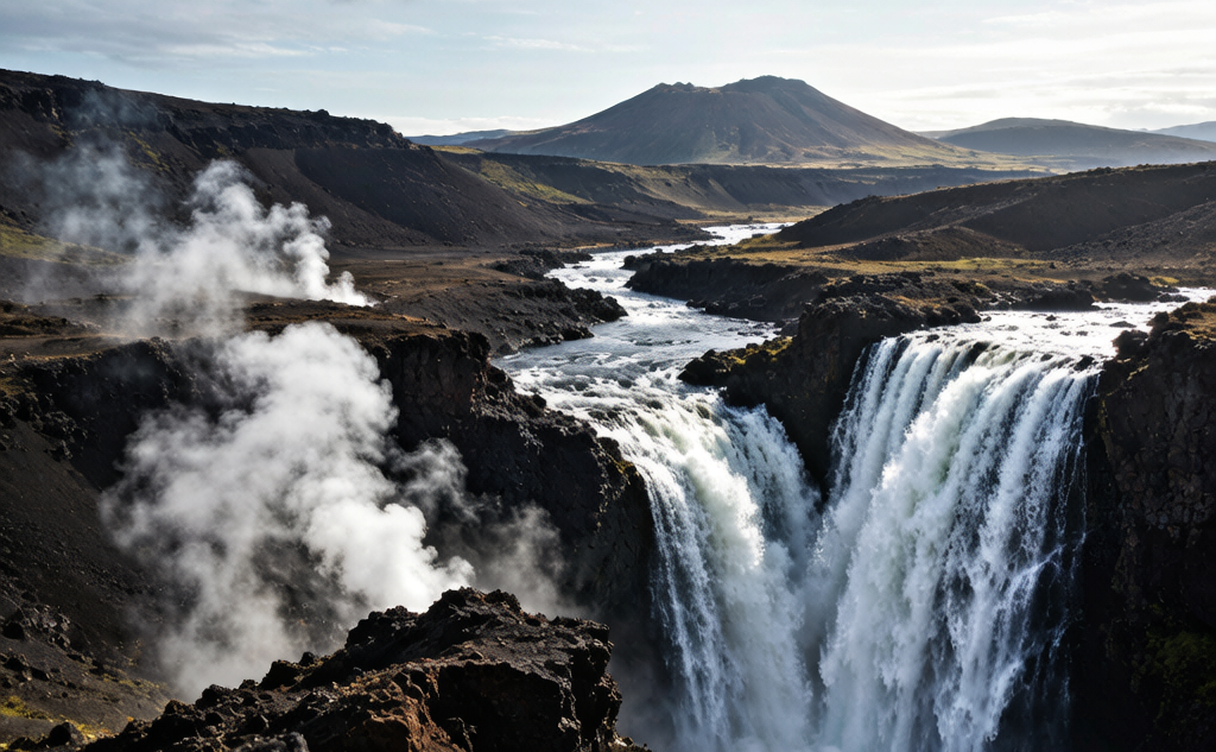
Beyond the lake, the North Slope delivers the Changbai waterfall hot springs cluster, where a 68-meter falls feeds warm mineral pools you can bathe in. In winter, the Changbai Mountain winter skiing scene centers on the Wanda and Luneng resorts near the West Slope, with reliable snow from November to March and far shorter lift lines than famous Japanese resorts.
Jilin Nature Travel and Nearby Stops
This is quintessential Jilin nature travel, and it extends northward. The Mohe travel guide describes China’s northernmost town and aurora-chasing for the truly adventurous, while our China hiking treks guide covers trail preparation useful on Changbai’s slopes.
Sample Itinerary
Day 1: Arrive Erdaobaihe, soak in hot springs, rest.
Day 2: North Slope loop—Heaven Lake, waterfall, Green Abyss, hot-spring bath.
Day 3: Optional West Slope or transfer to Changchun or Harbin.
Tickets and Costs
| Item | Typical Price (RMB) | Notes |
|——|——————–|——-|
| North Slope ticket + shuttle | ~225 | Peak season |
| West Slope ticket + shuttle | ~214 | Includes step climb |
| Hot spring bath | 80–200 | Varies by pool |
| Ski pass (winter) | 300+ | Per day |
Book shuttle slots early in peak season. The mountain weather app and your hotel front desk are the best sources for same-day rim opening status.
A Protected Volcanic Biosphere
Where to Stay
The North Slope hub of Erdaobaihe is the most popular base, with hot-spring hotels whose outdoor pools steam against the cold — a perfect reward after a day on the mountain. The West Slope town of Songjianghe is smaller but closer to the ski resorts. For a quieter, more local feel, stay in a guesthouse in one of the nearby Korean villages, where home-cooked meals and ondol (floor-heated) rooms add cultural flavor. Book hot-spring hotels early in winter, when demand peaks.
Food: Jilin and Korean Flavors
The Changbai region blends northeastern Chinese and Korean cuisine. Don’t miss Jilin cold noodles (naengmyeon) served in icy broth, savory kimchi pancakes, and squirrel-fish (songshuyu), a sweet-and-sour local specialty. Wild mushroom hot pots and the area’s famous ginseng chicken soup are warming after a cold summit visit. Vegetarian travelers can find tofu and vegetable bibimbap; ask for “yachae” (vegetables) to be safe.
What to Pack for Altitude and Weather
Heaven Lake sits above 2,100 meters, where wind and thin air bite even in summer. Bring a windproof jacket, hat, and gloves year-round, plus sunglasses for the bright caldera rock. In winter, add thermal layers and snow boots; the hot springs make the cold worthwhile. Mobile coverage is decent near the entrances but patchy at the rim, so download maps before you go and check the day’s rim-opening status with your hotel.
West Slope Details and Photography
The West Slope rewards effort with fewer crowds and broader views, but the 1,400-step climb is real — pace yourself and carry water. At the top, a series of viewing platforms looks across the full length of Heaven Lake. For photography, overcast days soften glare on the water while clear days reveal the deepest blue; a polarizing filter cuts surface reflection. Sunrise shots require an overnight nearby and an early shuttle, so plan accordingly.
Visitor Facilities
Each slope has a visitor center with maps, food courts, and medical posts. The shuttle buses are mandatory and run on a fixed loop; you cannot drive your own car to the rim. Buy tickets online where possible to skip queues, and keep your passport ready for the gate check.
Combining Changbai with the Northeast
Changbai anchors a superb northeastern China route. From Erdaobaihe you can ride the high-speed train north to Changchun for museums and film culture, or continue to Harbin for its ice festival. In the opposite direction, the far north town of Mohe offers aurora chasing for the truly adventurous. Because the mountain’s weather is unpredictable, build a spare day into your plan so a closed rim does not derail the wider itinerary.
Family and Accessibility Notes
Families favor the North Slope for its shorter walks and frequent shuttles, while the hot-spring baths delight all ages. Strollers are impractical on the stepped sections, so a front carrier works better for toddlers. The high altitude can tire young children, so keep the summit visit short and hydrate often. Winter skiing at the Wanda and Luneng resorts has English-speaking instructors and gentle beginner slopes, making Changbai a surprisingly good first ski destination for foreign families.
Changbaishan is recognized by UNESCO as a Man and Biosphere reserve for its intact volcanic ecosystem and rare species like the Siberian tiger. Learn more about the global biosphere program on the UNESCO site, which explains how reserves like Changbaishan balance conservation and visitor access.