

The Xiaolangdi Dam is one of the most impressive feats of hydraulic engineering on the Yellow River, the river often called the cradle of Chinese civilization. It sits in Jiyuan City, in Henan Province in central China, about 40 kilometers northwest of Luoyang and roughly 130 kilometers west of Zhengzhou. The dam is famous for two reasons: it is the key structure that controls floods and manages sediment on the lower Yellow River, and each summer it stages a controlled water release that produces a roaring artificial waterfall show. The best time to visit is late June through early July, when the annual discharge creates the most dramatic views. This Xiaolangdi Dam guide explains where the dam is, why it matters, and how to plan a smooth visit around the famous water release.
Where Is the Xiaolangdi Dam?
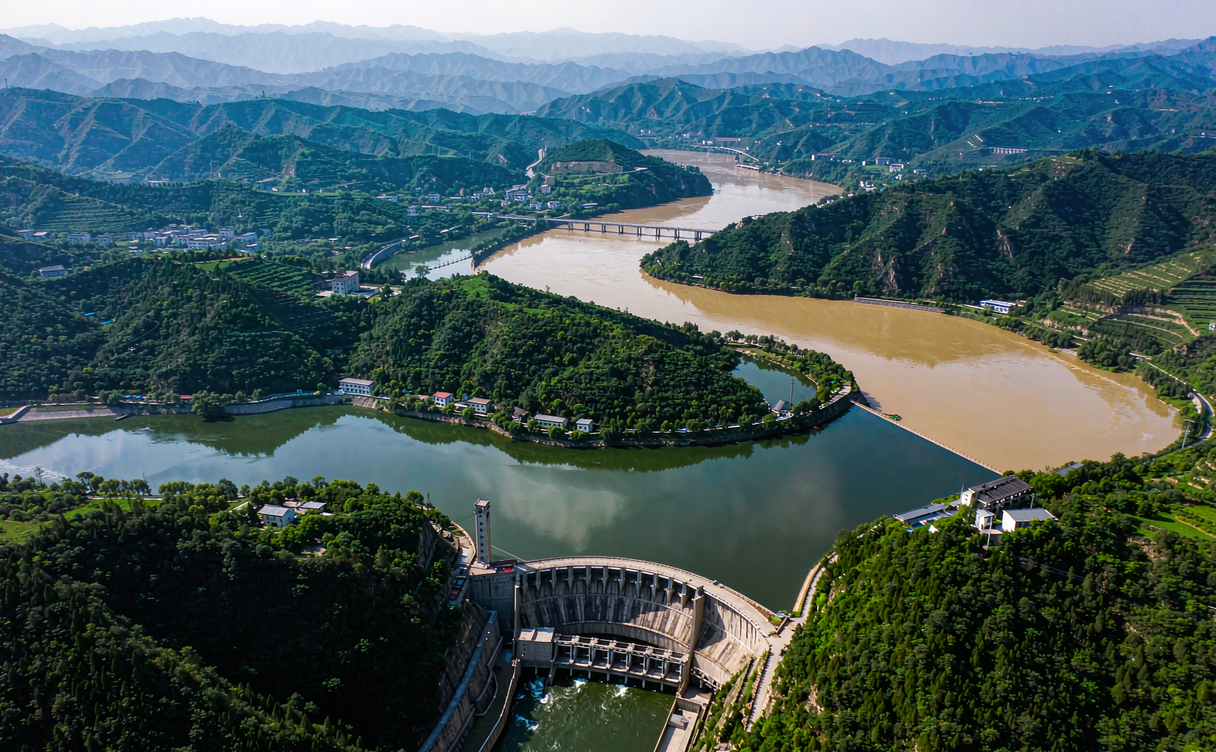
The Xiaolangdi Dam spans the Yellow River at the border of Jiyuan City and Xin’an County, in the heart of Henan Province. The reservoir it created stretches more than 130 kilometers upstream toward the city of Sanmenxia. The name “Xiaolangdi” is a local term that roughly means “little waves bottom,” a reference to the calm stretch of river that once flowed at this spot before the dam rose.
Construction began in 1994, and the project was fully completed in 2001, with the first generators switched on in 1999. The dam stands 154 meters tall and 1,317 meters long, forming a reservoir with a total storage capacity of about 12.6 billion cubic meters. It is the last major controlling dam on the middle reaches of the Yellow River before the river enters the North China Plain, which gives it enormous importance for the tens of millions of people who live downstream.
Because the site lies between Luoyang and Zhengzhou, two major transport hubs in Henan, reaching the Xiaolangdi Dam is easy for travelers already exploring the province’s ancient capitals. Many visitors pair a trip here with the Longmen Grottoes near Luoyang or the Shaolin Temple near Dengfeng.
Why the Xiaolangdi Dam Matters
The Yellow River carries the heaviest sediment load of any major river on Earth. For centuries this “river of sorrow” regularly overflowed its banks, triggering floods that reshaped the landscape and displaced countless communities. The Xiaolangdi Dam was built to tame that behavior through a mix of engineering and seasonal operations.
Flood Control and Sediment Management
The dam’s first job is flood control. By storing excess water during the rainy summer months, it lowers the peak flow that would otherwise threaten cities on the North China Plain. Just as important is sediment management. The dam traps the fine yellow silt the river picks up on the Loess Plateau, stopping it from building up downstream and raising the riverbed above the surrounding farmland.
The Water-Sediment Regulation Show
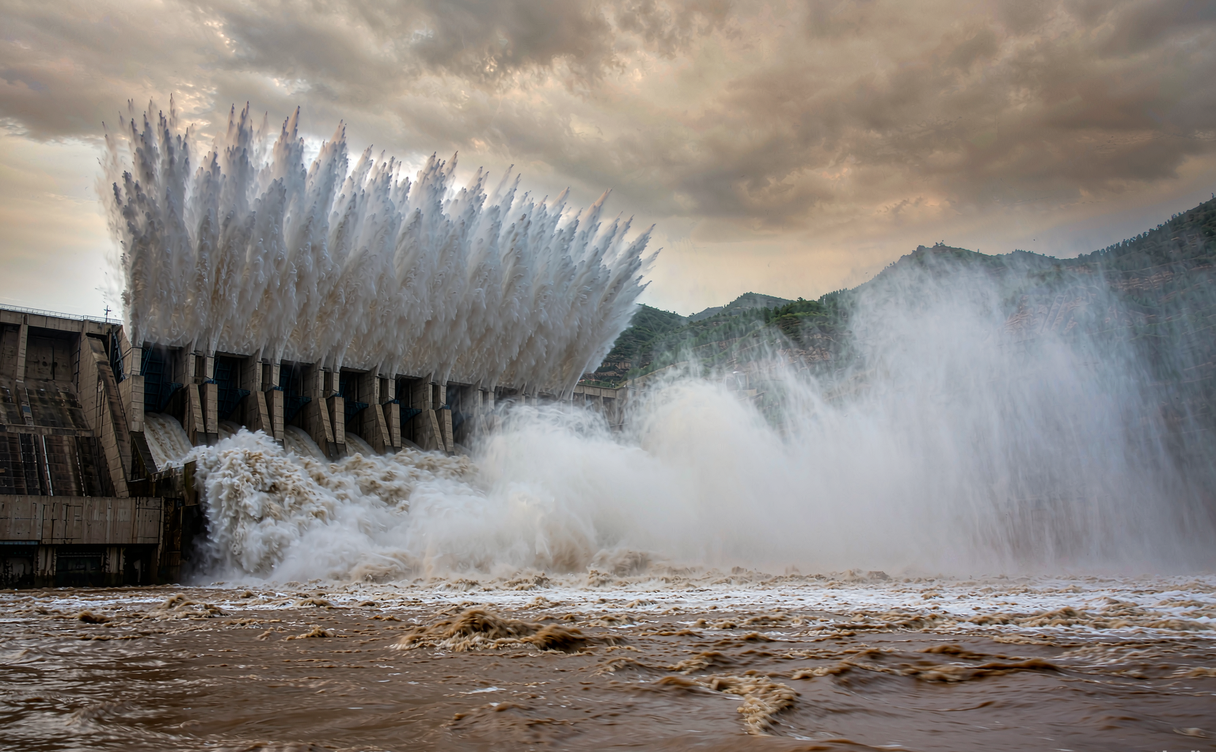
Each summer, engineers at the Xiaolangdi Dam run a coordinated operation called “water-sediment regulation.” For about twenty days, powerful jets of water and sediment blast through the dam’s tunnels. The result is a churning spectacle: columns of water erupt from the outlets, mist rises hundreds of meters into the air, and artificial waterfalls cascade down the rock face. This is both a functional flush of sediment and an unexpected tourist attraction.
The Xiaolangdi Dam water release usually happens between late June and early July. During this window the observation platforms near the dam fill with visitors and photographers capturing the plumes of spray. Local authorities often schedule the most intense discharges for daylight hours so crowds can watch safely from designated viewing areas.
For broader background on the river itself, the Yellow River on Wikipedia provides a useful overview of its history and the engineering challenges it presents.
Best Time to Visit the Xiaolangdi Dam
Timing decides what kind of trip you get. Here is a simple seasonal breakdown for any Xiaolangdi Dam guide reader:
- Late June to early July (best): This is the flood-discharge season. The water-sediment regulation produces the famous water show, with the most dramatic releases usually in the first ten days of July. Expect large crowds and festive energy.
- Spring (April to May): Mild weather and green scenery around the reservoir. The dam is quiet, making it ideal for travelers who prefer calm views over spectacle.
- Autumn (September to October): Comfortable temperatures and clear skies. Good for photography of the reservoir and surrounding hills without the summer crowds.
- Winter (November to March): Cold and sparse, but peaceful. Some viewing facilities keep reduced hours.
If your goal is the Xiaolangdi Dam water release, book accommodation early, because the discharge period draws the largest crowds of the year and nearby rooms fill fast.
How to Get to the Xiaolangdi Dam
Most travelers reach the dam from Luoyang or Zhengzhou.
- From Luoyang: The dam is about a 90-minute drive northwest of the city. Buses and organized tours depart from Luoyang’s transport hubs, and taxis or ride-hailing cars can be arranged for a half-day trip.
- From Zhengzhou: Allow roughly two to three hours by road. High-speed trains connect Zhengzhou to Luoyang in about one hour, after which you transfer to local transport toward the dam.
- By car: Driving gives the most flexibility, especially if you want to stop at the nearby Xiaolangdi scenic area, the Yellow River bridge, and small riverside villages.
The viewing areas are well signed, and ticket offices sell entry to the dam’s observation platforms and the adjacent park. Wear sturdy shoes, bring sun protection in summer, and carry a rain jacket or waterproof cover for your camera during the discharge period, when spray can reach the viewing decks. If you plan to continue to Yunnan after Henan, our Kunming travel guide helps you map that next leg.
[CTA]Ready to build your Henan route? Explore our full set of China travel guides for more trip inspiration.[/CTA]
Where to Stay
Overnight options cluster in three areas. Luoyang offers the widest choice, from budget hostels to international hotels, and it keeps you close to the Longmen Grottoes and White Horse Temple. Jiyuan, the city that administers the dam, has mid-range hotels within a short drive of the site, which is convenient if you want to arrive before the early-morning crowds. Zhengzhou works well for travelers using the high-speed rail network to move on to other provinces.
For later Yunnan trips, our best hotels in Lijiang guide covers comfortable old-town stays. Tea drinkers can also browse our China tea house guide to find relaxing spots before or after a dam visit.
Things to Do Near the Xiaolangdi Dam
Beyond the dam itself, the surrounding region rewards curious travelers.
Xiaolangdi Scenic Area
The reservoir shoreline forms a scenic zone with walking paths, lookout points, and boat rides when water levels allow. On clear days the blue reservoir framed by yellow hills is a striking contrast worth photographing.
Luoyang’s Heritage
Luoyang, one of China’s ancient capitals, is home to the Longmen Grottoes and the tranquil White Horse Temple, considered a birthplace of Chinese Buddhism. Pairing the modern engineering of the Xiaolangdi Dam with the ancient art of Luoyang makes for a well-rounded Henan itinerary.
Yellow River Culture
Visitor centers near the dam explain the river’s role in Chinese history, the science of sediment management, and the communities that live along its banks. These exhibits help you understand why a Xiaolangdi Dam guide matters far beyond tourism.
If you enjoy pairing scenic rivers with local villages, our Guangxi 7-day itinerary shows how that format works in another part of China. For a greener tea-country escape, see our Hangzhou Longjing tea village guide, and mountain and panda fans will enjoy our Chengdu and Mount Emei guide.
[CTA]Want a trip tailored to your pace? Browse our destination guides and start planning your China journey today.[/CTA]
Photography Tips for the Water Show
Capturing the Xiaolangdi Dam discharge takes a little preparation. Arrive early to claim a spot on the front viewing platform. A telephoto or zoom lens helps compress the scale of the water columns, while a protective filter keeps spray off your glass. Shoot during the first and last hours of daylight for warmer light and longer shadows across the mist. Keep a microfiber cloth handy, because the fine Yellow River sediment in the spray can coat lenses quickly.
Frequently Asked Questions
Is the Xiaolangdi Dam open to visitors year-round?
Yes, the scenic area and observation platforms stay open throughout the year, though hours may shorten in winter. The most exciting time to visit is the late June to early July discharge season, when the Xiaolangdi Dam water release creates its famous show. Outside that window you can still tour the dam, learn about its engineering, and enjoy the reservoir views in relative quiet.
How long should I spend at the Xiaolangdi Dam?
Most visitors spend half a day, including travel from Luoyang or Jiyuan. If you want to explore the scenic area, take a boat ride, and photograph the discharge in different lights, set aside a full day. Staying overnight in Jiyuan lets you avoid the rush and catch the early-morning releases.
Can I visit the Xiaolangdi Dam without a tour?
Absolutely. Public buses and ride-hailing services connect Luoyang and Jiyuan to the site, and signage is clear. A guided tour helps if you want deeper context on the dam’s flood-control role, but independent travelers can enjoy the viewing platforms and exhibits on their own.
Conclusion
The Xiaolangdi Dam is where modern Chinese engineering meets one of the world’s most storied rivers. Whether you come for the thunderous summer water-sediment release or the quiet reservoir views in spring and autumn, the site offers a rare chance to witness how a single structure helps control the Yellow River’s floods and sediment. Plan your visit for late June or early July to see the spectacle, pair it with Luoyang’s ancient treasures, and you will leave with a deeper appreciation for both China’s past and its engineered future.
[CTA]Found your next adventure? Dive into our other China guides and start booking your journey.[/CTA]