

Chinese desserts are one of the most delightful surprises for visitors exploring the country. Unlike the butter-heavy pastries of the West, traditional Chinese sweets lean on red beans, glutinous rice, sesame, lotus seed paste, and fresh fruit, balancing sweetness with texture. From the chewy tangyuan eaten during festivals to the silky douhua sold on night-market stalls, the world of chinese desserts is as regional as the country’s savory cooking. In this chinese desserts guide we break treats down by region and occasion: northern styles favor roasted nuts, sesame, and wheat-based pastries; southern styles prize soft rice cakes and coconut; festival sweets mark the lunar calendar; and street vendors keep everyday sugar fixes cheap and cheerful. Whether you crave something cold, warm, fried, or steamed, our chinese desserts tips will help you order with confidence and know what to expect on your plate.
Sweet eating in China is also a social ritual rather than a standalone course. Many treats arrive with tea, after a meal, or as a shared plate passed around the table, so portion sizes stay small and flavors stay easy to sample. That makes dessert-hopping an ideal way to rest between sightseeing blocks, and a low-risk way to try unfamiliar ingredients before committing to a full serving.
Northern Chinese Desserts
The north built its sweet tooth on wheat, sesame, and nuts. A classic starting point is ma hua, twisted fried dough coated in malt syrup, and its cousin gua bao, a sesame brittle that snaps cleanly. Beijing’s hutongs are famous for pea flour cake (wandou huang), a pale, melt-in-the-mouth square made from soaked yellow peas, perfect on a humid summer afternoon. Another northern staple is the sesame ball (jian dui), though you will find variations across the country, with a crisp shell giving way to a hollow or red-bean center.
If you are planning a trip to the capital, our Beijing first-time travel guide points you toward the old courtyards where these snacks are still handmade. Northern treats tend to be less sugary than Western desserts, so first-timers often find them refreshingly light. Look for shops near temples and morning markets, where vendors have been frying and steaming the same recipes for generations. Northern kitchens also love hawthorn, preserved in syrup or dried into tangy rolls that cut through rich meals. In winter, roasted chestnuts and sweet potato wedges from street drums fill northern lanes with a caramel scent that is hard to resist. These are the everyday comforts locals grew up with, and trying them connects you to ordinary city life far more than any restaurant set menu could.
Southern Chinese Desserts
Head south and the texture shifts toward glutinous rice, coconut, and translucent jellies. Guangdong’s legendary tong sui, or “sugar water,” is a category of warm and cold sweet soups: mango sago with pomelo, black sesame paste, and double-skin milk custard are menu regulars. In Fujian and beyond, the moon-shaped rice cakes called nian gao celebrate the new year with a sticky, gently sweet bite that pairs well with tea.
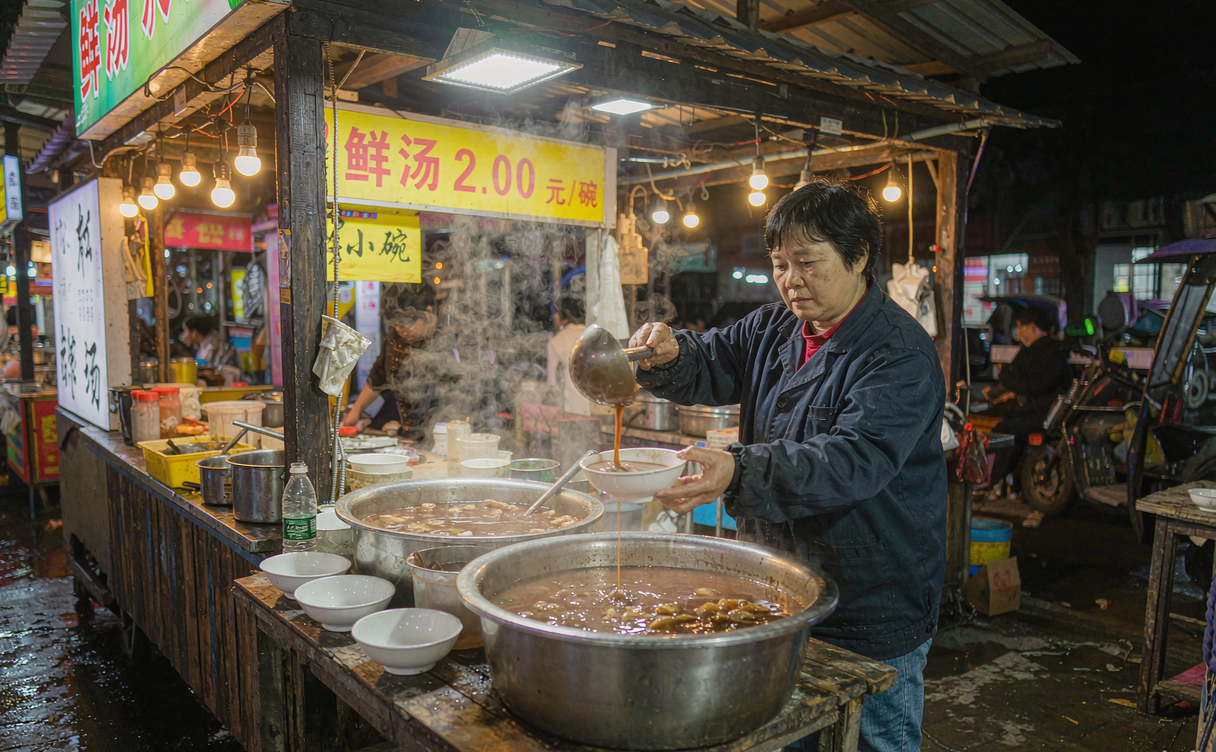
Cantonese dim sum rooms also hide some of the best chinese desserts on any menu, from custard buns with salty-sweet yolks to chilled coconut puddings. If your route includes Shanghai, the shopping and dining lanes of Shanghai Xintiandi guide put you within walking distance of both modern dessert cafes and heritage sweet shops. Southern sweets rarely feel heavy, which makes them ideal for hot afternoons when a cold mango sago hits the spot. The region also champions herbal touches, adding chrysanthemum, pandan, and osmanthus to puddings and teas for a fragrant lift. In older neighborhoods you can still find ladies ladling tong sui from giant pots, charging by the bowl, and happily explaining each ingredient if you point and smile. This slower, neighborhood style of dessert eating is a gentle antidote to big-city sightseeing, and a chance to sit, cool down, and watch daily life drift past.
Festival Desserts: Mooncakes and Tangyuan
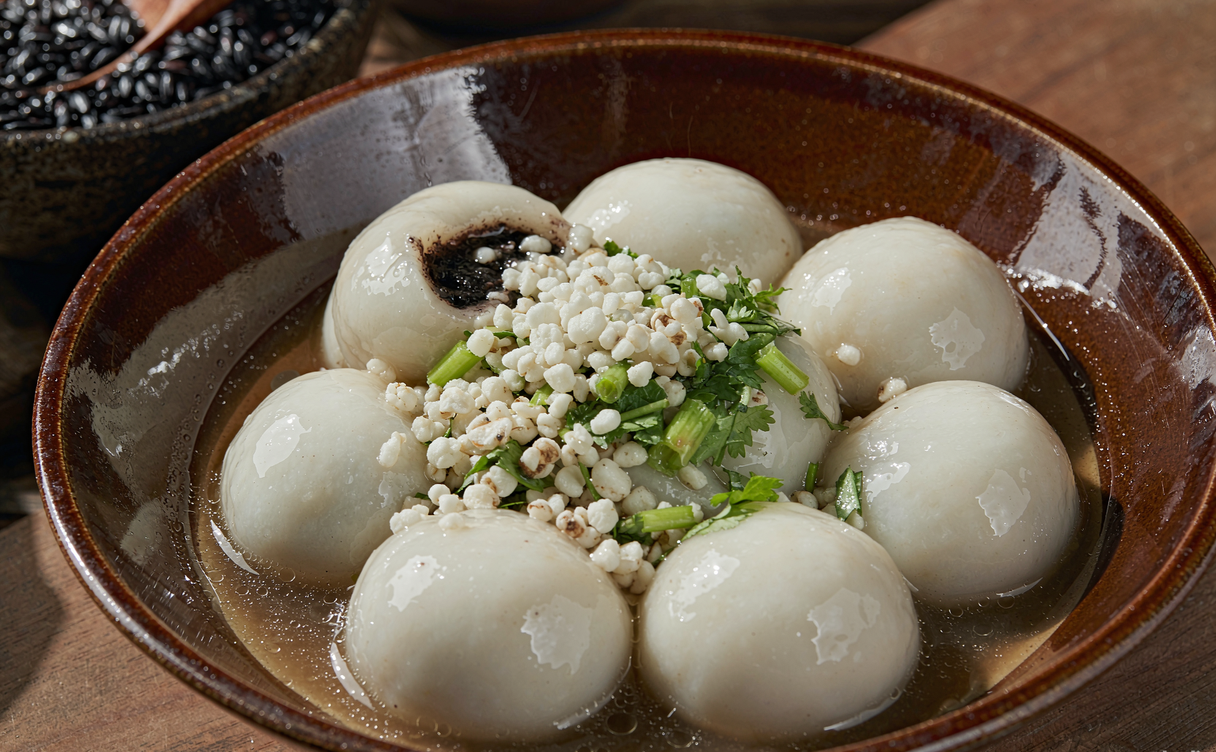
No chinese desserts guide would be complete without the calendar’s headliners. Mid-Autumn Festival brings the mooncake, a dense pastry with fillings that range from lotus seed paste and salted egg yolk to modern ice-cream and truffle versions. Families share them under the full moon, and hotels compete each year with ever more elaborate boxes. The winter solstice and Lantern Festival answer with tangyuan, glutinous rice balls floating in ginger-sweet broth, their round shape symbolizing togetherness.
These festival treats carry centuries of meaning, and you can learn more about their cultural backdrop through the encyclopedia entry on Chinese cuisine. During Spring Festival, nian gao and peanut brittle appear on nearly every household table. Travelers in Xi’an during a holiday should pair a museum morning with an afternoon sweet hunt, as our Xian Shaanxi History Museum guide suggests timing your visit to catch seasonal stalls nearby.
Street Food Sweets
Some of the best chinese desserts cost less than a dollar and come from a cart. Jian bing is savory, but its dessert cousins, like candied hawthorn skewers (bing tang hu lu), are pure joy: glossy red berries under a hard sugar shell. Night markets also serve freshly made douhua, a silky tofu pudding drowned in syrup and ginger, and stinky-but-sweet caramelized sweet potatoes pulled from coal-fired barrels.
Our chinese desserts tips for street eating are simple: follow the longest local queue, watch the vendor’s hands, and ask for “bu tai tian” if you prefer less sugar. River towns are especially good for this. The Guilin Yangshuo travel guide covers the evening food walks where rice wine and sweet osmanthus cakes make a perfect pairing after a bamboo-raft day.
Where to Eat Chinese Desserts
Geography helps. Big cities hide specialist shops, but the most memorable bites often turn up in smaller historic towns. In Yunnan, the Lijiang Old Town travel guide leads you to rose-flavored picks and yak-milk sweets unique to the region, while a broader loop in the Yunnan Lijiang Dali itinerary adds Bai minority flower cakes you will not find elsewhere. Tea houses, too, almost always offer a small sweet to cleanse the palate between brews. In smaller towns the tea-house dessert may be nothing fancier than a date, a preserved plum, or a square of sesame candy, yet it completes the experience and costs almost nothing. When you build your route, leave room in the afternoon for one unscripted stop like this, because the best chinese desserts are often the ones you stumble onto rather than plan.
[CTA]Discover where to eat them on our Beijing first-time guide.[/CTA]
FAQ About Chinese Desserts
Are Chinese desserts very sweet?
Generally they are less sweet than Western cakes and candies. Red bean, lotus, and sesame provide earthy depth, so even syrup-based treats stay balanced. If you have a cautious palate, start with tangyuan or douhua before jumping to candied street snacks.
Are there vegan or gluten-free Chinese desserts?
Many are naturally plant-based since they rely on beans, rice, and fruit rather than dairy. Glutinous rice treats are wheat-free, though “glutinous” refers to texture, not gluten, so check if you have a serious allergy. Coconut and fruit-based tong sui are usually safe bets.
[CTA]Plan your sweet crawl with our Shanghai Xintiandi guide.[/CTA]
What is the most famous Chinese festival dessert?
The mooncake is the most recognizable, sold worldwide during Mid-Autumn. Tangyuan follows closely for winter festivals, and nian gao rules the Lunar New Year table across the south.
Conclusion
Exploring chinese desserts is one of the easiest, cheapest ways to taste China’s regional diversity. From northern sesame brittle to southern mango sago, from festival mooncakes to late-night street soup, the range is far wider than most visitors expect. Use this chinese desserts guide as your starting map, apply our chinese desserts tips when ordering, and let curiosity lead you to the next cart or tea house. Sweet travels await.
[CTA]Read our Yunnan itinerary to find flower cakes near Lijiang.[/CTA]