

Xi’an Travel Guide 2026: Terracotta Warriors, City Walls & Silk Road History for Foreign Visitors
Xi’an (西安) is the city most first-time visitors to China quietly fall in love with. It was the capital of 13 dynasties, known as Chang’an during the Tang dynasty, and it served as the eastern terminus of the Silk Road. Few places on earth let you stand on a complete, 600-year-old city wall, ride a bicycle along the top of it, and then eat your way through a thousand years of Muslim-Chinese food culture in a single evening. If you are planning your first trip to China and wondering whether to include it, this guide walks you through what is real, what it costs, and how to make it work as a foreign traveler in 2026.
Is Xi’an worth visiting?
Absolutely, and it is worth more than the one-day “see the warriors and leave” stop that many tour groups sell. Xi’an is one of China’s oldest and most historically important cities, and unlike Beijing or Shanghai, its history is not buried under glass towers. The Tang-dynasty city layout is still legible in the streets, the Ming-dynasty wall still encloses the center, and the food scene in the old Muslim Quarter tastes like a living museum. Travelers who pair it with a relaxed 2-week China route consistently rate it a highlight. The downside is crowds at peak times, but a little planning solves most of that, which is exactly what the rest of this guide covers.
How many days do you need in Xi’an?
Plan on two full days for a satisfying first visit, and three if you want it relaxed. Day one is best spent on the Terracotta Army plus the nearby Huaqing Hot Springs, since both sit about an hour east of the city and are logical to combine. Day two belongs to the city itself: the City Wall, the Bell and Drum Towers, the Muslim Quarter, and the Giant Wild Goose Pagoda. A third day lets you add the Forest of Steles museum or the Daming Palace ruins without rushing. If you are building a longer China itinerary, our China travel for first-timers guide explains how to slot Xi’an between Beijing and Chengdu on the rail network.
What is the best time to visit Xi’an?
The best seasons are spring (March to May) and autumn (September to November), when temperatures are mild and the skies are clear. Spring brings blossom along the city moat, and autumn is crisp enough for comfortable cycling on the wall. Avoid July and August if you can: it is hot, humid, and crowded, and the National Day Golden Week (October 1–7) brings some of the heaviest domestic tourism in the entire country. If your dates are fixed around a holiday, read our best time to visit China guide for how to book around the holidays without fighting the crowds. Prices for hotels and trains do move with the seasons, so confirm before you lock anything in.
How do you get to Xi’an from Beijing and other cities?
High-speed rail is the easiest and most pleasant way in. From Beijing the train to Xi’an North railway station takes roughly 4.5 to 5 hours, and the station connects straight into the city by metro. Xi’an is a major hub on the Beijing–Guangzhou line and the Xi’an–Chengdu line, so it links smoothly with Chengdu (about 3.5 hours by rail) and many other hubs. If you prefer to fly, Xi’an Xianyang International Airport (code XIY) handles domestic and international flights. For the on-board experience, our riding China’s high-speed rail guide covers tickets, seat classes, and what to expect at the station. Tips for broader logistics are in getting around China, and if you are comparing flights, see booking domestic flights in China.
What is there to see at the Terracotta Army?
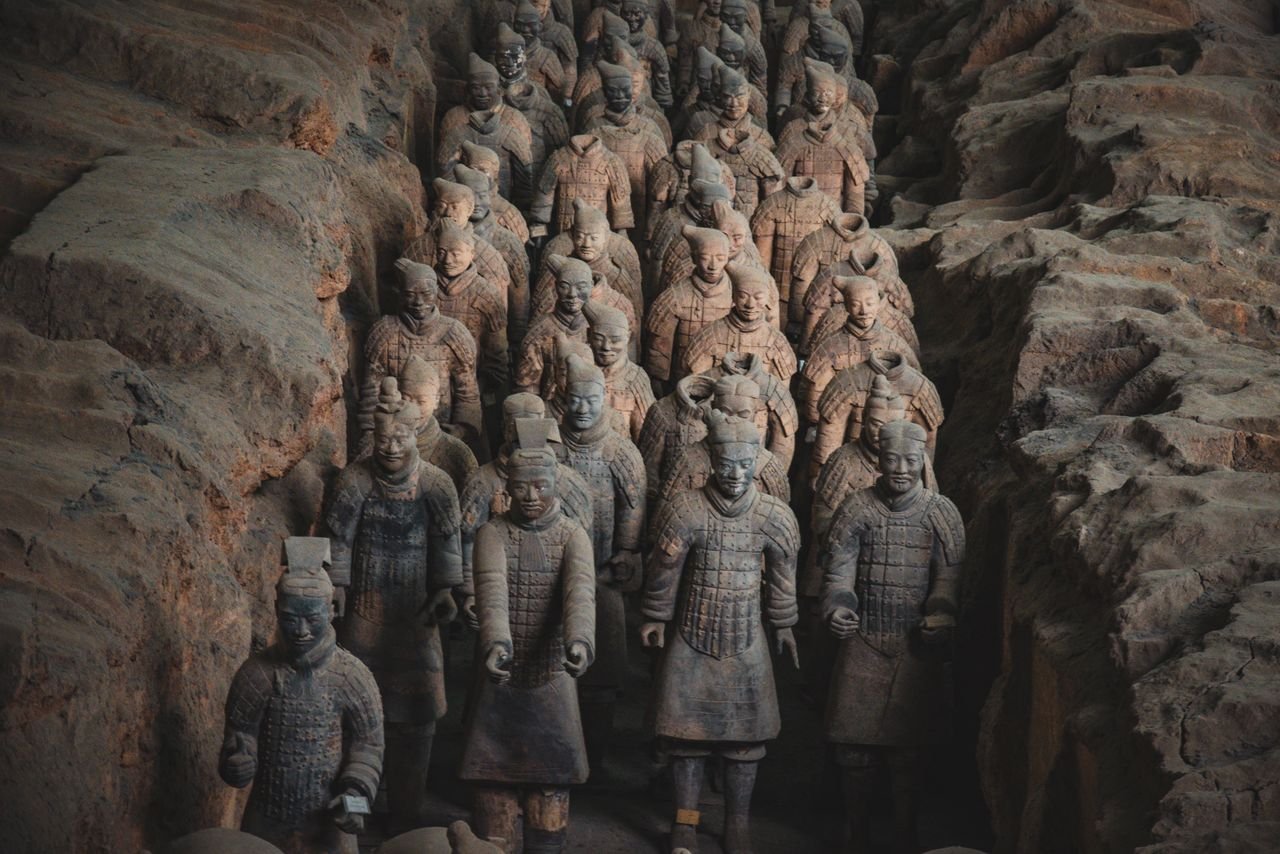
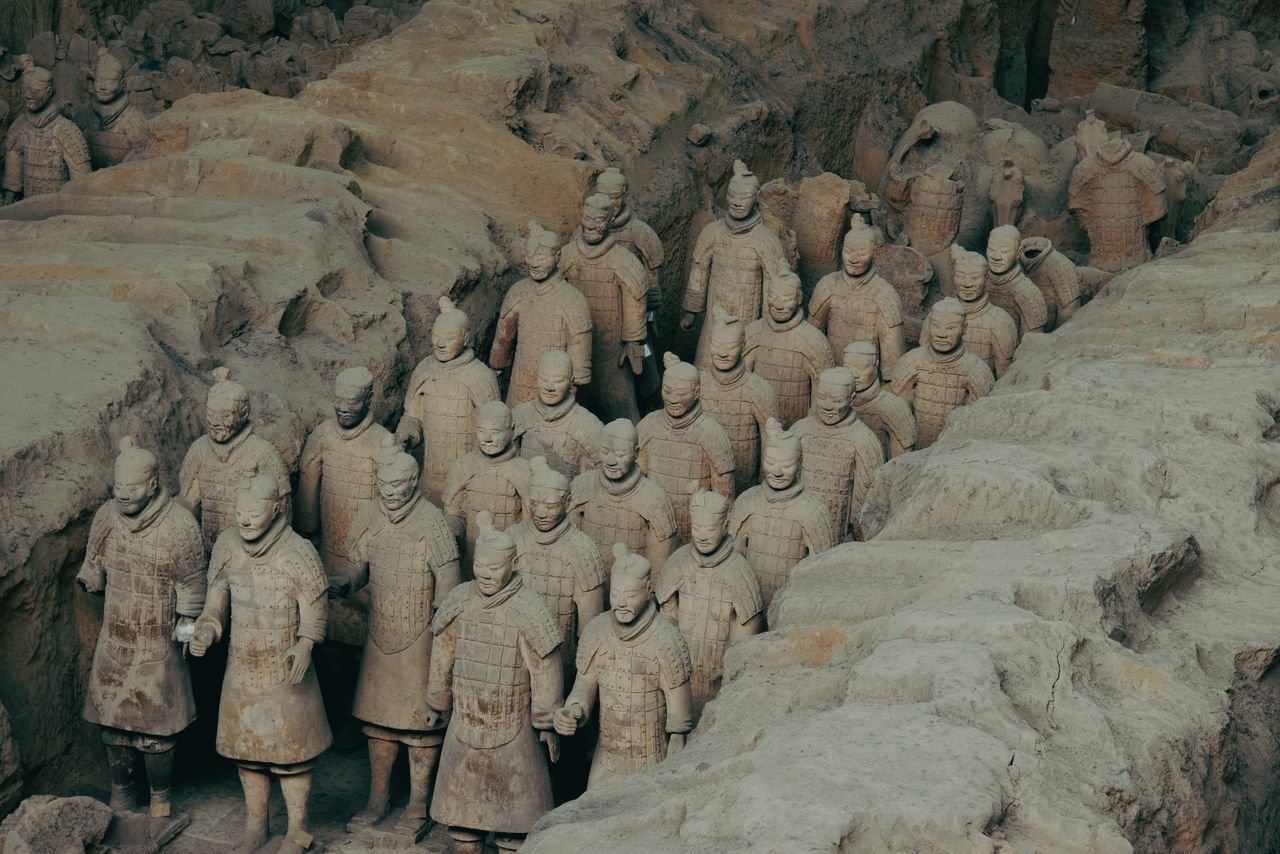
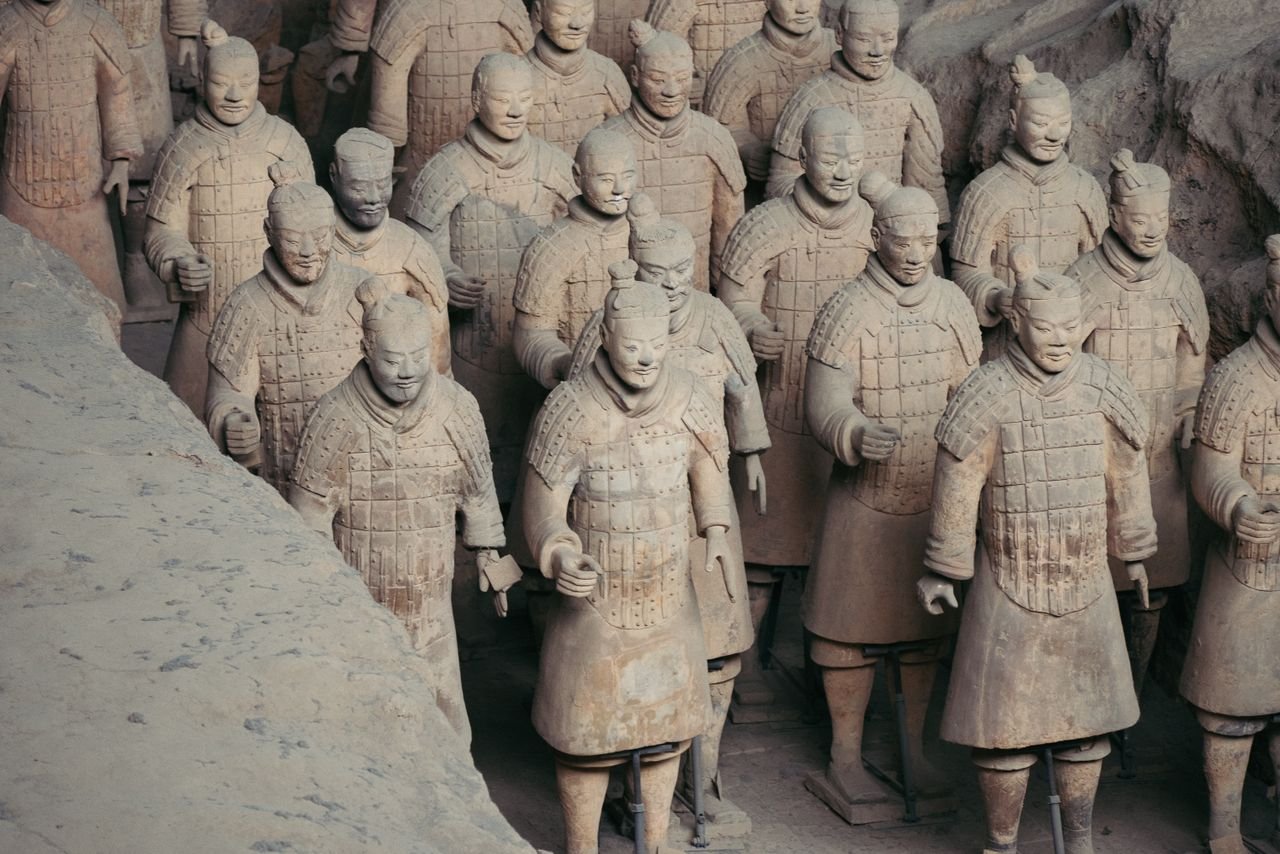
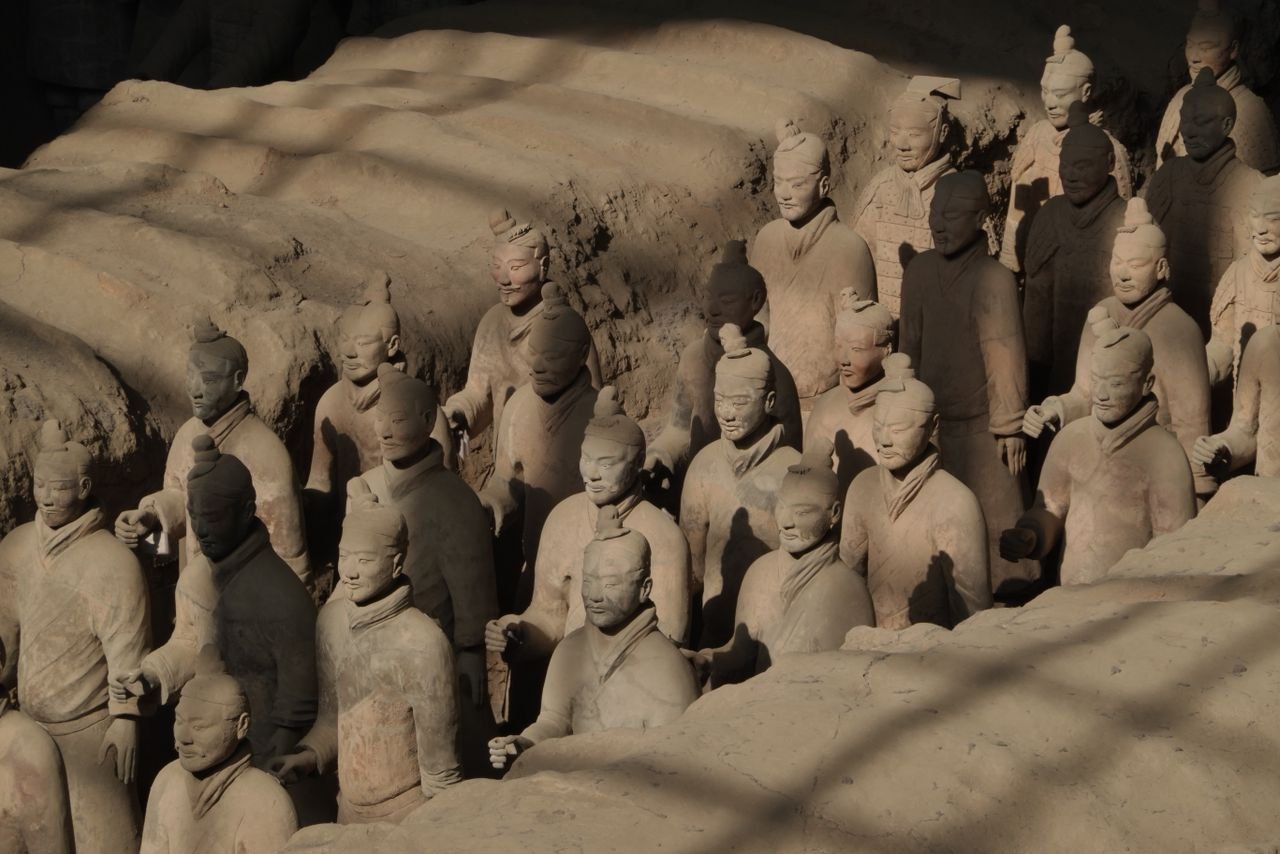
The Terracotta Army (兵马俑) is the headline sight for good reason. Thousands of life-sized clay soldiers, horses, and chariots were buried east of the city to guard the tomb of Qin Shi Huang, the first emperor to unify China. The figures were individually modeled, so no two faces are alike, and standing in the excavation halls is genuinely moving. The site sits about an hour’s drive east of the center; most visitors go by tour bus, private car, or a public bus from the railway station. Entry is around ¥120 (roughly US$17), though ticket prices change, so confirm with official sources before you travel. The whole complex is part of the UNESCO-listed mausoleum of Qin Shi Huang. Because the warriors are a timed, popular attraction, our how to book attraction tickets in China guide is worth a read before you go.
Can you walk or cycle on Xi’an’s city wall?
Yes, and you should. The Xi’an City Wall (城墙) is one of the most complete ancient walls in China, and you can walk or rent a bicycle to circle the top along a flat, car-free path roughly 14 kilometers around. A full loop on a bike takes about 90 minutes at an easy pace and gives you the best sense of how the old city is laid out. Entry to the wall is around ¥54. The wall connects naturally to the Bell Tower and Drum Tower (钟鼓楼) at its heart, and from there it is a short walk into the Muslim Quarter. When you want to move between these central sights, getting around Chinese cities by metro is the practical primer on the local system.
What should you eat in Xi’an?
Xi’an food is a delicious collision of northern Chinese wheat culture and the spices of the Silk Road. The signature is roujiamo (肉夹馍), a warm, flattened bun stuffed with braised, chopped pork that locals call a “Chinese hamburger” and that tastes far better than that nickname suggests. Beyond it, look for biangbiang noodles (wide, hand-pulled belt noodles in chili oil), liangpi (cold, slippery wheat noodles dressed with vinegar and sesame), and yangrou paomo (a mutton soup you break flatbread into yourself). The Muslim Quarter (回民街) is the obvious place to graze, but the side streets off it are often better value. For a deeper dive, our Xi’an’s roujiamo sandwiches guide covers where the locals actually queue.
Is Xi’an safe and easy to get around for foreign tourists?
Xi’an is safe, welcoming, and increasingly set up for international visitors, though English signage is lighter than in Beijing or Shanghai. The metro is cheap, clean, and easy to navigate once you have a map app, and ride-hailing works through the major Chinese apps. Payment is the one wrinkle: foreign cards now work at many hotels and some shops, but carrying a little cash and a working payment app smooths out the gaps. For where to base yourself, our where to stay in Xi’an guide breaks down the best neighborhoods, and booking hotels in China explains the booking steps. If you are watching your spending, our budget China trip guide has practical savings tips that apply well here.
Frequently Asked Questions
Is the Terracotta Army a UNESCO World Heritage site?
Yes. The Terracotta Army is part of the UNESCO World Heritage-listed Mausoleum of the First Qin Emperor, inscribed for its outstanding archaeological significance. The UNESCO-listed mausoleum of Qin Shi Huang is the official reference if you want background before visiting.
Do I need a visa to visit Xi’an?
It depends on your nationality and route. Travelers from 61 countries, including the US, UK, Canada, and Australia, can use China’s 240-hour visa-free transit when connecting onward to a third country or region. Our 144-hour visa-free transit guide explains how to book a qualifying layover, and you should always confirm the current rules with official immigration sources before you fly.
How much does it cost to visit Xi’an’s top sights?
As a rough guide, the Terracotta Army is around ¥120 (roughly US$17), the City Wall around ¥54, and the Giant Wild Goose Pagoda and other sights fall into a similar mid-range bracket. Prices change and some sites use combined or seasonal tickets, so treat these as ballpark figures and confirm with official sources before you book.
Can I use foreign cards and payment apps in Xi’an?
Increasingly yes. Major hotels, large attractions, and some chain restaurants take foreign cards, but smaller food stalls and local buses may be cash or local-app only. Setting up a Chinese payment app ahead of time and keeping some cash on hand will save you hassle in the Muslim Quarter and at street markets.
What is the best way to book hotels in Xi’an?
Book through an international platform you trust for the first night, then compare with Chinese booking sites for better rates on longer stays. The where to stay in Xi’an guide maps the most convenient districts, ideally inside or just outside the City Wall for walkable access to the main sights.
Plan Your Visit
Xi’an rewards a little structure. Arrive by high-speed rail at Xi’an North and head straight to the old city, booking your Terracotta Army ticket in advance so you are not at the mercy of same-day lines. Give yourself one full wall-and-food day, one warriors-and-springs day, and an optional third day for museums and ruins. Build the trip around the mild spring or autumn windows, keep Golden Week off your calendar, and you will see why this Silk Road capital remains one of the most rewarding stops in the country. However you route it, pair Xi’an with our broader planning tools, from China travel for first-timers to riding China’s high-speed rail, and the logistics will take care of themselves.
If you are building a longer China itinerary, our Chengdu guide covers giant pandas and Sichuan food, while our Shanghai guide walks you through the Bund and the Pudong skyline.
About the author: Karl Huang is a China-based travel writer who has spent years researching practical, foreigner-friendly travel across China. This guide reflects on-the-ground experience and is updated for the 2026 season; ticket prices and opening arrangements change, so confirm with official sources before you book.