

Chengdu Travel Guide 2026: Giant Pandas, Teahouses & Sichuan Flavor for Foreign Visitors
Chengdu (成都) is the capital of Sichuan province, and it is the most easygoing major city in China. Where other Chinese metros rush, Chengdu lingers. It is famous for three things that happen to pair perfectly: giant pandas, a laid-back teahouse culture, and Sichuan cuisine so flavorful it has its own global fan club. For foreign visitors it is also one of the most comfortable places to land, with good English at the airports, a simple metro, and a pace that lets you actually slow down. This guide covers what to see, what to eat, how to get there in 2026, and the day trips that turn a short stop into a memorable one.
Is Chengdu worth visiting?
Very much so, especially if you want a side of China that is not all palaces and skyscrapers. Chengdu delivers iconic wildlife, genuinely great food, and a local rhythm built around tea and conversation rather than sightseeingchecklists. It is also a superb hub: from here you can reach the Leshan Giant Buddha in about two hours, the ancient Dujiangyan irrigation system in under an hour, and the alpine wonder of Jiuzhaigou with a bit more effort. If you are assembling a first China trip, our China travel for first-timers guide explains how Chengdu fits alongside Beijing, Xi’an, and the east coast. For most visitors the question is not whether to go, but how many days to give it.
How many days do you need in Chengdu?
Plan for three to four days. Three days covers the essentials: a morning at the panda base, a day for the city’s temples and old streets, and a day trip to Leshan or Dujiangyan. Four days lets you add a second excursion or simply enjoy the teahouses without a clock. If Jiuzhaigou is on your list, treat that as a separate two-to-three-day commitment and read our Chengdu to Jiuzhaigou itinerary before you commit, because the logistics are different from a casual day trip. Either way, the city itself is compact enough that you will not waste time commuting.
What is the best time to visit Chengdu?
The most pleasant windows are March through June and September through November, when the weather is mild and the humidity manageable. Spring and early summer are especially good for the panda base, when the young cubs are active and the gardens are green. Try to avoid July and August, which are hot, humid, and rainy, and which also overlap with the heaviest domestic travel. Holiday timing matters here too, so our best time to visit China guide is useful for steering around the National Day crowds. As always, seasonal prices shift, so confirm hotel and ticket costs closer to your dates.
How do you get to Chengdu?
Chengdu has two airports: the new Tianfu International Airport (TFU) and the older Shuangliu International Airport (CTU), both with domestic and some international flights. High-speed rail is often the smartest option from neighboring hubs: it is about 3.5 hours from Xi’an and only about 1 to 1.5 hours from Chongqing, making Chengdu an easy add-on to a wider Sichuan or national route. Our riding China’s high-speed rail guide walks through booking and the on-board experience, while booking domestic flights in China covers air options. For moving around once you arrive, getting around China and getting around Chinese cities by metro are the practical references.
Where can you see giant pandas in Chengdu?
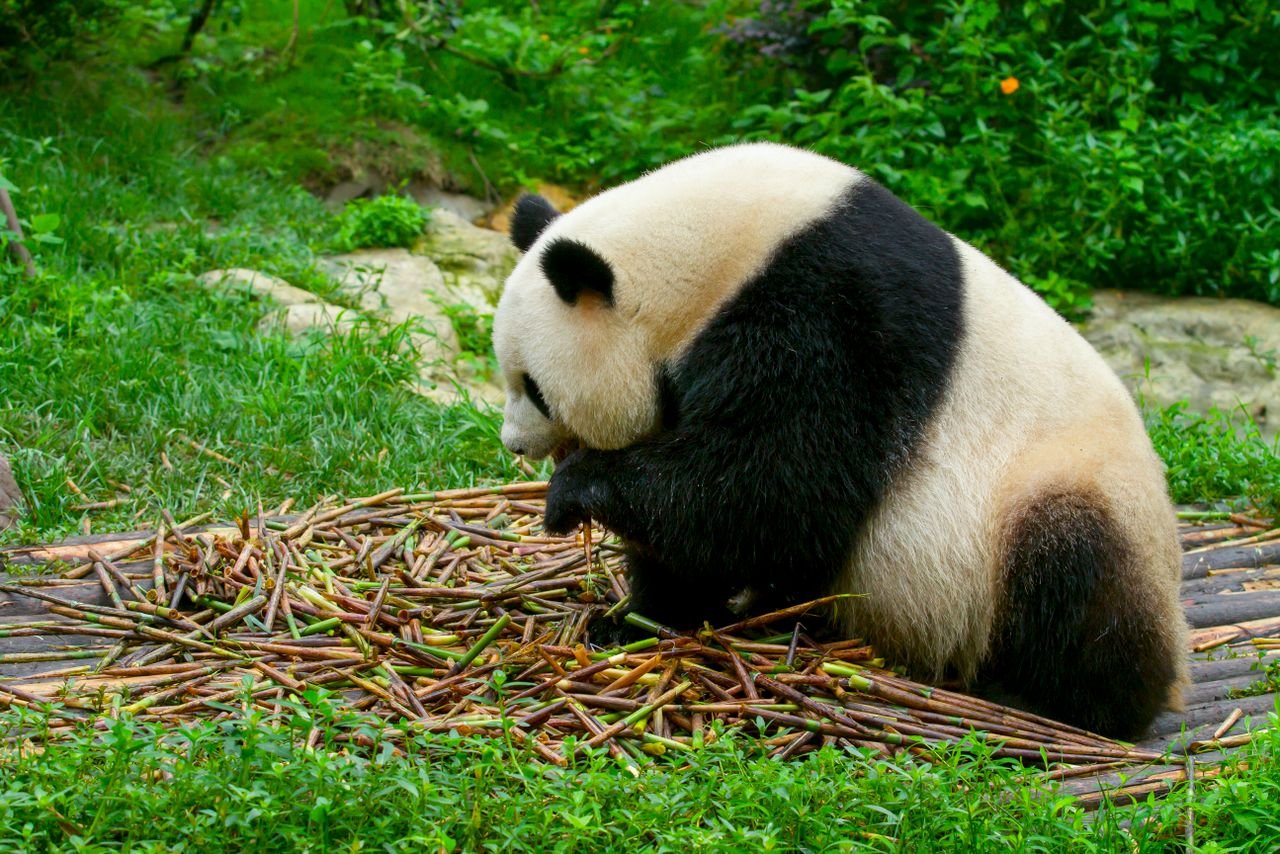
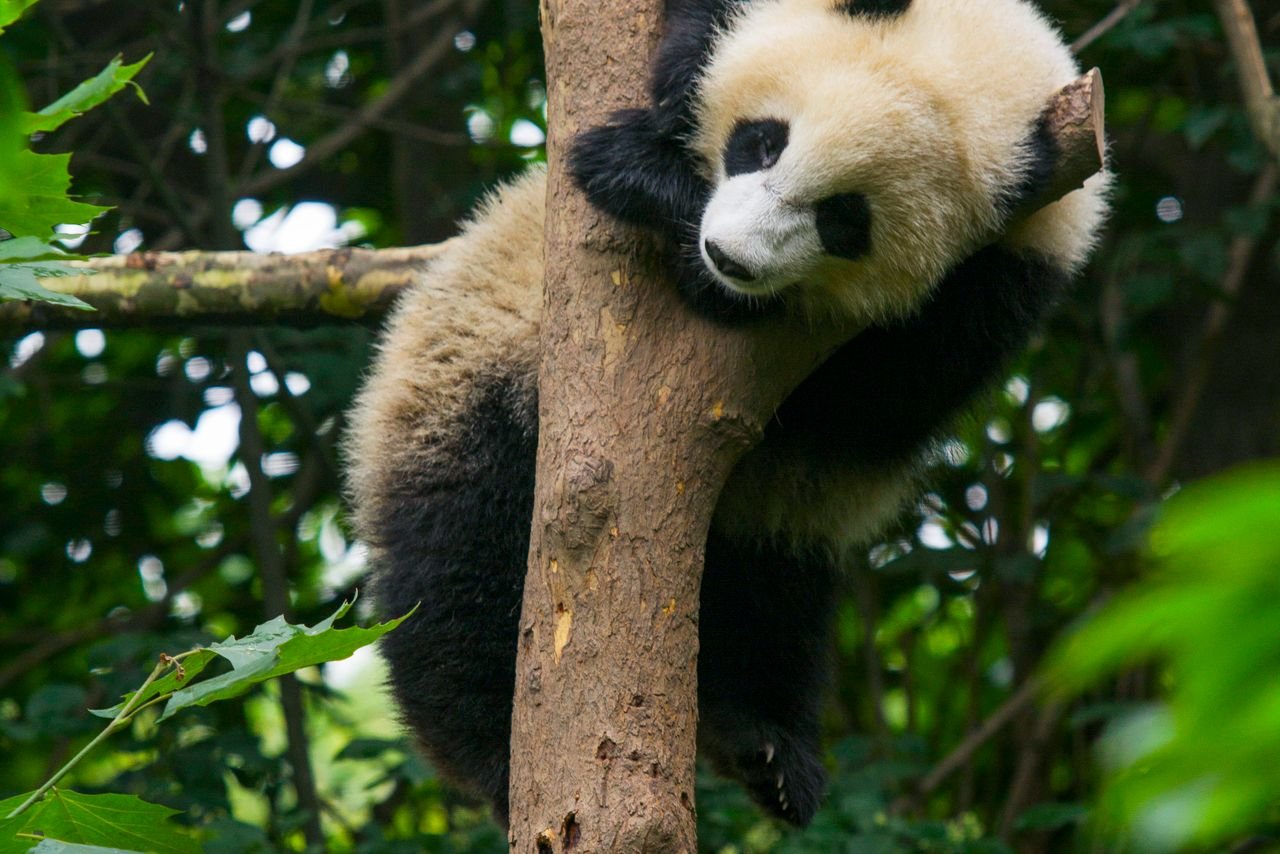
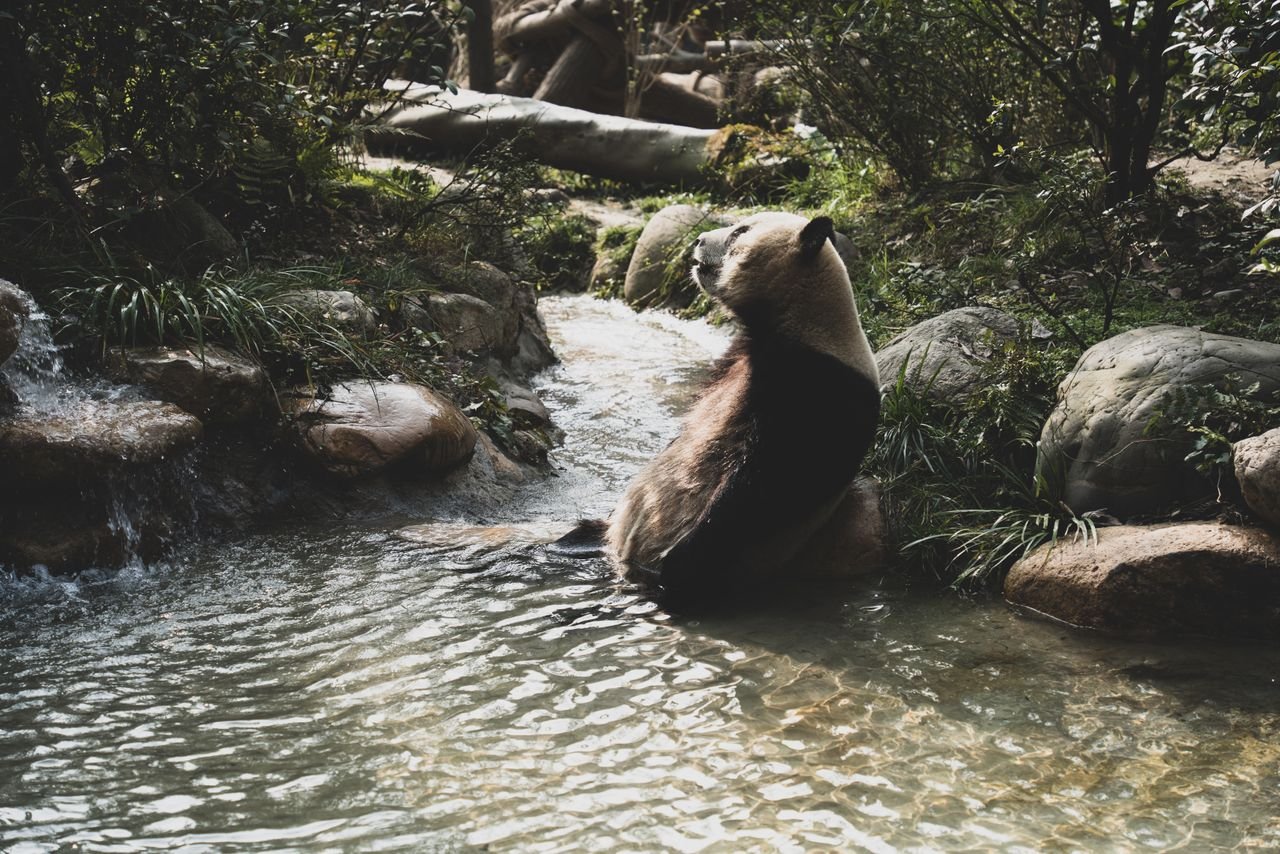
The headline spot is the Chengdu Research Base of Giant Panda Breeding (熊猫基地), a sprawling, leafy facility on the city’s edge where you can watch pandas eating, sleeping, and tumbling in enclosures that mimic their natural habitat. Entry is around ¥55, but prices change, so confirm before you go. The single most important tip is to arrive early, right at opening: pandas are most active in the cool morning and tend to nap through the hot afternoons, so a late start means you will mostly see furry lumps behind glass. Because the base uses timed entry, our how to book attraction tickets in China guide will help you secure a slot that matches the early window.
What is there to do beyond the pandas?
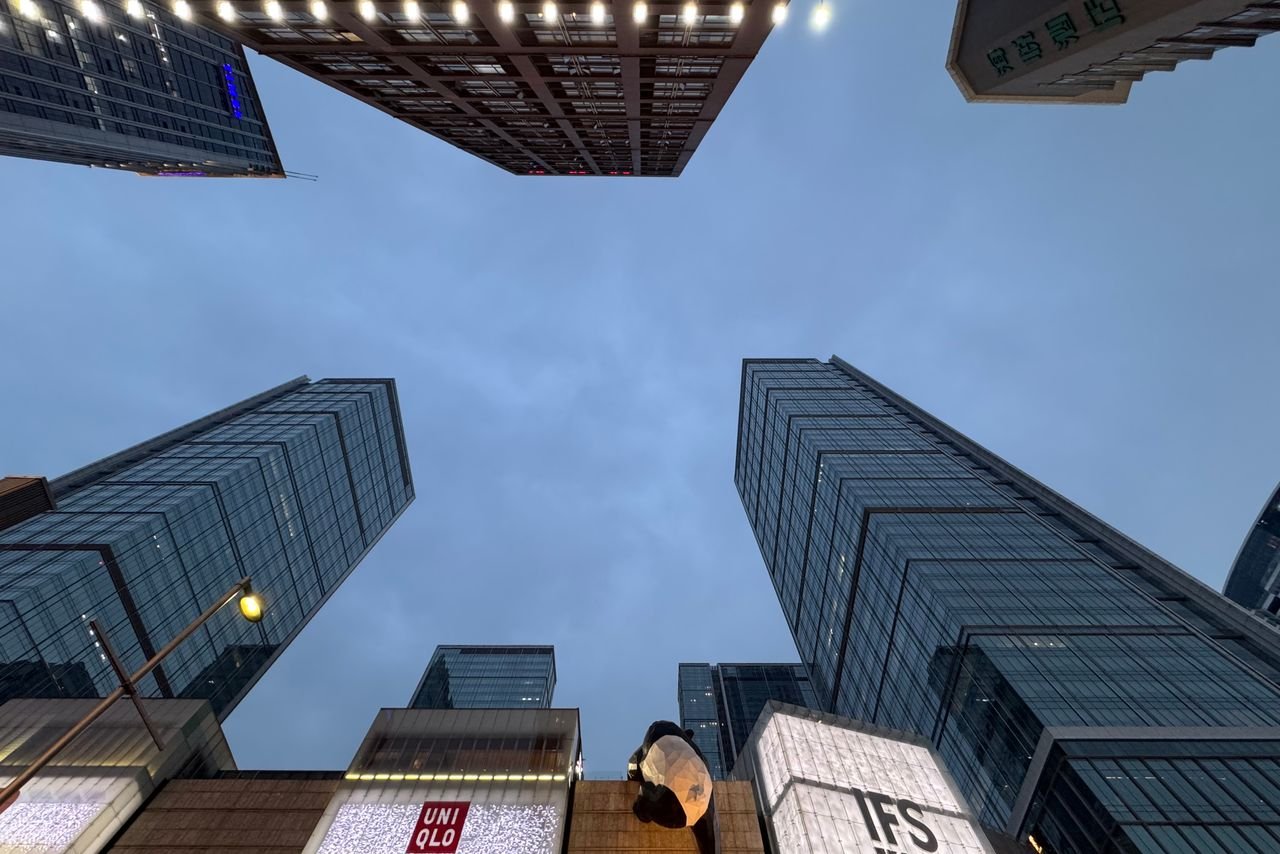
Plenty. Jinli Street (锦里) is a rebuilt but atmospheric old street beside the Wuhou Shrine (武侯祠), good for snacks and souvenirs. Kuanzhai Alley (宽窄巷子) keeps the Qing-dynasty courtyard feel and is a lovely place for an evening stroll and a tea. The Wuhou Shrine itself honors the heroes of the Three Kingdoms period and is one of the city’s most important cultural sites. For a calmer, greener outing, the nearby Dujiangyan irrigation system is a remarkable piece of 2,000-year-old engineering still in use today, and Mount Qingcheng offers temples and forest trails. Each of these is easy to reach on a half-day loop from the center.
What food is Chengdu famous for?
Chengdu is the heart of Sichuan cuisine, and the defining flavor is málà: numbing and spicy, from Sichuan peppercorn and chili working together. Must-tries include mapo tofu (silky tofu in a chili-bean sauce), dan dan noodles (sesame-and-chili dressed wheat noodles), gongbao (kung pao) chicken with peanuts, and Chongqing-style hotpot, where you cook meats and vegetables in a bubbling, oil-rich broth. The good news for cautious eaters is that not everything is fiery; ask for “bu la” (not spicy) or “wei la” (mildly spicy) and you will still eat extremely well. Our Chengdu restaurant guide points to concrete places to start, and the city’s teahouses are the perfect counterpoint, all calm and slow after a spicy meal.
Is Chengdu a good base for day trips?
It is one of the best in the country. The Leshan Giant Buddha, a colossal riverside carving, is about two hours away and pairs naturally with a visit to the hotels in Leshan if you would rather stay overnight than rush back. Dujiangyan and Mount Qingcheng are closer and make an easy single day. And for the ambitious, Jiuzhaigou’s turquoise lakes and waterfalls are reachable with planning. Where you sleep in the city matters for these trips, so our best areas to stay in Chengdu guide helps you pick a neighborhood that minimizes your morning transit. For the booking mechanics, booking hotels in China is the step-by-step primer, and if cost is a concern, our budget China trip guide has Chengdu-specific savings.
Frequently Asked Questions
Do I need a visa to visit Chengdu?
As with the rest of mainland China, it depends on your passport and itinerary. Citizens of 61 countries, including the US, UK, Canada, and Australia, can use China’s 240-hour visa-free transit when connecting onward to a third country or region. Our 144-hour visa-free transit guide explains the routing rules, and the official China’s visa and transit rules published by the National Immigration Administration should be checked before you fly, since requirements change.
How much does the panda base cost?
General admission is around ¥55 (roughly US$8), though ticket prices change and there are sometimes separate charges for shuttles inside the large site. Book ahead for an early slot and confirm the current fee on the official channel before you travel.
Is Sichuan food too spicy for foreign visitors?
Not if you order with care. The málà numbing-spicy profile is famous, but Chengdu restaurants are used to foreigners and will happily dial down the heat. Dishes like dan dan noodles, gongbao chicken, and plain mapo tofu can all be made mild, and the city’s teahouses and sweet snacks give your palate a break.
How do I get from Chengdu to Jiuzhaigou?
The fastest comfortable option is a flight or a long-distance bus plus a transfer, and the scenery justifies the effort, but it is not a casual half-day outing. Our Chengdu to Jiuzhaigou itinerary lays out the realistic timing, overnight options, and what to book in advance so you are not stranded.
Where should I stay in Chengdu?
The center, near the metro lines and within reach of Kuanzhai Alley or the Tianfu Square area, is most convenient for first-timers. The best areas to stay in Chengdu guide compares the neighborhoods in detail, and booking hotels in China covers the actual reservation steps.
Plan Your Visit
Chengdu is best enjoyed at its own speed, so resist the urge to overpack the schedule. Land, drop your bags near the center, and start the next morning at the panda base before the crowds and the heat. Spend an afternoon on Kuanzhai Alley or Jinli, save one day for Leshan or Dujiangyan, and reserve at least one evening for a hotpot dinner followed by tea. If you want the full Sichuan experience, build Jiuzhaigou in as its own mini-trip rather than a rushed add-on. Tie the practical pieces together with our China travel for first-timers, riding China’s high-speed rail, and Chengdu restaurant guide, and you will eat and explore like you have been here before.
Pair Chengdu with nearby Xi’an for the Terracotta Army, or with Chongqing for its fiery hotpot and riverside night views — the high-speed rail links all three.
About the author: Karl Huang is a China-based travel writer who has spent years researching practical, foreigner-friendly travel across China. This guide reflects on-the-ground experience and is updated for the 2026 season; ticket prices and opening arrangements change, so confirm with official sources before you book.