

Urumqi is the capital of Xinjiang, China, and one of the most geographically extreme city bases on Earth — it sits closer to the Mediterranean than to Beijing, yet it is the hub from which China’s northwest opens up. For foreign travelers it is the natural gateway to the Silk Road: a place where you can browse a thousand-year-old mummy in the morning, eat lamb skewers in a grand bazaar at noon, and ride a cable car up a red-rock mountain by dusk. This Urumqi travel guide covers the city’s highlights, the essential Heavenly Lake day trip, and how to arrive and move around. For the wider route, our China Silk Road itinerary strings Urumqi into a multi-week journey across the region.
Best Time to Visit Urumqi
The best time to visit Urumqi is June through September, when days are warm (22–30°C), the snow has left the mountains, and the Heavenly Lake (Tianchi) is at its blue, reflective best. Within those four months the sweet spot is late June to mid-September. July and August draw the biggest crowds and the highest hotel rates — downtown doubles from about RMB 450 (US$63) to RMB 800+ (US$112) on peak weekends — but they also bring the greenest Southern Pasture and the liveliest bazaar evenings. Early June and September are the calm, cheaper shoulders, with daytime highs of 20–26°C and cold nights near 10°C, so pack a fleece even then. July and August are peak — green pastures, open mountain roads, and the busiest bazaar atmosphere. May and September are quieter and still pleasant, with September’s turning poplars a highlight. Avoid November through March: temperatures drop to −15°C, mountain passes can close, and Heavenly Lake is often snowed in. Spring (April–May) is mild but windy, with the famous occasional sand-laden gusts off the Taklamakan. Urumqi’s altitude is modest (~800 m), so altitude sickness is not a concern here, unlike the higher lakes of Xinjiang, China further west.
How to Get There
| From | Option | Time | Approx. Cost |
|—|—|—|—|
| Beijing → Urumqi (Diwopu Intl, URC) | Flight | ~4h | RMB 1,200–2,200 (US$170–310) |
| Xi’an → Urumqi | Flight / high-speed rail | 3.5h flight / ~13h rail | RMB 900–1,800 (US$125–250) |
| Lanzhou → Urumqi | High-speed train (Lanxin line) | ~11h | RMB 550–750 (US$78–106) |
| Turpan → Urumqi | High-speed train | ~1h | RMB 50–90 (US$7–13) |
| City transport | Metro + taxi / DiDi | — | RMB 2–30 |
Most foreign visitors fly in: Urumqi Diwopu International Airport (URC) has direct flights from Beijing, Shanghai, Xi’an, and Guangzhou, plus regional links into Central Asia. The alternative is the Lanzhou–Xinjiang high-speed railway (Lanxin line), which connects Urumqi to Lanzhou and, via transfers, to the national network — scenic but long, best saved for rail enthusiasts. Inside the city, a growing metro (Lines 1 and 2) and plentiful DiDi rides make getting around simple. Train and flight ticketing follow the standard China pattern; our high-speed train guide for foreign travelers covers the passport login and 12306 steps.
Where to Stay
Base yourself downtown near People’s Square or Hongshan, which puts you between the museum, the bazaar, and the metro. International chains — Hilton, Marriott, and local upscale brands — cluster here at RMB 400–900 (US$56–126) per night. For value, the Hongshan and Renminlu corridor has clean Chinese business hotels (Jinjiang, Atour) at RMB 300–500 (US$42–70) with reliable heating and English signage, while the bazaar-side guesthouses trade quiet for atmosphere and easy late-night kebab runs. The area around the International Grand Bazaar has characterful mid-range hotels (RMB 250–500 / US$35–70) if you want to be steps from the night market, though it is louder. Book ahead for July–August, when domestic tourism to Xinjiang, China fills the city. Staying central also shortens the morning drive to the Heavenly Lake shuttle bus.
What to Eat
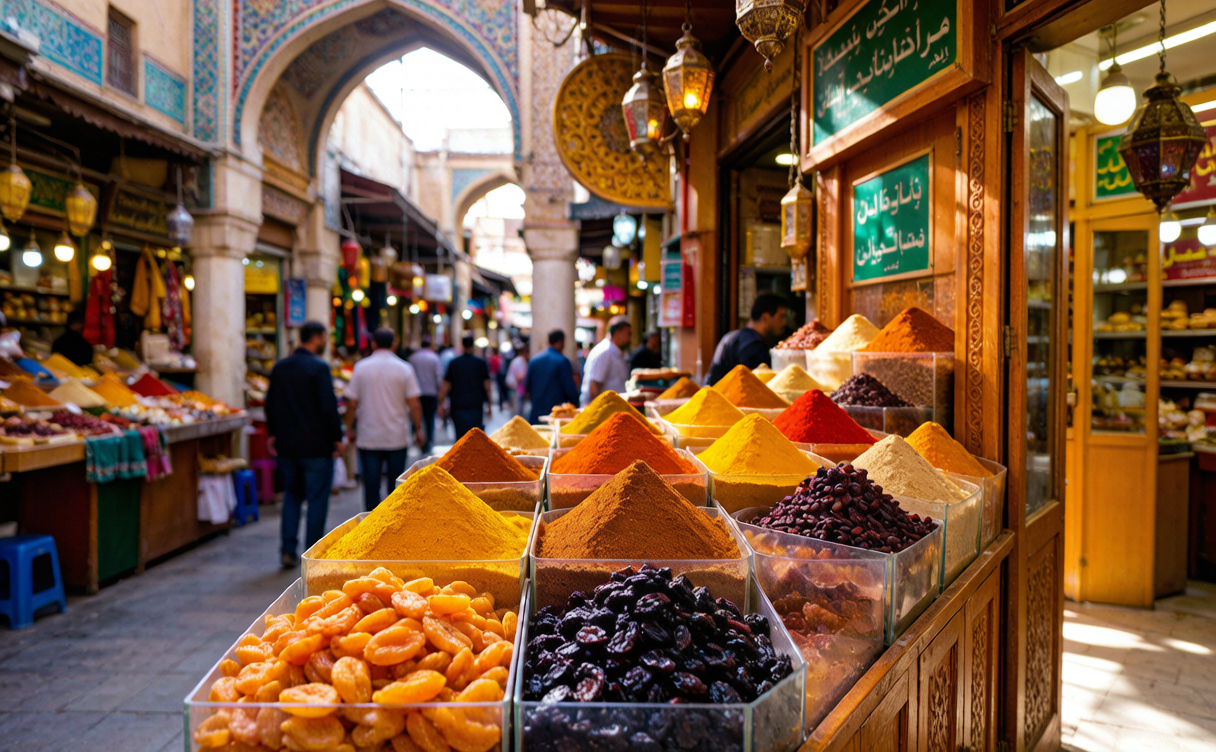
Urumqi’s food is the headline. The International Grand Bazaar and the surrounding streets are a parade of Uyghur cooking: lamb kebabs (kawap), freshly baked naan, hand-pulled laghman noodles, and pilaf (polu) with raisins and carrot. Samsa (meat pastries baked in clay ovens), yogurt drizzled with honey, and pyramids of dried apricots and walnuts make quick snacks. A full bazaar dinner runs RMB 40–90 (US$6–13) per person. For something different, the city’s HanChinese noodle houses and the Russian-influenced bakeries near Hongshan add variety. Note that alcohol is easy to find but not central to the local dining culture; mint tea and black tea are the everyday drinks.
Sample Itinerary
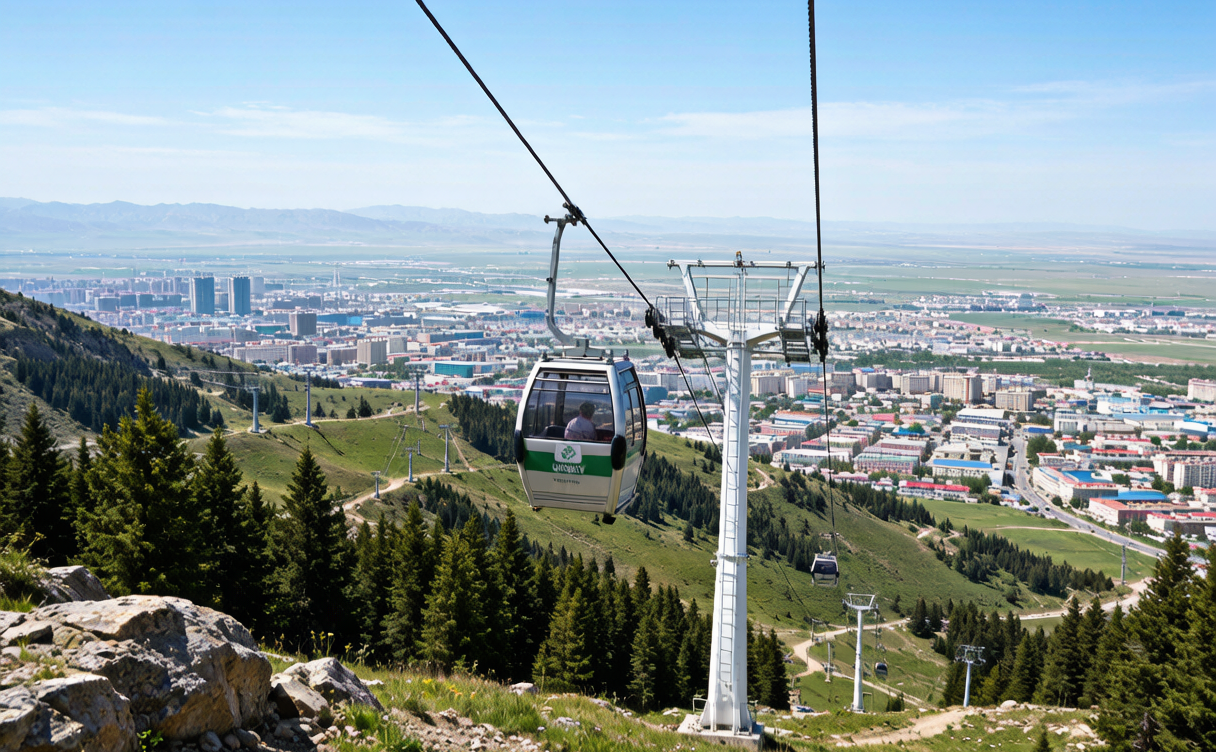
Day 1 — City highlights: morning at the Xinjiang Regional Museum (free; the well-preserved Tarim Basin mummies and Silk Road textiles are the draw), then the Xinjiang, China International Grand Bazaar for lunch and shopping, and a late-afternoon cable car up Mount Hongguang (Hongguang Shan) for the city panorama and the giant red-character hill inscription. Evening walk at Hongshan Park.
Day 2 — Heavenly Lake (Tianchi): a 110 km drive northeast into the Tianshan mountains to this alpine lake at ~1,900 m, ringed by snow peaks. Boat rides and lakeside boardwalks fill a full, spectacular day; shuttle buses run from the Urumqi bus station, or book a private car (about RMB 500–800 / US$70–112 round trip).
Day 3 — Southern Pasture and onward: the Nanshan (Southern Mountains) pasture offers horse riding and yurt lunches an hour from the city. From here, most travelers push on — north to Sayram Lake (our Sayram Lake guide covers the turquoise alpine lake near the Kazakh border), or east along the Silk Road toward Turpan.
Practical Tips
- Carry your passport: hotels, the museum, and some transport checks require it, and security screening at stations and the airport is routine.
- The climate is dry; drink more water than feels necessary and pack lip balm and moisturizer.
- Heavenly Lake is weather-dependent — check the forecast and go on a clear day; clouds erase the view.
- Bazaar bargaining is expected for souvenirs but not for food; fixed-price restaurants are common near the metro.
- Download offline maps; mobile coverage thins in the Tianshan passes.
- The Silk Road’s cultural depth is best appreciated with context — the UNESCO Silk Roads World Heritage listing outlines the routes that converge on this region.
FAQ
Is Urumqi a good base for a first Xinjiang, China trip?
Yes. It has the best flight and rail connections, the widest range of hotels, and easy day trips (Heavenly Lake, Turpan, Southern Pasture) before you venture deeper.
Do I need a special permit to visit Urumqi?
No permit is needed for Urumqi itself or standard tourist sites like Heavenly Lake and Turpan. Some remote border areas elsewhere in Xinjiang, China require permits, but not the capital region.
How long should I stay?
Three full days covers the city and Heavenly Lake comfortably; add a fourth if you want the Southern Pasture and a relaxed bazaar evening.
Is the food vegetarian-friendly?
Partly. Naan, laghman (ask without meat), yogurt, and dried fruits are easy; fully vegetarian restaurants are rare, so confirm when ordering.
What is the altitude, and will I feel it?
Urumqi is ~800 m — no real effect. Heavenly Lake at ~1,900 m is mild; just avoid over-exertion on the first day if you flew in from sea level.
Can I travel on from Urumqi by train?
Yes. The Lanxin high-speed line reaches Turpan in about an hour and Lanzhou in roughly 11 hours, with connections onward across China.
Is Urumqi expensive compared with eastern China?
Slightly cheaper for food and transport, but international hotels match big-city rates; a bazaar dinner is RMB 40–90 (US$6–13) per person, while a central hotel room runs RMB 400–900 (US$56–126). The real cost saver is that most top sights are within an hour of the city.
Do I need cash, or is card and mobile enough?
Mobile (Alipay or WeChat with a linked international card) covers most hotels, trains, and chain restaurants; carry a few hundred RMB in cash for bazaar stalls and rural pasture stops where scanning may not work.
Written by Karl Huang, updated August 2026.