

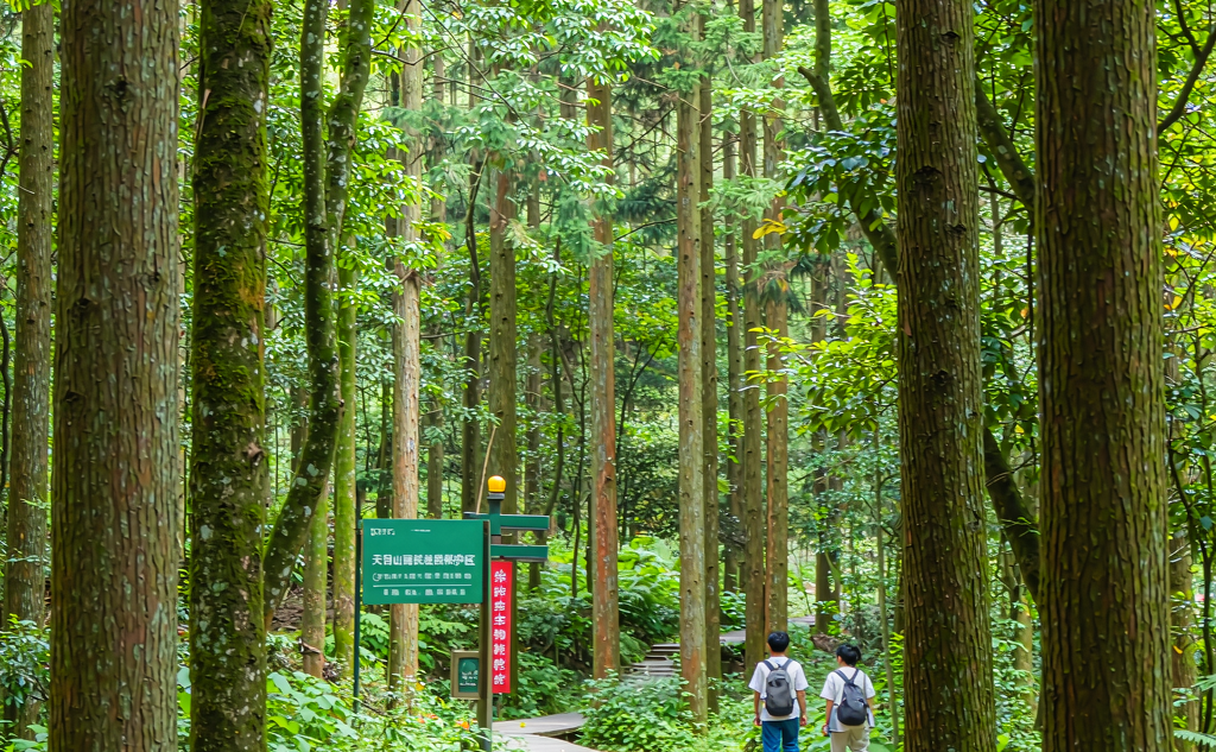
Tianmu Mountain, in the northwest of Zhejiang province, is one of eastern China’s last great tracts of primeval forest. Its giant ginkgo and cedar trees, some more than a thousand years old, rise into a misty green canopy that feels a world away from the nearby mega-cities of Hangzhou and Shanghai. Split into East and West ranges, the mountain is also a long-standing Buddhist retreat, with old temples tucked among the woods.
This Tianmu Mountain guide covers what to see, when to go, how to get there, and how to blend the forest with a Zhejiang itinerary built around Hangzhou and Moganshan. It is written for travelers who want nature, quiet, and clean air within easy reach of China’s east coast.
Why Tianmu Mountain Matters
Tianmu — meaning “Sky Eye” — takes its name from two mountain lakes near the peaks that were said to look like heavenly eyes. The range has been protected for centuries, first as a Buddhist sanctuary and later as a nature reserve. Today West Tianmu Mountain is celebrated for its ancient trees, including a ginkgo considered one of the oldest of its kind on Earth, and for a canopy so dense that sunlight filters down in shafts.
The mountain is also an important ecological site. Its mix of subtropical forest, rare plants, and clean mountain streams makes it a favorite for botanists and birdwatchers, and a refreshing counterpoint to the crowded water towns and cityscapes of the Yangtze Delta.
Background on the range’s ecology and history is summarized on Wikipedia’s Mount Tianmu page. To set the wider scene, our Hangzhou travel guide explains the city you will likely use as a launch point, and the West Lake Hangzhou guide covers the famous lake that pairs naturally with a forest escape.
Things to Do at Tianmu Mountain
Most foreign visitors head to West Tianmu Mountain, where the ancient-tree trail and temples are concentrated. East Tianmu is more developed and busy; the west is the place for genuine old-growth forest.
- The giant ginkgo and cedar groves: a boardwalk loops through stands of trees measured in centuries, with informative markers about the ecosystem.
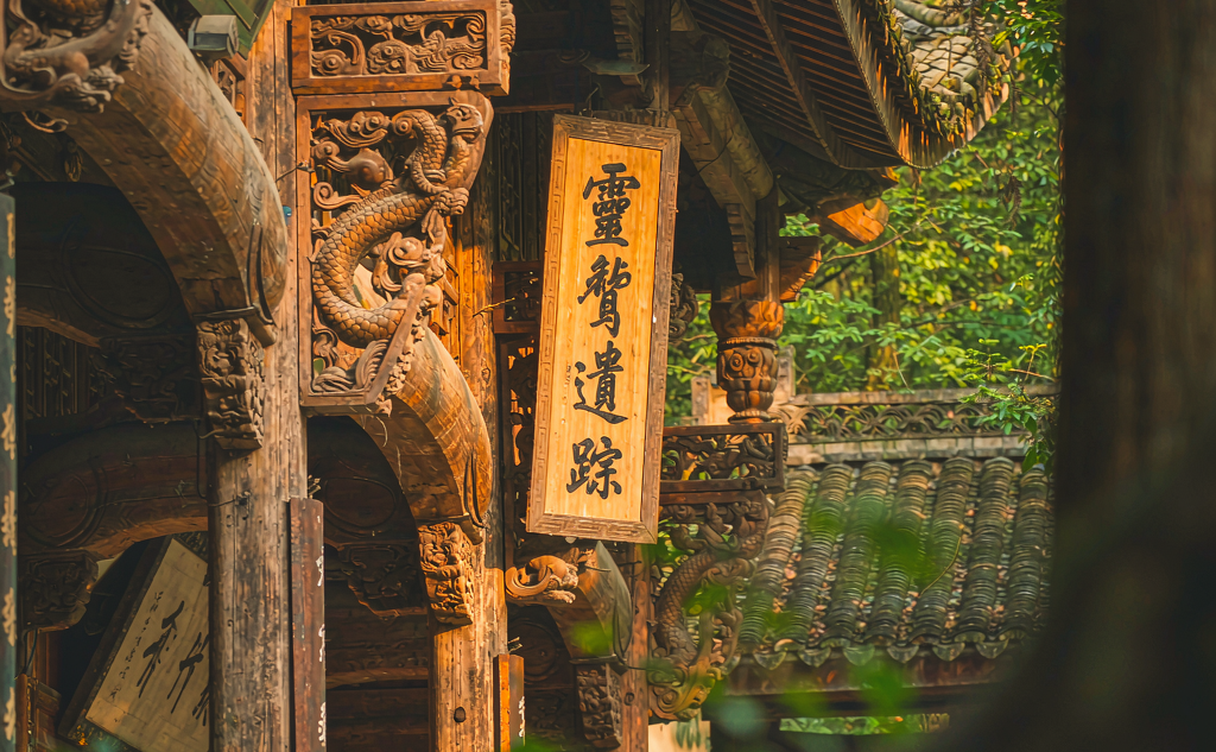
- Tianmu Temple (Chan source): an active Buddhist monastery where you can watch morning rites and enjoy vegetarian meals.
- Summit ridge walks: from the high points, clear days open onto rolling Zhejiang hills and a sea of green.
- Waterfalls and streams: the mountain’s many brooks are cool and clear, especially after rain.
For more east-coast nature, the Moganshan travel guide describes the bamboo-clad hill station nearby that makes a gentle complement to Tianmu, and our China hiking treks guide lists forest and mountain routes across the country. If you are flying in, the Shanghai first-time travel guide helps you navigate your arrival port.
Best Time to Visit Tianmu Mountain
The forest is a year-round destination, but the experience shifts with the seasons.
- April to May: fresh leaves, blooming azaleas, and lively birdlife; the most pleasant hiking weather.
- June to July: hot and humid in the lowlands, but the mountain stays cooler and greener — also the start of the misty, atmospheric season.
- September to November: clear, dry, and crisp, with autumn tints in the canopy; the easiest time for long walks.
- December to February: cold and quiet, sometimes with frost; fewer services but a serene, bare-forest mood.
Because Tianmu is about ecology more than altitude, even summer works if you start early and carry water. Aim for weekdays to avoid local weekend crowds.
How to Get to Tianmu Mountain
Tianmu Mountain lies in Lin’an District, on the western edge of Hangzhou, about two hours by road from the city center and three from Shanghai.
1. From Hangzhou, take a long-distance bus toward Lin’an and then a local connection to the Tianmu Mountain scenic area, or hire a car for flexibility.
2. From Shanghai, the fastest route is the high-speed train to Hangzhou and then a road transfer; a private car direct from Shanghai is also common for groups.
3. Within the reserve, shuttle buses run from the gate to the main trailheads, since private cars are restricted inside the core zone.
Foreign visitors should read our China high-speed train guide for foreigners before booking the Hangzhou leg, and carry your passport for tickets and hotel check-in.
The Ancient Trees and the Sky Eye
West Tianmu’s fame rests on a handful of living monuments. The so-called King Ginkgo is a maidenhair tree said to be more than twelve hundred years old, its trunk broad enough for several people to link arms around it and its canopy spreading like a green cathedral. Nearby, a grove of giant cedars rises straight and tall, their bark furrowed and their crowns lost in mist; some were already ancient when the first European botanists reached the mountain in the nineteenth century and shipped seeds home, seeding arboretums across the West. The “Sky Eye” of the name refers to two small mountain lakes near the peaks that, seen from below, resemble eyes gazing upward — a detail worth the extra climb on a clear day.
Tianmu Temple and the Monastic Routine
The working monastery on the mountain follows a calm daily rhythm that visitors are welcome to observe. Morning chanting begins before sunrise and the scent of vegetarian breakfast drifts from the kitchen; the midday meal is the day’s main one, taken in silence, and the grounds quiet again by dusk. Staying overnight in the temple guesthouse, where offered, means lantern-lit paths and the sound of the stream instead of traffic. Dress modestly, speak softly, and you may be invited to share the simple monastic food, which is itself a lesson in the mountain’s restraint.
Where to Stay and What to Eat
Lin’an, the district seat, has the widest choice of hotels and a lively night market of its own, while the reserve gate offers a few basic lodges for early starters. Hangzhou, two hours east, remains the natural base for most travelers, with West Lake and its tea hills rounding out a nature-and-culture trip. At the table, Lin’an is known for bamboo shoots, free-range chicken braised with mountain herbs, and freshwater fish from the local streams; a pot of Longjing or other Zhejiang green tea makes the obvious accompaniment after a day among the giant trees.
Birdwatching and the Small Wonders
Beyond the headline giants, Tianmu rewards a slow eye. More than two hundred bird species have been recorded, from colorful minivets to laughing thrushes that work the understory, and the forest floor hides ferns, lichen, and fungi in dizzying variety after rain. Bring a hand lens or a phone macro lens and you will find that the “boring” lower trail is in fact the richest. Weekdays and the low season give the best chance to hear the forest rather than the crowds.
What to Pack and Expect
Tianmu is more of a forest walk than a climb, but the trails are long and rooted.
- Sturdy, grippy shoes: the boardwalks are easy, but side paths can be muddy after rain.
- Insect repellent and light rain gear: subtropical forest means bugs and sudden showers.
- Water and a packed lunch: dining inside the reserve is limited and simple.
- A camera with a macro setting: the small details — lichen, ferns, old bark — are the real stars.
Buy your entry ticket at the gate, take the shuttle to the upper trail, and walk down through the giant-tree loop so the long stairs are behind you by afternoon.
A Suggested Day Plan
Leave Hangzhou after an early breakfast, reach Tianmu by mid-morning, walk the ancient-tree boardwalk and visit the temple, have a simple lunch near the trailhead, and return to Hangzhou for a West Lake sunset. Overnighting in Lin’an lets you add a second, quieter east-range hike the next morning.
Final Thoughts
Tianmu Mountain is the green lung of the Yangtze Delta — a place where you can stand under trees older than most European cathedrals and hear almost nothing but the wind. For travelers based in Hangzhou or Shanghai, it is the easiest way to touch wild China without leaving the east.
A Note on the Forest
Tianmu is a protected reserve, so stay on marked trails, take nothing but photos, and leave nothing behind. The giant trees have stood for centuries; with care, they will stand for centuries more.