

Suihua (绥化) is the least glamorous place I recommend, and I recommend it often. It is an agricultural prefecture on the Songnen Plain an hour north of Harbin, sitting on some of the deepest black soil on earth, and it produces staggering quantities of rice, maize and soybeans. There are no famous mountains and no ancient city walls. What there is: an ocean of grain that turns gold in September, Manchu villages that still hold their own festivals, a county museum full of mammoth skeletons, and shadow-puppet theatre that is on China’s intangible heritage list. I have taken clients through in August and in late September, and this Suihua travel guide is the honest version — including who should not bother.
Who this trip is for
Be clear-eyed. If you want landmark sights, skip Suihua and spend the days in Harbin. If you are interested in how a fifth of the world’s population actually gets fed, in rural Northeast China, in Manchu culture outside a theme park, or in photographing agricultural landscape at scale, this is one of the best places in the country to do it — and almost nobody foreign goes.
The prefecture is large: Suihua city proper (Beilin District) plus nine counties and county-level cities, including Wangkui, Hailun, Qing’an, Qinggang, Lanxi and Zhaodong. The attractions are scattered across them, mostly free or nearly free, mostly signed only in Chinese. You will need a car and ideally a Chinese-speaking companion. A driver from Suihua costs roughly ¥450–650 CNY a day. Without one, this trip does not work — I say that having tried it on buses once.
Suihua to Harbin train and getting around
The Suihua to Harbin train is the spine of the trip. D-train services on the Harbin–Bei’an corridor cover the run in roughly one hour to 1 hour 20 minutes for about ¥40–70 CNY in second class, with slower conventional trains at ¥15–30 CNY taking closer to two hours. Departures are frequent enough that I do not book more than a day ahead outside holidays. Continuing north, the same line runs on toward Bei’an and eventually the Russian border region.
Harbin Taiping airport is the practical arrival point for international visitors: about 2 to 2.5 hours by road, or fly in, take the airport train or bus into Harbin, and pick up the northbound train. Suihua station is central and walkable to the main hotel cluster. Our China high-speed train guide for foreign travellers covers ticket collection and the ID checks, which are strict on this line.
Suihua golden wheat fields and the black-soil plain
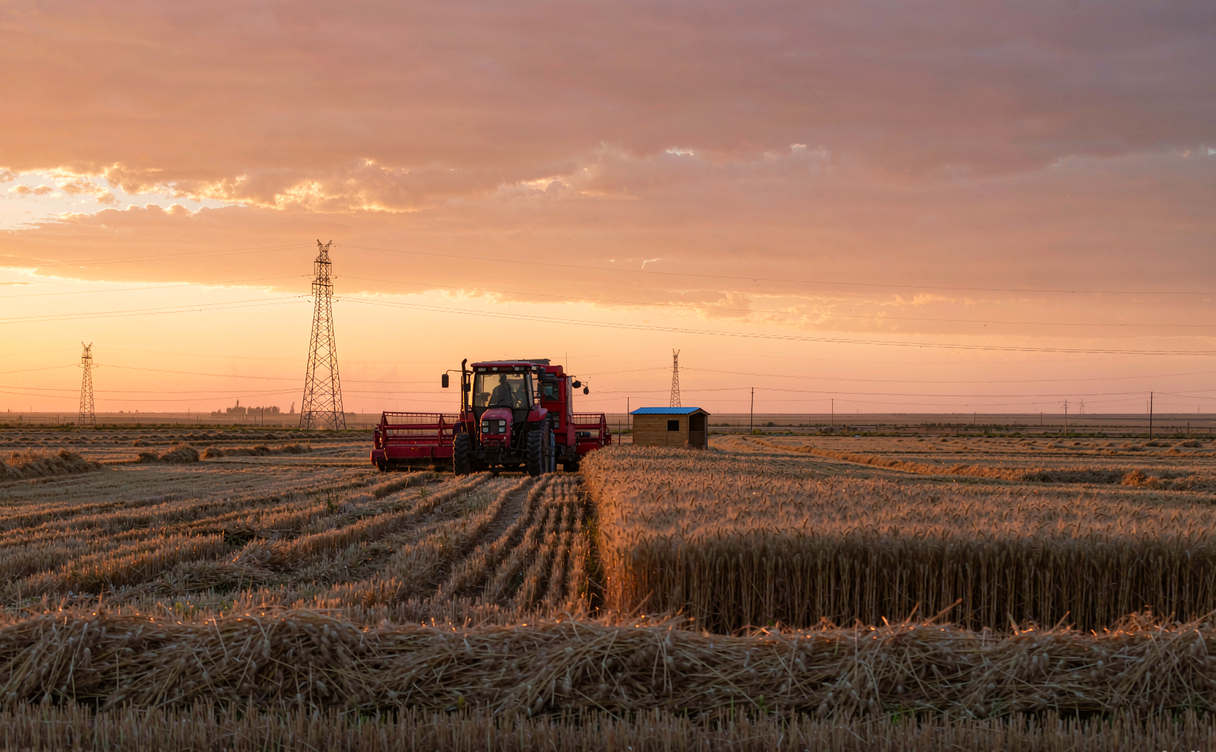
The landscape is the main event. The Suihua golden wheat fields — in practice a mix of wheat, rice paddy and vast maize blocks, depending on which county road you are on — run flat to the horizon, broken only by shelter belts, grain silos and the occasional red-roofed village. In late August and September the whole plain turns yellow, combine harvesters work into the dark, and trucks queue at the drying yards.
My method is simple: pick a county road out of Beilin District or Qing’an in the late afternoon, drive twenty minutes, and stop wherever the light works. Nobody minds you standing at the field edge; do not walk into standing crop. Qing’an is the rice county and its paddies are the most photogenic, with water reflecting sky in early summer and gold in autumn. Local rice is a protected regional product, and a bag from a county market costs ¥25–60 CNY — genuinely good, and a better souvenir than anything in a gift shop.
Around Hailun and Wangkui there are also managed rural-tourism villages with flower fields, farm restaurants and traditional heated-brick-bed (火炕) homestays for ¥80–180 CNY a night. They are aimed at domestic weekenders, unpolished, and often the friendliest experience of the trip.
The Suihua Qingdian Manchu town and Wangkui
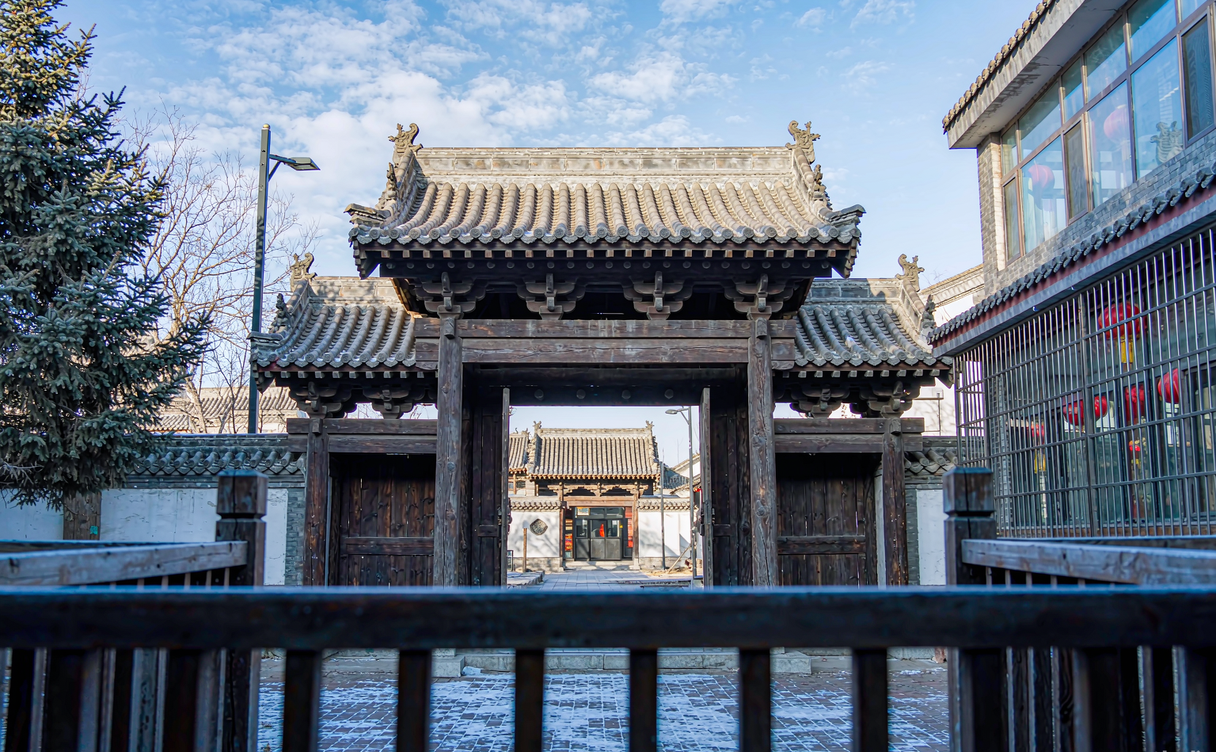
The Suihua Qingdian Manchu town that appears in Chinese listings refers, in practice, to the Manchu heritage cluster in Wangkui County (望奎), about 45 minutes northwest of Suihua city. Wangkui has a significant Manchu population concentrated in the Xiangbai Manchu Township area, and it is the one place in the prefecture where that heritage is presented rather than just lived.
The anchor is the Wangkui Manchu Museum, a AAA-rated county museum that was free when I visited, covering Manchu origins, dress, ritual, farming tools and belief, with a long illustrated corridor of Qing-era history. It is earnest, thorough and entirely in Chinese; use a phone camera translation app. Out in the township there is a cultural square where shamanic dance is performed on festival days, and displays of traditional agricultural implements and wedding customs.
Timing matters more than usual here. Two dates are worth planning around: the Manchu Banjin festival in the lunar tenth month, and the second day of the second lunar month, when villages hold their spring celebrations. Outside those, the township is a quiet farming settlement and the museum is the visit. Ask your driver to phone ahead — small county museums here close for lunch and sometimes without notice.
Wangkui is also a shadow-puppetry town, one of the recognised homes of Jiangbei-style leather-shadow theatre. Performances are irregular and usually arranged for groups, so ask at the museum desk; when it happens, it is the single most memorable hour in the prefecture.
Mammoths, temples and county oddities
Qinggang County has a Quaternary fossil museum that I did not expect to like and now insist on. Mammoth and woolly rhino skeletons excavated locally are mounted in full, along with dozens of individual fossils — the black soil here sits on Ice Age deposits and farmers have been turning up tusks since the 1950s. Free entry, small building, remarkable contents.
Lanxi County, on the Harbin side, has a Guandong folk-culture village that reconstructs Northeast rural life a century ago, plus Donglin Temple. Suiling County is known for its black pottery, an old craft still worked by a handful of studios; a small piece costs ¥60–200 CNY and is the most distinctive thing you can carry home. Qing’an’s Liuhe reservoir area is where locals go for freshwater fish and a lakeside afternoon.
None of these individually justifies a flight. Together, over two or three days with a car, they add up to a portrait of rural Northeast China that you cannot get from the big cities. If you want to push further north afterwards, our Heihe travel guide covers the border town at the top of this rail corridor.
Northeast food, and where to sleep
This is stew country, and portions are enormous. Order the iron-pot dishes: whole fish or chicken slow-cooked in a wok set into the table with cornmeal buns stuck round the rim, ¥90–180 CNY for a table of three or four. Other staples I eat every visit: sweet-and-sour pork ribs (锅包肉) at ¥40–60 CNY, chicken stewed with wild mushrooms at ¥50–80 CNY, dried tofu sheets with scallion at ¥15–25 CNY, and in winter sticky bean buns (粘豆包) sold frozen by the bag. Wangkui small skewers grilled over charcoal are a local point of pride at ¥2–4 CNY each. Country restaurants serve harbin-style beer warm unless you specify cold.
Hotels are basic and cheap: ¥120–260 CNY for a clean double in Beilin District, ¥300–420 CNY at the best business hotel in town. Stay in Suihua city and drive out daily; county-town accommodation is very thin and I have had clients end up in rooms without hot water. Book ahead in September, when agricultural buyers fill the hotels.
Best time to visit Suihua
The best time to visit Suihua is late June to early October, and if you want the landscape at its peak, aim for the first three weeks of September: 12–25°C, dry, clear, and harvest in full swing. Late June to August is green and warm at 22–30°C, humid, with mosquitoes serious enough that I carry repellent and long sleeves for evening field visits.
Winter is the honest caveat. From December to February this is one of the coldest inhabited parts of China, routinely −20°C to −30°C with wind across open plain, and rural roads drift shut. The villages are atmospheric under snow and the frozen-field light is extraordinary, but you need proper cold-weather gear and a driver who knows the roads — and most travellers are better off spending that week at Harbin’s ice festival instead. April and May are muddy thaw months with little to see. Our best time to visit China guide places this against the rest of the country, and the Suihua entry at Wikipedia has the administrative detail.
Things to do in Suihua: a practical plan
The things to do in Suihua sort into a two-night, three-day shape. Day one: train from Harbin, afternoon on the county roads for the grain fields, iron-pot dinner in Beilin. Day two: Wangkui for the Manchu museum and township, shadow puppetry if you can arrange it, back for skewers. Day three: Qinggang fossil museum or Qing’an paddies and the reservoir, then the evening train south. Excluding intercity rail, budget ¥900–1,400 CNY per person for two nights including a shared car — inexpensive, but only worth it if the plain itself is what you came to see.