

Ask most foreigners about Sichuan food and they say “hotpot” — bubbling cauldrons of chili oil where you cook your own meat and vegetables. Hotpot is wonderful, but it is only one chapter of a snack culture that fills Chengdu’s alleys from breakfast to midnight. The local word is xiaochi, “small eats,” and the range runs from numbingly spicy noodles to sweet, cooling jelly desserts. This Sichuan snacks guide goes past the hotpot to the street food that locals actually graze on, with tips for foreign visitors on spice, safety, and where to start.
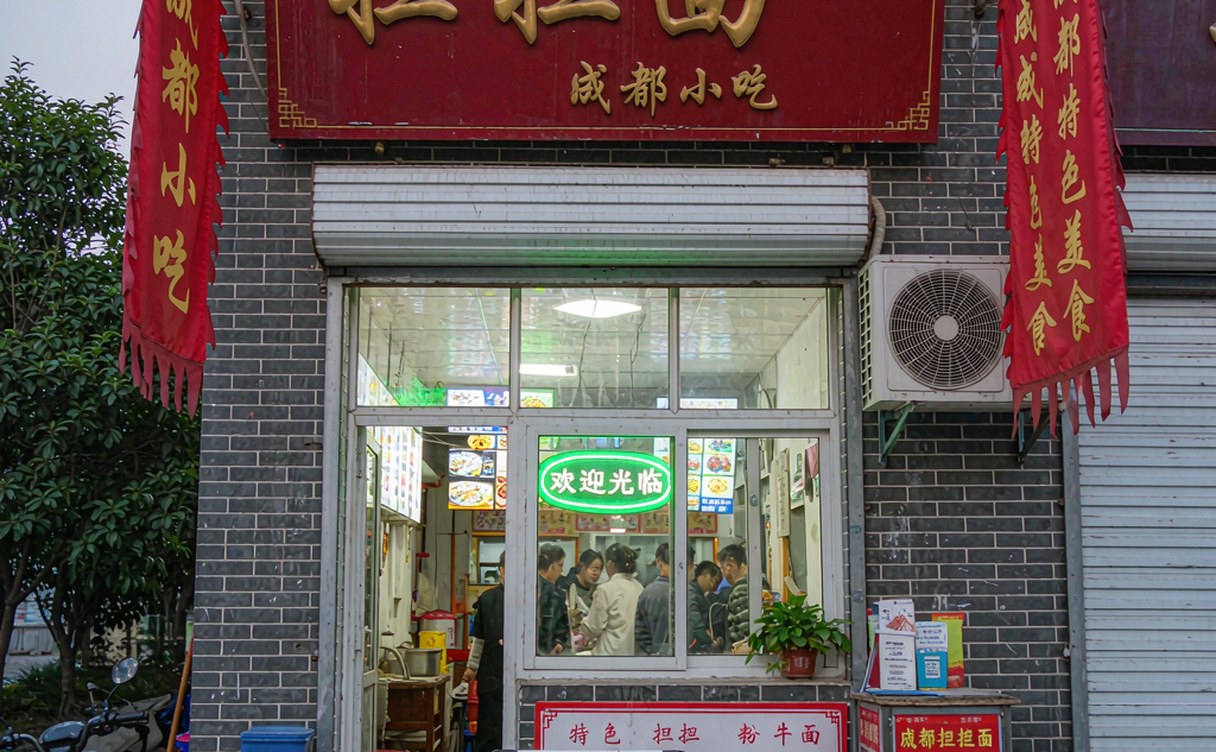
The Flavor Logic of Sichuan Snacks
Two things define the region’s taste: mala and umami. “Ma” is the tingling numbness from Sichuan peppercorn, a spice that numbs the lips without heat, and “la” is chili. Together they create the famous mala buzz. Underneath sits a deep savory base of fermented broad beans, soy, sesame, and pickles. What surprises first-timers is the range beyond pure fire: many snacks are sweet, sour, or nutty, and the best vendors balance all of it in a single bowl.
The Sichuan cuisine overview on Wikipedia traces the style back centuries and explains the use of preservation techniques that turned humble ingredients into the layered flavors the province is now famous for worldwide.
Reading a Sichuan Snack Menu
Menus rarely translate the nuance between preparations, so a few rules help a great deal. “Hong you” means red chili oil and is the default dressing for noodles and dumplings, while “qing” signals a clear, mild broth for the cautious eater. Dishes labeled “ma” promise that peppercorn tingle, and “su” marks a vegetarian version when meat is off the table. Watching what locals order is the fastest teacher: a table crowded with small bowls means you are in the right spot, and vendors will happily point to their bestseller if you hold up your phone to translate. Building this small vocabulary turns a confusing counter into a confident order, and it keeps the spice level where you want it rather than where the kitchen assumes you do.
Sichuan Street Food You Must Try
The classics below show up at markets, train stations, and hole-in-the-wall shops across Chengdu and beyond.
- Dan dan noodles. Wheat noodles tossed with chili oil, minced pork, preserved vegetables, and a little sesame. Originally a street peddler’s dish carried on a pole, it is salty, spicy, and addictive in small portions.
- Zhong dumplings (Zhong shui jiao). Pork dumplings in a sweet-spicy soy and chili sauce with a hint of garlic. Softer and saucier than the boiled dumplings elsewhere in China.
- Chuanchuan xiang. Skewers of meat, tofu, and vegetables cooked in a shared broth and dipped in spice — essentially hotpot on a stick, and far more casual.
- Liangfen. Cool, jelly-like squares made from pea or mung bean starch, dressed with chili, vinegar, and crushed peanut. A refreshing break from heat.
- Fuqi feipian (“husband-and-wife lung slices”). Despite the name, it is thinly sliced beef and offal in a red chili and sesame dressing. No lungs in the modern version, just tender slices.
- Sweet water noodles (Tianshui mian). Thick noodles in a dark, sweet soy and chili sauce — the gentle entry point for cautious eaters.
For the city itself, our Chengdu travel guide maps the neighborhoods where these snacks cluster, and our Chengdu food guide lists specific stalls worth the walk.
What to Eat in Sichuan Beyond the Bowl
Snacks are not only noodles. Keep an eye out for these on any wander.
- Long chao shou. “Dragon wontons” in a mild, fragrant broth, a soothing counterpoint to the spicy stuff.
- Bingfen. A trembling clear jelly made from the plant of the same name, served with brown sugar water and crushed ice. The ultimate summer cooler.
- Three-cannon rice cakes (San pao). Sticky rice balls hurled onto a drum to make a bang, then rolled in soy and sugar. More theater than flavor, but a Chengdu staple.
- Grilled olfactory tofu. Fermented tofu grilled until crisp, with a strong aroma that locals love and newcomers either embrace or avoid.
- Sichuan sausage and bacon. Smoky, lightly sweet cured meats sold by the slab in winter markets.
If hotpot still calls you, our Chengdu hotpot guide covers how to order the broth and survive the spice, which pairs naturally with a day of lighter snacking.
Sichuan Snacks for Foreigners: Ordering Without Fear
Spice anxiety is the main barrier, and it is easy to manage. Learn three phrases: “bu la” (not spicy), “wei la” (a little spicy), and “zhong la” (medium spicy). Most snack shops can dial the chili down, though some preparations, like Luosifen-style items, are fixed. Pointing at a neighbor’s bowl and holding up fingers works when language fails, and translation apps with camera mode read most menus.
Allergies deserve a written note, since sesame, peanut, and gluten appear constantly. Our street food in China safety guide explains water, ice, and hygiene basics that keep a snack crawl comfortable rather than risky.
Best Sichuan Snacks by Time of Day
Chengdu eats around the clock, and the snacks suit different moments.
- Morning. Soy milk and youtiao (fried dough) or a quick bowl of sweet water noodles near the metro.
- Afternoon. Liangfen or bingfen for something cool, plus a sticky rice cake from a teahouse street.
- Evening. The night markets take over: dan dan noodles, skewers, dumplings, and grilled tofu in one noisy stretch.
Our China night markets guide explains the general etiquette of these evening scenes, from bargaining to sharing tables, which applies as well in Chengdu as anywhere.
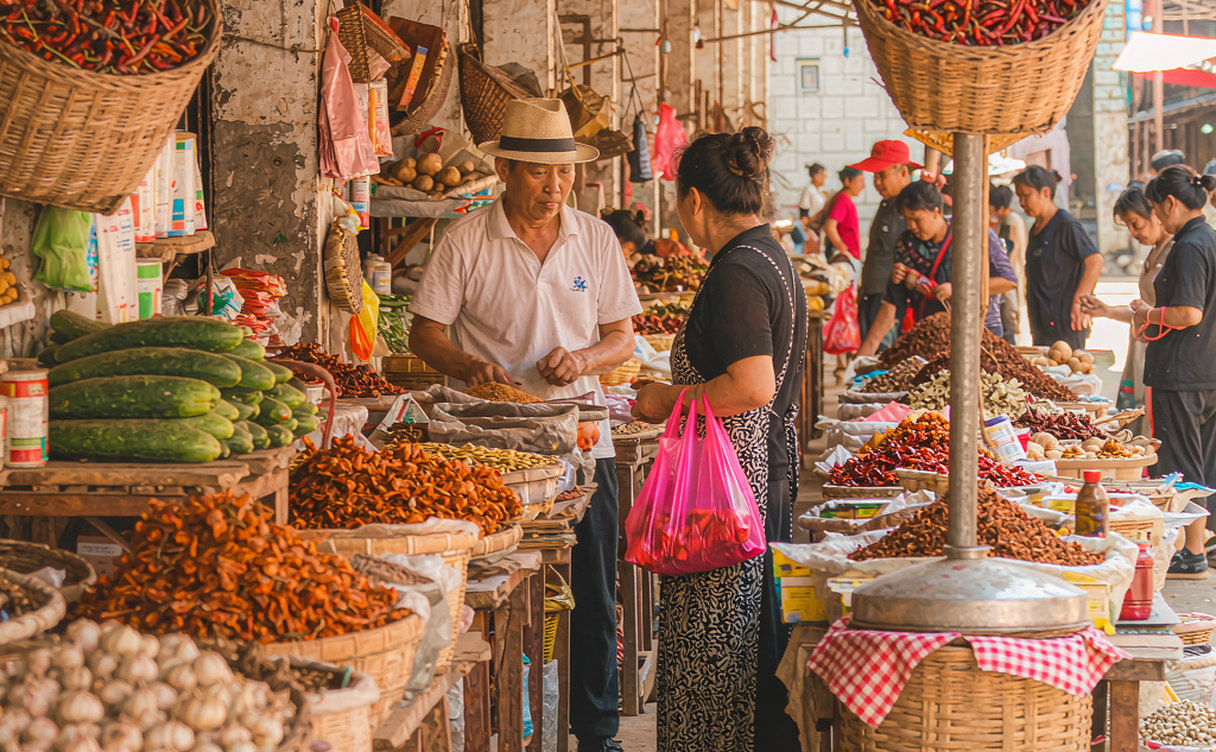
Chengdu Street Snacks: Where to Go
The famous spots are Jinli Ancient Street and the Kuanzhai (Wide and Narrow) alleys, both restored lanes packed with snack counters and easy for first-timers. For a more local feel, the areas around the university and the smaller neighborhood markets offer lower prices and fewer photo-taking crowds. Wuhou Shrine’s vicinity and theJinli side streets are reliable, but wandering almost any busy residential block after six in the evening will surface a cart selling something worth trying.
A Snack Crawl Plan
Pick one neighborhood and commit to grazing. Start with a mild bowl (sweet water noodles), move to dan dan noodles, then a skewer or two, pause with bingfen, and finish on dumplings. That order lets your palate adjust before the chili peaks, and the cool finishes keep you from overheating. Two hours is plenty for a satisfying first crawl, and you will spend little compared with a restaurant dinner.
Practical Tips
Carry small cash and a phone with mobile pay set up; the best carts often take only one or the other. Wipes and hand sanitizer are useful since seating is often casual. Pace yourself — Sichuan snacks are rich, and five in a row is more than enough for a first night. Drink sugar cane juice or beer to cut the numbness if the peppercorn builds up, and save a plain rice dish for the end if your stomach is sensitive.
Final Thoughts
Sichuan snacks are the most social, lowest-commitment way to meet the region’s famously bold cooking. You do not need a reservation, a big appetite, or a high spice tolerance to enjoy them — just curiosity and a willingness to point at the next tempting bowl. Step past the hotpot once, and Chengdu’s alleys will feed you a dozen small joys you did not expect. The mala buzz fades, but the memory of a perfect dan dan noodle at a plastic stool by the road tends to stick.