

Most people who drive the Anhui stretch between Huangshan and the Yangtze pass right through Shitai without stopping, and on our first scouting trip we nearly did the same. Then a local pulled us off the road at a bend in the Qiupu River and pointed upstream at a misted gorge, and we understood why the Tang poet Li Bai wrote so many poems about this water. Shitai is a small county in Chizhou City, tucked into the mountains of southern Anhui, and it’s one of the least spoiled green corners of the Huizhou region. This Shitai travel guide is what we now hand to clients who want water, caves and old forests without the Huangshan crowds.
The county’s calling card is water. The Qiupu River (秋浦河) runs clear and green through a valley so pretty that Li Bai composed his famous “Qiupu Songs” here more than 1,200 years ago. Today you can raft or simply walk the riverside paths, and on a still morning the reflections of the limestone hills are near perfect. Shitai is also officially recognized as a “longevity township” in China — locals credit the clean air, the selenium-rich soil and the slow rhythm of village life, and you’ll see a remarkable number of villagers in their nineties still working the terraces.
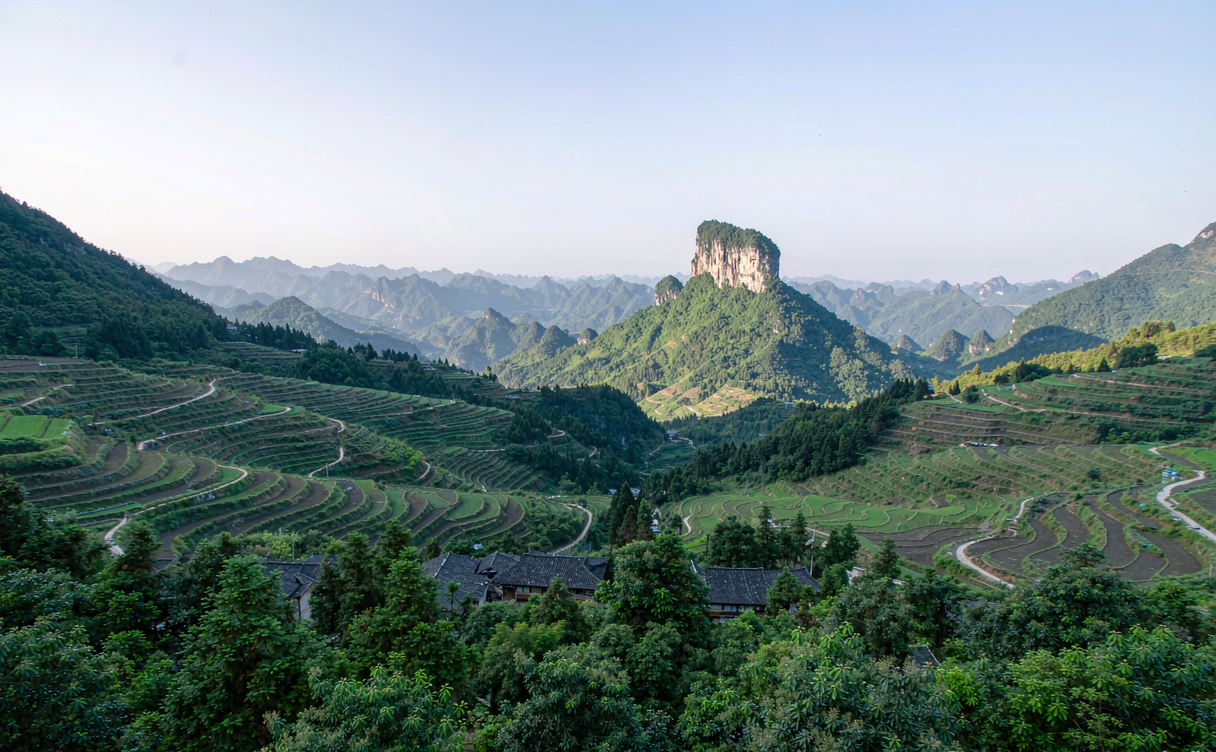
The headline natural sight, and the one most visitors come for, is Shitai Guniujiang, the main tourist face of the Guniujiang National Nature Reserve. The Shitai side holds the developed scenic gate, with boardwalks, a shuttle bus and a string of waterfalls and pools (entrance about ¥100 plus a ¥20 shuttle). At 1,728 m the main peak is the high point of central Anhui south of the Yangtze, and the forest here is genuinely primeval — we’ve stood on a ridge where the only sound was running water and the knock of bamboo. It’s shared with neighboring Qimen, but the Shitai entrance is the one most tour operators use because the trails are better maintained.
For higher, wilder walking, Shitai Xianyu Mountain (仙寓山) rises to 1,376 m and carries one of the best-preserved sections of the ancient Huizhou trade road (古徽道), a stone-paved mule track that once linked Anhui to Jiangxi. We walked a stretch near Jugen Ridge and met villagers from the selenium-rich mountain hamlets who still farm tea and chestnut on terraces their great-grandparents built. Entrance runs about ¥80, and the climb to the old road is a half-day that rewards you with long views and almost no other hikers.
The best time to visit Shitai is April to May or September to November. Spring brings mild weather, green terraces and the clearest river; autumn gives dry trails and golden light on the limestone. Summer is lush but hot and humid, with sudden thunderstorms that can swell the river, and we steer families away from the plum-rain weeks of mid-June when paths get slick. Winter is cold and very quiet — good for photography, but some mountain lodges shut.
How to get to Shitai is the one wrinkle. The county has no high-speed rail station of its own, so the easy approach is to ride the Nanjing–Anqing line to Chizhou Station (池州站) and then take a bus or taxi southwest for about 1.5–2 hours (¥30–50 by bus, ¥200–300 by car). From Huangshan’s Tunxi side, long-distance buses run roughly every hour and take about 2 hours for ¥35–50. The nearest airports are Huangshan Tunxi International (TXN) and Anqing Tianzhushan (AQG), each about two hours away by road. We usually tell clients to treat Shitai as a two-night stop between Huangshan and the Yangtze cities rather than a standalone long-haul, because the buses are slow and a rental car makes the mountain sights far easier.
Things to do in Shitai go well beyond the two big peaks. The Penglai Fairy Cave (蓬莱仙洞) is a large limestone cavern with colored lighting and chambers big enough to lose your voice in — ticket about ¥80 — and the nearby Dawang Cave (大王洞) is longer and less crowded if you want stalactites without the tour-group commentary. The mountain hamlet of Dabashan is the famous selenium village where locals serve simple farm meals heavy on mountain yam and free-range chicken for under ¥60 a head. We’ve sent photographers to the Qiupu bends at dawn and they came back with the best frames of the whole Anhui trip.
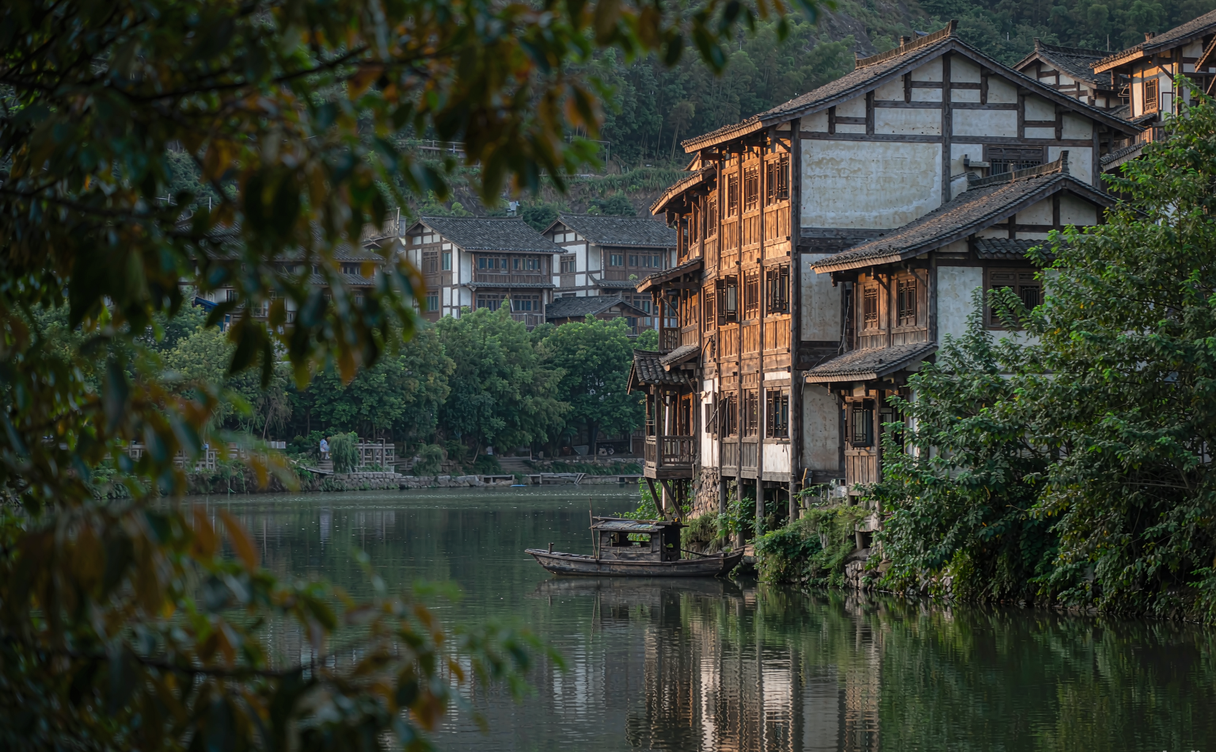
A workable Shitai travel itinerary runs three days. Day 1: arrive from Chizhou or Huangshan, settle into a riverside guesthouse, and walk the Qiupu at dusk. Day 2: Guniujiang for a full day of forest and waterfalls, with a late lunch in the gate village. Day 3: Xianyu Mountain and the ancient road in the morning, the Penglai Cave in the afternoon, and a bus back toward Huangshan or onward to the delta. Realistic daily spend for two is about ¥200–350 transport, ¥300–500 lodging, ¥200–300 food and tickets.
Where to sleep ranges from the county-town hotels (¥250–400) to riverside and hillside stays like those in our China eco-lodges guide, where you fall asleep to the river and wake to mist for ¥400–700. We book the riverside place in the township of Renli so the Qiupu is a two-minute walk from the door.
For planning a wider loop, the Huangshan Yellow Mountain guide is the natural anchor to the east, and the Xidi ancient village guide shows the merchant towns that sit between the peaks. The Shexian travel guide covers the best Huizhou architecture, while the China tea tour guide ties Shitai’s mountain teas into the bigger leaf trail. If your trip starts in the delta, our Hangzhou travel guide is the city base before you head into the hills.
Eating in Shitai is honest mountain cooking. The Qiupu yields small, sweet river fish grilled over charcoal and dressed with chili and wild herbs, while the selenium villages serve free-range chicken stewed with mountain yam and wood-ear mushrooms. A farmhouse lunch for two is ¥80–150, and the county town has a small night market of grilled skewers and rice cakes under ¥40 a head. We tell clients to try the preserved-pork hotpot at least once — it is the dish that explains why locals live long on simple food.
One practical tip for drivers: fuel up in Chizhou or Huangshan before the last stretch, because the county’s few stations keep short hours and the mountain hamlets have none. Mobile coverage drops to patchy once you are past the scenic gates, so download offline maps and your hotel address in Chinese before you leave the city. We also carry a small cash buffer, since the village spring hotels and roadside stalls rarely take cards.
A straight-talk warning we always pass on: Shitai’s mountain roads are narrow and twisty, and in heavy rain the Guniujiang shuttle sometimes pauses for safety, so don’t book a same-day connection out of the county after a stormy forecast. Also, the cave lighting is bright and commercial — if you want raw nature, spend your energy on Guniujiang and Xianyu instead. The county’s setting and the Qiupu’s literary history are outlined on Wikipedia’s Shitai County page, useful background before you go.
In the end, Shitai is the Anhui that doesn’t perform for coaches: a green river that inspired a poet, a forest that predates the tourism, and villages where people simply live long. Add it between the mountain and the city and you’ll leave with a fuller, quieter picture of southern Anhui.