

Qingxiu Mountain Nanning is a large forested scenic area on the southeastern edge of Nanning, the capital of Guangxi in southern China. It is a green belt of hills, gardens, temples, and lakes that rises beside the Yong River, offering shade, fresh air, and skyline views just minutes from the city center. Visitors come to walk tree-lined paths, climb to a prominent pagoda, and enjoy botanical gardens that stay cool even in summer. For travelers building a southern China plan, this spot is one of the easiest and most refreshing Nanning attractions. This guide explains what the park is, how to reach it, when to go, and what to see on a relaxed half or full day out.
Overview
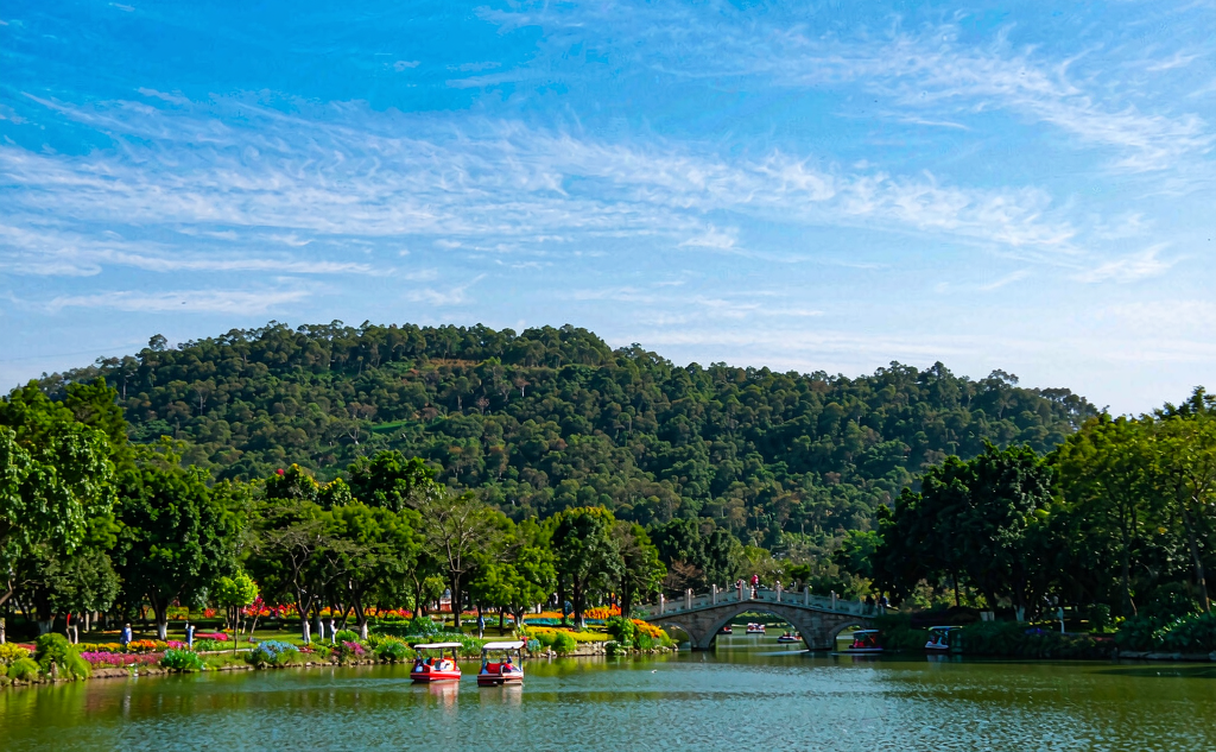
The mountain area is not a single peak but a sprawling park that covers several square kilometers of low green hills. It has been shaped over many years into a public landscape of themed gardens, quiet temples, open lawns, and a calm lake, all connected by walking trails and a shuttle road. The highest points give sweeping views across Nanning’s modern skyline and the winding Yong River below.
Because the site sits inside the city, it works as both a quick morning escape and a longer nature day. Many people pair it with a stroll through the old town or an evening food walk, since the mountain is only a short ride from central districts. If you are sketching a wider route, our Guangxi 7-day itinerary maps Nanning as a smart gateway stop before the karst towns farther north.
How to Get There in Nanning
Getting to Qingxiu Mountain is straightforward because the park has its own metro station on Line 3. Ride the subway to Qingxiu Shan station and use the marked exit; from there a short walk brings you to the main north gate entrance. The metro is the most reliable choice during morning and evening rush hours when roads near the river get busy.
Taxis and ride-hailing apps also reach the gates directly from most central hotels, and the drive from the train station usually takes under forty minutes in light traffic. If you prefer buses, several city lines stop near the entrances, though schedules are less predictable for first-time visitors. Learning the local transit rhythm early makes any later how to get to Qingxiu Mountain plan feel effortless on return visits.
Best Time to Visit
The most comfortable season is autumn, from October to early December, when temperatures ease and humidity drops. This window is widely considered the best time to visit Qingxiu because the gardens stay colorful and the walking trails are pleasant from morning to late afternoon. Spring is also good, with fresh leaves and flower displays, though occasional showers are possible.
Summer brings heat and heavy afternoon rain, so if you travel then, start early and keep to shaded paths. Winter is mild compared with northern China and rarely sees frost, making it a calm low-season option with fewer crowds. Either way, weekdays are quieter than weekends, when local families fill the lawns and lakefront.
What to See
Temples and the Pagoda
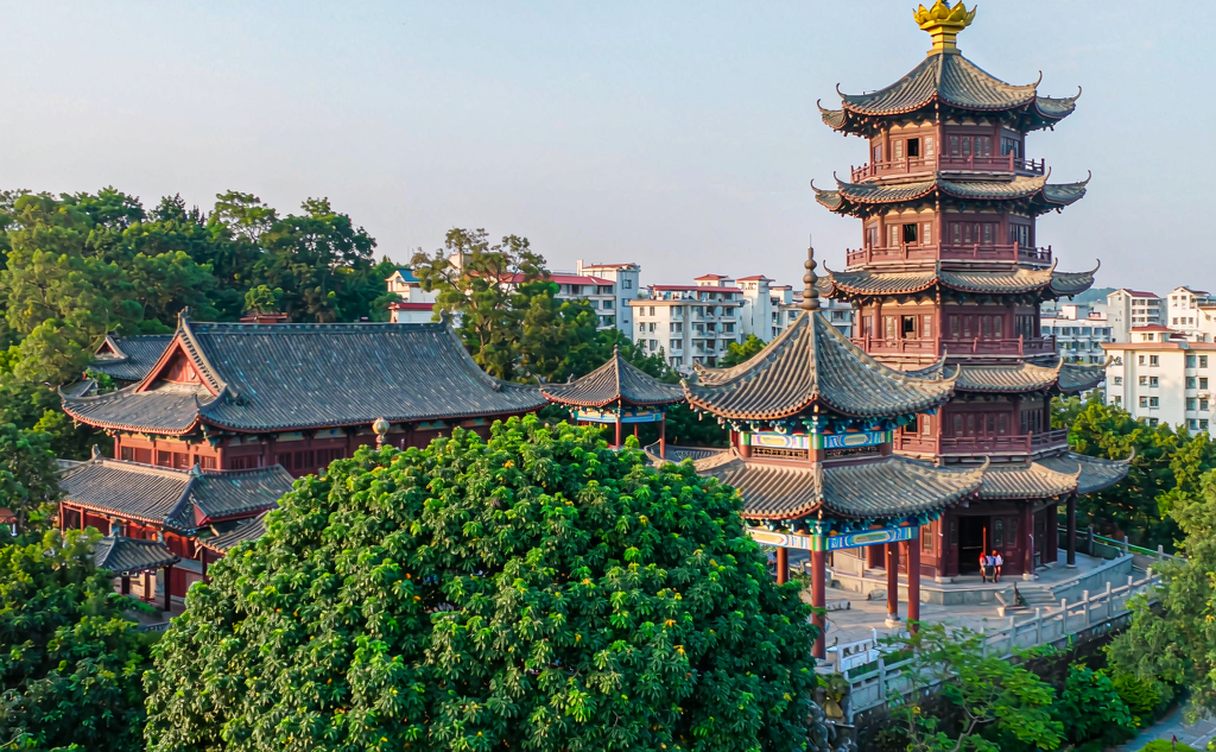
The most recognizable landmark is the tall lotus-shaped pagoda that crowns one of the hilltops. Climbing it rewards you with a wide view over the river and the city, and the structure is a favorite photo stop. Nearby, a restored temple complex offers a quiet place to pause, with incense, carved detailing, and shaded courtyards that contrast with the open forest trails.
Gardens
Themed gardens are the heart of the experience for many visitors. The palm and tropical sections show off Guangxi’s warm-climate plants, while seasonal flower beds change through the year. A large area is devoted to rare local tree species, which makes the park feel more like a botanical reserve than a typical city hill.
The Lake
A central lake reflects the surrounding greenery and gives the park a calm, open focal point. Paved paths circle the water, and there are benches for resting in the shade. Early morning is the best moment here, when mist can linger over the surface and the only sounds are birds and distant temple bells.
Where to Stay
Most visitors stay in central Nanning and make a day trip to the mountain, since the ride is short and frequent. The areas near the main commercial district and the riverside offer the widest choice of hotels, from international chains to local boutique stays. If you want to be closer to nature, a few hotels sit within easy reach of the park’s edge, though selection is thinner than downtown.
For travelers continuing to other parts of the region, it is worth planning accommodations together with your route. Our best hotels in Guilin guide covers a nearby highlight that pairs well with a Guangxi circuit, and many visitors link the two cities by high-speed train.
Want a seaside add-on after the hills? Our Beihai travel guide shows how to reach Guangxi’s coast from Nanning by train.
Travel Tips
Wear comfortable walking shoes because the park is large and distances between gates are real. Bring water, a hat, and sunscreen in warmer months, and consider the internal shuttle if you want to save energy for the hilltop views. Arriving at opening time helps you beat both the heat and the weekend crowds.
Buy your ticket at the official entrance or a trusted platform before you go, and keep some cash in case small vendors near the gates do not take cards. The park is family friendly, with flat sections suitable for strollers, but the pagoda climb involves steps. Afterward, dive into the local kitchen scene using our Guangxi cuisine guide to find the dishes that define the south. A light rain shower can actually improve the atmosphere, washing the leaves and thinning the crowds, so do not let a grey forecast cancel your plans.
FAQ
How long should I spend at Qingxiu Mountain?
Most visitors spend three to five hours, enough to see the pagoda, gardens, and lake without rushing. A half day fits easily into a Nanning schedule.
Is Qingxiu Mountain good for kids and older travelers?
Yes. Flat garden paths and the shuttle make it accessible, while the pagoda steps are optional. The lakefront and themed gardens are easy for all ages.
What is the entrance fee and opening time?
The park generally opens in the morning and closes in the evening, with a modest ticket price that varies by season. Check the official site before your visit for current hours and rates.
Can I visit Qingxiu Mountain and Beihai on one trip?
Absolutely. Many travelers combine Nanning with the coast, and a short train ride to Beihai adds a beach break after the city.
Ready for a dramatic natural wonder? Our Detian Waterfall guide places a border waterfall just a few hours from Nanning on your Guangxi plan.
Qingxiu Mountain is one of those rare places where a forested escape sits right at a city’s doorstep. Whether you come for the pagoda view, the gardens, or a slow walk by the lake, it rewards a relaxed pace. For background on the province’s cultural landscape, the official China tourism authority describes Guangxi as a region known for karst scenery and diverse ethnic heritage.
According to Britannica’s regional overview, Guangxi’s subtropical climate supports the lush vegetation that makes places like this mountain so inviting Britannica: Guangxi. If a calm imperial-style garden appeals more than a forest hill, Beijing’s Beihai Park draws an interesting contrast between northern and southern park design.
Prefer a calm imperial garden over a forest hill? Our Beijing Beihai Park guide shows how northern park design compares with Guangxi’s green escapes.