

Mohe Arctic Village, known locally as the country’s northernmost settlement, sits at the very top of Heilongjiang Province in far northeastern China, just a short distance from the Russian border. This remote hamlet draws travelers who want to stand at the edge of the nation and experience a winter world of deep snow, frozen rivers, and some of the coldest temperatures in the country. It is most famous for its chances of seeing the aurora borealis and for its long, theatrical cold season that turns the landscape into a shimmering white frontier. For anyone building a Mohe Arctic Village guide, the essential facts are simple: it is where China meets the Arctic-like cold of the Amur River valley, and it rewards visitors who come prepared for extreme weather.
Overview
Mohe Arctic Village lies roughly 1,650 kilometers northeast of Beijing and is the closest place in China to the Arctic Circle in spirit, if not in latitude. The village is part of Mohe City in the Greater Khingan Range, a forested region of larch and birch that glows gold in autumn and freezes solid in winter. Its nickname, “China’s Arctic Village,” comes from its position as the northernmost permanently inhabited place in the country.
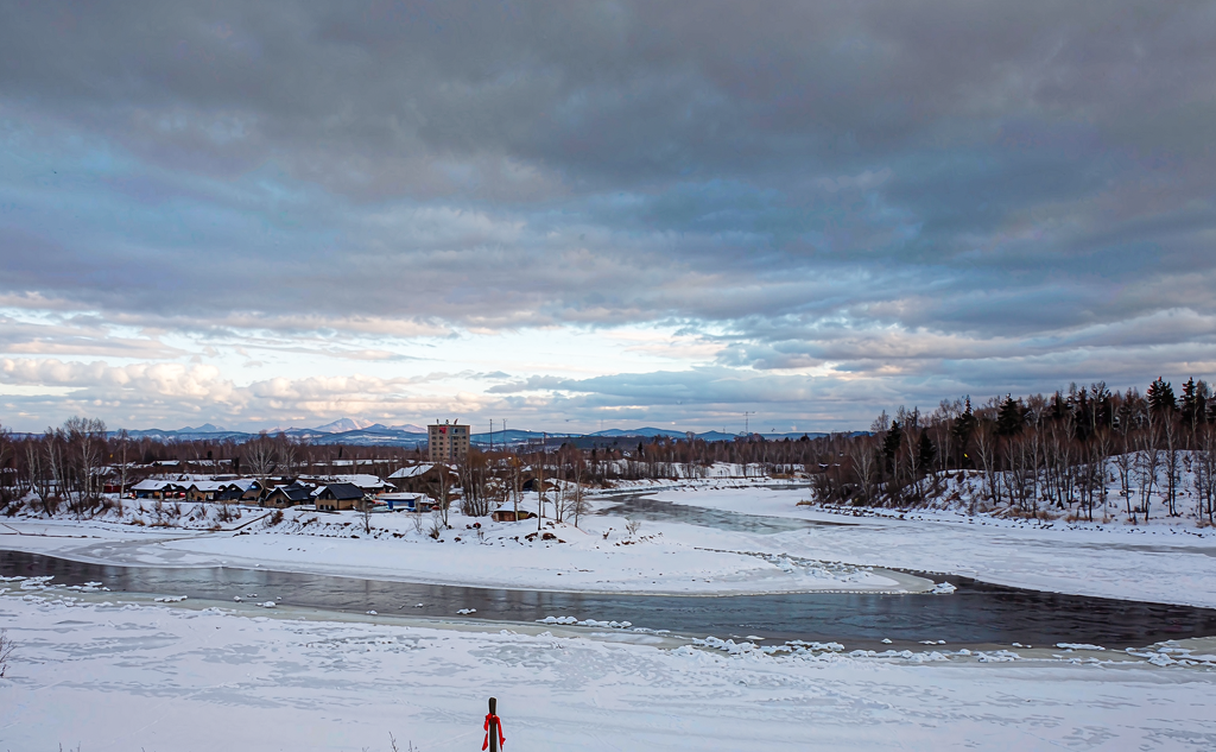
The settlement stretches along the banks of the Amur River, which forms the natural boundary between China and Russia. On a clear day you can see the opposite shore, and in winter the river freezes so thoroughly that locals treat it as an extension of the land. This frontier character, combined with long summer daylight and equally long winter nights, gives the village a singular atmosphere found nowhere else in China.
How to Get There from Harbin
Most travelers reach Mohe by first flying or taking the train to Harbin, the capital of Heilongjiang and the usual gateway to the north. From Harbin you have two main options for the final leg. The fastest is a domestic flight from Harbin to Mohe Airport, which takes about two hours and runs more frequently in the winter season. The more scenic and budget-friendly choice is the train, including the famous overnight “Snow Village” rail routes that let you watch the taiga slide past your window.
Once you arrive in Mohe, Arctic Village is roughly 80 kilometers north and is reached by bus or private transfer along a snow-packed road. Because public transport thins out in the off-season, many visitors pre-book a driver through their hotel. A complete how to get to Mohe Arctic Village plan should budget a full day of travel from Harbin, with an overnight stay there recommended before pushing further north.
If you begin your journey in Harbin, it is worth spending a night or two in the city first. You can explore Harbin Central Street for its European-style architecture and warm cafes, then sample local flavor with a Harbin food guide before heading into the deep cold.
Planning the rail or flight connection from Harbin? Check our best hotels in Harbin so you can rest well before the long trip north.
Best Time to Visit and Aurora Season
The best time to visit Mohe depends entirely on what you want to see. Winter, from December through February, is the headline season. Temperatures routinely fall below minus thirty degrees Celsius, and the snow cover is reliable. This is also when the aurora is most often reported, because the long, dark, clear nights create ideal viewing conditions.
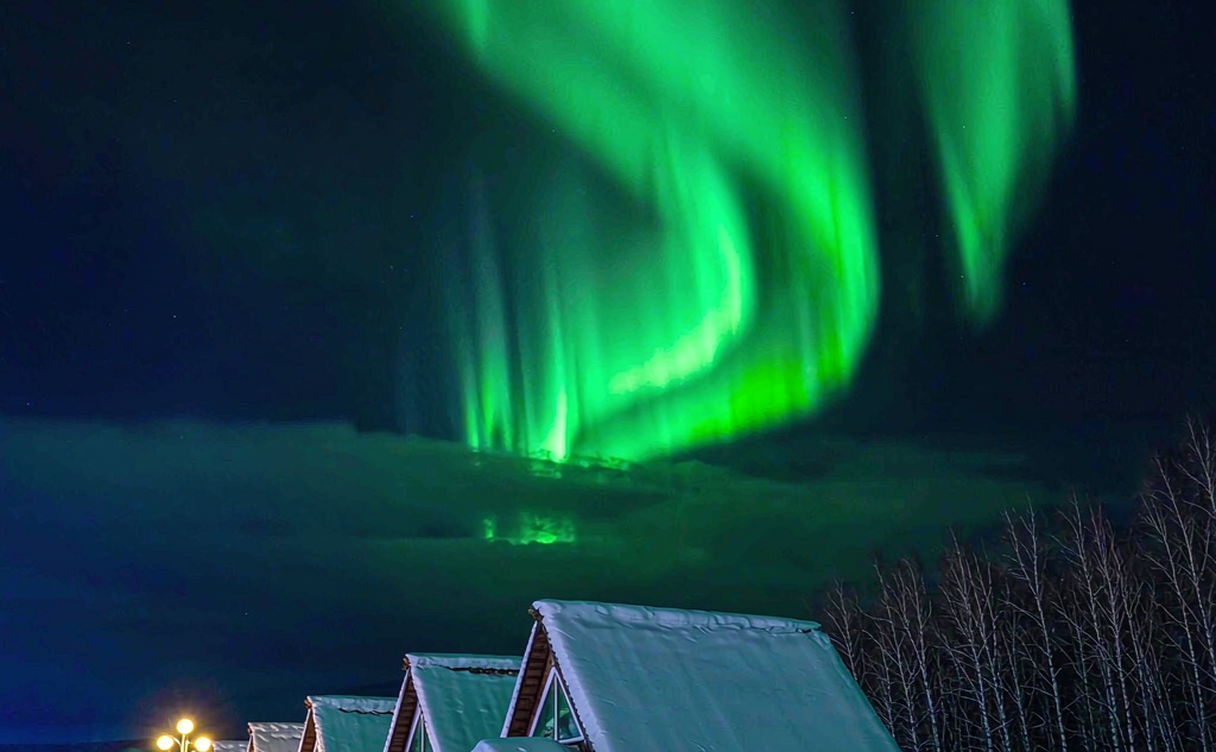
The aurora at Mohe is a natural display of the northern lights, visible only on rare geomagnetic-active nights, usually between late autumn and early spring. Unlike the grim midnight sun of the true Arctic, Mohe offers a gentler version: a few hours of twilight even in deep winter, which actually makes the colored skies easier to photograph. Summer, by contrast, brings the “White Nights” phenomenon, when the sun barely sets and the forests turn lush and green.
For travelers who also love ice sculpture, timing a Mohe trip alongside the Harbin Ice Festival travel guide lets you enjoy two very different frozen wonders in a single Heilongjiang journey. The region sits within a subarctic climate zone that produces its extreme seasonal swings, as documented by Britannica.
What to Do and Cold-Weather Experiences
Standing at the northernmost point marker is the classic photo stop, and the village has built a small tourism strip around it with signage declaring “the northernmost post office,” “the northernmost school,” and similar curiosities. These playful labels make the geography feel tangible for first-time visitors.
Snow activities dominate the winter menu. You can ride a horse-drawn sled across the frozen Amur River, watch fishermen cut holes in the ice for the local catch, or simply walk the wooden boardwalks beneath drifting snow. At night, the hope of a Mohe aurora keeps many visitors awake and outdoors, scanning the sky for green and violet ribbons.
The surrounding taiga also offers dog sledding and cross-country ski trails for the more active. In warmer months the same forests are perfect for hiking and berry picking, proving the village is not only a winter destination. Either way, dressing in layered thermal gear is non-negotiable, as the cold bites quickly once the sun dips.
Where to Stay
Accommodation in and around the village ranges from rustic timber lodges to warmer, modern guesthouses with heated floors. Many properties are built in the local style, with thick wooden walls designed to hold heat against the brutal nights. Staying inside the village itself puts you closest to the aurora viewpoints and the northernmost markers.
Booking ahead is wise during the Chinese New Year and winter holiday peak, when rooms fill fast. If you prefer a softer landing, consider sleeping in Mohe City or Harbin and making a day trip, though you will sacrifice the late-night sky shows. For an unusual treat, some travelers pair their northern adventure with a night in a Harbin ice hotel guide on the way home, sleeping inside a sculpted frozen chamber before returning south.
Want a warm, characterful base before the cold? Browse our best hotels in Harbin guide and plan a comfortable two-night stopover on your route north.
Travel Tips
Pack serious cold-weather gear: thermal base layers, insulated boots, windproof outer shells, and chemical hand warmers. Smartphone batteries drain fast in extreme cold, so keep a power bank inside an inner pocket. Cash is still useful in small villages where card readers can fail.
Acclimatize gradually if you come from a warm climate; the dry cold can surprise first-timers. Respect the border zone, stay on marked paths near the river, and never attempt to cross the frozen boundary. Local guides are affordable and greatly improve both safety and your odds of catching the lights.
Finally, set realistic aurora expectations. The display is a gift of nature, not a guarantee, so plan other activities so the trip is rewarding even on a cloud-covered night. A flexible itinerary is the smartest of all Mohe travel tips.
FAQ
Is Mohe Arctic Village really the northernmost point in China?
Yes. It is the northernmost permanently inhabited settlement in the country, sitting closer to the Russian border than any other Chinese town, though the absolute geographic extreme is a nearby marker on the river.
When can I see the aurora in Mohe?
The best chances fall between late autumn and early spring, with the clearest, darkest nights in December through February. Even then, sightings depend on solar activity and weather.
How cold does it get?
Winter lows commonly reach minus thirty degrees Celsius or lower. Proper thermal clothing is essential for comfort and safety.
Do I need a visa or special permit?
No special border permit is required for the village itself, but you must hold a valid China visa if your nationality requires one. Always carry your passport.
Can I visit in summer?
Absolutely. Summer brings mild weather, green forests, and the “White Nights” of near-round-the-clock daylight, a completely different experience from the snowy season.
Ready to build your full Heilongjiang route? Start with Harbin Sophia Cathedral for a historic city highlight, then head north to the snow and lights of Mohe.