

We’ve taken photographers and history buffs to Panjiakou (潘家口) for years, and there’s nothing else quite like it in China: a Ming-dynasty stretch of the Great Wall that was deliberately flooded in the 1970s when the Panjiakou Reservoir was built, so that today you see grey watchtowers and crenellated wall rising straight out of a green mountain lake. This Panjiakou Great Wall guide is based on our own trips — the boat ride to the half-submerged ramparts, the autumn light on the red hills, and the quiet of a place that most foreign visitors have never heard of. If you want the Great Wall without the crowds at Badaling, the drowned Great Wall China offers is unforgettable, and it rewards a slow, camera-first approach.
The wider Great Wall is, of course, a UNESCO World Heritage site; background on its extent and history is at UNESCO: The Great Wall.
Getting there: the Panjiakou reservoir Hebei approach
Panjiakou sits on the Luan River (滦河) in northern Hebei, split between Qianxi (迁西) and Kuancheng (宽城) counties. There’s no train to the reservoir itself, so you come by road. From Tangshan it’s about 1.5–2 hours (¥200–¥300 / $28–$42 by car); from Chengde roughly 2 hours; and from Beijing around 3 hours (¥600–¥900 / $85–$125 with a driver, depending on vehicle and wait time). The nearest railheads are Tangshan or Chengde on the high-speed network, then a private car or bus to Qianxi County and a taxi the final 30–40 minutes to the lakeshore. Buses run from Tangshan to Qianxi roughly hourly for ¥40–¥60 ($5–$8), then a ¥60–¥100 ($8–$14) taxi to the water. For the classic wall context, start with our Great Wall of China guide, which frames where Panjiakou fits in the wider defensive line.
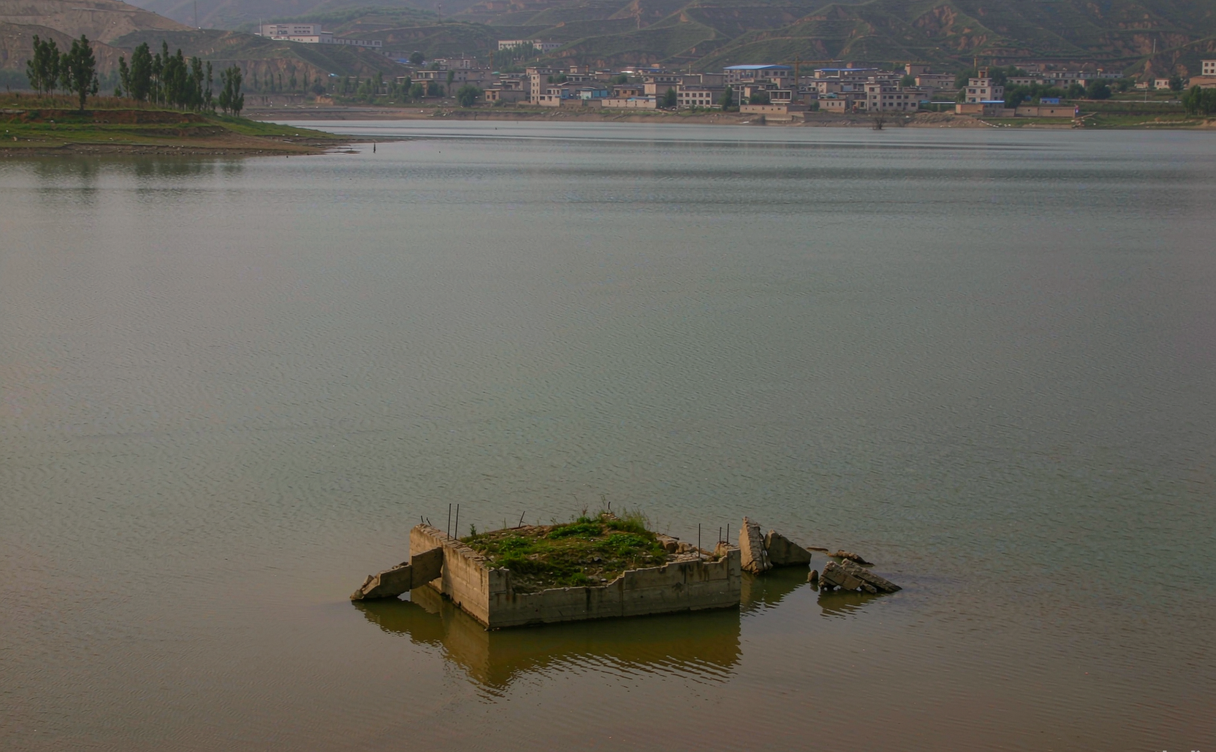
Best time to visit and Panjiakou photography
Autumn (October) is the sweet spot: the reservoir water is usually clear and low enough to show more wall, and the hills turn red and gold — perfect for Panjiakou photography. Late September to early November gives the best combination of low water and color, and weekday mornings are nearly empty. Winter brings a frozen lake and stark towers, dramatic but brutally cold, with boat access limited. We’d avoid July–August, the flood season, when high water hides more of the wall and boat trips can be cancelled on short notice. Mornings have the calmest water and best reflections; arrive by 8 a.m. for the glassy shots before the wind picks up. A Panjiakou day trip is best timed for a clear October weekday, when you’ll often have the boat to yourself.
Things to do: the Panjiakou underwater Great Wall
The main experience is a boat trip from the Panjiakou reservoir lakeshore out to the submerged 喜峰口 (Xifengkou) section. The reservoir was dammed in the late 1970s and filled through the early 1980s, deliberately drowning a valley that held both a Ming wall stretch and several villages, which is why the towers now stand in water. Wooden tour boats run when water and weather allow, roughly ¥50–¥100 ($7–$14) per person for a 1–2 hour circuit past towers poking from the surface. You can also hire a small fishing skiff from the 渔家乐 (fishing-family guesthouses) for closer, slower access — negotiate ¥150–¥300 ($21–$42) for a private run, and agree the return time in writing or by phone because coverage on the water is patchy. For the truly keen, local dive operators offer submerged-wall dives in the clear autumn window, though this needs advance arrangement, certification, and a buddy; visibility underwater is moody rather than clear, which is part of the appeal.
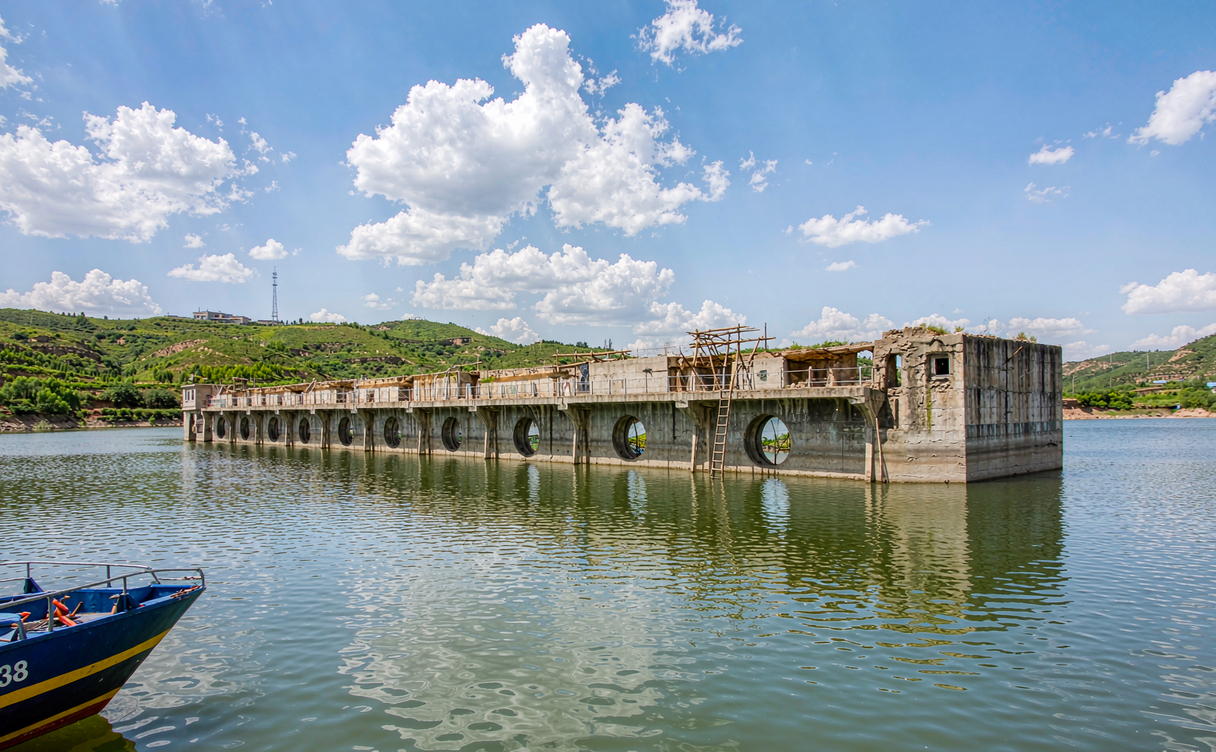
History adds weight: Xifengkou was a key pass in the 1933 Great Wall War (长城抗战), where the 29th Army’s big-sword brigade fought Japanese forces — there are memorials on the accessible eastern bank that you can visit on foot. The drowned wall itself is Ming, built in the 16th century to guard the route north of the capital, and the towers you see are typical of that period: solid, square, and built to signal, not to house garrisons. We last took a client here on a still October morning and the only sound was the outboard and the wind in the pines. A Panjiakou day trip is best done from a Chengde or Beijing base; our Chengde travel guide explains the nearby mountain-resort city, and the Beijing first-time travel guide covers launching from the capital with a driver.
One practical note for photographers: the light on the eastern-bank memorial is best in the morning, while the open water and towers photograph better from mid-morning to noon once the sun clears the surrounding ridges. If you’re combining Panjiakou with Chengde, spend the prior night in the mountain-resort city and drive down early — it turns a three-hour Beijing slog into a relaxed two-hour hop and gets you on the water for the calm morning. We’ve found that clients who overnight in Chengde enjoy Panjiakou far more than those attempting it as a six-hour round trip from the capital, and the sunrise over the drowned wall is worth the early start.
Practical tips for photographers
Bring a wide lens for the towers-in-water compositions and a telephoto for compressing the wall against the red hills. A polarizer helps cut glare on the lake; a small drone is tempting but is restricted near the reservoir and the old border zone, so check with your boatman before launching anything. Wear layers — the water makes its own wind chill even in October — and pack water and a sandwich, because the lakeshore has little beyond simple noodle shops. Cash is essential for boats and guesthouses; mobile pay is unreliable here.
Want a lakeside wall without the diving? Our Huanghuacheng Great Wall lakeside guide covers a Beijing section where the wall meets a reservoir too.
Where to stay and bookability
There are basic 渔家乐 guesthouses and small hotels at the lakeshore (¥120–¥250 / $17–$35 a night) and more comfortable options in Qianxi town or Chengde. Book the boat and any guesthouse through a Chinese-speaking contact, as online listings are thin and English is rare. Bring cash and snacks; the lakeshore has little beyond simple noodle shops. Mobile coverage is patchy on the water, so settle the boat price and return time before you push off. In autumn the guesthouses fill with Chinese photography groups on weekends, so reserve ahead if you’re coming then.
Planning a heritage-focused trip? Our China UNESCO World Heritage guide lists other inscribed sites you can pair with the wall.
A sample Panjiakou day trip
06:30 — drive from Beijing or Chengde (allow 3 or 2 hours). 09:30 — arrive lakeshore, settle boat price, launch toward the Xifengkou section. 10:00–12:00 — circuit past the towers, shoot reflections, visit the eastern-bank memorial on foot. 12:30 — lakeside lunch at a 渔家乐 (¥40–¥80 / $6–$11 per person). 14:00 — drive back, or continue to Chengde’s mountain resort for the night. If you want a fuller wall immersion, Jinshanling pairs well as a restored-section counterpoint to the drowned ruins — do Jinshanling for the hike, Panjiakou for the surreal — and that restored walk rewards a separate day.
Need a driver for a Panjiakou day trip from Beijing? Message us via the Jinshanling Great Wall guide and we’ll set up the boat and timing.