

This Luzhou travel guide is for travelers who like their Chinese cities with a strong local accent — literally. Sitting where the Tuo River meets the Yangtze in southern Sichuan, Luzhou is best known as the home of Luzhou Laojiao, one of China’s oldest continuously produced baijiu, and as a relaxed river port that most foreign tourists skip entirely. If you want a Sichuan stop that isn’t Chengdu or Chongqing, the notes below cover the best time to arrive, how to get there, what to actually do, and how to drink the place in responsibly. A practical Luzhou travel plan usually slots the city in as a one- or two-night pause between the Sichuan basin and the Guizhou hills.
Best Time to Visit Luzhou
Luzhou sits in a humid subtropical pocket, so it is warm most of the year and muggy in July and August, when temperatures can push past 35°C with heavy nights. The most pleasant windows are spring (March to May) and autumn (September to November), when the river breeze takes the edge off and the city’s riverside walks are genuinely lovely. Spring also lines the streets with blooming trees, and autumn brings the clearest light for photography along the Tuo River embankment.
Avoid the deep summer if you dislike heat and humidity, and note that Chinese New Year turns the city lively but slows transport for about ten days. Because Luzhou pairs naturally with a Sichuan–Guizhou loop, many travelers read it alongside our Chengdu travel guide before heading south. The baijiu distilleries run year-round, but the cultural festivals around the harvest in October add tastings and folk shows worth timing for.
How to Get to Luzhou
Luzhou Yunlong Airport has flights from Chengdu, Chongqing, Guangzhou, and a few other hubs, and the airport sits about 20 km north of the center with taxis and buses into town. The more scenic and relaxed option is the high-speed train: Luzhou is on the line linking Chengdu and Chongqing with Guiyang, and rides from Chengdu take around 90 minutes. Trains from Chongqing are even shorter, making Luzhou an easy day-trip base if you stay in the municipality.
Long-distance buses connect Luzhou with Yibin, Zunyi, and the smaller river towns, but for comfort the train wins. Within the city, buses are cheap and DiDi is reliable; the core sights cluster near the Tuo River confluence, so most are reachable on foot from a central hotel. If you’re continuing downriver, our Yibin travel guide covers the next city where the Yangtze meets the Min River.
Things to Do in Luzhou
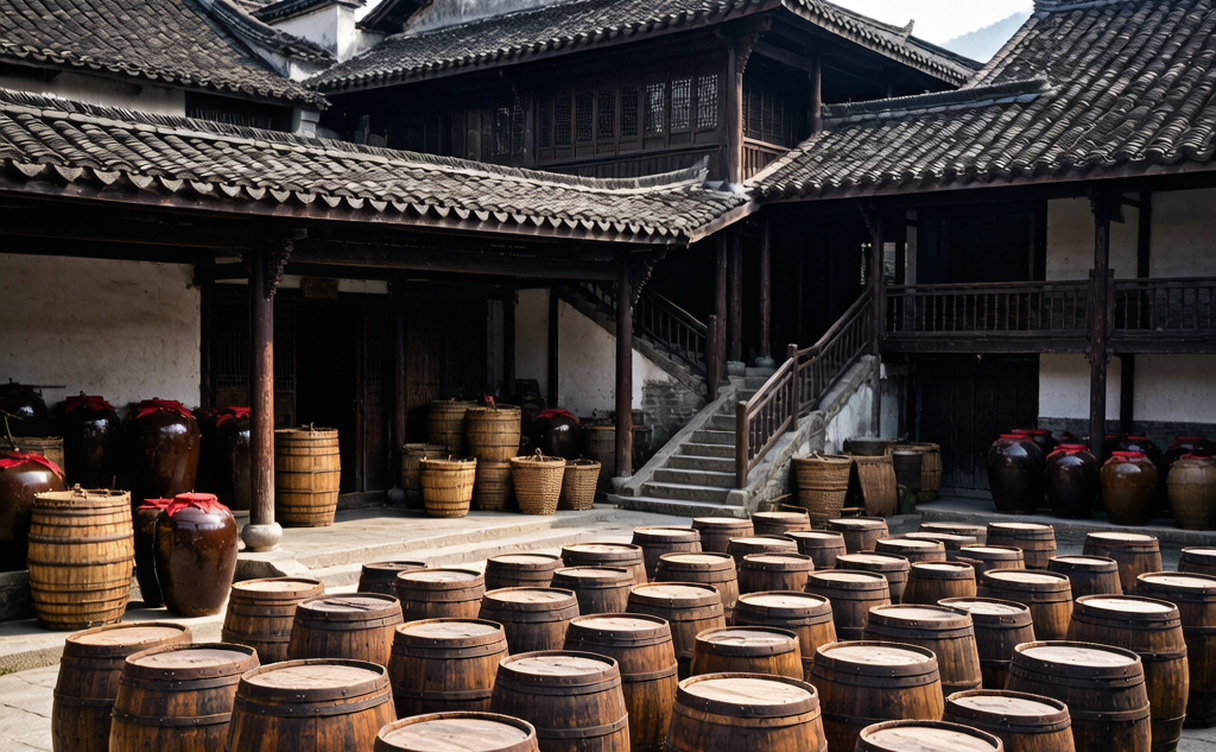
The headline experience is the Luzhou Laojiao Distillery, a working site whose underground fermentation pits are centuries old and recognized among China’s national intangible cultural heritage. Guided tours walk you through the pit cellars, the steaming halls, and a small museum explaining why this particular stretch of river clay produces such a distinctive strong-aroma baijiu. Tastings are included, and even non-drinkers find the craftsmanship fascinating.
Along the Tuo River, the Riverside Park and embankment are where locals actually live — morning tai chi, evening strolls, and food carts selling grilled river fish. The Laojiao Square and the restoredwooden-stage theaters host Sichuan opera and folk performances on weekends. For a half-day trip, the Yuchanglong dinosaur fossils and the nearby Mt. Fangshan offer gentle hiking and temple views.
History buffs should wander the old street near the Bell Tower and the Former Residence of the revolutionary 刘伯承 memorial, both modest but telling. If your route bends northeast toward the giant Buddha, our Chengdu Leshan Giant Buddha guide is the natural next read, while travelers heading west into the mountains can consult our Emei Mountain guide.
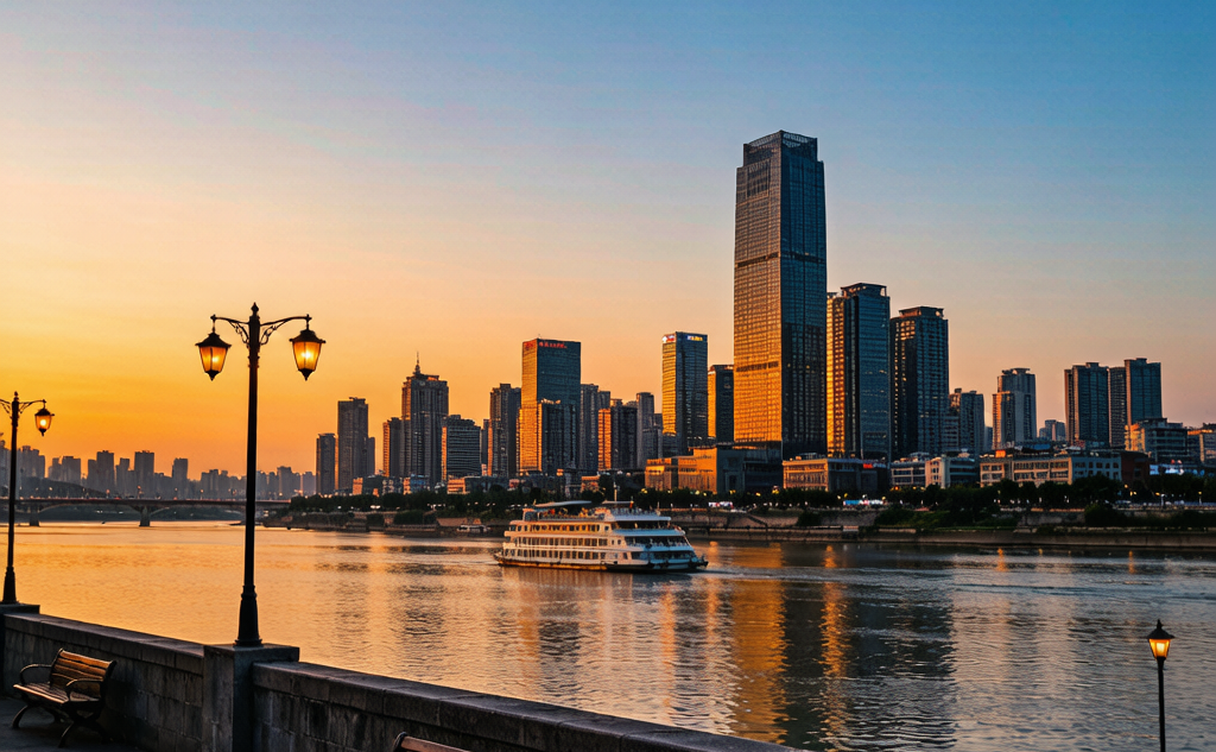
When the sun drops, Luzhou loosens up. The riverside comes alive with slow walkers, bubble-tea crowds, and old men playing cards under the lamps; a short evening cruise on the Tuo or Yangtze gives you the lit skyline and the cool air without the daytime heat. The city’s tea houses are another easy pleasure — order a pot, pay a few yuan, and you can sit for hours watching the river slide past, which is exactly how locals decompress after work.
A Practical Luzhou Itinerary
One full day covers the essentials; two lets you breathe. Day one: arrive late morning, check in near the river, tour the distillery in the afternoon, then walk the embankment and eat hotpot by the water at night. Day two: old street and Bell Tower in the morning, a river cruise or Mt. Fangshan hike after lunch, and a relaxed baijiu tasting before departure.
Because the city is compact, you rarely need more than a DiDi hop between sights. If you’re building a wider Sichuan–Guizhou arc, our Chongqing travel guide and Zunyi travel guide extend the route westward and southward respectively, with Zunyi adding its own revolutionary and liquor-culture layers.
Food and Local Flavors
Luzhou eats like southern Sichuan but leans river-fresh and a touch lighter than Chengdu. Must-tries include 泸州白糕 (a soft steamed rice cake), 猪儿粑 glutinous dumplings stuffed with meat or sweet paste, and 长江鱼 grilled Yangtze fish with numbing pepper. The city’s hotpot is mellower than Chongqing’s apocalyptic versions, which makes it a good entry point for cautious palates.
Baijiu is the obvious souvenir, but buy sealed official bottles from the distillery shop to avoid fakes. Night markets near the river are cheap and social, and tea houses offer a slow afternoon if the heat gets to you. Look for the smaller 1573 branded shops if you want the premium expression of Luzhou Laojiao, and ask the staff for a tasting pour before you commit to a bottle — they are used to curious travelers.
Street breakfast is its own reward: 豆花 noodles with silky tofu custard, and 黄粑 sweet glutinous cakes steamed in leaves, best bought from a cart near the bus station before a day of walking. For a fuller regional context, the neighboring food scene in Chongqing pushes the same flavors much hotter, while Yibin just downriver shares the river-fish tradition. For verified background on the city’s distilling heritage, Wikipedia’s Luzhou page summarizes the history and the Laojiao trademark clearly.
Luzhou Travel Tips
A few pointers smooth the edges. The distillery tours run on fixed morning and afternoon slots; book ahead in peak season and arrive 15 minutes early. Baijiu is potent — sip, don’t shoot, and never drink and drive. Summers call for light clothing, mosquito repellent, and hydration; winters are mild but damp, so a layer helps.
English is limited outside hotels, so keep your hotel’s address in Chinese characters on your phone. River cruises cancel in rough weather, so treat them as optional. If you’d like a charming old-town counterpart after Luzhou, the neighboring city of Zunyi adds a similar small-city rhythm with deeper revolutionary history.
Why Luzhou Deserves a Stop
Luzhou will not overwhelm you with sights, and that is exactly its appeal. It is a working river city where the headline attraction is also the local livelihood, where you can watch a 400-year-old craft happen before lunch and then drift along the embankment with everyone else. Travelers who rush it miss the point; those who linger find a Sichuan that guidebooks rarely mention.
Used as a hinge between the basin and the highlands, Luzhou turns a transit day into a memory. However you route it, leave room for one unplanned evening by the Tuo River.