

Mount Emei does not do subtle. The highest of China’s four sacred Buddhist mountains tops out at 3,099 meters, where a 48-meter golden statue of Samantabhadra rides four elephants above a sea of clouds. Below the summit, subtropical forest drips with ferns, ancient monasteries serve vegetarian lunches to hikers, and gangs of Tibetan macaques run the middle slopes like furry toll collectors. Two hours from Chengdu by bullet train and paired with the Leshan Giant Buddha in the same UNESCO listing, Emei is the rare mountain that works equally well as a cable-car day trip or a two-day pilgrimage on foot. This Mount Emei guide breaks down both approaches, plus the monkey etiquette nobody warns you about.
Best Time to Visit Mount Emei
The best time to visit Mount Emei is September to November, when autumn air is crisp, the forest turns gold and red, and your odds of a clear summit sunrise are highest. April and May are a close second: azaleas bloom along the mid-mountain trails and temperatures suit long hiking days.
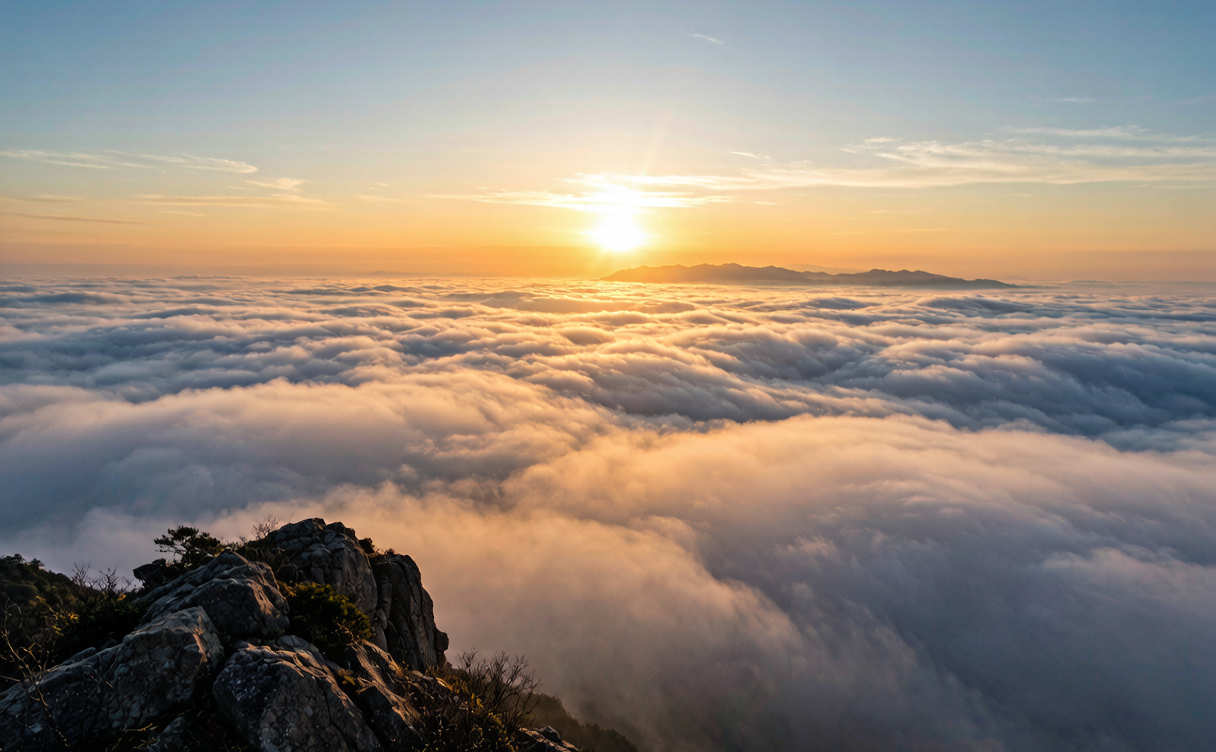
Summer (June–August) is peak domestic season. The mountain stays pleasantly cool while Chengdu swelters, but afternoon mist frequently swallows the summit and weekends get crowded. Winter brings snow above 2,000 meters and a quieter, ethereal mountain — the summit area is maintained and shoe chains are sold at the base, but check conditions before hiking lower trails. The famous “sea of clouds” and Buddha’s halo optical effect appear most often on calm mornings after rain. For planning the wider trip, our best time to visit China breakdown helps you match Sichuan with the rest of your route.
How to Get There
Emei sits 140 km southwest of Chengdu. The high-speed rail link makes access painless, and combining it with Leshan (30 minutes away) is standard practice.
| From | Option | Time | Approx. Cost |
|—|—|—|—|
| Chengdu East/South | High-speed train to Emeishan Station | 1–1.5 hours | RMB 65–75 (USD 9–11) |
| Chengdu Xinnanmen | Direct bus to Baoguo bus station | ~2.5 hours | RMB 45–55 |
| Leshan | High-speed train or bus | 15–40 min | RMB 11–15 |
| Emeishan Station | Bus/taxi to Baoguo visitor center | 10–15 min | RMB 10–20 |
| Baoguo | Sightseeing bus to Leidongping (summit access) | ~2 hours | RMB 90 round trip |
Entry costs around RMB 160 (valid two days). Trains sell out on weekends; see our high-speed train guide for foreigners for booking with a passport.
Cable Cars, Hiking Routes, and Difficulty
Cable Cars
Two cable cars shortcut the steepest sections:
- Golden Summit Cable Car (Jieyin Hall → Golden Summit): the essential one, about RMB 65 up / 55 down, covering the final 500 vertical meters in five minutes. It connects with the sightseeing bus from Baoguo at Leidongping, so you can reach the summit with only a 30-minute walk between bus and cable car.
- Wannian Cable Car (mid-mountain): around RMB 65 up, lifting you to 1,020m and Wannian Monastery, home to a 7.85-meter bronze elephant statue cast in 980 AD.
Cable cars typically start around 7am in high season; queues for sunrise runs form early.
Hiking Routes and Difficulty
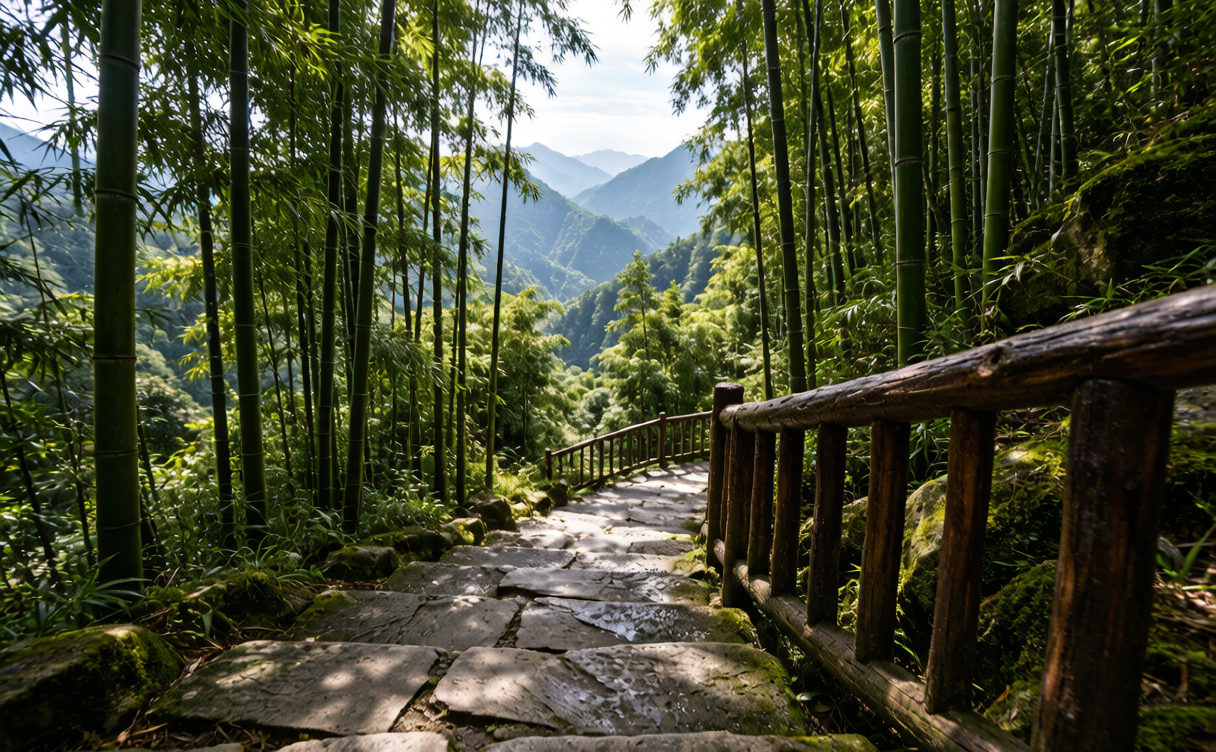
- Full ascent from Baoguo (50+ km): two to three days of stone stairs through bamboo and fir forest, sleeping in monasteries en route. Strenuous purely from distance and relentless steps, but never technical.
- Classic two-day loop: bus to Wuxiangang, hike via Qingyin Pavilion and the Monkey Zone to Wannian Monastery on day one (moderate), then bus/cable car combination to the summit for sunrise on day two.
- Half-day forest walk: the Qingyin Pavilion–Ecological Monkey Zone circuit is a gentle, family-friendly 2–3 hours beside a mountain stream.
Trails are stone-paved with handrails on steep parts; trekking poles help on the descents. More route ideas live in our China hiking and treks guide.
Monkeys, Altitude, and Safety
The Tibetan macaques around the Ecological Monkey Zone are bold, habituated, and occasionally grabby. Keep food sealed inside your bag (not in plastic shopping bags, which they recognize), don’t make eye contact with large males, and hold onto phones and glasses. Attendants with slingshot-shaped deterrents patrol the zone and will help if a monkey gets pushy.
At 3,099m, the Golden Summit is high enough that some visitors feel a mild headache or breathlessness after the rapid bus-and-cable-car ascent. Take the last stairs slowly, hydrate, and descend if symptoms worsen — they almost always resolve at Leidongping. Winter ice and summer downpours are the other hazards; both are manageable with proper footwear and rain gear. General advice is in our China travel safety tips.
Where to Stay
Baoguo village (base, 550m): the widest choice, from hostels at RMB 100 to hot-spring resorts at RMB 600–1,200. Convenient for buses and the train station.
Monasteries on the mountain: Wannian, Xixiang Chi, and others offer pilgrim lodging from roughly RMB 60 for dorms to RMB 300 for private rooms. Facilities are basic — thin bedding, shared bathrooms — but drifting off to evening chanting is the quintessential Emei experience.
Golden Summit hotels: two or three properties near the top charge RMB 600–1,500 for the privilege of rolling out of bed for sunrise. Book well ahead in autumn.
What to Eat
Emei’s monastery kitchens serve set vegetarian meals (RMB 20–40) built on tofu, mushrooms, and mountain vegetables — simple and restorative after a stair day. In Baoguo village, Sichuan cooking takes over: mapo tofu, twice-cooked pork, and the local specialty bean curd pudding (douhua) with chili and peanuts. Teahouses sell Emei’s own zhuyeqing green tea, grown on the lower slopes. On the trail, stalls charge RMB 10–15 for corn, cucumbers, and boiled eggs; prices climb with altitude, so carry snacks.
Sample Itinerary: 2 Days
Day 1: Morning train from Chengdu. Bus to Wuxiangang, walk Qingyin Pavilion and the Monkey Zone, then climb (or cable car) to Wannian Monastery. Bus back to Baoguo; overnight at a hot-spring hotel, or sleep mid-mountain in a monastery for atmosphere.
Day 2: Pre-dawn bus to Leidongping, cable car to the Golden Summit for sunrise beside the Samantabhadra statue. Walk the summit boardwalks toward Wanfo Peak, descend by early afternoon, and either train back to Chengdu or detour to the Leshan Giant Buddha en route.
With 3 days, hike the full middle section via Xixiang Chi (Elephant Bathing Pool) instead of busing between the halves.
Practical Tips
- The two-day entry ticket rewards an overnight; keep the paper stub or e-ticket handy at checkpoints.
- Rent or bring a warm coat for the summit — it can be 15°C colder than Baoguo, and vendors rent padded jackets near the cable car.
- Weekday sunrises beat weekends for elbow room on the summit terrace.
- The Golden Summit typically opens to visitors around 6am for sunrise; confirm seasonal times locally.
- Mount Emei and the Leshan Giant Buddha share a scenic-area listing — official background is on the UNESCO World Heritage page.
- Families: the Monkey Zone plus Wannian cable car makes a superb kid-sized day; more ideas in our China family travel guide.
FAQ
How many days do I need for Mount Emei?
Two days is ideal: forest trails and monasteries on day one, summit sunrise on day two. A rushed summit-only day trip from Chengdu is possible but spends most of it on buses.
Are the monkeys dangerous?
They’re wild animals with practiced pickpocket skills rather than dangerous predators. Secure your food, keep valuables zipped away, and stay calm; attendants patrol the main monkey areas.
Can I visit without hiking?
Yes — the bus-plus-cable-car combination reaches the Golden Summit with under an hour of easy walking, which is why Emei suits multigenerational groups so well.
How do I combine Emei with the Leshan Giant Buddha?
Trains and buses link the two in under 40 minutes. Most travelers see Leshan in a half day on the way to or from Chengdu.
Is altitude sickness a real concern?
Only mildly. The 3,099m summit can cause light symptoms after the fast ascent; walking slowly and hydrating handles it for nearly everyone.
What should things to do in Mount Emei cost overall?
Budget roughly RMB 400–500 per person for entry, buses, and cable cars, plus lodging — modest by the standards of China’s headline mountains.
Written by Karl Huang, updated July 2026.